 Skip to content


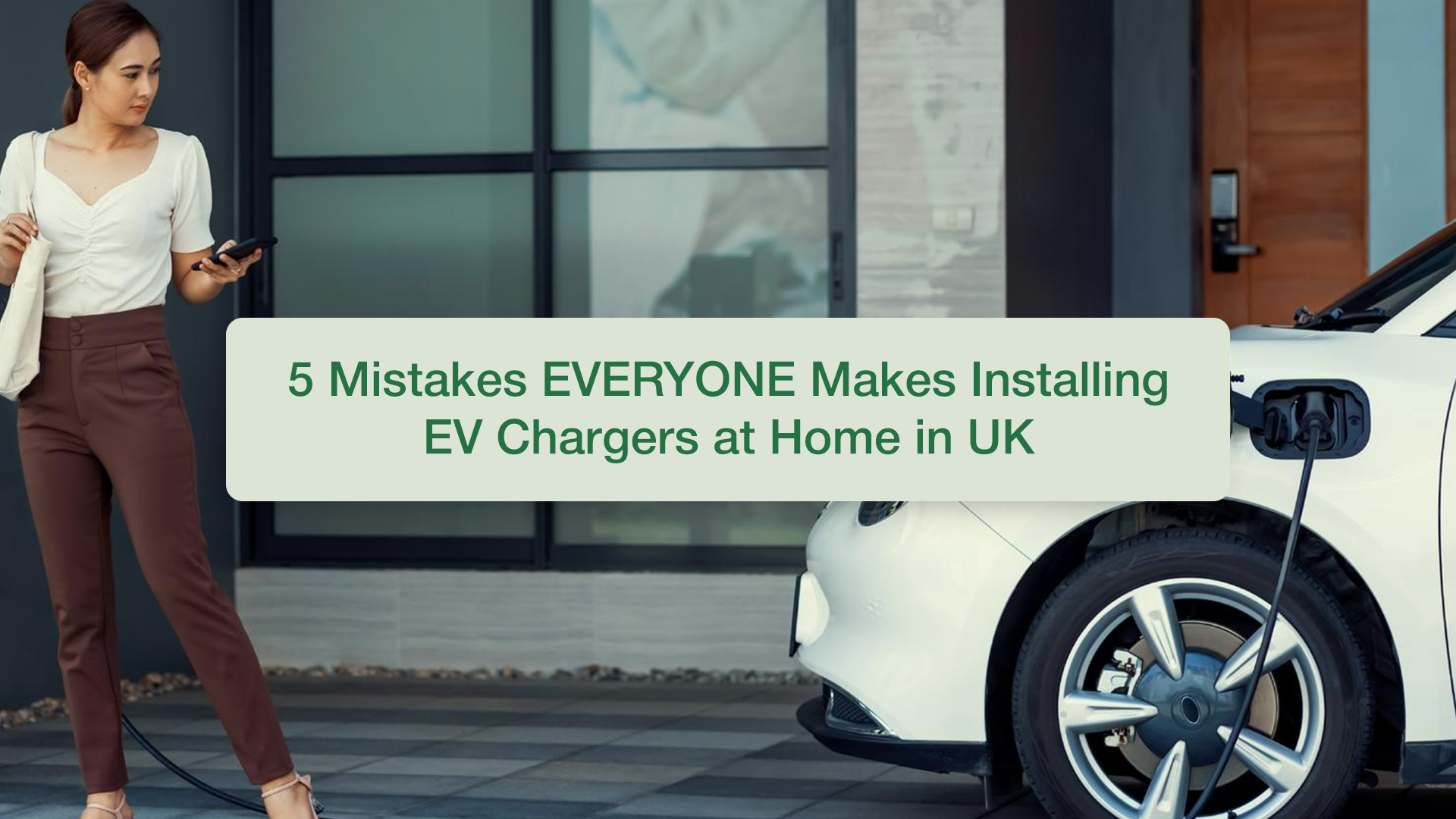
Installing EV Chargers at Home is one of the best upgrades UK EV drivers can make – but it’s also one of the easiest to get wrong if the basics are missed. The UK’s EV market is moving fast: in 2025, new car registrations reached 2,020,520, and almost half a million battery-electric vehicles (BEVs) were registered – “around one in four buyers” going electric, according to SMMT.
That growth means more homeowners are arranging home EV charger installation for daily convenience, lower running costs, and dependable overnight charging. But a safe, future-proof setup depends on getting a few technical fundamentals right – especially if your home EV charger is fitted outdoors.
A quick reality check before we begin
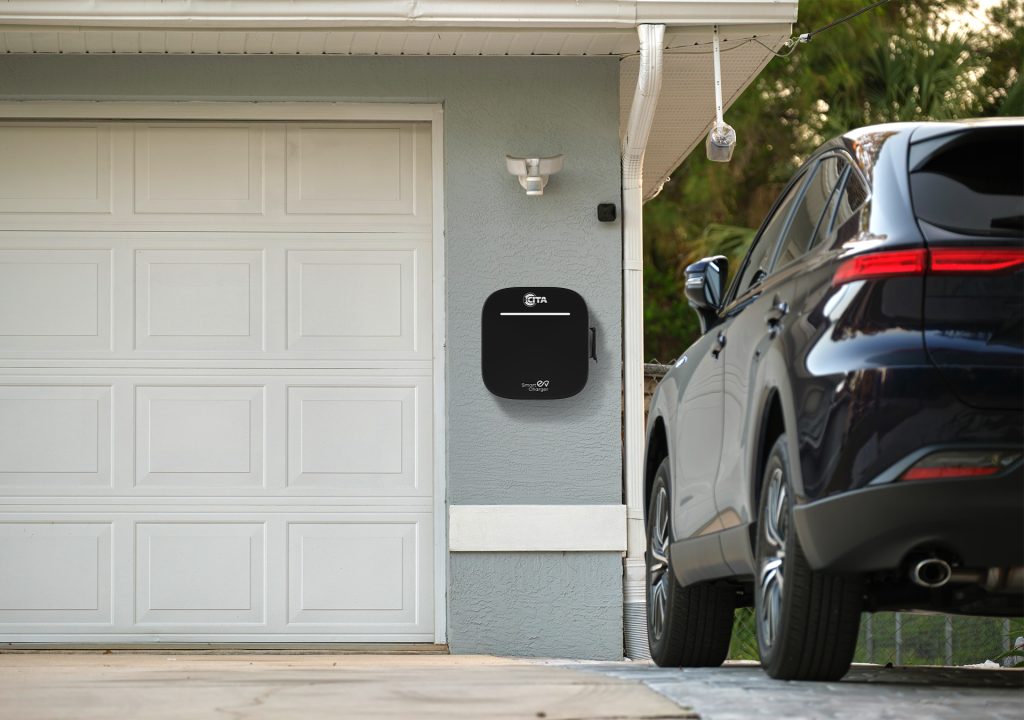
Home EV charging sounds simple – fit the unit, connect power, and start charging. In practice, residential EV chargers interact with your home’s electrical system in a very specific way: high continuous current, long charging sessions, and sensitive safety requirements (especially around RCD/DC leakage protection and surge risk).
The good news: these mistakes are avoidable when you plan properly and use a Certified EV Charger with the right protection features.
5 Mistakes When Installing EV Chargers at Home in UK
Most EV charger issues don’t come from the charger itself – they come from how it’s installed. The errors below are common because they seem “small” during installation, but they create bigger problems later: water ingress, nuisance tripping, overheating, unreliable charging, or equipment damage.
Let’s break down the five mistakes people make when installing EV chargers at home in the UK – and what to do instead.
1) Choosing the wrong enclosure/IP rating (especially outdoors)
A big mistake is treating outdoor installation like indoor installation. If your unit is exposed to rain, frost, hose spray, or wind-driven moisture, the enclosure must be correctly rated and correctly fitted. Poor weather protection can lead to water ingress and premature faults.
In the UK, you’ll often see outdoor units specified with IP-rated protection (water/dust resistance). For example, many AC home EV chargers are designed to be IP65 for outdoor environments, and impact resistance (like IK10) helps protect the casing from knocks in driveways or tight parking spots. The key isn’t just the rating on paper – it’s ensuring the install maintains it (good cable entry points, proper glands, sealed routes, and correct mounting).
Also watch for a related trap: installing extra kit outdoors “to make it tidy,” such as external consumer units. The IET highlights that condensation and impact can be important considerations for external consumer units in domestic EV installations and that good practice matters in maintaining the declared IP rating.
Do instead: If anything is outdoors (charger or supporting equipment), ensure the enclosure and installation method are designed for harsh weather and moisture.
2) Getting RCD/DC leakage protection wrong
This is one of the most common and most important mistakes in Installing EV chargers at home. EV charging equipment can produce DC residual currents, which can affect how RCDs behave. That’s why UK wiring rules are very specific about RCD type and DC protection.
The IET explains that for EV charging points, BS 7671 requires individual protection by an RCD (Type A, F, or B, depending on DC residual current protection provided in the EVSE) and that DC residual current can “blind” certain upstream devices if the wrong type is used.
Industry guidance (e.g., Hager’s UK guidance referencing Regulation 722.531.3) also reinforces that an RCD (max 30mA) is required and must disconnect all live conductors.
In simple terms: using the wrong protection can lead to nuisance tripping, reduced protection, or non-compliant installs.
Do instead: Use a Certified EV Charger and ensure the installer designs the circuit protection correctly for EV charging (including the correct RCD approach and DC leakage protection strategy), aligned with BS 7671 requirements.
3) Installing the charger at the wrong height (or awkward position)
Height and placement sound minor until you live with the charger every day. Too low and the connector sits in splash zones, collects dirt, and strains cables. Too high, and it becomes awkward, unsafe, or non-ideal for cable routing. Bad placement also increases trip hazards – especially in winter, rain, or low light.
Many installation guides recommend a practical mounting range. For example, a UK home charging guide specifies the charge point should be fixed at a height between 0.75m and 1.2m. This height range tends to keep the unit usable for most drivers, protects against ground splash, and reduces cable stress.
Do instead: Choose a location that’s practical for daily use, keeps cables off the ground where possible, avoids pinch points, and follows the installer’s recommended mounting height guidance.
4) Skipping surge protection (SPD) and hoping for the best
Surge protection is often overlooked because it’s not “visible” like the charger itself. But EV chargers are electronic devices – power surges and transient overvoltage events can damage sensitive components over time. In the UK, surge protection is commonly expected in modern electrical work unless a risk assessment justifies otherwise.
UK guidance and summaries referencing BS 7671 Amendment 2 indicate surge protection is typically required in most premises unless a documented risk assessment proves it’s not needed. Even if the charger works fine on day one, surge exposure can shorten equipment life and cause random faults later.
Do instead: Ask your installer about surge protection at the consumer unit and whether your installation design includes appropriate SPDs under current wiring guidance.
5) Not checking the main fuse size and supply capacity before installation
This one creates major headaches. Many UK homes have older supply arrangements, and adding a high-load device like a home charger without checking capacity can cause overload risks or lead to the charger being set lower than expected.
UK DNO guidance for installers notes that with certain cut-outs, installers must assume the fuse size is 60A unless stated otherwise, and that assessment/notification may be required depending on the installation’s total load. That means your home EV charging setup must be designed around what the property can safely support.
This mistake is even more common when homeowners also plan to add other loads later (heat pump, electric shower upgrades, induction cooking, etc.). The right approach is to assess the home properly and plan with future demand in mind.
Do instead: Have the installer check your supply capacity (including main fuse/cut-out considerations) and complete any required DNO steps so the charger can run safely at the intended output.
Building a Future-Ready Home EV Charging Setup
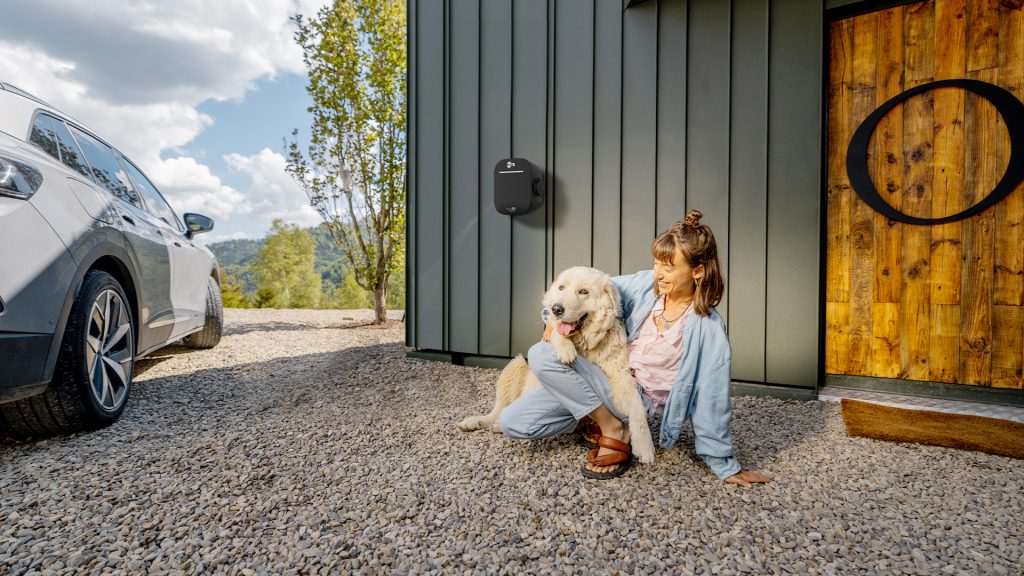
Avoiding these common mistakes makes Installing EV Chargers at Home safer, more reliable, and ready for UK winters. A well-planned setup considers IP-rated enclosures, correct RCD protection, proper mounting height, surge protection, and supply capacity.
Homeowners should also check eligibility for UK EV chargepoint grants before installation.
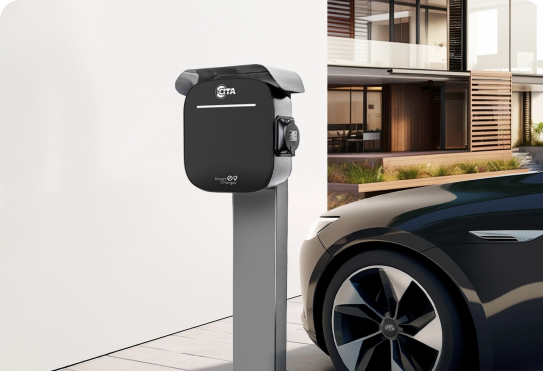
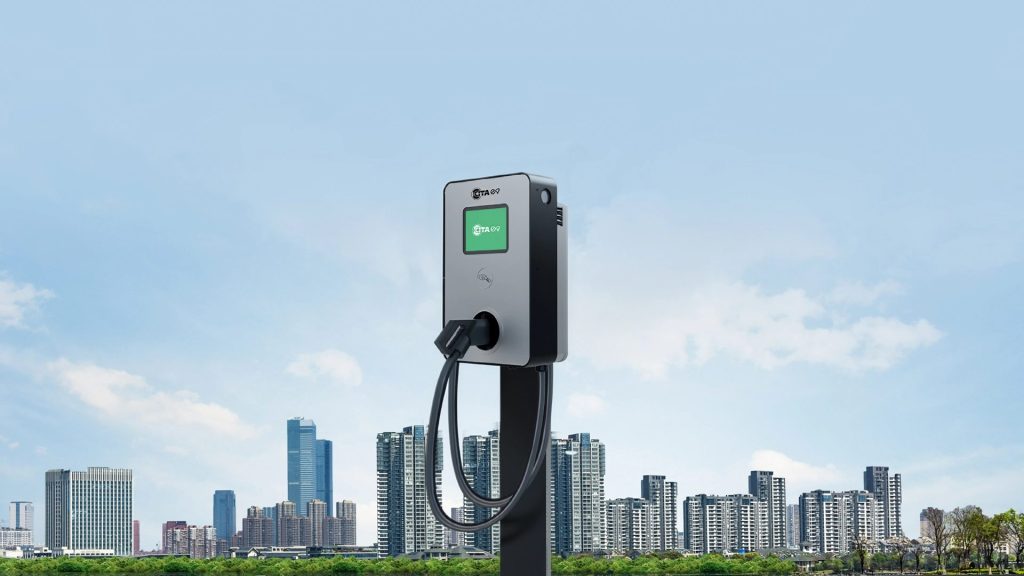
CITA EV Charger offers home EV chargers with IP65 and IK10 protection for AC systems, supporting durable outdoor use.
For expert advice and a free consultation, reach out to CITA EV Charger.