 Skip to content


EV Charging Speed is one of the most important factors for electric vehicle drivers and charging infrastructure planners. As EV adoption continues to grow globally, drivers want faster and more efficient charging experiences. According to industry reports, the global electric vehicle fleet is expected to exceed 240 million vehicles by 2030, increasing the demand for reliable ev charging solutions and high-performance electric vehicle chargers.
However, charging speed is not determined by just the charger itself. Multiple technical and environmental factors influence how quickly an electric vehicle can recharge. From battery capacity to charger type and power supply, each element plays a role in determining the speed of ev charger performance.
Understanding these factors helps EV drivers, businesses, and infrastructure developers make smarter decisions when choosing an electric car charger or planning EV charging installations.
Why EV Charging Speed Can Vary
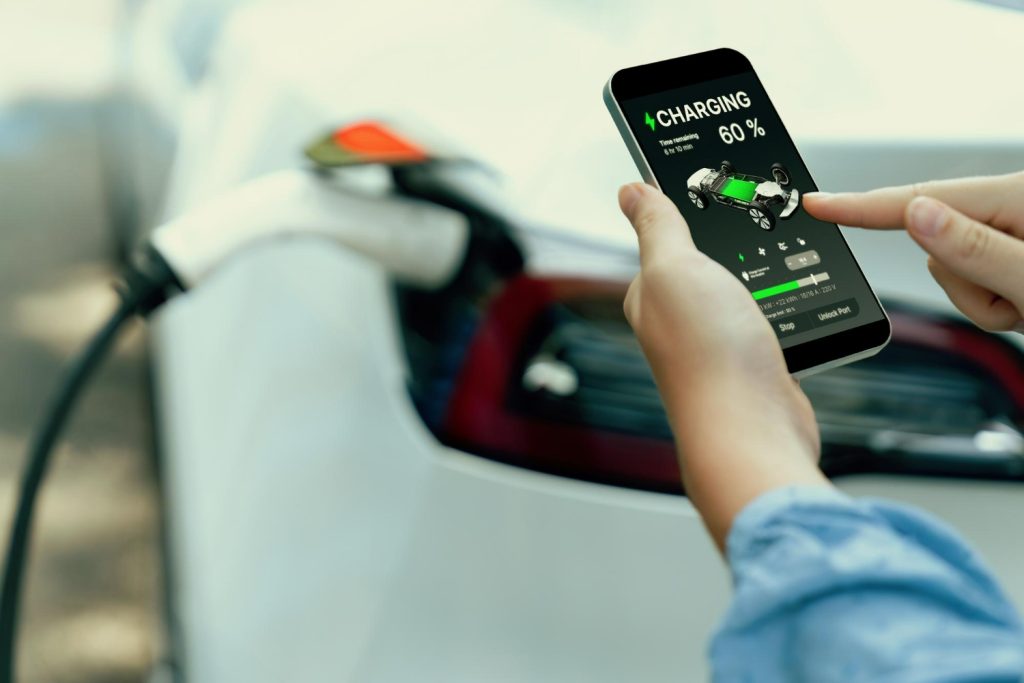
Before exploring the key factors, it is important to understand why charging times can vary from one situation to another.
EV charging is influenced by several components, including the vehicle battery, the power output of the charging station, and the surrounding infrastructure. Even two vehicles connected to the same charger may experience different charging speeds depending on their battery management systems.
By understanding these factors, drivers and businesses can select the right ev charging solutions and work with a reliable ev charger provider to ensure optimal charging performance.
Below are six important factors that affect EV Charging Speed.
1) Type of Charger Being Used
The type of charger used has the biggest impact on EV Charging Speed. Charging stations come in different power levels designed for different environments.
There are generally three main categories of charging:
- Standard home charging
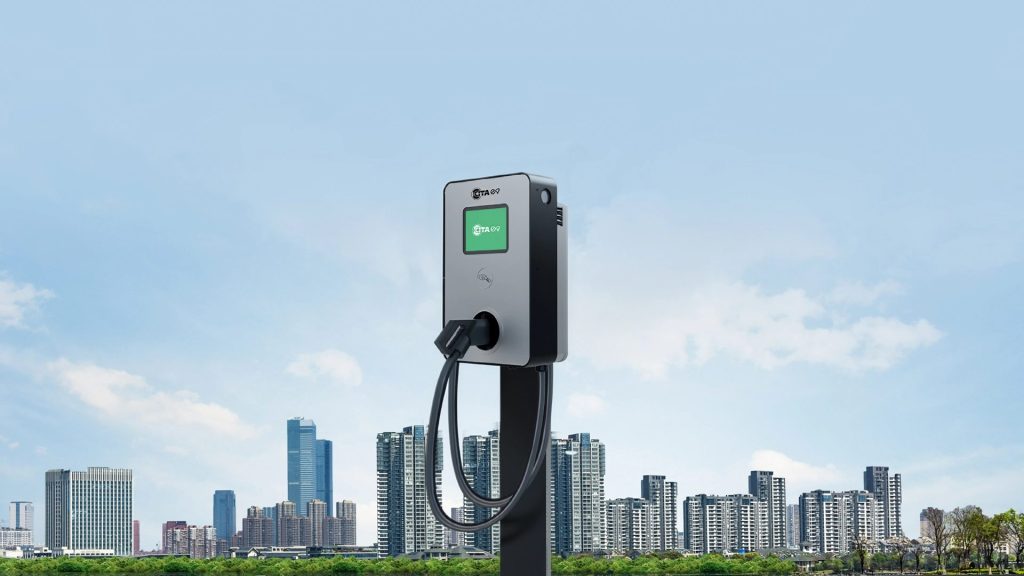
- AC charging stations
- DC fast charging stations
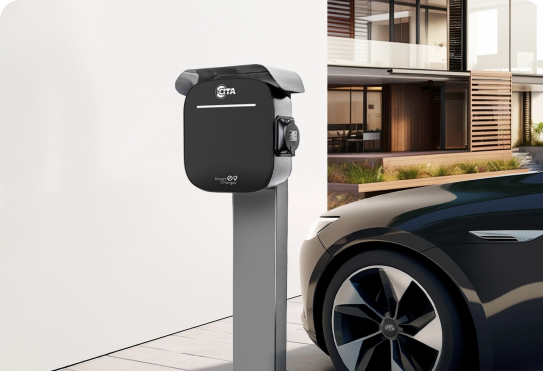
A standard residential electric car charger may take several hours to fully charge a vehicle, while high-power DC chargers can significantly reduce charging time.
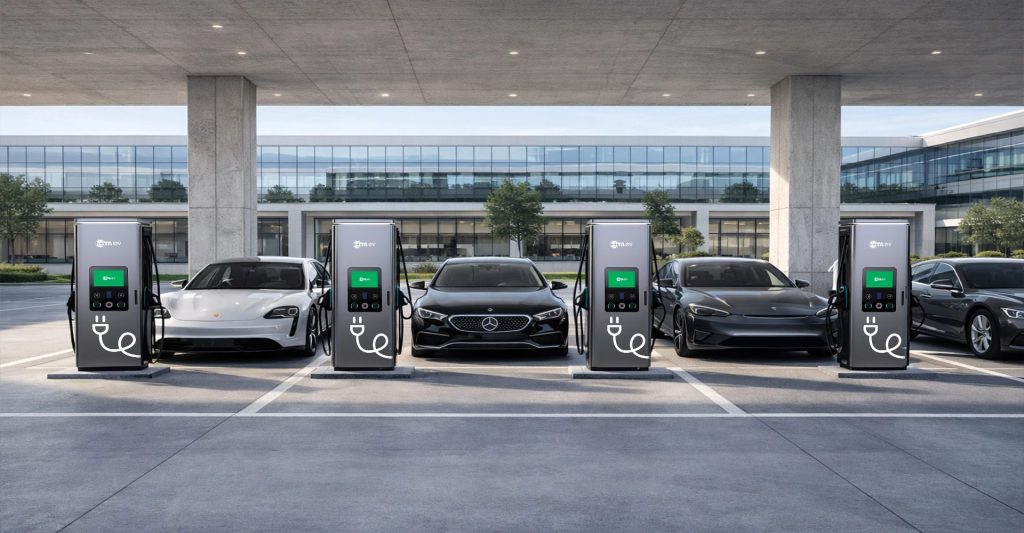
Public charging hubs often deploy advanced electric vehicle chargers designed to provide faster energy delivery, making them ideal for commercial and highway locations.
Selecting the right charging technology is essential for businesses working with an experienced ev charger company to deploy efficient charging infrastructure.
2) Vehicle Battery Capacity
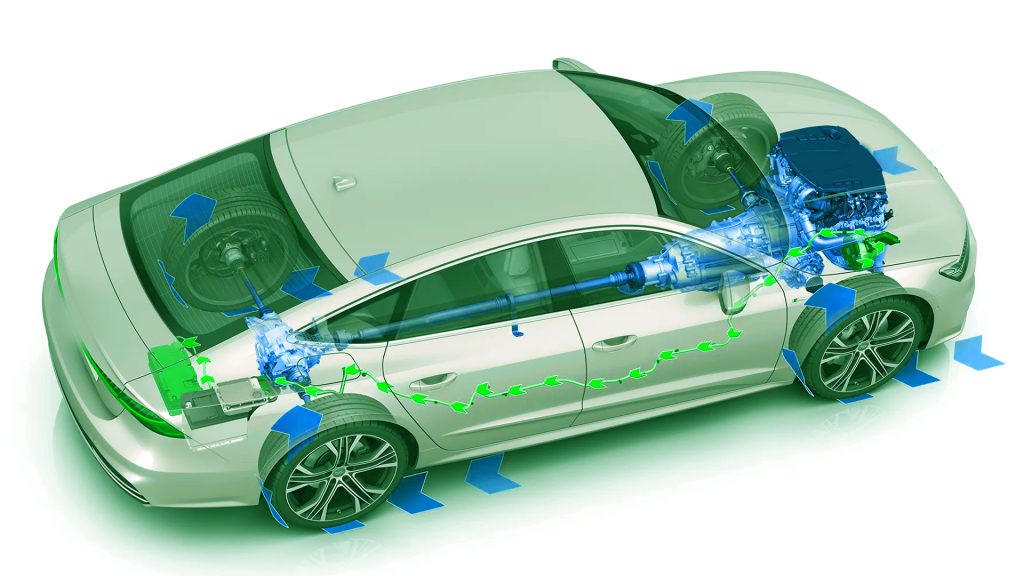
The size of the EV battery also affects charging speed. Vehicles with larger batteries require more energy to reach full capacity.
For example, a vehicle with a 40 kWh battery will typically charge faster than one with an 80 kWh battery, assuming the same charging conditions.
However, larger batteries also allow vehicles to accept higher charging power, which means they can benefit more from high-performance ev charging solutions.
Battery management systems inside the vehicle regulate charging to protect battery health, which can also influence the speed of ev charger performance during different stages of charging.
3) State of Charge (Battery Level)
The current battery level significantly impacts EV Charging Speed. EV batteries usually charge faster when they are at a lower state of charge.
Most vehicles charge rapidly from 10% to around 80% battery capacity. After that point, charging speeds gradually decrease to protect battery life.
This is why many fast-charging stations focus on helping drivers quickly reach around 80% charge, allowing them to continue their journey without long waiting times.
Drivers using modern electric vehicle chargers often notice this difference in charging speed depending on the battery’s current level.
4) Power Supply and Electrical Infrastructure

The electrical infrastructure of a location plays a major role in determining charging performance.
EV Charging stations require stable grid power and sufficient electrical capacity to deliver energy efficiently. If the power supply is limited, the charger may not be able to deliver its maximum output.
Businesses installing charging stations should work with an experienced ev charger provider to assess power requirements and infrastructure readiness.
Reliable electrical infrastructure ensures that ev charging systems operate efficiently while maintaining consistent charging speeds for users.
5) Environmental Conditions and Temperature
Temperature can also affect EV Charging Speed. Batteries perform best within specific temperature ranges.
In extremely hot or cold environments, vehicles may reduce charging speeds to protect battery health.
Many modern EVs include thermal management systems that regulate battery temperature during charging. These systems help maintain optimal charging conditions but may still adjust charging speed depending on external temperatures.
This is why advanced ev charging solutions often include smart monitoring systems that support efficient charging under different environmental conditions.
6) Charger Sharing and Load Management
Charging speed can also be affected when multiple vehicles share the same charging infrastructure.
Some charging stations distribute available power between several electric vehicle chargers, especially in commercial environments.
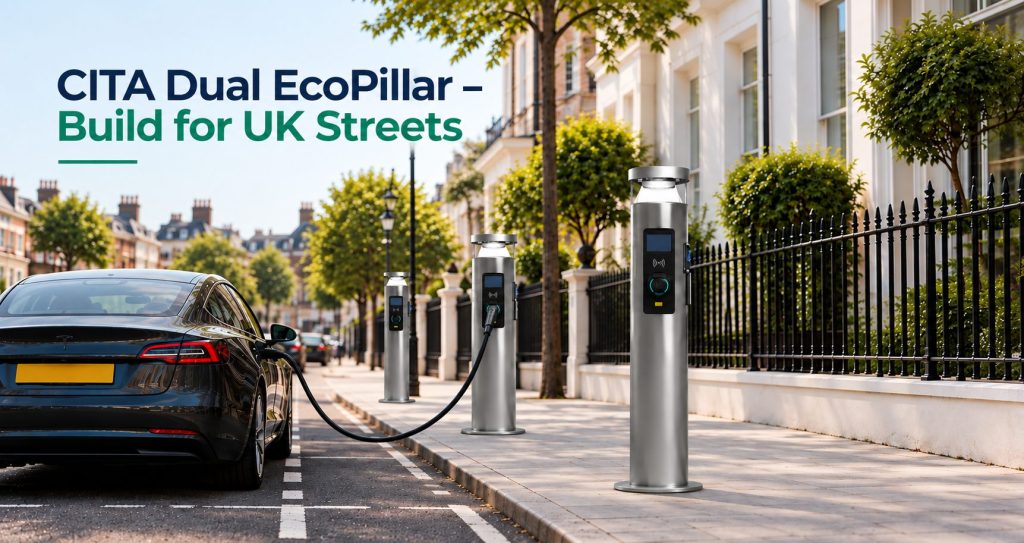
For example, dual charging stations may divide power between two vehicles charging simultaneously. In such cases, the speed of EV charger output for each vehicle may be slightly reduced.
Smart load management systems help optimize power distribution across multiple chargers, ensuring that ev charging networks operate efficiently even during peak demand.
Building Faster and Smarter EV Charging Infrastructure
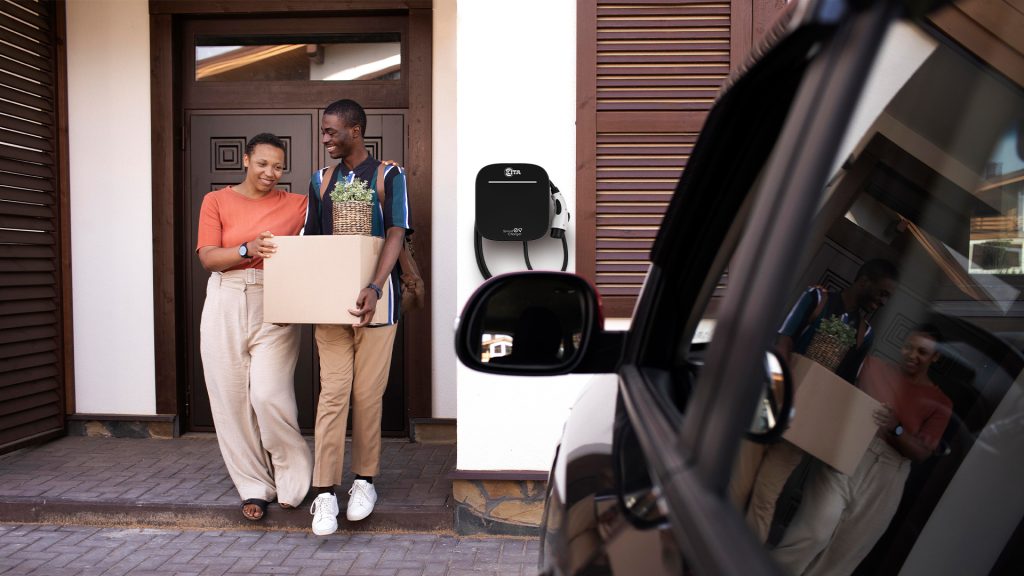
Understanding the factors that affect EV Charging Speed helps drivers and businesses make better decisions when installing EV charging systems. Charger type, battery capacity, power supply, and load management all influence how quickly a vehicle can recharge.
CITA EV Charger, a trusted ev charger provider, offers advanced ev charging solutions and reliable electric vehicle chargers for homes, commercial spaces, and public charging locations.
Planning to install a smart electric car charger?
Contact CITA EV Charger today for expert guidance and faster EV charging solutions.