 Skip to content


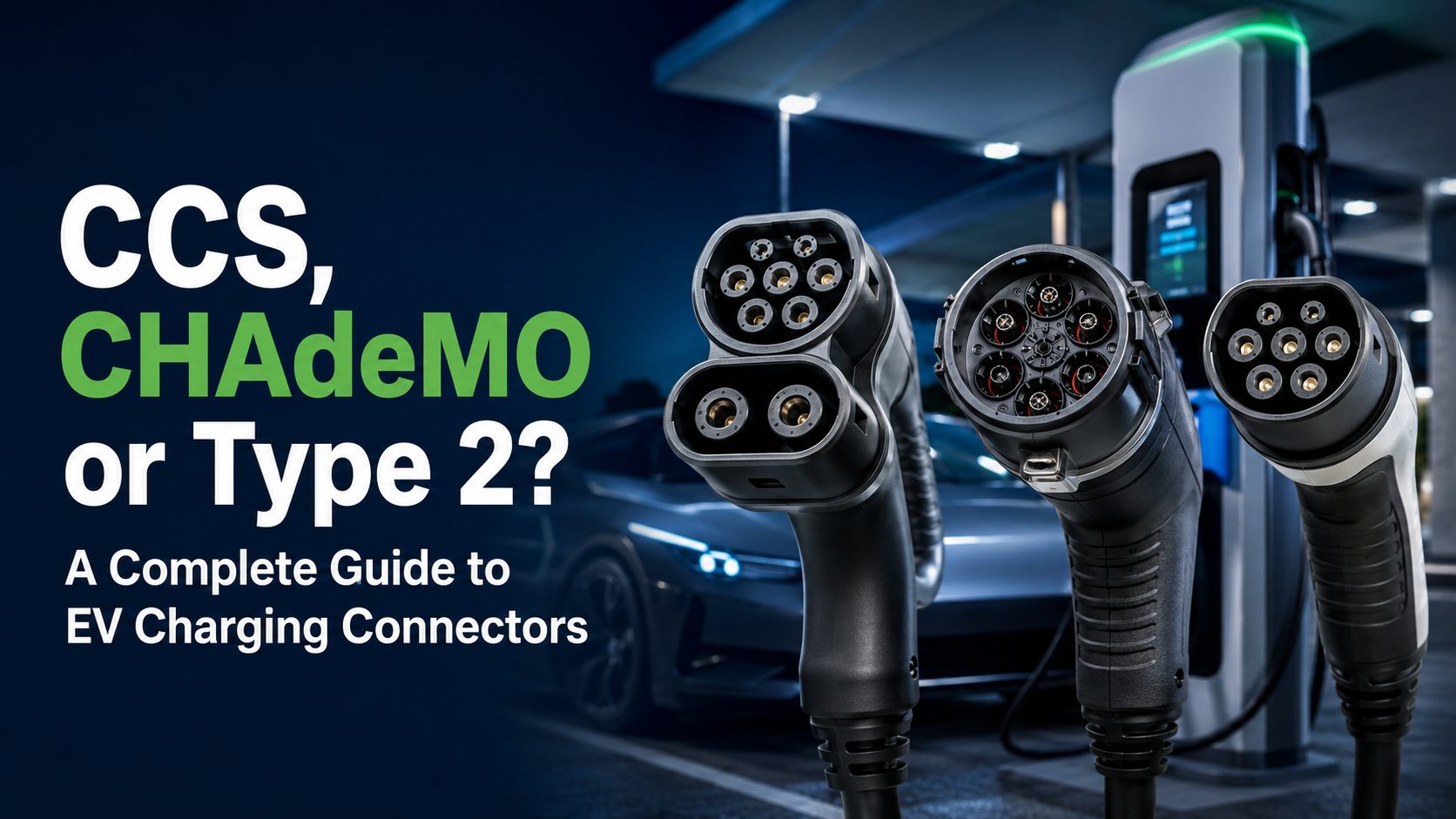
EV Charging Connectors are the physical link between an electric vehicle and the charging infrastructure supplying its energy. But unlike refuelling a conventional vehicle, EV charging does not rely on one universal connector worldwide. Different vehicles, charging speeds, regions and AC or DC charging systems can require different plug standards.
Among the most widely recognised connector types are Type 2, CCS (Combined Charging System) and CHAdeMO. Each serves a different purpose and understanding those differences can help EV drivers choose compatible chargers while helping businesses and Charge Point Operators plan appropriate charging infrastructure.
This guide explains how the three connectors work, where they are commonly used and what to consider when choosing charging equipment.
Before Comparing Connectors: Understand AC and DC Charging
The easiest way to understand different EV connector types is to first understand the distinction between AC and DC charging.
AC Charging
With AC EV charging, alternating current is supplied to the vehicle. The vehicle’s onboard charger then converts that AC electricity into DC before it reaches the battery.
Because the conversion takes place inside the vehicle, charging speed is influenced not only by the power available from the charging point but also by the maximum AC input the vehicle’s onboard charger can accept.
AC charging is commonly used at:
- Homes
- Workplaces
- Hotels
- Residential developments
- Destination charging locations
- Commercial parking facilities
For European and UK vehicles, Type 2 is the dominant AC connector.
DC Charging
With DC fast charging, the conversion from AC to DC takes place inside the charging equipment rather than the vehicle. DC power is then supplied directly to the vehicle battery, bypassing the vehicle’s onboard AC charger.
This architecture enables substantially higher charging power and makes DC charging particularly suitable for locations where drivers need to recharge quickly.
Typical applications include motorway services, charging hubs, fleet depots, fuel stations and high-traffic commercial sites.
CCS and CHAdeMO are both associated with DC fast charging, although they use different physical designs and communication standards.
1) Type 2: The Standard for AC EV Charging
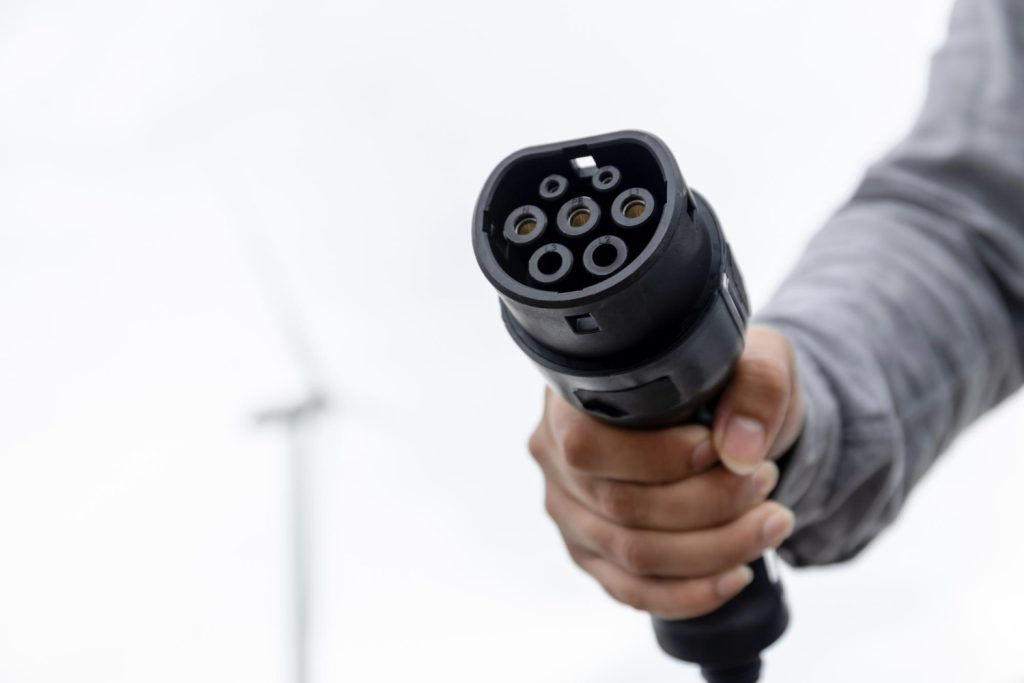
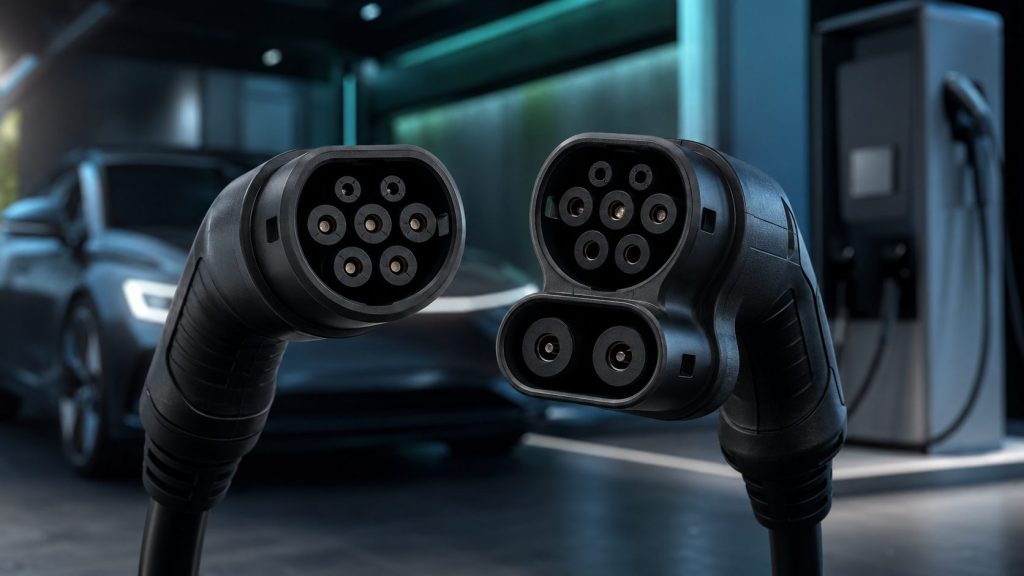
The Type 2 EV charger connector, also known as the Mennekes connector, has become the standard AC charging interface across much of Europe.
It features a seven-contact design and can support both single-phase and three-phase electricity supplies.
For everyday EV drivers, Type 2 is commonly encountered when charging overnight at home, during working hours at an office or while a vehicle is parked for an extended period at a destination.
Depending on the electrical supply, charging equipment and vehicle capability, Type 2 charging can commonly support power levels ranging from lower-power AC charging up to 22kW three-phase charging.
However, an important point is that the charger rating does not automatically determine how quickly every EV will charge.
For example, connecting a vehicle with an 11kW onboard AC charger to a 22kW charging point will not necessarily make it charge at 22kW. The vehicle can generally accept only the maximum AC power supported by its onboard charger.
Where is Type 2 best suited?
Type 2 works particularly well when vehicles remain parked long enough for AC charging to be practical. This makes it a strong choice for residential charging, offices, hotels, apartment developments and destination locations.
For businesses planning EV charging infrastructure, the decision between 7kW, 11kW and 22kW should therefore consider vehicle dwell time, electrical capacity and expected user demand rather than simply choosing the highest available rating.
2) CCS: The Leading Connector for High-Power DC Charging
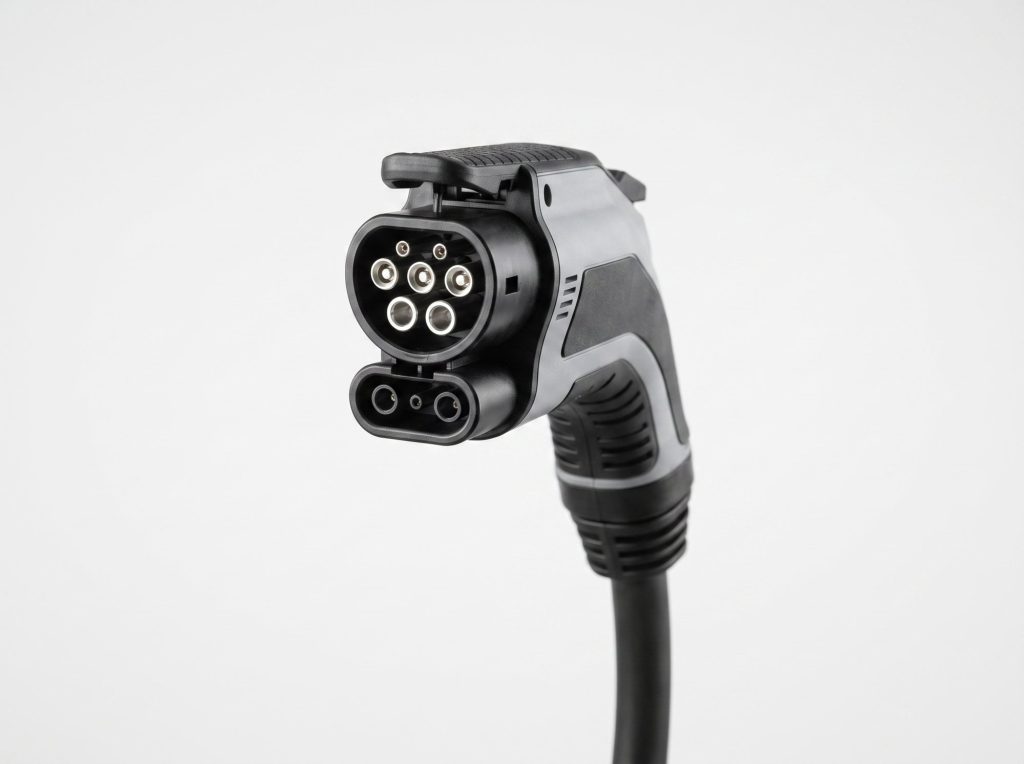
CCS stands for Combined Charging System. In Europe, CCS2 combines the familiar Type 2 interface with two additional DC contacts underneath it.
This design is one of its major advantages.
A compatible vehicle can use the upper Type 2 portion for AC charging and the complete CCS interface when connected to a DC fast charger. Rather than requiring completely separate AC and DC charging inlets, the system combines both charging capabilities into one vehicle-side architecture.
The CCS connector is now widely associated with rapid and ultra-fast charging infrastructure across Europe and the UK.
CCS is particularly relevant for:
- Motorway charging hubs
- Public DC charging stations
- Fleet charging
- High-utilisation commercial sites
- Service stations
- Long-distance EV travel
Unlike AC charging, where the vehicle’s onboard charger performs the conversion, a CCS DC charger supplies DC electricity directly to the battery.
However, a 300kW or 400kW charger does not mean every connected vehicle will receive that level of power. Actual charging speed depends on several factors, including the EV’s maximum DC charging capability, battery state of charge, battery temperature and the charger’s available output.
This distinction is important when comparing EV charging plug types and planning high-power charging infrastructure.
3) CHAdeMO: An Established DC Fast-Charging Standard

CHAdeMO is another DC fast-charging connector, developed in Japan and historically adopted by several Japanese electric vehicles.
It became particularly well known through vehicles such as earlier generations of the Nissan Leaf and Mitsubishi electric and plug-in hybrid models.
Unlike CCS2, CHAdeMO does not combine the vehicle’s AC and DC charging connection into the same physical inlet. A CHAdeMO-equipped vehicle may therefore have one connection for AC charging and a separate CHAdeMO inlet for DC rapid charging.
The CHAdeMO connector played an important role during the earlier development of public rapid charging infrastructure. However, its position has changed as more European-market vehicles and charging networks have adopted CCS.
That does not mean CHAdeMO has disappeared. Existing CHAdeMO-equipped EVs still require compatible charging infrastructure, and multi-standard DC chargers can continue to provide valuable support for these vehicles.
For CPOs, the decision to include CHAdeMO should therefore be based on the existing vehicle population, local utilisation patterns and expected future demand.
Type 2 vs CCS vs CHAdeMO: What is the Difference?
The simplest way to distinguish the three major EV Charging Connectors is by looking at their charging type and typical application.
| Connector | Charging Type | Typical Role | Common Applications |
|---|---|---|---|
| Type 2 | AC | Regular and destination charging | Homes, workplaces, hotels, commercial parking |
| CCS2 | DC | Rapid and ultra-fast charging | Public hubs, motorways, fleets, commercial sites |
| CHAdeMO | DC | Rapid charging | Compatible legacy EVs and multi-standard charging sites |
Type 2 and CCS2 are closely related because the European CCS vehicle inlet incorporates the Type 2 design. CHAdeMO, meanwhile, remains a separate DC charging standard.
Understanding this distinction prevents a common misconception: connector type and charger power are related, but they are not the same thing.
How Do You Know Which Connector Your EV Needs?
Before using a public charger or purchasing charging equipment, drivers should confirm the charging specifications of their vehicle.
Start by checking the vehicle charging inlet or owner’s manual. The manufacturer should specify the supported AC and DC connector standards together with the maximum charging power.
You should also check three separate specifications:
AC charging capability: Determines the maximum power the vehicle can accept when using an AC charger.
DC charging capability: Determines the maximum DC fast-charging rate supported by the vehicle.
Connector compatibility: Determines which physical and communication standard the vehicle can use.
These details matter because two EVs connected to the same charging station may charge at very different speeds.
Can Different EV Connector Types Be Used With Adapters?
Adapters can sometimes solve compatibility issues for lower-power charging, but they should not be treated as a universal solution.
DC charging is considerably more complex than simply matching the physical shape of two plugs. The vehicle and charging station must communicate throughout the session to control voltage, current, battery conditions and safety procedures.
CCS and CHAdeMO use different communication approaches, which means changing from one standard to another is not simply a matter of mechanically adapting the connector.
EV drivers should therefore follow vehicle and charger manufacturer guidance rather than assuming that an adapter will make incompatible EV charging standards interchangeable.
For infrastructure developers, supporting the connectors required by the target vehicle population is generally more dependable than relying on end users to adapt incompatible systems.
What Should Businesses and CPOs Consider When Choosing Connectors?
Connector selection becomes a strategic decision when developing commercial or public charging infrastructure.
The first consideration should be the vehicles expected to use the site. A workplace where cars remain parked for eight hours has very different requirements from a motorway charging hub where drivers expect rapid turnaround.
Operators should consider vehicle compatibility, charging demand, average dwell time, required charging power and anticipated utilisation.
Future scalability also matters. As EV battery capacities and charging capabilities develop, infrastructure should be able to support changing demand without requiring unnecessary replacement.
For public and fleet applications, CPOs should additionally consider charger uptime, backend connectivity, payment systems, OCPP compatibility, cable management and remote charger monitoring alongside the physical connector.
In other words, choosing the right EV Charging Connectors is only one part of building an effective charging network. The complete charging ecosystem needs to work together.
Which EV Charging Connector is the Right Choice?
There is no single answer for every charging application.
For regular AC charging at homes, workplaces and destinations, Type 2 provides broad compatibility across modern European EVs.
For rapid and high-power public charging, CCS2 has become the key standard across much of the European market and supports the requirements of many current-generation EVs.
CHAdeMO remains relevant where operators need to support vehicles that continue to use the standard, particularly existing Japanese models.
For drivers, the correct choice is ultimately determined by the vehicle. For businesses and CPOs, the decision should consider the mix of vehicles expected today as well as how that mix is likely to change over the life of the charging site.
Building Future-Ready EV Charging Infrastructure with CITA EV
Understanding EV Charging Connectors helps drivers charge with confidence, but for businesses and Charge Point Operators, connector selection is part of a much larger infrastructure decision.
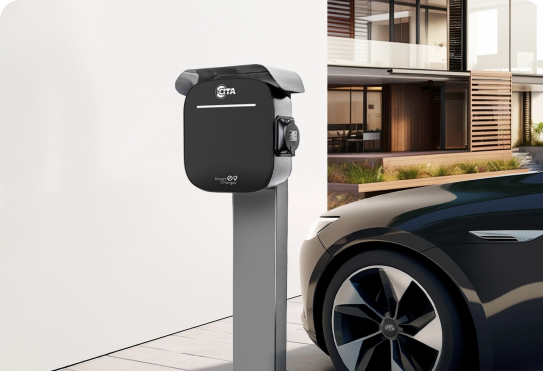
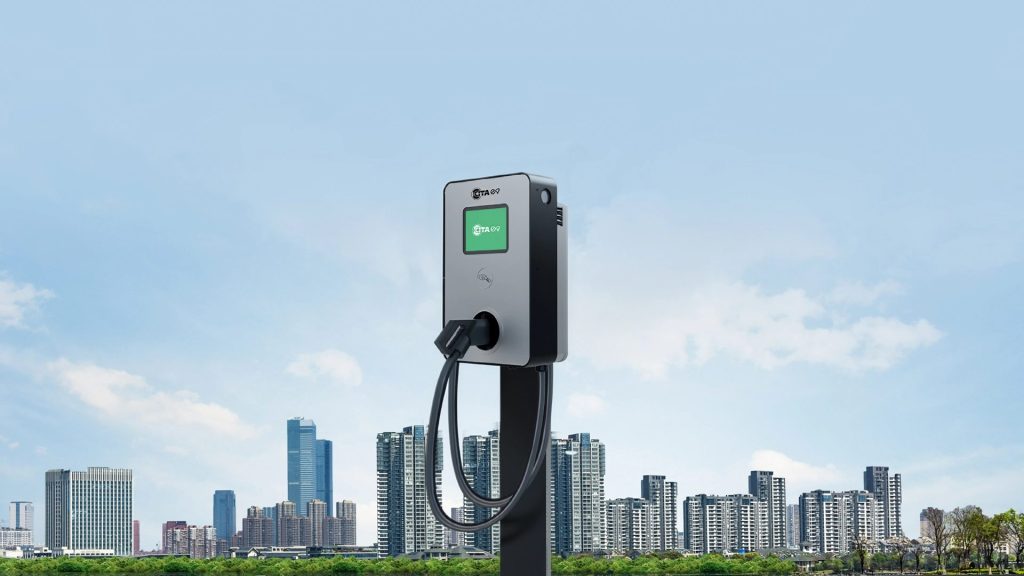
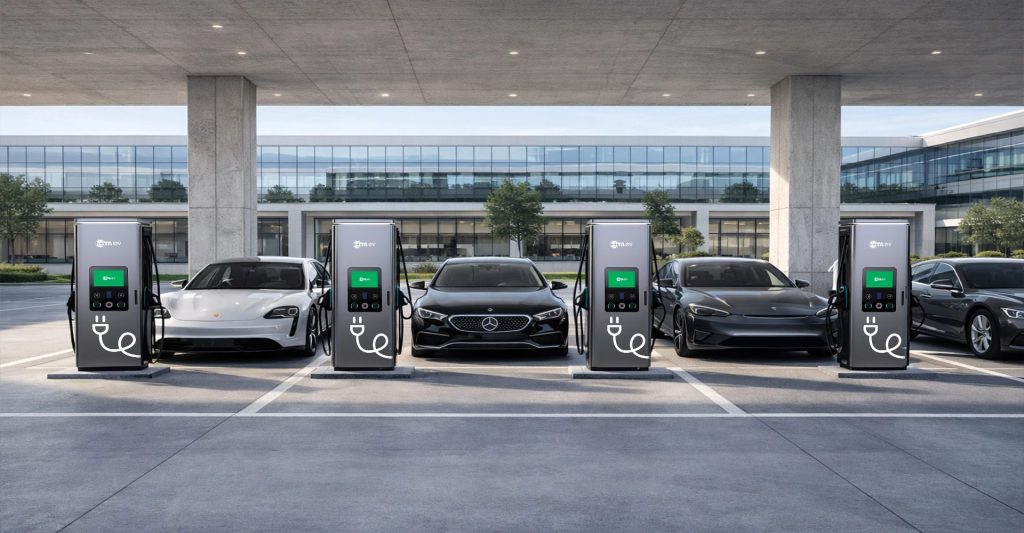
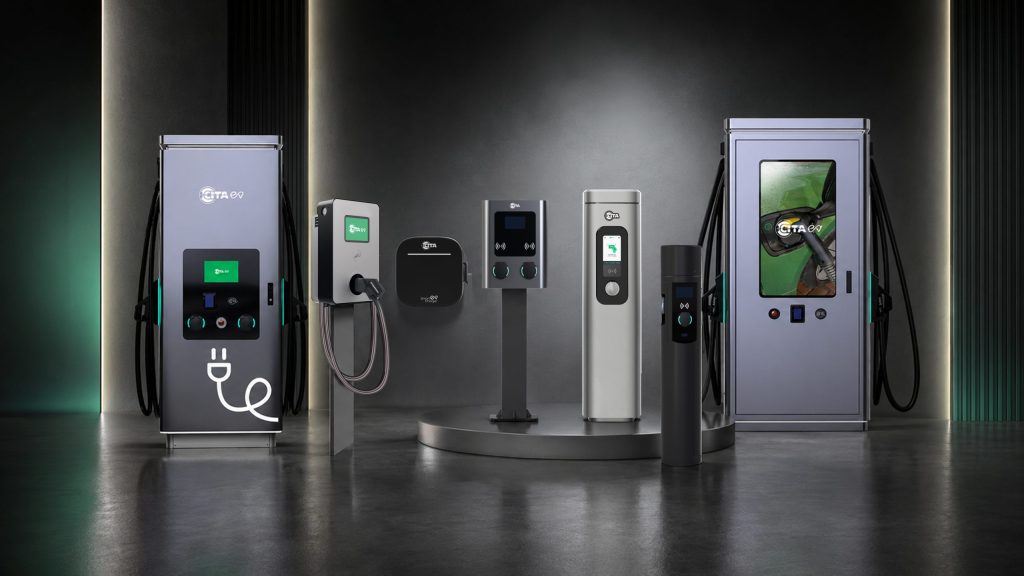
CITA EV Charger provides a comprehensive portfolio of AC, DC fast and high-power EV charging solutions designed for residential, workplace, commercial, fleet and public charging applications. From AC destination charging to high-capacity DC infrastructure, CITA EV supports different charging requirements with connected hardware and smart charging capabilities.
For CPOs, distributors, fleet operators and businesses developing or expanding EV charging networks, choosing scalable equipment and the right connector configuration can help create infrastructure that remains practical as EV demand evolves.
Planning an EV charging project or exploring a partnership opportunity?
Connect with CITA EV Charger to discuss the right charging solution for your market, site and network requirements.