 Skip to content


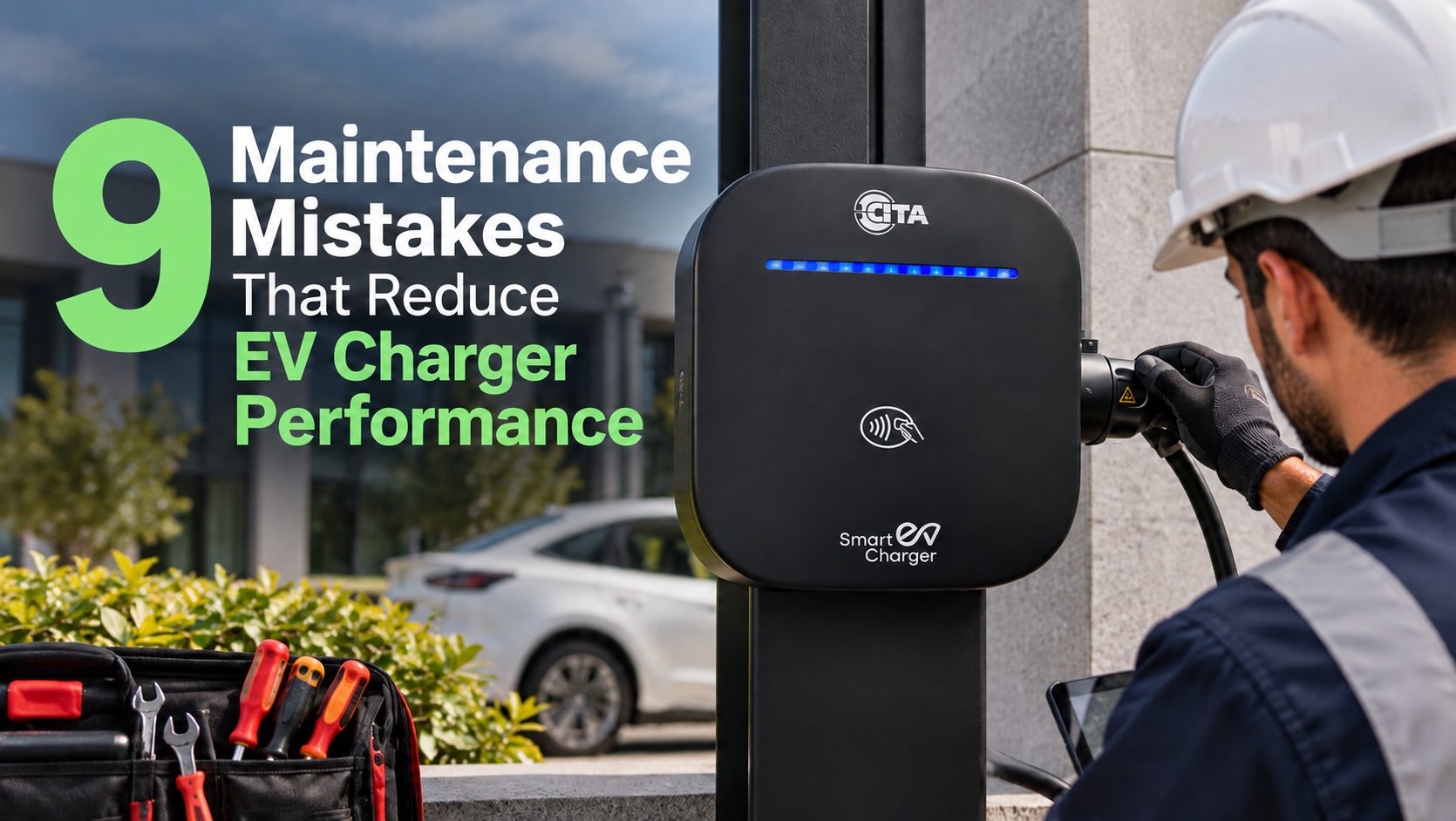
EV Charger Performance depends on much more than the quality of the equipment installed. Cables, connectors, cooling systems, communication networks, software and electrical components all need regular attention if a charger is expected to remain reliable over years of daily operation.
This is particularly important for UK public charging infrastructure. Under the Public Charge Point Regulations 2023, charge point operators must maintain an average 99% reliability across their public rapid charging network of 50kW and above over each calendar year.
For businesses, fleets and charge point operators, poor maintenance can translate into slower charging, failed sessions, unnecessary downtime and dissatisfied drivers. Avoiding a few common maintenance mistakes can therefore make a significant difference to long-term charger reliability.
Which Maintenance Mistakes Can Affect EV Charger Performance?
EV chargers combine high-power electrical equipment with hardware, software and network connectivity. A problem in any one of these areas can affect the charging experience. Preventive maintenance should therefore look at the complete system rather than waiting for a charger to stop working.
1) Waiting for the Charger to Fail Before Servicing It
One of the biggest mistakes is treating maintenance as a response to failure.
A charger can show early signs of deterioration long before it becomes completely unavailable. Loose connections, worn components, abnormal temperatures, damaged seals or recurring communication errors may gradually affect EV Charger Performance.
A planned EV charger maintenance schedule allows technicians to inspect equipment periodically and identify developing problems earlier. Maintenance frequency should follow manufacturer recommendations while also considering charger utilisation, environment and site conditions.
For high-use public or fleet chargers, inspections may need to be more frequent than at lightly used locations.
2) Ignoring Charging Cables and Connectors
Charging cables and connectors experience some of the highest levels of physical handling.
Drivers may drop connectors, pull cables excessively, drive over them or return them incorrectly after use. Over time, connector pins, cable insulation, locking mechanisms and strain-relief components can deteriorate.
Operators should inspect cables for cracks, cuts, deformation and exposed internal material. Connectors should also be checked for contamination, physical damage and signs of excessive wear.
Poor connections can interrupt sessions and affect EV Charger Performance, making cable and connector inspection a basic but important part of EV charging equipment maintenance.
Damaged equipment should be taken out of service and assessed by a qualified technician.
3) Allowing Dirt and Debris to Build Up
Outdoor chargers operate in environments where dust, road dirt, leaves, moisture and other contaminants can accumulate around the equipment.
Ignoring routine cleaning can obstruct ventilation areas, make displays difficult to use and allow dirt to collect around connectors and other external components.
Cleaning should follow the charger manufacturer’s instructions. Operators should avoid aggressive chemicals or high-pressure cleaning methods unless specifically permitted for the equipment.
Regular exterior inspections also provide an opportunity to identify damaged enclosures, loose components, vandalism or water ingress before these develop into more serious EV charger reliability issues.
A clean charger is not simply about appearance; it makes physical problems easier to identify.
4) Neglecting Cooling and Ventilation Systems
Thermal management becomes particularly important with DC fast charger maintenance because high-power charging equipment generates significant heat.
Fans, filters, vents and other cooling components help maintain appropriate operating temperatures. If airflow becomes restricted or a cooling component develops a fault, the charger may reduce its power output to protect internal electronics.
That means a unit may remain operational while delivering a poorer charging experience.
Maintenance teams should check ventilation paths, filters and cooling-system condition according to manufacturer guidance. Repeated temperature warnings should be investigated rather than continually reset.
Effective thermal management supports consistent EV Charger Performance and can help protect sensitive power electronics from unnecessary thermal stress.
5) Overlooking Software and Firmware Updates
Not every maintenance problem requires replacing physical hardware.
Modern smart EV chargers depend heavily on software for vehicle communication, charging control, payment functions, remote management and backend connectivity. Outdated firmware can potentially create compatibility, stability or security issues.
Operators should maintain an organised update process rather than installing updates randomly or ignoring them completely.
Firmware should come from the charger manufacturer or an authorised source, and significant updates should be tested appropriately before widespread deployment.
Software-related failures matter in the UK regulatory context too. Government reliability guidance classifies errors that inhibit charger operation – including certain software and communications failures – as charger downtime.
Keeping the digital layer maintained is therefore just as important as inspecting the physical unit.
6) Ignoring Communication and Network Problems
A charger can have perfectly functional power electronics and still deliver a failed customer experience if its communication connection is unreliable.
Network connectivity can affect remote monitoring, payments, authentication, charger-status reporting and communication with the Charge Point Management System (CPMS).
Government research into UK public charging has previously identified communication between chargers and back-office systems as one cause of reliability problems.
Operators should monitor recurring connectivity failures, weak network signals, communication hardware and backend connection errors.
Remote monitoring can help identify these issues before they generate repeated driver complaints. Maintaining reliable communication is especially important across larger commercial EV charging infrastructure, where individual units may be managed centrally.
7) Failing to Monitor Charger Data and Recurring Faults
Modern chargers generate valuable operational information, but that data provides little benefit if nobody reviews it.
Repeated session failures, temperature alerts, connector errors or communication interruptions can reveal a developing issue even when the charger continues operating.
A CPMS can help operators monitor charger availability, charging sessions and faults remotely across multiple locations.
Instead of treating every fault as an isolated event, maintenance teams should look for patterns. If one charger repeatedly experiences the same error, simply resetting it may hide a deeper hardware, network or configuration problem.
Using operational data proactively can improve EV Charger Performance while helping maintenance teams prioritise attention where it is actually needed.
8) Skipping Electrical and Safety Inspections
The visible charger represents only part of the overall charging installation.
Cabling, protective devices, switchgear, earthing and electrical connections all contribute to reliable operation. Problems elsewhere in the electrical system can therefore affect charger availability even when the charging unit itself appears undamaged.
Periodic inspections should be completed by appropriately qualified professionals and follow applicable UK electrical requirements, manufacturer guidance and site maintenance procedures.
Technicians can check for issues such as abnormal heating, deterioration, loose connections or damaged protection equipment.
For public EV charging stations and high-utilisation commercial sites, maintaining the supporting electrical infrastructure is fundamental to safe and dependable charging.
9) Keeping No Maintenance Records or Response Plan
Maintenance becomes difficult to manage when inspections, repairs and faults are not documented.
Operators should maintain records of scheduled servicing, reported faults, replaced components, software updates and charger downtime. This creates a useful maintenance history and can help identify recurring problems across particular chargers or sites.
Public charge point operators should pay particular attention to this area. UK regulations require operators to report annual reliability information for their rapid charging networks, including time spent in relevant charger statuses.
A clear fault-response process is equally important. Teams should know who receives alerts, who can diagnose problems remotely and when a technician needs to attend the site.
Strong EV charging station maintenance combines prevention with a clear response when faults occur.
Maintain Reliable Charging with CITA EV Charger
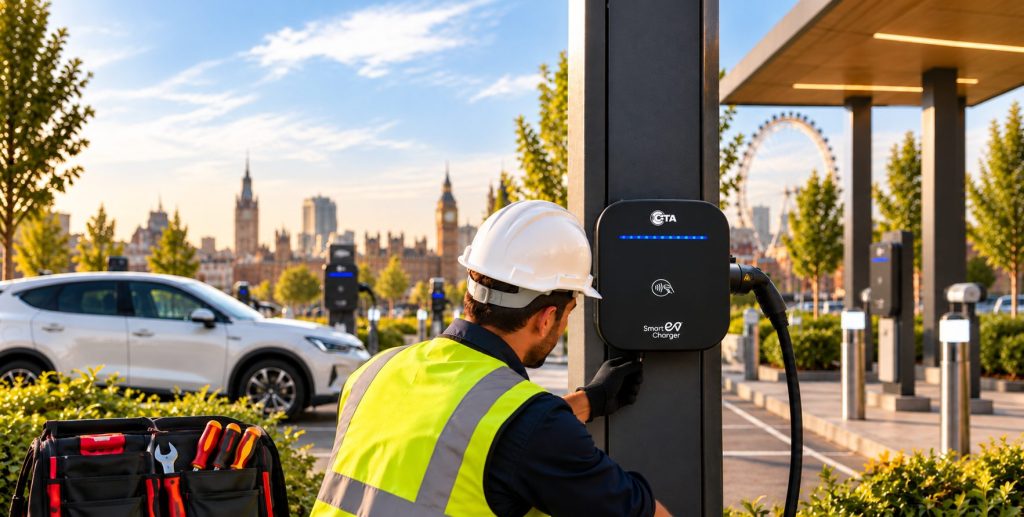
Strong EV Charger Performance starts with quality charging technology, but maintaining that performance requires regular inspection, monitoring and technical support throughout the charger’s operating life.
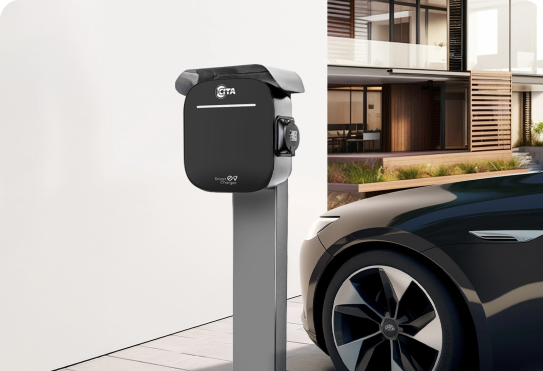
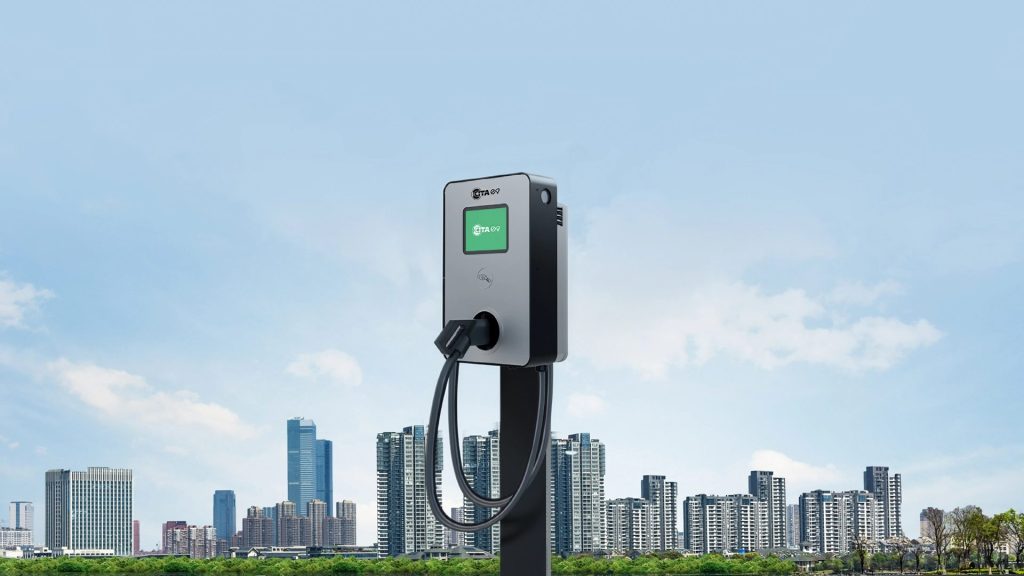
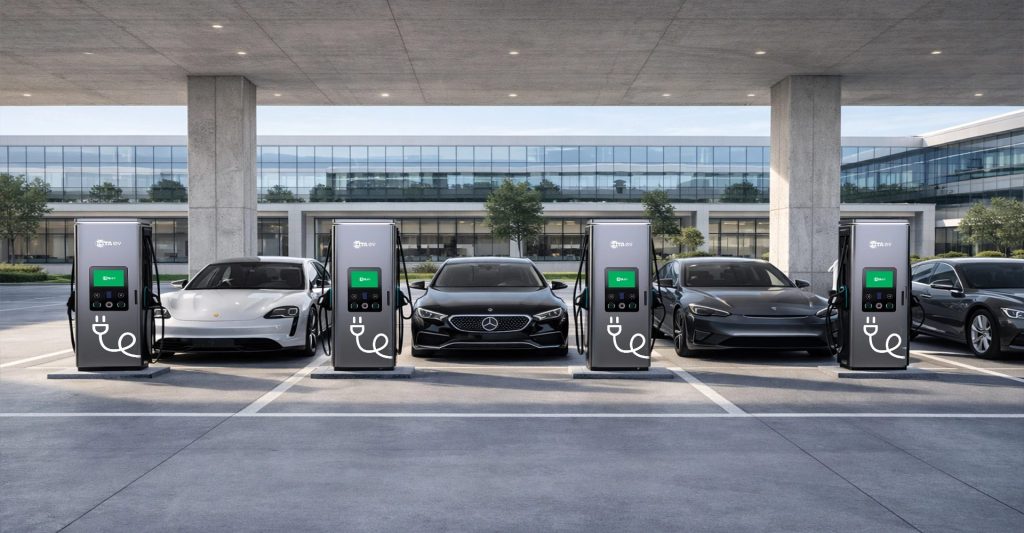
CITA EV Charger provides smart AC and DC charging solutions for homes, workplaces, fleets, commercial properties and public charging infrastructure. The portfolio includes 7kW, 11kW and 22kW AC chargers, 44kW Dual AC charging and DC fast chargers from 40kW up to 480kW.
Combined with the CITA EV App and CPMS, connected charger management can help operators monitor their infrastructure and respond more effectively when operational issues arise.
CITA’s AC chargers include a standard 3-year warranty, while DC chargers include a standard 2-year warranty, with options to extend coverage up to five years.
Looking to build or maintain dependable EV charging infrastructure?
Contact CITA EV Charger for a free consultation and discover smart AC and DC charging solutions backed by ongoing technical support.