 Skip to content


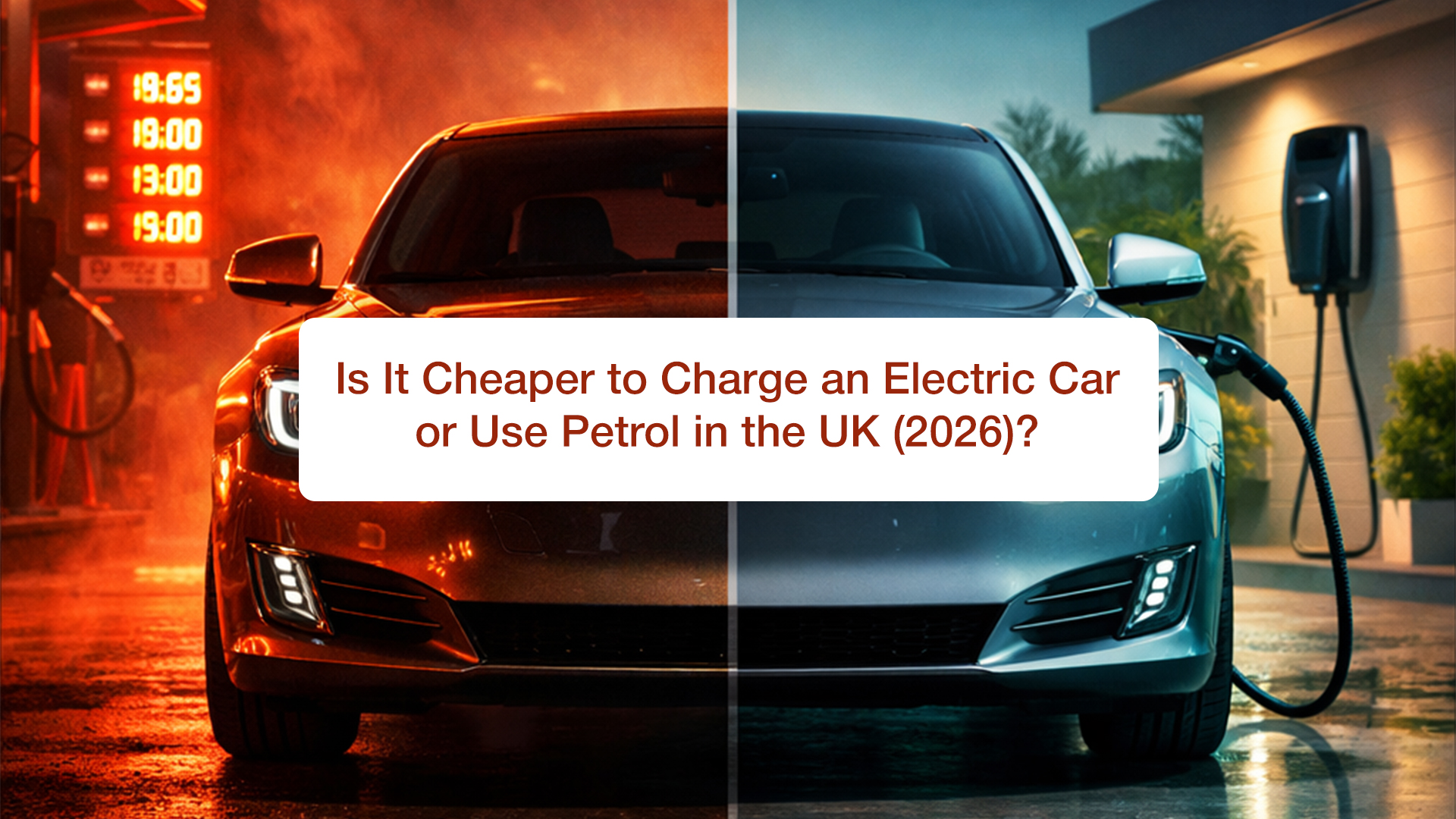
In 2026, choosing whether to charge an electric car or rely on petrol is no longer just about going green – it’s about making a smarter financial decision. With the UK accelerating toward its net-zero goals and EV adoption rising rapidly, recent industry data shows that EV drivers can save up to 50–70% on running costs compared to petrol vehicles – especially when charging efficiently.
But how true is this for everyday drivers? And does it hold up across all scenarios? Let’s explore a complete, real-world comparison.
Understanding the Real Cost to Charge an Electric Car in the UK

The cost to charge an electric car UK is not a fixed number – it depends on how, where, and when you charge. Unlike petrol, where prices are fairly uniform across stations, EV charging offers flexibility, which can significantly impact your expenses.
At the core, EV charging costs are influenced by:
- Electricity tariffs (standard vs off-peak)
- Charging location (home vs public)
- Battery capacity of your EV
- Charger type and speed
Why Home Charging is the Most Cost-Effective Option
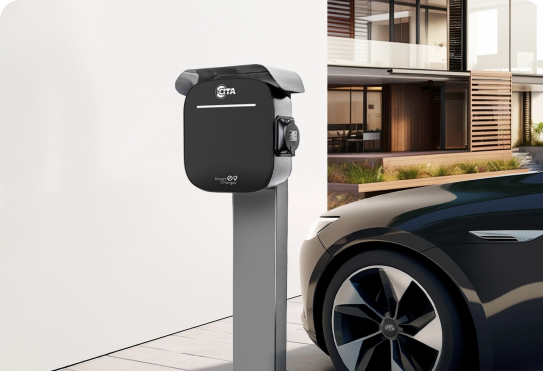
For most EV owners, home charging is the cheapest and most convenient way to power their vehicle. With a dedicated setup and the best EV charger for home UK, users can take advantage of:
- Lower residential electricity rates
- Off-peak tariffs (often during night hours)
- Controlled charging schedules
This makes home EV charging cost UK significantly lower than public alternatives, especially for daily commuting.
Petrol Costs in the UK: A Constant Financial Pressure

Petrol prices in the UK continue to fluctuate due to global oil markets, taxes, and supply chain factors. In 2026, average petrol prices range between £1.45 and £1.70 per litre, making fuel expenses one of the highest recurring costs for drivers.
Unlike EV charging, petrol offers no flexibility:
- You pay the same high rate regardless of time
- No off-peak benefits
- Frequent refuelling required
Over time, this creates a consistent financial burden, particularly for high-mileage drivers.
Electric Car vs Petrol Cost UK: A Practical Comparison
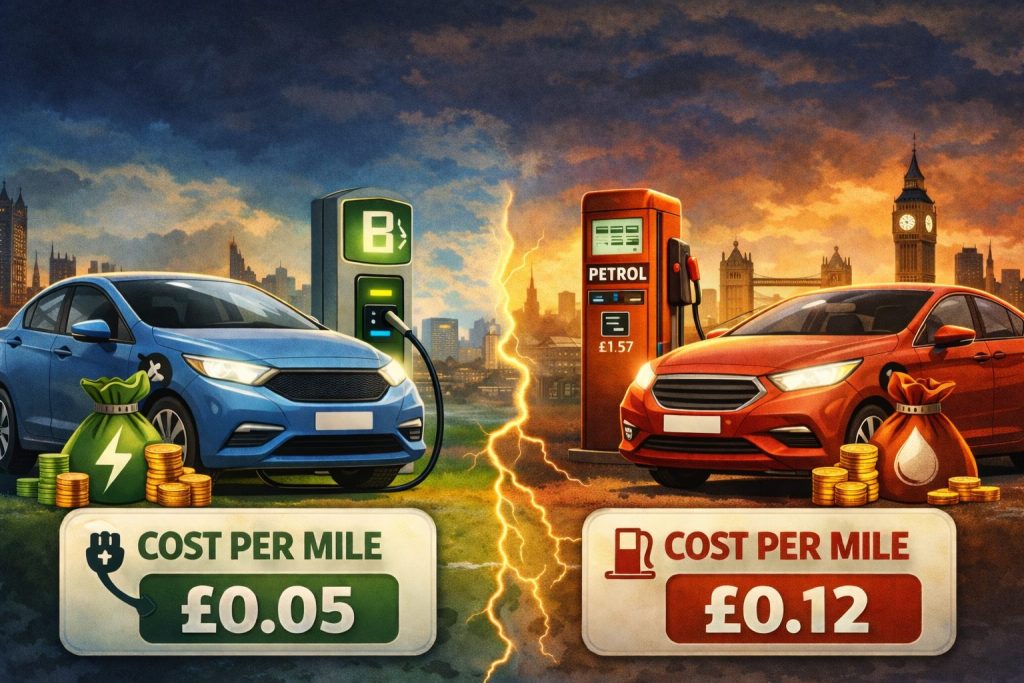
To understand the real difference, it’s best to compare monthly running costs and cost per mile – the metrics that truly impact your budget.
EV vs Petrol Cost Comparison (UK 2026)
| Expense Category | Electric Car (Home Charging) | Petrol Car |
|---|---|---|
| Cost per Mile | £0.04 – £0.08 | £0.15 – £0.25 |
| Monthly Driving (1,000 miles) | £40 – £80 | £150 – £250 |
| Full “Refuel” Cost | £10 – £20 | £60 – £100 |
| Maintenance Cost | Low | High |
| Long-Term Savings | High | Low |
This clearly shows that when you charge an electric car at home, the savings are substantial – often reducing your monthly fuel expenses by more than half.
Home vs Public Charging: What Really Impacts Your Bill
While EVs are generally cheaper, your actual savings depend heavily on your charging habits.
Home EV Charging Cost UK

Charging at home remains the most economical option. By using smart tariffs and efficient chargers, you can:
- Charge overnight at significantly reduced rates
- Avoid premium public charging fees
- Maintain consistent, predictable costs
Over time, this dramatically lowers your overall EV charging cost UK 2026.
Public EV Charging Cost UK
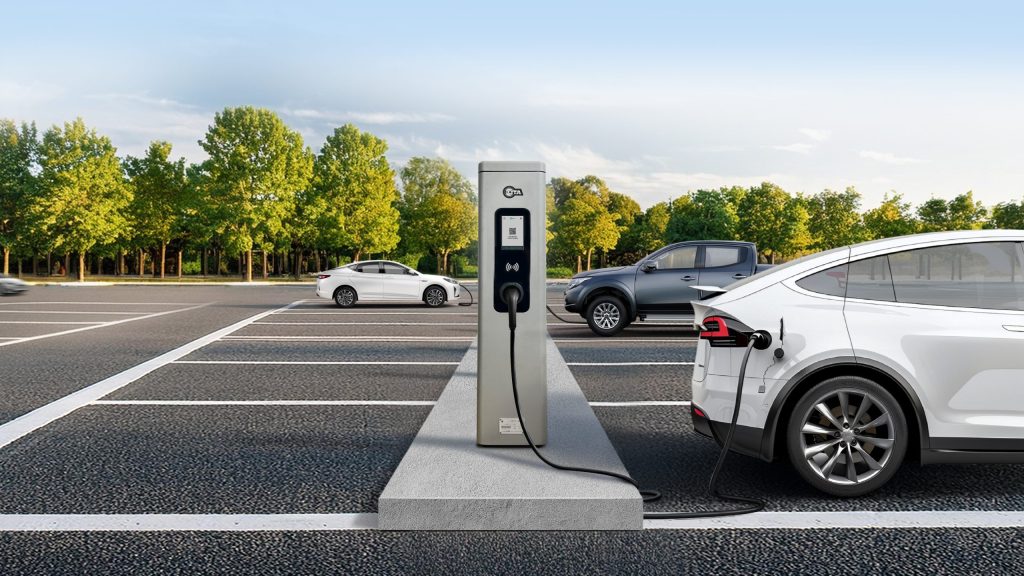
Public charging plays an important role, especially for long-distance travel or urban users without home setups. However, it comes at a premium.
Public chargers often include:
- Higher per kWh pricing
- Additional service or parking fees
- Faster charging speeds at higher costs
While convenient, relying heavily on public charging can reduce your overall savings compared to petrol – but still often remains competitive.
Electricity Cost for EV UK: Key Factors You Should Know

The electricity cost for EV UK varies based on multiple real-world conditions. Understanding these factors can help you optimise your charging strategy, reduce unnecessary expenses, and make EV ownership even more cost-effective.
1) Time-of-Use Tariffs
Electricity is significantly cheaper during off-peak hours, typically late at night or early morning. Many UK households now use time-of-use tariffs that offer reduced rates during low-demand periods.
By scheduling your charging during these hours – especially with smart EV charging solutions – you can cut your charging costs by up to 50% or more over time. This is one of the simplest and most effective ways to save money.
2) Energy Providers
Different energy providers in the UK offer varying electricity rates, and many now provide EV-specific tariffs tailored for electric vehicle users. These plans often include lower overnight rates or bundled energy deals designed for EV owners.
Choosing the right provider and tariff can make a noticeable difference in your monthly charging costs, especially if you regularly charge at home.
3) Battery Size
The size of your EV’s battery directly impacts how much it costs to fully charge your vehicle. Larger batteries require more electricity, which increases the total cost per charge.
However, they also offer a longer driving range, which can improve overall efficiency and reduce how often you need to charge. In many cases, the cost per mile remains competitive or even lower despite the higher upfront charging cost.
4) Charging Speed
Fast and rapid chargers provide convenience, especially during long journeys or when time is limited – but they come at a higher cost per kWh. Slower AC charging, typically used at home, is much more cost-efficient for daily use.
By balancing your usage – fast charging only when needed and relying on slower charging for routine use – you can better control your overall EV charging expenses.
5) Charging Location & Usage Habits
Where and how often you charge plays a major role in determining your overall electricity cost. Regular home charging is far more economical than relying heavily on public charging networks, which often include premium pricing.
Additionally, consistent charging habits – such as avoiding frequent partial rapid charges or unnecessary top-ups – can help maintain battery efficiency and reduce long-term energy costs.
EV Charging Infrastructure UK: Supporting the Shift
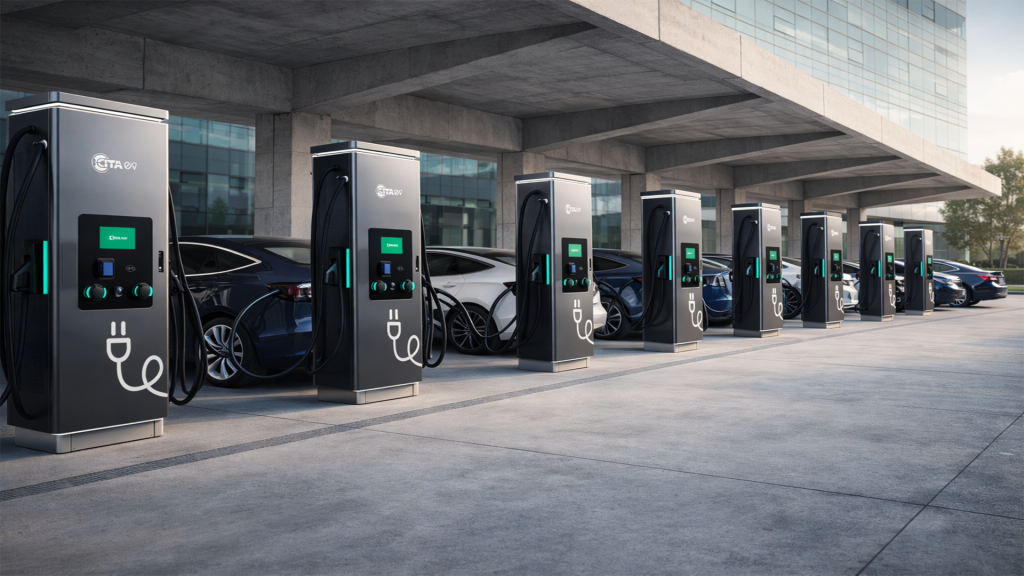
The UK has made significant progress in expanding its EV charging infrastructure. With over 60 % public charging points available and growing rapidly, accessibility is no longer a major concern.
This growth has:
- Made EV ownership more practical
- Reduced range anxiety
- Increased charging convenience across cities and highways
As infrastructure improves, the cost and ease of charging continue to favour EV users.
Long-Term Cost Advantage: EVs Clearly Win
Beyond just fuel or electricity costs, electric vehicles offer several long-term financial advantages that make them a smarter investment over time:
Lower Maintenance
- Electric vehicles eliminate the need for engine oil changes, which are a recurring expense in petrol cars.
- With significantly fewer moving parts compared to internal combustion engines, EVs experience less wear and tear over time.
- This results in reduced servicing requirements and lower overall maintenance costs throughout the vehicle’s lifespan.
Government Incentives & Policies
- The UK government continues to support EV adoption through incentives, infrastructure development, and favourable policies.
- Ongoing investment in EV charging infrastructure makes charging more accessible and convenient for users nationwide.
- Future restrictions and phase-outs of petrol and diesel vehicles are expected to further increase the cost of ownership for traditional cars, making EVs a more future-ready choice.
When combined, these factors make EVs not only more economical in the long run but also a practical and forward-looking solution for modern drivers.
Final Verdict: Is It Cheaper to Charge an Electric Car in the UK (2026)?
Yes – in most real-world scenarios, it is significantly cheaper to charge an electric car than to use petrol.
The biggest savings come when:
- You charge at home
- You use off-peak tariffs
- You adopt smart charging solutions
Even with higher public charging costs, EVs still outperform petrol vehicles in overall affordability.
Power Smarter with CITA EV Charger

If you want to maximise savings and efficiency, choosing the right charger is just as important as choosing the right vehicle.
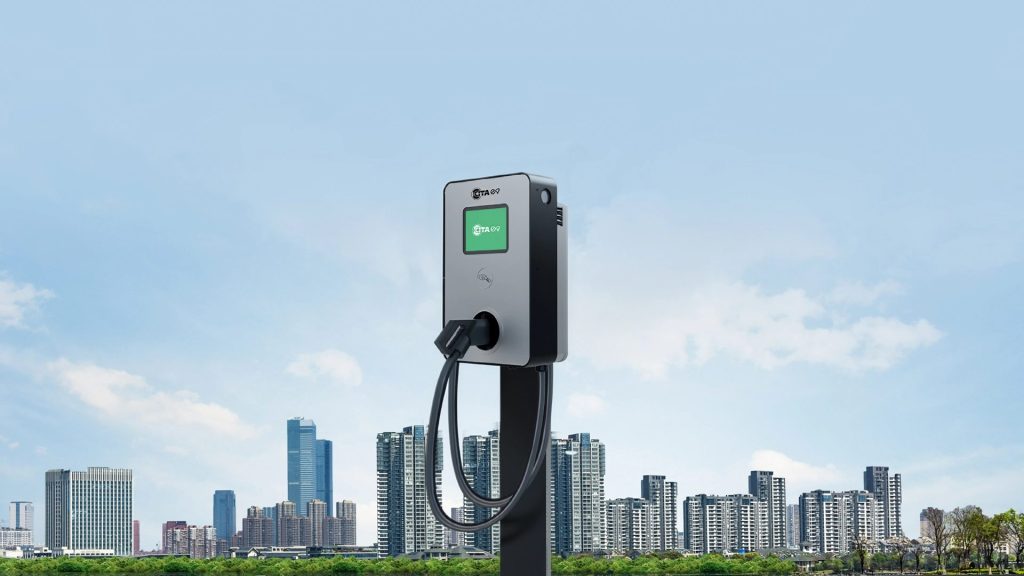
CITA EV Charger delivers:
- Advanced smart EV charging solutions
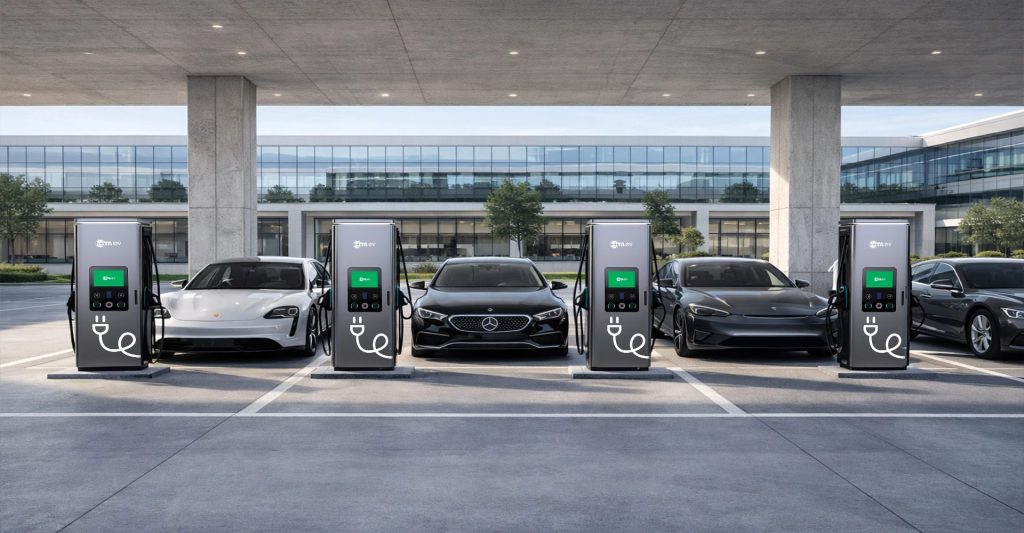
- Reliable AC & DC chargers for homes and businesses
- Intelligent energy management features
- Scalable solutions built for the UK market
Whether you’re looking for the best EV charger for home UK or planning a commercial EV setup, CITA helps you reduce costs while staying future-ready.
Switch to smarter charging with CITA – and make every charge count.