 Skip to content


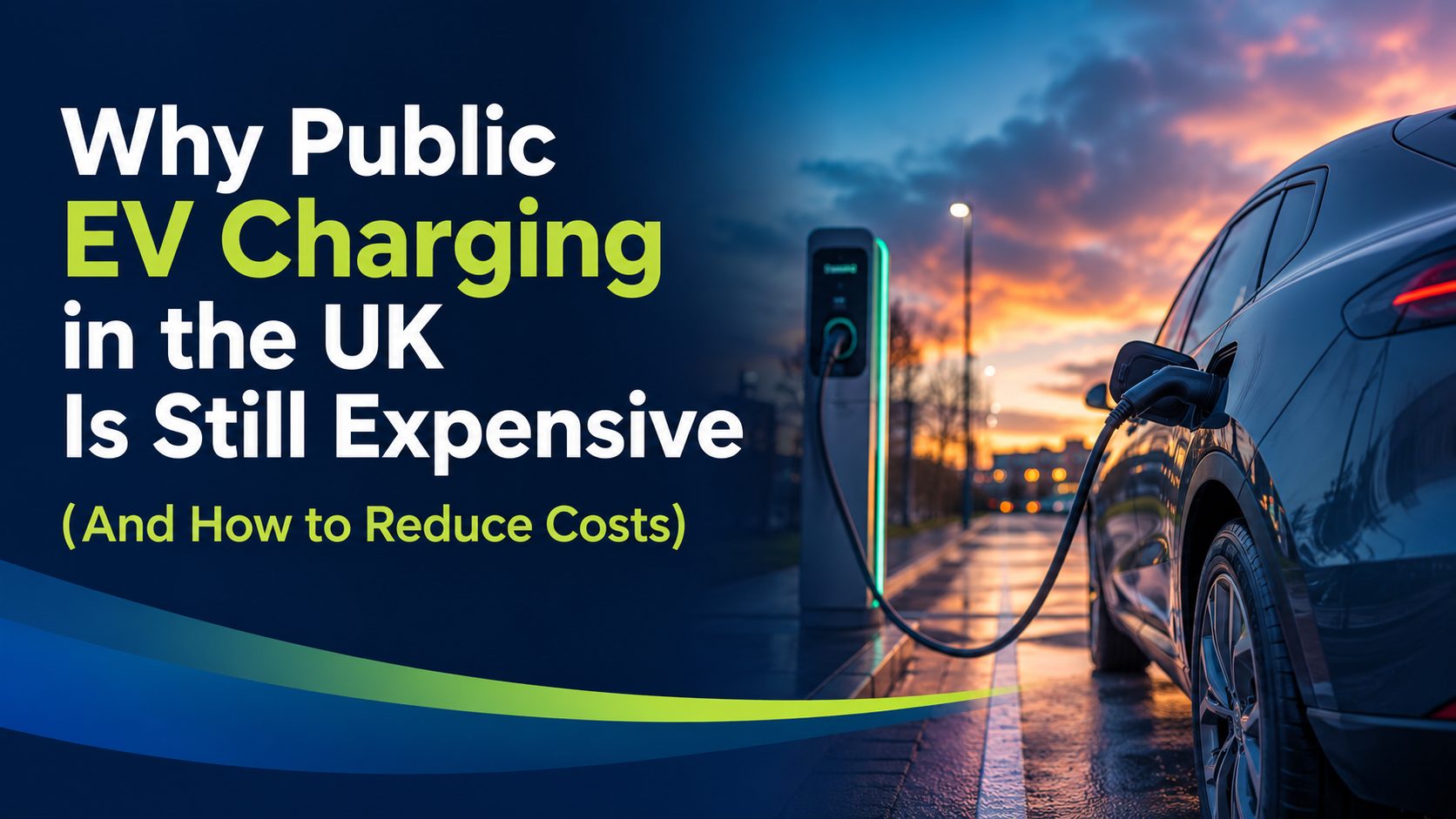
Public EV Charging in the UK has grown rapidly over the past few years – but so have the costs. While electric vehicles are often promoted as a cost-saving alternative to petrol and diesel, many drivers are now questioning the EV charging cost UK, especially when relying on public networks.
According to recent industry insights, the UK now has 1,00,000+ public charging points, yet the cost of public EV charging in the UK – particularly at rapid and ultra-fast stations – can sometimes rival or even exceed petrol costs per mile. Rising UK EV electricity prices, infrastructure investments, and operational expenses all contribute to this shift.
So why is public charging still expensive, and more importantly, how can businesses and EV users reduce EV charging costs in the UK? Let’s break it down.
Understanding the Cost Gap: Public Charging vs Home Charging
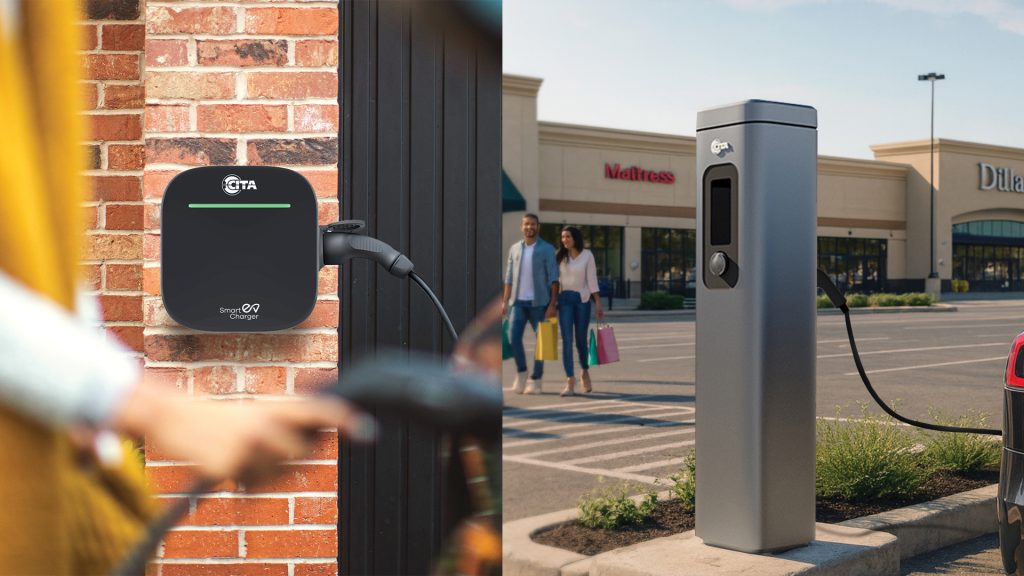
One of the biggest concerns for EV drivers is the difference between public charging and home charging.
Charging at home is typically much cheaper because users benefit from lower residential electricity tariffs and off-peak rates.
Public charging, on the other hand, includes multiple additional cost layers – equipment, installation, maintenance, software, and profit margins. This is why EV charging pricing in public networks is significantly higher, especially for fast and ultra-fast chargers.
Why Public EV Charging is Expensive in the UK
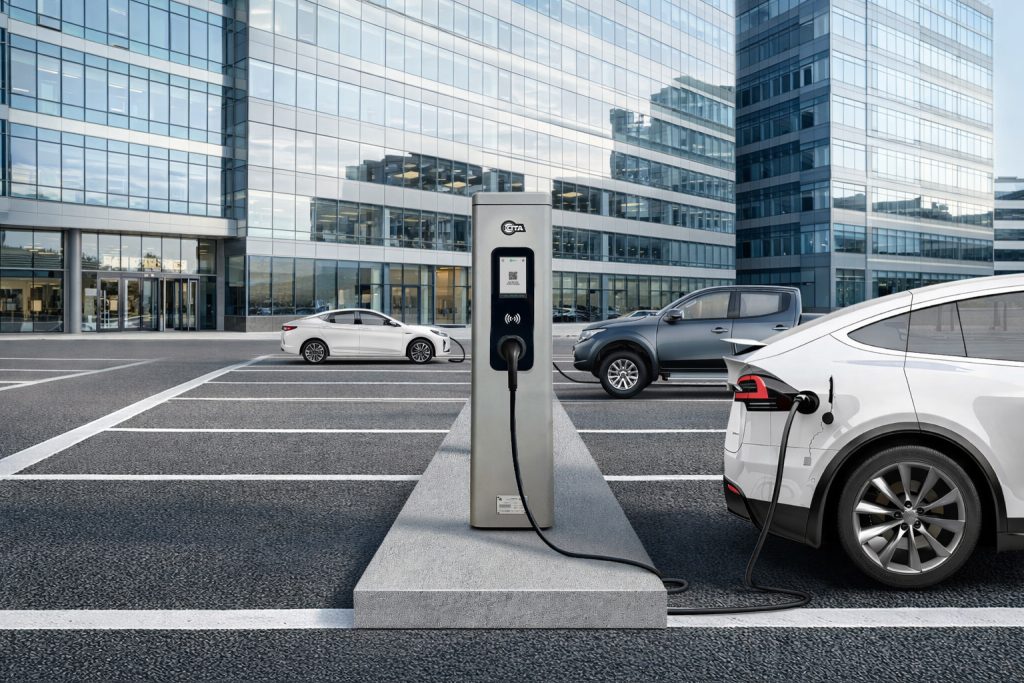
Before breaking down the specific cost factors, it’s important to understand that public charging prices are shaped by a combination of infrastructure, energy, and operational dynamics.
Unlike home charging, public networks must recover significant investments while ensuring reliability, accessibility, and scalability across the EV charging infrastructure in the UK. These layered costs are what ultimately influence the EV charging cost UK and explain why EV charging is expensive in the UK.
1) High Infrastructure Investment
Setting up EV charging infrastructure in the UK requires significant upfront investment. From land acquisition and grid upgrades to installing DC fast chargers, the capital cost is high. These expenses are reflected in the cost of public EV charging in the UK, especially at high-power stations.
2) Expensive Grid Connection and Energy Costs
One of the biggest contributors to why EV charging is expensive in the UK is the cost of electricity and grid connection. Commercial electricity rates are higher than residential ones, and high-power chargers often require costly upgrades. Rising UK EV electricity prices directly impact public charging tariffs.
3) Rapid and Ultra-Fast Charging Premium
4) Maintenance and Operational Costs
Running a public charging network involves ongoing costs – regular maintenance, software updates, customer support, and payment systems. Reliable uptime is critical, so operators invest heavily in service quality. These operational costs are included in overall EV charging pricing.
5) VAT and Tax Differences
In the UK, home electricity is taxed at 5% VAT, while public charging is subject to 20% VAT. This significant difference alone increases the EV charging cost UK for public users, making it one of the key reasons behind higher tariffs.
6) Network and Payment System Costs
Public EV chargers rely on digital ecosystems – apps, RFID systems, and backend software. These systems ensure smooth operations but also add to the cost. Flexible EV charging tariffs in the UK – like pay-as-you-go or subscription models – are influenced by these backend expenses.
Cost Comparison: Charging Options in the UK
| Charging Type | Typical Cost per kWh | Best Use Case |
|---|---|---|
| Home Charging | £0.10 – £0.30 | Overnight, regular daily charging |
| Public AC Charging | £0.30 – £0.60 | Workplaces, shopping centres |
| Rapid DC Charging | £0.60 – £0.85 | Public locations, quick top-ups |
| Ultra-Fast DC Charging | £0.80 – £1.00+ | Highways, long-distance travel |
Note: Prices vary based on location, provider, and energy costs.
How to Reduce EV Charging Costs in the UK

While Public EV Charging in the UK can be expensive, there are proven, research-backed ways for both drivers and businesses to optimise spending. The key lies in combining smart charging behaviour, tariff awareness, and technology adoption to reduce overall EV charging cost UK without compromising convenience.
1) Prioritise Smart Home, Workplace, and Destination Charging
The most effective way to reduce EV charging costs in UK is to rely less on high-cost public rapid chargers. Home and workplace charging typically benefit from lower electricity rates and off-peak tariffs.
Many UK drivers using overnight tariffs (like smart EV plans) pay significantly less per kWh compared to public networks. For businesses, installing destination EV chargers encourages longer dwell-time charging at lower cost, reducing reliance on expensive public EV charging in the UK.
2) Optimise Charging Around Time-of-Use Tariffs
Electricity pricing in the UK varies by time of day, and aligning charging with off-peak hours can lead to substantial savings. Many energy providers offer EV-specific tariffs where overnight rates are considerably cheaper.
Smart chargers and apps can automate charging schedules to take advantage of these windows. This approach directly reduces exposure to high UK EV electricity prices and helps users avoid peak-time EV charging tariffs in the UK.
3) Limit Use of Rapid and Ultra-Fast Charging
While convenient, the fast EV charging cost is significantly higher due to infrastructure and energy demand. Studies show that frequent reliance on rapid chargers can increase overall running costs by 30–50%.
Instead, reserve fast charging for long-distance travel or emergencies, and use AC or lower-cost public chargers for routine needs. This simple shift can drastically reduce the cost of public EV charging in the UK over time.
4) Use Network Memberships and Compare Pricing Platforms
Not all public EV chargers are priced equally. Different networks apply different EV charging pricing structures, and costs can vary widely by location. Subscribing to charging networks or using aggregator apps helps users access discounted rates and compare nearby tariffs in real time.
Choosing the most cost-efficient station instead of the nearest one is a practical way to manage EV charging cost UK more effectively.
5) Deploy Smart Energy Management and Renewable Integration (For Businesses)
For operators and fleet owners, investing in smart EV charging solutions is one of the most impactful cost-reduction strategies. Load balancing, demand response, and energy monitoring systems help optimise electricity usage and avoid peak demand charges.
Additionally, integrating solar or renewable energy can offset grid dependency and stabilise long-term EV charging pricing. This approach not only reduces costs but also strengthens sustainability goals within the EV charging infrastructure in the UK.
Power Smarter, Charge Better with the Right Partner
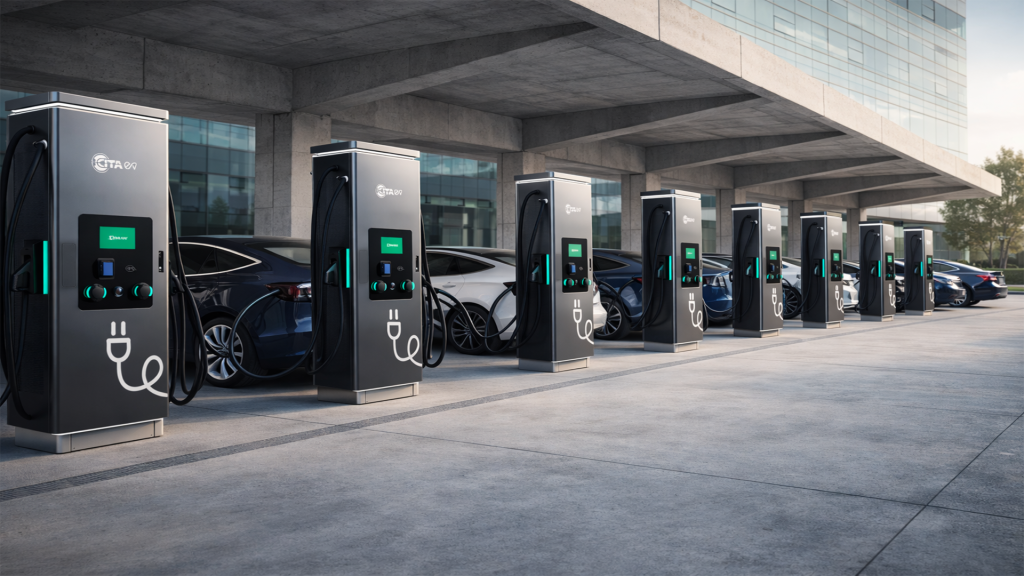
While public EV charging in the UK may seem expensive today, the right approach can help both users and businesses optimise costs and maximise value. Understanding pricing structures, choosing the right charging solutions, and adopting smart energy strategies are key to long-term savings.
At CITA EV Charger, we deliver advanced, reliable, and scalable commercial EV charging solutions designed to optimise performance and reduce operational costs. From smart AC chargers to ultra-fast DC systems, our technology is built for efficiency, durability, and future-ready infrastructure.
Looking to optimise your EV charging setup?
Connect with us today for a free consultation and discover how CITA can help you build smarter, cost-efficient EV charging solutions.