 Skip to content

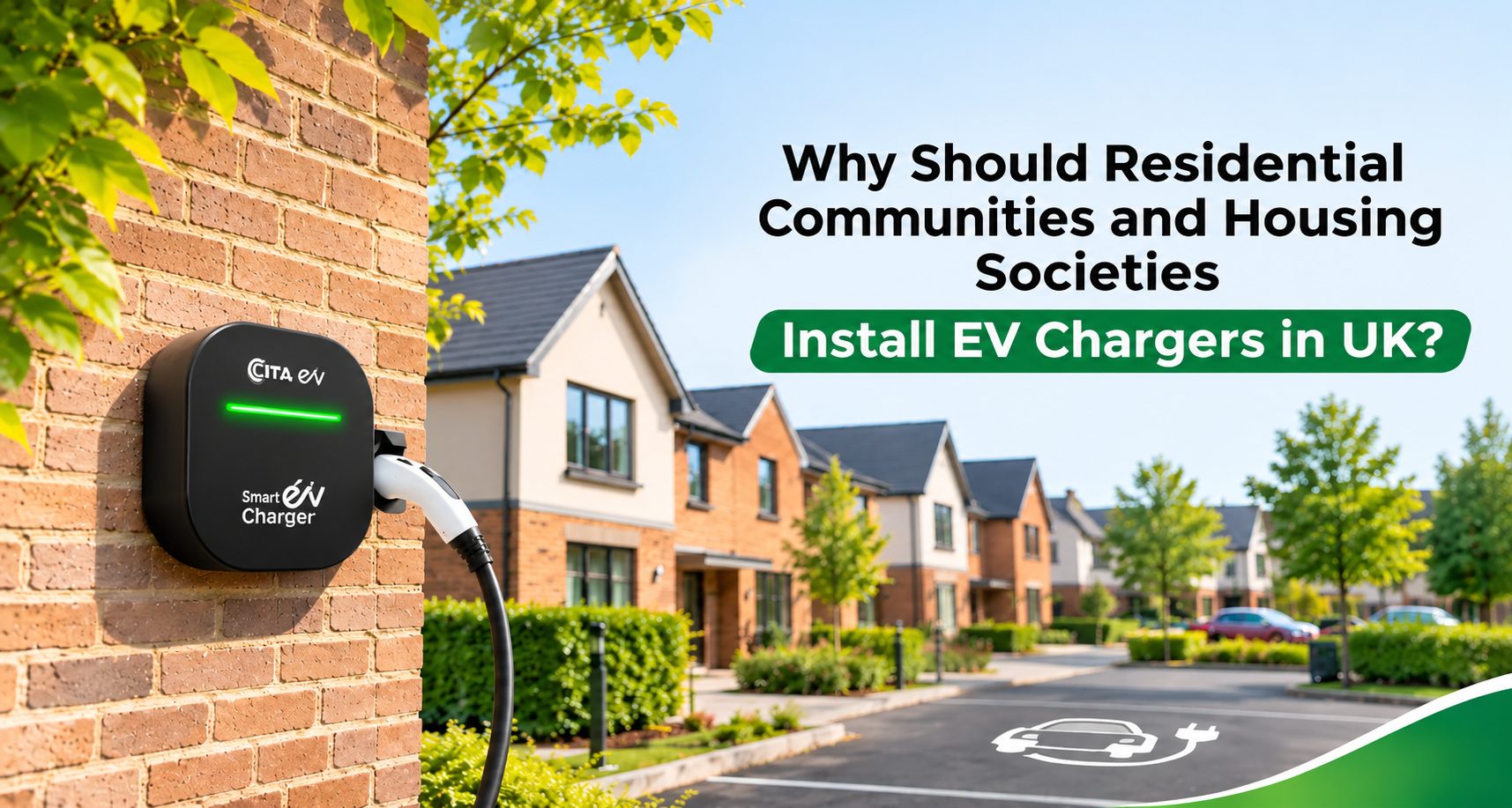
The decision to Install EV Chargers in UK residential communities is becoming increasingly important as more households switch to electric vehicles. From apartment complexes and housing associations to gated developments and managed residential properties, the demand for accessible charging infrastructure is growing.
According to the UK Department for Transport, there were over 121,000 public EV charging devices across the country as of July 2026. However, public charging infrastructure alone cannot address every driver’s daily charging requirements, particularly those living in flats or properties without dedicated driveways.
For residential communities, providing on-site charging can improve convenience, support sustainable transportation and help properties adapt to changing resident expectations.
Why Is EV Charging Becoming Important for Residential Communities in the UK?
Unlike petrol or diesel vehicles, electric cars can recharge while parked. This makes residential developments particularly suitable for EV charging, as vehicles often remain stationary overnight.
However, residents living in flats and apartment buildings may face challenges accessing charging equipment. Some properties have shared parking spaces, limited electrical capacity or no dedicated charging facilities.
As a result, drivers may depend on public charging stations, which can involve additional travel, waiting time and potentially higher electricity costs.
Installing residential EV charging stations UK can help address these challenges by providing charging access within the community itself.
For housing associations, property developers and residential management companies, charging infrastructure is also becoming an important part of long-term property planning.
8 Reasons Residential Communities Should Install EV Chargers in UK
With electric vehicle ownership increasing across the UK, residential developments need charging infrastructure that supports everyday convenience, affordability and long-term property requirements.
Here are eight important reasons why housing associations, apartment complexes and residential communities should invest in EV charging facilities.
1) Rising Electric Vehicle Ownership Across the UK
The UK’s electric vehicle market continues to expand. According to the Department for Transport, over 2 million zero-emission cars were licensed by June 2026, representing 34% annual growth.
As more households switch to electric vehicles, residential communities need accessible charging infrastructure to accommodate demand and support the transition towards electric mobility.
2) Address Charging Challenges for Residents Without Driveways
Many UK residents living in flats and apartment buildings lack private driveways or dedicated charging facilities. Installing communal EV chargers provides convenient access within shared parking areas, reducing reliance on public charging networks.
For housing associations, this helps make electric vehicle ownership more accessible to residents who cannot install individual home charging points.
3) Reduce Everyday EV Charging Costs for Residents
Home and residential electricity tariffs can be more affordable than public EV charging, particularly when residents have access to suitable off-peak rates. By providing shared charging facilities with transparent billing, residential communities can help EV owners manage their running costs.
Actual savings depend on electricity tariffs, operator fees and individual charging arrangements.
4) Improve Residential Property Appeal and Tenant Satisfaction
EV charging is becoming an increasingly useful amenity for modern residential properties. Developments offering accessible charging facilities may attract EV-owning tenants and prospective buyers while improving convenience for existing residents.
For housing associations and property managers, providing EV charging can help maintain property competitiveness and respond to changing expectations without guaranteeing higher rental or property values.
5) Support Safer Charging and Smarter Electricity Distribution
Professionally installed EV charging infrastructure helps residential developments manage electrical demand safely. Smart chargers equipped with dynamic load balancing, scheduling and monitoring features can distribute available electricity across multiple vehicles.
This helps prevent configured supply limits from being exceeded, supports efficient energy management and may reduce the need for costly electrical upgrades.
6) Benefit from UK Government EV Charging Grants
Eligible UK residential landlords and housing providers can access financial support through the Office for Zero Emission Vehicles (OZEV).
From April 2026, the residential landlord chargepoint grant offers up to £500 per socket, covering up to 75% of eligible installation costs. Such funding can reduce initial investment and encourage residential charging development.
7) Prepare Residential Properties for Future Charging Regulations
England’s Building Regulations Part S already establishes EV charging infrastructure requirements for certain new and renovated developments. In October 2026, the government also launched a consultation on extending requirements to covered car parks.
Planning charging infrastructure early can help developers anticipate changing requirements and avoid expensive retrofitting. Regulations vary across UK nations.
8) Create Long-Term Value Through Scalable Charging Infrastructure
Residential EV charging infrastructure can be introduced gradually as demand increases. By planning cable routes, electrical capacity and expandable charging systems, housing societies can accommodate additional vehicles without repeatedly redesigning parking facilities.
Partnering with charging operators may also support maintenance, billing and cost recovery, helping communities manage long-term investment and operational responsibilities.
Which EV Chargers Are Suitable for Residential Communities in the UK?
When planning to Install EV Chargers in UK, selecting the appropriate charging capacity is essential.
Residential properties generally benefit from AC chargers because vehicles remain parked for extended periods.
Actual charging speed depends on the vehicle’s onboard charging capacity and the site’s electrical supply. Most UK homes use single-phase electricity, so higher-powered AC chargers are not automatically suitable for every property.
For many developments, 7 kW AC charging provides a practical starting point. Larger communities may consider multiple chargers with load balancing and centralised management.
What Should Housing Societies Consider Before EV Charger Installation?
Before installing charging equipment, residential management companies should assess the property’s existing infrastructure and future charging needs.
Important considerations include:
- Electrical Capacity: Assess the available supply and determine whether upgrades or load management are required.
- Parking Arrangements: Identify dedicated bays, shared spaces, cable routes and accessible charging locations.
- Safety and Compliance: Check relevant UK electrical standards, product conformity requirements and installation regulations.
- Smart Charging Features: Consider access control, usage monitoring, charging schedules and individual billing.
- Accessibility: Review appropriate accessibility guidance, including PAS 1899 where relevant.
- Warranty and Maintenance: Establish responsibility for inspections, technical support, repairs and software updates.
A professional site assessment can help determine the most suitable charging arrangement for the development.
Are Government Grants Available for Residential EV Charging in the UK?
Government support may help eligible property owners and residential organisations reduce the cost of installing EV charging infrastructure.
The UK’s Office for Zero Emission Vehicles (OZEV) administers grant schemes supporting certain residential charging installations.
Relevant schemes include support for qualifying landlords, flat owners, renters and residential properties with shared parking facilities.
For example, the EV Chargepoint Grant for landlords can support eligible installations, while the EV Infrastructure Grant for residential car parks can contribute towards wider infrastructure work.
Grant eligibility, funding limits and application deadlines vary by scheme and may change.
Housing associations and property managers should check the latest requirements through GOV.UK’s EV charging grant guidance before committing to an installation.
How Can Residential Communities Plan EV Charging Infrastructure?
A structured installation plan can help communities introduce charging facilities without unnecessary complexity.
Step 1: Understand Resident Demand
Survey residents to identify existing EV ownership, expected future demand and preferred charging arrangements.
Step 2: Conduct an Electrical Assessment
Have a qualified professional review available electrical capacity, distribution systems and potential charger locations.
Step 3: Select Appropriate Charging Equipment
Choose suitable AC charging capacities, smart management features and load balancing capabilities.
Step 4: Establish Access and Billing Arrangements
Determine who can use the chargers, how charging sessions will be monitored and how electricity costs will be allocated.
Step 5: Plan for Future Expansion
Consider additional parking bays, electrical capacity and charging equipment requirements as EV ownership increases.
Following these steps can help communities introduce charging infrastructure that meets current demand while remaining adaptable.
Build EV-Ready Residential Communities with CITA EV Charger
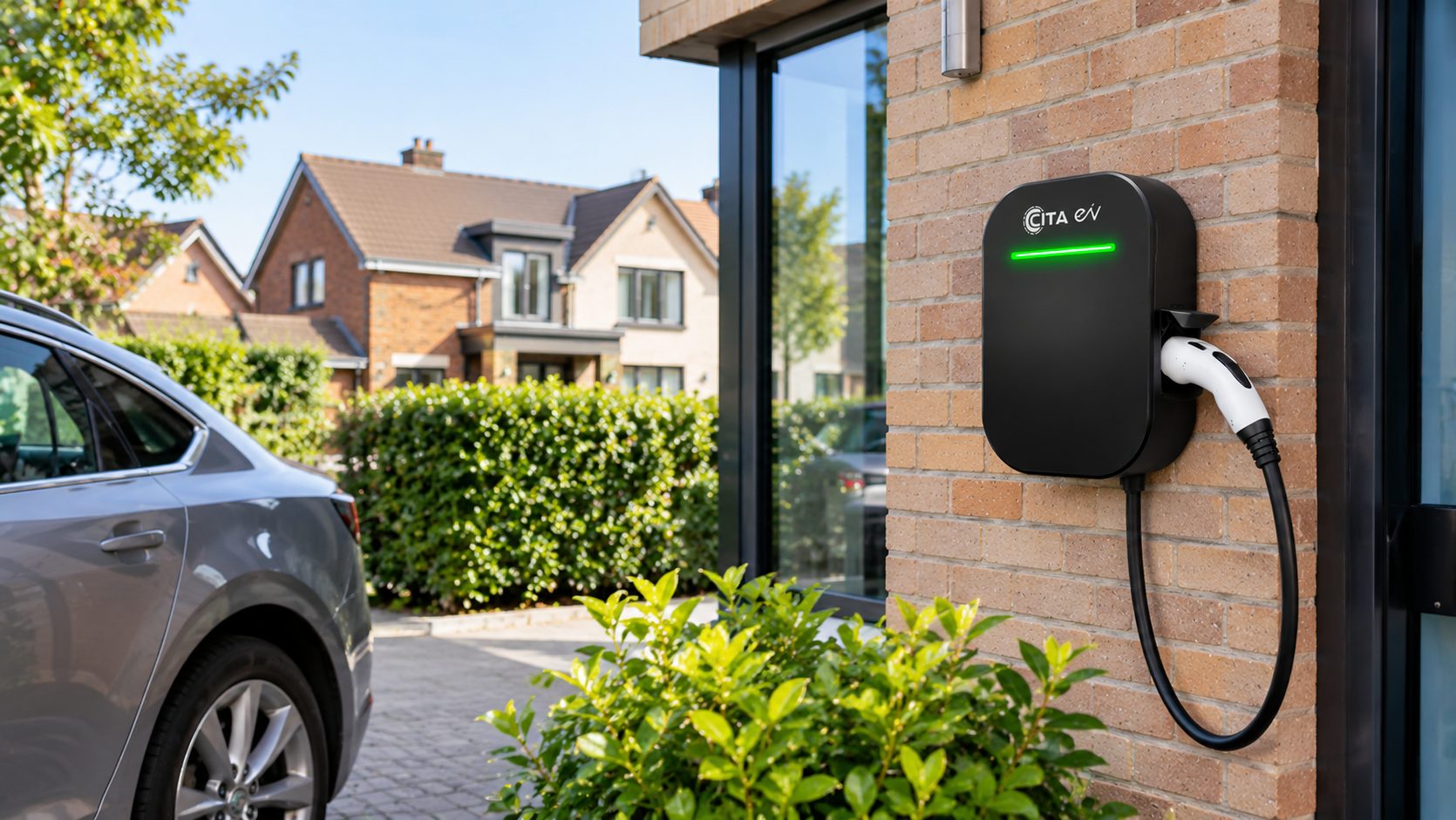
As electric vehicle adoption continues to expand, residential charging infrastructure is becoming an increasingly valuable consideration for housing associations, apartment complexes and managed communities.
Developments that Install EV Chargers in UK can provide convenient overnight charging, improve resident amenities, support smarter electricity management and prepare their properties for future transport needs.
Choosing the appropriate equipment is an important part of this process.
CITA EV Charger offers a range of AC and DC charging solutions, including 7 kW, 11 kW and 22 kW smart AC chargers, 44 kW dual-output charging stations and DC fast charging equipment for larger developments.
With selected features such as app connectivity, RFID access, charging schedules and load management, these solutions can support different residential charging requirements.
Planning EV charging infrastructure for your residential community in the UK?
Explore CITA EV Charger’s residential and commercial charging solutions and contact the team for a personalised consultation on suitable equipment and charging infrastructure.
Frequently Asked Questions
Yes. Apartment buildings and managed residential developments can install EV chargers, subject to electrical requirements, property permissions and relevant regulations. Shared charging systems with access control and individual billing can be useful for communal parking.
Every EV Charger in Albania engineered by CITA delivers consistent charging speeds, robust build quality, and long-term performance. As a Leading EV Charger Company in Albania, CITA ensures reliable, future-ready charging infrastructure for modern mobility needs.
Costs depend on the number of chargers, charging capacity, electrical upgrades, cable routes, groundwork and software requirements. A professional site assessment and itemised quotation are necessary to estimate the total installation cost.
For many residential developments, 7 kW smart AC chargers are practical for overnight charging. Larger communities may benefit from dual-output AC chargers, centralised monitoring and dynamic load balancing.
Yes, certain eligible landlords and residential property owners may qualify for OZEV charging grants. Eligibility depends on the scheme, property type, parking arrangements and current funding rules.
Yes. Suitable charging management systems can record individual sessions and support consumption-based billing. Property managers should ensure that the chosen billing arrangement complies with applicable electricity resale, metering and consumer requirements.