 Skip to content


Are you curious about the real cost to charge an electric car? Unlock the savings today by discovering how much it really costs to charge an electric vehicle!
Switching to an electric vehicle (EV) is a significant step towards a sustainable future, offering numerous benefits such as reduced carbon emissions, lower maintenance costs, and quieter operation. However, one of the most pressing questions for prospective EV owners is the cost to charge an electric car.
Understanding this cost is crucial for making informed decisions about adopting electric mobility. In this guide, we will explore the various factors that influence charging costs, compare them to traditional fuel expenses, and provide detailed insights into how much it really costs to charge and run an electric car.
How Much Does it Cost to Charge an Electric Car?

When considering the cost to charge an electric car, it’s important to look at various factors that contribute to the overall expense. These include the electricity rates, the efficiency of the vehicle, and where you choose to charge your car.
Here’s a detailed breakdown:
Electricity Rates:
- The cost of electricity varies by region and provider. In the U.S., the average cost is about 13 cents per kilowatt-hour (kWh). In the UK, it can range from 10 to 30 pence per kWh.
- Charging at off-peak times can significantly reduce costs due to lower rates offered by many utility companies.
Vehicle Efficiency:
- Electric vehicles have different energy consumption rates, typically measured in miles per kWh. More efficient models require less energy to travel the same distance.
- For example, a Tesla Model 3 might use around 0.25 kWh per mile, while a larger vehicle like the Audi e-tron could use closer to 0.3 kWh per mile.
Charging Location:
- Charging at home is usually the most cost-effective option, with costs averaging around $0.10 to $0.14 per kWh.
- Public charging stations can vary widely in cost. Some are free, while others can charge $0.20 to $0.30 per kWh or even more for fast charging.
- Workplace charging might be available at no cost or at a subsidized rate, providing additional savings.
Charging Equipment:
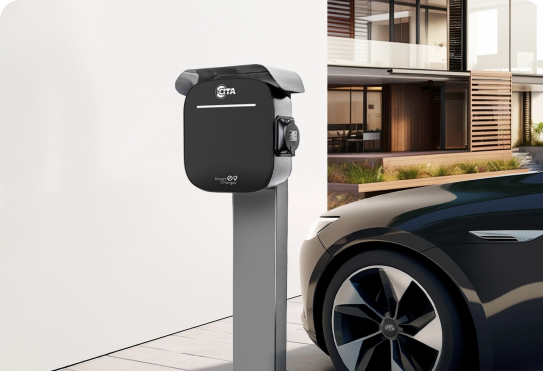
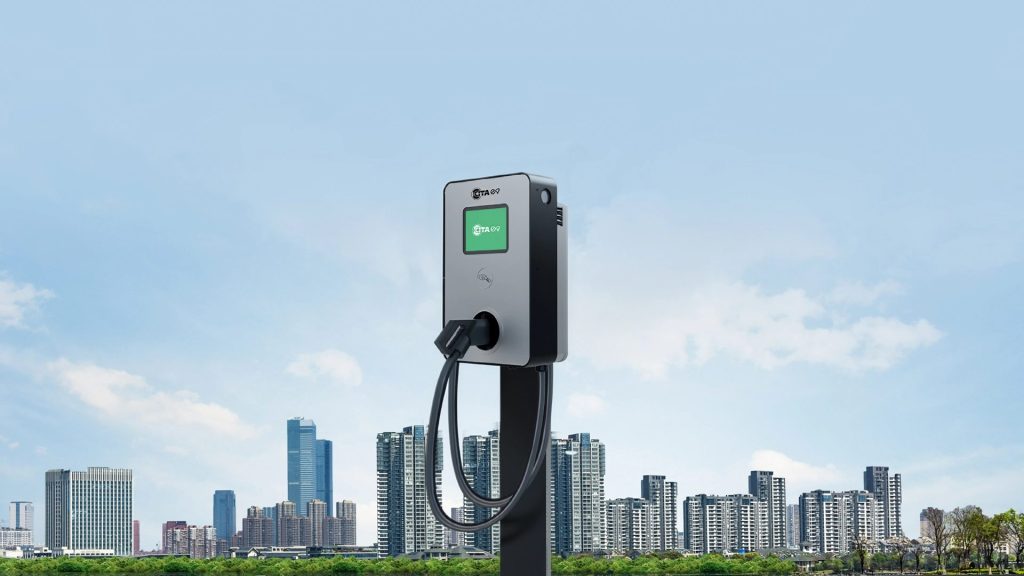
- Investing in a home charger (Level 2) can be an upfront expense of $500 to $1,200, but it provides faster charging and convenience.
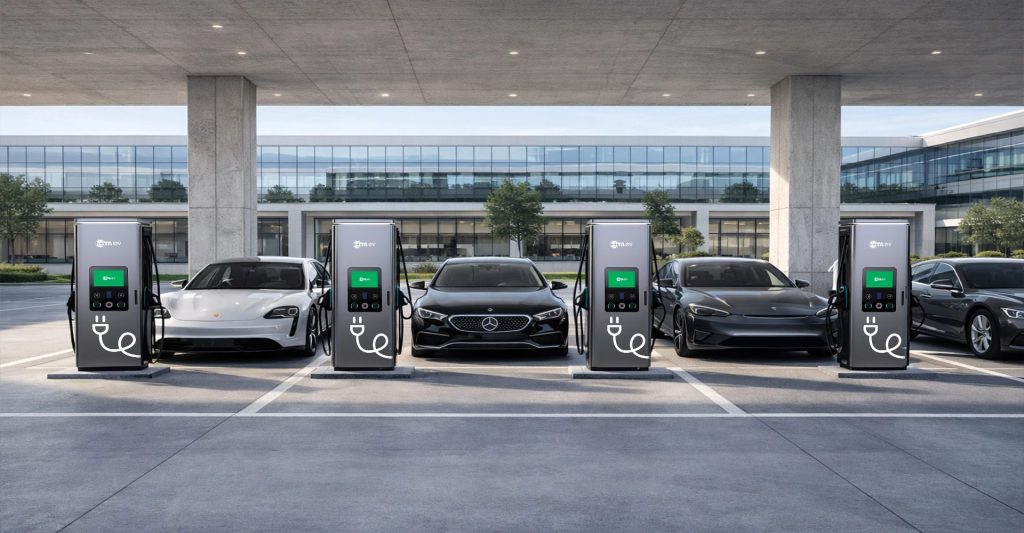
- Public fast chargers (Level 3) can fill up an EV in 30 minutes to an hour but often come with higher per kWh costs.
Example Calculation
To put it into perspective, let’s consider an electric vehicle with a 60 kWh battery pack, such as a Nissan Leaf. If you’re charging at home with an average electricity cost of $0.13 per kWh, a full charge would cost:
60kWh x 0.13$/kWh = 7.80$
This charge might give you approximately 200 miles of driving range, making the cost per mile: 7.80$/200 miles = 0.039$/mile
Running Costs
Besides charging, electric vehicles have lower running costs compared to petrol or diesel cars. Maintenance expenses are generally lower because EVs have fewer moving parts and don’t require oil changes. Additionally, many regions offer incentives and tax breaks for electric vehicle owners, further reducing the overall cost of ownership.
Overall, the cost to charge an electric car and run it is considerably lower than traditional fuel-powered vehicles, offering significant savings in the long run.
How much does it cost to charge your electric vehicle at home?

Charging your electric vehicle (EV) at home is typically the most cost-effective option compared to public charging stations or fast chargers. The cost to charge an EV at home depends on several factors, including your electricity tariff, the efficiency of your EV, and the size of your vehicle’s battery.
- Electricity Tariff: The cost of electricity can vary depending on your provider and tariff. On average, electricity in the UK costs around 14p per kilowatt-hour (kWh). However, some tariffs offer cheaper off-peak rates for EV charging, which can significantly reduce costs.
- Efficiency of Your EV: The efficiency of your EV determines how many miles you can travel per kWh of electricity. More efficient EVs can travel further on the same amount of charge, reducing the overall cost of charging.
- Battery Size: The size of your EV’s battery also affects the cost of charging. Larger batteries require more electricity to charge fully, so the cost will be higher compared to vehicles with smaller batteries.
- Average Cost: On average, it can cost between 2 to 5 pence per mile to charge an EV at home. For example, if your EV has a 60 kWh battery and you pay 14p per kWh for electricity, it would cost around £8.40 to £21 to fully charge your EV at home.
- Charging Speed: The charging speed also affects the cost. Faster chargers, such as those that support rapid charging, may cost more to use but can charge your EV much faster.
- Charging Equipment: The government offers grants to help with the cost of installing home charging points.
Overall, charging your EV at home is a cost-effective and convenient option, especially if you can take advantage of cheaper off-peak electricity tariffs. By charging your EV at home, you can save money compared to using public charging stations or fast chargers.
How much does it cost to charge your electric vehicle at public stations?

Charging your electric vehicle (EV) at public stations can vary in cost depending on the provider, location, and type of charger.
Here are some general guidelines:
- Charging Cost: Public charging stations typically charge by the kilowatt-hour (kWh) or by the minute. The cost per kWh can range from 20p to 40p, while the cost per minute can range from 20p to 50p.
- Rapid Charging: Rapid chargers, which provide a faster charge, tend to be more expensive. They can cost around 30p to 40p per kWh.
- Membership: Some charging networks require a membership fee or subscription, which can affect the overall cost of charging.
- Access Fees: Some charging stations may also have access fees or parking fees in addition to the cost of charging.
- Location: Charging stations in city centers or popular tourist destinations may be more expensive than those in less busy areas.
- Comparison: Charging at public stations is generally more expensive than charging at home. On average, it can cost around £6 to £10 to charge an EV at a public charging station, depending on the size of the battery and the charging speed.
- Government Grants: The UK government offers grants to help with the cost of installing and operating public charging points, which can help reduce costs for both providers and users.
Overall, the cost of charging your EV at public stations can vary widely depending on several factors. It’s a good idea to research different charging networks and their pricing structures to find the most cost-effective options for your needs.
How to calculate how much it costs to charge your electric vehicle
To calculate how much it costs to charge your electric vehicle (EV), you’ll need to consider the following factors:
- Electricity Rate: Determine the cost of electricity per kilowatt-hour (kWh) from your electricity bill or your electricity provider’s tariff.
- Battery Size: Find out the size of your EV’s battery in kilowatt-hours (kWh). This information is usually available in your vehicle’s manual or specifications.
- Charging Efficiency: Consider the charging efficiency of your EV. Not all the electricity drawn from the grid is stored in the battery due to losses during charging. EVs typically have an efficiency of around 80-90%.
Once you have these values, you can use the following formula to calculate the cost to charge your EV:
Cost = Electricity Rate (pence per kWh)×Battery Size (kWh)×Charging Efficiency
For example, let’s say your electricity rate is 14p per kWh, your EV’s battery size is 60 kWh, and the charging efficiency is 85%.
The calculation would be as follows:
Cost=14×60×0.85=714 pence or £7.14
So, it would cost approximately £7.14 to fully charge your EV.
Remember, this is just an estimate, and actual costs may vary based on factors such as the electricity tariff, charging speed, and battery condition.
Is charging an electric car cheaper than petrol or diesel?

Yes, charging an electric car is generally cheaper than refueling a petrol or diesel vehicle. The cost savings can vary depending on your electricity tariff and the efficiency of your electric vehicle (EV), but on average, it can be around 50-70% cheaper to run an electric car compared to a petrol or diesel vehicle.
- Electricity vs. Fuel Cost: Electricity is typically cheaper per mile than petrol or diesel. The exact savings depend on the cost of electricity in your area and the efficiency of your EV.
- Maintenance Cost: EVs generally have lower maintenance costs than internal combustion engine vehicles. They have fewer moving parts, which means less wear and tear and lower maintenance costs over time.
- Tax Incentives and Grants: Some governments offer tax incentives, grants, or subsidies for purchasing or using EVs, which can further reduce the overall cost of ownership.
- Charging at Home: Charging an EV at home is often cheaper than using public charging stations or fast chargers, further reducing the cost of ownership.
- Environmental Benefits: In addition to cost savings, EVs offer environmental benefits, such as lower greenhouse gas emissions and reduced air pollution, making them a more sustainable choice for transportation.
Overall, while the upfront cost of purchasing an EV may be higher than a petrol or diesel vehicle, the long-term cost savings, combined with the environmental benefits, make electric cars a compelling option for many drivers.
How much does it cost to drive 100 miles in an electric car?

The cost to drive 100 miles in an electric car depends on several factors, including the efficiency of the vehicle, the cost of electricity, and the charging method. On average, it can cost between £3 to £6 to drive 100 miles in an electric car.
- Electricity Cost: The cost of electricity varies depending on your electricity tariff and location. On average, electricity in the UK costs around 14p per kilowatt-hour (kWh).
- Vehicle Efficiency: The efficiency of your electric car, measured in miles per kWh, determines how much electricity is needed to drive 100 miles. More efficient EVs can travel further on the same amount of charge, reducing the overall cost.
Cost = (4 miles/kWh100 miles)×14 p/kWh=350 pence or £3.50
So, it would cost approximately £3.50 to drive 100 miles in an electric car. However, actual costs may vary based on factors such as the efficiency of your EV, the cost of electricity, and your driving habits.
Ready to make the switch to electric?
Take the first step towards a greener future by exploring the diverse range of electric vehicles and charging options with CITA EV.
Whether you’re looking for home charging solutions or fleet management, we’ve got you covered. Join the sustainable mobility movement and drive change towards a cleaner, greener tomorrow.
Visit our website today to learn more and make the switch to electric!