 Skip to content


How much will EV Charger Installation Cost in 2026 really be for UK homeowners, and what determines whether you pay £800 or well over £2,000?
With electric car adoption accelerating across the UK and home charging becoming an everyday necessity, understanding installation costs is no longer optional.
This guide breaks down charger prices, labour, installation complexity, grants, and cost-saving strategies – so you can make a confident, well-informed decision about installing the right electric car charger for your needs.
Key Insights
- EV charger installation cost in the UK in 2026 typically ranges from £800 to £2,000+.
- 7 kW chargers remain the most practical and cost-effective option for UK homes.
- Installation complexity and electrical upgrades often impact cost more than the charger price.
- Choosing certified EV chargers and OZEV-approved installers helps avoid hidden costs.
Why EV Charger Installation Costs Matter More Than Ever in 2026
Electric vehicle ownership in the UK continues to grow rapidly, and while public charging infrastructure has expanded significantly, home charging remains the most affordable and convenient option.
By 2026, installation costs reflect more than just hardware – they include electrical safety standards, smart charging requirements, and site-specific complexities.
If you’re installing electric vehicle chargers at home, knowing where costs come from helps avoid unexpected surprises.
EV Charger Installation Cost Overview in the UK (2026)

Before diving deeper, here’s a practical overview of the typical EV Charger Installation Cost in 2026, based on standard domestic assumptions.
Standard assumptions
- Single-phase domestic supply is commonly found in most UK residential properties.
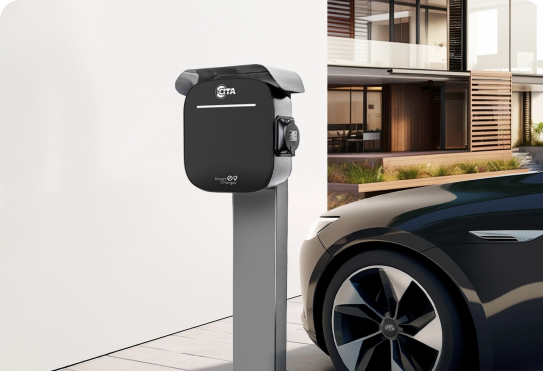
- Wall-mounted EV charger installed on an external wall or inside a garage.
- Up to 10 metres of cable run is included as part of a standard installation package.
- No consumer unit replacement required under normal electrical conditions.
- Installed by an OZEV-approved installer meeting UK compliance requirements.

Understanding EV Charger Installation Cost Components
Many people are surprised by how much quotes can vary for the “same” charger.
That’s because installation cost is made up of several moving parts, including charger type, electrical capacity, cable distance, site access, safety requirements, certification, and the level of smart functionality required for long-term use.
Understanding the Cost of EV Chargers in the UK
Hardware prices vary depending on power level, features, and certification.
1) 7 kW AC EV Chargers (Most Common)

- Typical hardware cost in the UK ranges between £450 and £800, depending on brand, design quality, and smart charging features.
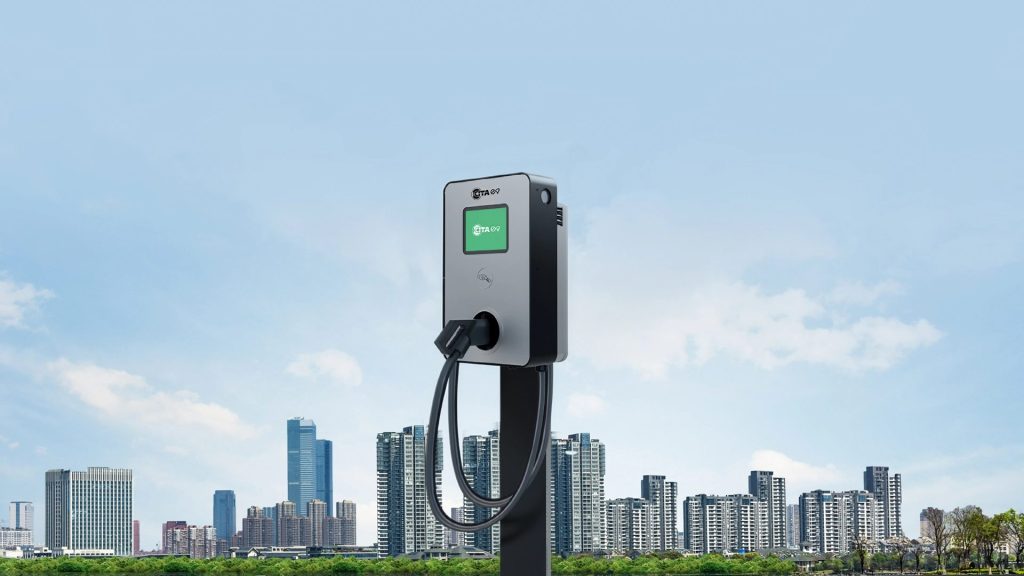
- Fully compatible with standard UK single-phase electricity supplies found in most residential homes and small commercial properties.
- Delivers approximately 25 to 30 miles of driving range per charging hour, suitable for daily commuting needs.
- Ideal for overnight charging, allowing most electric vehicles to reach full charge within typical off-peak tariff periods.
Certified AC chargers used across the UK market – including those offered by brands such as CITA EV Charger – are tested to UKCA and CE standards, ensuring safe, reliable daily charging.
2) 22 kW AC EV Chargers

- Hardware cost: £700–£1,200 depending on build quality, certification level, smart features, and compatibility with modern UK residential electrical standards.
- Requires three-phase electricity, which most UK homes do not have installed, making additional network approvals and electrical upgrades necessary.
- Rarely practical for residential homes because three-phase upgrades can add £2,000–£5,000+, outweighing the benefits for overnight charging needs.
3) 44 KW AC EV Charger

- Hardware cost: £2,500–£4,500 depending on dual-output design, build quality, certification standards, and smart charging features.
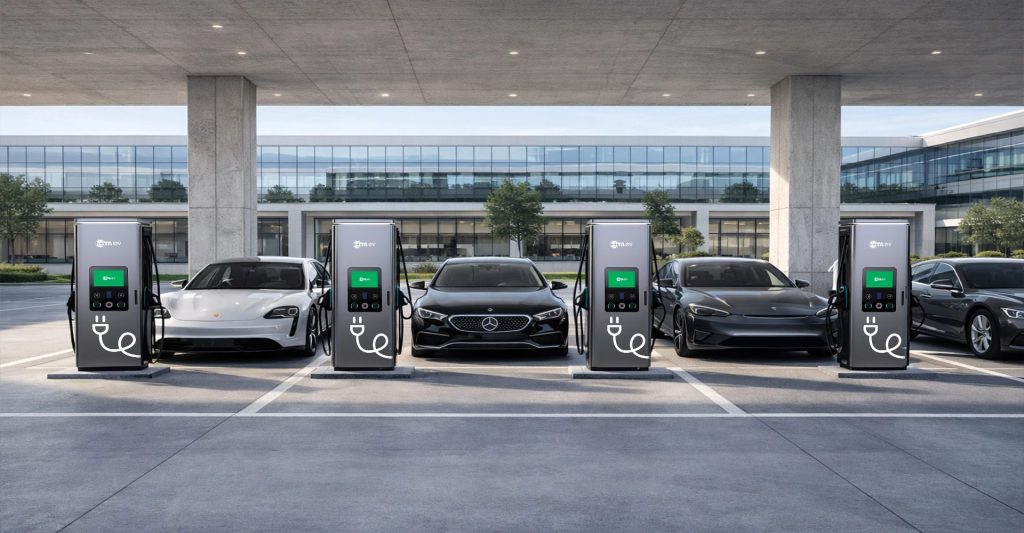
- Requires a high-capacity three-phase electrical supply, typically limited to commercial, gated communities or shared-use sites, with additional approvals and infrastructure upgrades often required.
- Not suitable for residential homes, as installation and network upgrade costs can exceed £5,000+, making it impractical for overnight or daily home charging needs.
What Labour and Standard Installation Typically Cost in the UK
Labour typically accounts for 30–50% of the total electric vehicle charger installation cost. This covers professional electrical work, safety checks, cable routing, and full testing to meet UK regulations.
Most standard home installations take 2–3 hours, depending on site layout and consumer unit access. Using certified, experienced installers ensures compliance, safety, and long-term reliability – making labour a crucial part of the overall installation cost.
Standard installation usually includes
- Wall mounting and fixings
- 2–3 hours of on-site work
- Up to 10m of surface-mounted cabling
- Connection to the consumer unit
- Electrical testing and certification
- Smart charger setup and basic app walkthrough
Typical labour costs
- £300–£500 for standard installations
- OZEV-approved specialists: £50–£80/hour
Using certified installers is essential – not only for safety, but also for insurance validity and grant eligibility.
We strongly recommend using an OZEV-approved installer for safety, insurance and grant eligibility.
What Can Increase EV Charger Installation Costs?

Two properties on the same street can have very different installation prices. This is because several site-specific factors directly affect the final cost.
1) Cable Distance – Standard installations usually include up to 10 metres of cabling. Additional cable length typically costs £10–£20 per metre, and longer routes may require thicker, more expensive cabling.
2) Groundworks – If cabling must run beneath paving, paths, or driveways, trenching and reinstatement may be required. These works typically add £200–£500, making groundworks one of the biggest cost variables.
3) Consumer Unit Upgrades – Older or fully occupied fuse boxes may need upgrading to support a dedicated EV circuit. Consumer unit replacements usually cost £300–£600 and improve overall electrical safety.
4) Electrical Supply & Three-Phase Upgrades – Three-phase electricity is required for 22 kW charging and can add £2,000–£5,000+ to installation costs. For most homes, a 7 kW charger remains more practical and cost-effective.
Are There Any Grants or Financial Support Available in 2026?

To help reduce upfront installation costs, several UK government-backed grants and support schemes remain available in 2026, depending on property type and eligibility.
- The original Electric Vehicle Homecharge Scheme (EVHS) has ended, but alternative support options are still available.
- EV Chargepoint Grant: Covers up to 75% of installation costs, capped at £350, for eligible renters and flat owners.
- Landlord & Infrastructure Grants: Offer higher funding support for multi-unit residential buildings and shared charging infrastructure.
- Workplace Charging Scheme: Helps businesses offset the cost of installing workplace EV chargers.
- Grant eligibility and funding criteria can change, so it’s advisable to check requirements early before proceeding.
What Post-Installation Costs Should Be Considered
Installing an EV charger is only part of the overall ownership cost. Once the EV charger is in place, a few ongoing expenses can influence how much you spend each month and year.
Understanding these helps you plan more accurately and maximise long-term savings.
1) Electricity Tariffs
Electricity is the primary ongoing cost. Smart EV chargers allow scheduled off-peak charging, helping drivers take advantage of lower EV tariffs and significantly reduce running costs compared to standard rates or public charging.
2) Maintenance
Most home EV chargers require minimal maintenance beyond basic visual checks. Some homeowners choose optional annual inspections, typically costing £50–£120, to ensure continued safety, performance, and warranty support.
3) Insurance
It’s advisable to inform your home insurer once an EV charger is installed. When professionally fitted and certified, most policies see little to no premium increase, as the charger is classed as a fixed home improvement.
Tips to Reduce EV Charger Installation Cost in 2026

EV charger installation cost in 2026 can vary widely, but informed planning can significantly reduce what you pay.
By making smart decisions around charger selection, placement, and installer choice, UK homeowners can lower upfront costs without compromising safety, compliance, or long-term charging performance.
1) Choose Power That Matches Real Driving Needs
For most UK households, a 7 kW AC charger is more than sufficient, comfortably charging an EV overnight using a standard single-phase supply. Upgrading to three-phase power purely for faster charging can add several thousand pounds, often without delivering meaningful day-to-day benefits.
2) Select Certified EV Chargers to Avoid Hidden Upgrade Costs
Using a certified EV charger designed for UK electrical standards can help avoid unexpected installation add-ons. EV Chargers from established manufacturers such as CITA EV Charger, which meet UKCA and CE requirements, are typically easier to integrate into existing domestic electrical systems.
3) Let Smart Charging Reduce Long-Term Energy Spend
Smart EV chargers may cost slightly more upfront, but they enable off-peak charging on EV-specific tariffs. Over time, reduced electricity rates can offset the initial price difference, making smart charging one of the most effective ways to lower total EV ownership costs.
4) Optimise Charger Location to Minimise Labour
Installing the EV charger as close as possible to the consumer unit helps reduce cable length, labour time, and complexity. Avoiding routes beneath driveways or pathways can prevent costly groundworks, which are among the largest contributors to installation overruns.
5) Compare Certified Installers, Not Just Prices
Always request multiple itemised quotes from OZEV-approved installers. Comparing cable allowances, consumer unit work, and warranty coverage helps identify real value rather than the lowest headline price while ensuring compliance and grant eligibility.
Finding a Quality EV Charger Installation Service in UK 2026

EV charger installation cost in 2026 can vary widely, but informed planning can significantly reduce what you pay.
By making smart decisions around charger selection, placement, and installer choice, UK homeowners can lower upfront costs without compromising safety, compliance, or long-term charging performance.
1) Government-Approved Installers You Can Trust
Installers with OZEV approval meet strict government criteria for EV charger installations. This approval is essential for grant eligibility and helps keep EV Charger Installation Cost in 2026 under control by avoiding compliance issues or rework.
2) Certified Electricians, Not Just Installers
3) Clear Pricing With No Hidden Surprises
A reputable EV charger installer will provide a transparent, itemised quote outlining equipment, labour, and any potential additional work. This clarity helps you compare quotes accurately and avoid unexpected charges later.
4) Warranties That Protect You Long After Installation
Always confirm warranty coverage for both the charger hardware and the installation workmanship. Clear warranty terms provide peace of mind and ensure prompt support if performance or safety issues arise after installation.
5) Ongoing Support and After-Installation Assistance
Quality installers don’t disappear after commissioning. Look for providers offering post-installation support, documentation, and guidance on charger operation, helping resolve issues quickly and ensuring long-term performance.
Make a Future-Ready EV Charging Choice in 2026 with the CITA EV Charger

Installing an EV charger in 2026 is not just about cost – it’s about planning for long-term convenience, safety, and efficiency. By understanding EV Charger Installation Cost in 2026, including installation variables, grants, and ongoing running expenses, UK homeowners can make well-informed decisions with fewer surprises.
Providers such as CITA EV Charger work with certified installation partners across the UK, offering compliant AC chargers supported by smart software and professional guidance.
If you’re planning an installation, now is the right time to assess your needs, compare options carefully, and move forward with confidence, knowing the true EV Charger Installation Cost in 2026 and how to optimise it for future-ready EV charging.
Note: All costs, specifications, performance figures, and installation requirements mentioned in this blog are indicative and may vary based on EV model, charger brand, site conditions, electrical infrastructure, and regional regulations. Actual pricing and technical requirements are subject to change and should be confirmed with the EV manufacturer, charger supplier, or a qualified installation professional before proceeding.