 Skip to content


Are you wondering how Home charging in 2026 will actually work for UK households and what it will cost in the long run? As electric vehicles continue to move into the mainstream, the UK is seeing a rapid shift toward residential charging as the primary way drivers power their cars.
Recent industry data shows that more than four out of five EV charging sessions in the UK already take place at home, a figure expected to rise further as energy tariffs evolve and public networks grow busier.
With changing regulations, smarter charging technology, and increasing demand for household power, home charging is no longer a simple plug-in decision – it’s becoming a key part of how UK drivers plan mobility for the years ahead.
Understanding Why Home Charging Matters More in 2026

Home charging in 2026 is no longer just about convenience – it is becoming the backbone of EV ownership in the UK. Industry data shows that over 80% of UK EV drivers rely primarily on home charging, driven by rising public charger demand and the need for predictable energy costs.
As battery capacities grow and energy policies shift, understanding residential charging requirements helps drivers stay ahead of both cost and compliance changes.
This section explores the key factors shaping home EV charging decisions for UK households.
The Real Cost of Home EV Charging in the UK

Before installing a home setup, drivers want clarity on costs. In 2026, EV charging expenses are influenced by energy tariffs, charger efficiency, and how intelligently charging is managed at home.
1) How Energy Tariffs Influence EV Charging Costs
Electricity pricing plays a major role in home EV charging costs. Many UK drivers are now using off-peak or smart tariffs that significantly reduce overnight charging expenses.
Compared to public charging, residential charging offers predictable pricing, helping households budget EV ownership more effectively as energy markets fluctuate.
2) Equipment Cost vs Long-Term Value
The upfront cost of a residential EV charger varies based on power output, smart features, and certification standards.
However, long-term value matters more than initial pricing. Efficient electric vehicle chargers reduce energy waste, support future updates, and deliver consistent performance – factors that lower ownership costs over time.
3) Installation Costs and What Affects Them
Installation costs depend on factors such as cable routing, distance from the consumer unit, and whether load management is required.
Most UK homes can support a home EV charger without major upgrades, especially when modern AC chargers are designed to work within existing electrical limits safely.
Typical Home Charging Cost Comparison (UK)

Home Charging Requirements UK Drivers Should Understand

Beyond cost, home charging in 2026 requires meeting specific technical and safety expectations designed to protect both users and the electricity grid.
1) Choosing the Right AC Charger for Home Use
An AC EV charger remains the most practical solution for residential charging. A 7 kW charger suits most daily driving patterns, while 22 kW options support faster charging for homes with higher electrical capacity.
Selecting the right power level ensures efficiency without unnecessary electrical upgrades. It also helps align charging speed with real-world driving habits rather than theoretical maximums.
For many households, this balance makes everyday charging predictable and stress-free.
2) Electrical Capacity and Load Management
Modern EV charging solutions increasingly rely on intelligent load balancing. This allows the charger to adjust power usage automatically, preventing overloads when other household appliances are running.
For UK drivers, this means safer charging without compromising daily electricity use. Load management also reduces strain on the home’s electrical system during peak demand periods.
As homes become more energy-aware, this feature plays a key role in long-term charging reliability.
3) Safety Standards and Certification
Installing a Certified EV Charger is essential in 2026. Certified chargers meet UK safety standards and are tested for long-term reliability.
Compliance ensures protection against electrical faults, environmental exposure, and evolving regulatory requirements, especially important for outdoor installations.
Certification also supports insurance coverage and installer accountability.
For homeowners, it provides reassurance that the charging setup is built for consistent, long-term use.
Installation Expectations for UK Homes in 2026

Home EV charging installation has become more streamlined, but understanding the process helps avoid surprises.
1) What the Installation Process Typically Involves
A professional installation begins with a site assessment, followed by mounting the charger, routing cabling, and testing system safety.
Many electric car charger installations are completed within a single day, especially when homes already meet electrical readiness standards.
Installers also verify earthing arrangements and compliance with UK electrical regulations before commissioning the charger. This ensures safe operation and long-term reliability from the very first use.
2) Indoor vs Outdoor Installation Considerations
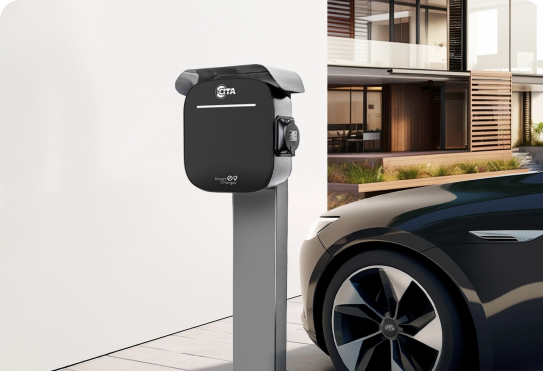
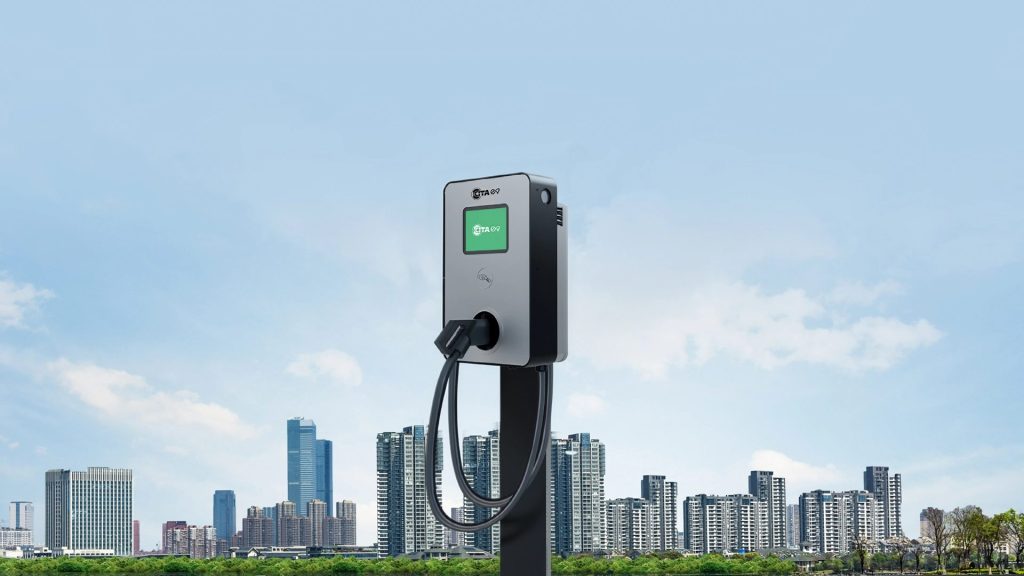
Most residential EV chargers are installed outdoors. Modern chargers are designed with weather protection in mind, using sealed enclosures that handle rain, dust, and temperature changes.
For UK conditions, durability is just as important as charging speed.
Outdoor installations are often preferred for convenience and space efficiency, particularly for homes without dedicated garages. Choosing weather-rated equipment helps maintain consistent performance throughout the year.
3) Why Installation Guidance Matters
Clear installation guidance ensures EV chargers are positioned safely, are accessible, and are future-ready. Well-planned installations reduce maintenance needs and help the charger operate reliably across changing seasons and energy demands.
Proper guidance also helps homeowners avoid common placement issues, such as cable strain or restricted access. Over time, thoughtful installation decisions contribute to a smoother and more dependable home charging experience.
What’s Quietly Changing About Home EV Charging in the UK

Home charging in 2026 is no longer defined only by cables and power output. Behind the scenes, software intelligence, safety standards, and policy alignment are shaping how smoothly EV charging fits into everyday life.
Understanding these changes helps UK homeowners recognise what really matters when setting up a future-ready home charging solution.
1) Charging Is Becoming Smarter, Not More Complicated
Smart EV charging is designed to work around daily routines rather than disrupt them. Features such as scheduled charging and adaptive power use allow vehicles to charge efficiently without constant manual input.
As energy tariffs become more time-sensitive, this intelligence is quickly becoming part of standard home charging expectations. For many households, smart charging also helps balance EV charging with other electrical usage at home.
2) Control Is Moving From Hardware to the App
Mobile apps now act as the control centre for home EV charging. From starting and stopping sessions to viewing usage patterns, software gives drivers visibility and confidence. Real-time insights help users understand when and how their vehicle is charging.
As the UK grid evolves, app-based charging also supports more efficient energy use without added effort.
3) Updates Are Replacing Hardware Upgrades
Instead of replacing equipment, many modern chargers rely on software updates to stay current. These updates support new features, maintain compatibility with changing standards, and improve performance over time.
This approach reduces long-term costs and extends the lifespan of home charging systems. For homeowners, it also means fewer disruptions as technology continues to advance.
4) Safety and Certification Are No Longer Optional
As EV charging becomes a permanent household fixture, certified equipment is essential. Chargers meeting UKCA and CE standards are built to operate safely in residential environments.
Certification also supports insurance requirements and reduces risks associated with long-term outdoor use. For UK homes, safety and compliance are now core considerations rather than optional extras.
5) Grants and Policy Are Shaping Home Charging Choices
UK home charging decisions are increasingly influenced by policy frameworks and incentive schemes. Government-backed grants encourage certified installations while guiding homeowners toward compliant equipment.
Understanding how policy, certification, and installation requirements connect helps drivers avoid future restrictions. This clarity makes planning home charging in 2026 more straightforward.
6) Standards Are What Keep Charging Simple Long-Term
National charging standards ensure home ev chargers remain compatible with new EV models and evolving energy systems. As vehicle technology advances, standards help maintain a consistent user experience across different brands.
For homeowners, standards-driven equipment reduces uncertainty and keeps charging simple over the long term. This consistency supports smoother adoption as EV ownership continues to grow.
A Smarter Way to Prepare for Home Charging in 2026
As the UK moves toward wider EV adoption, understanding Home charging in 2026 helps drivers make confident, informed decisions. CITA EV Charger, a leading home EV charger manufacturer in the UK, offers certified residential charging solutions designed around safety, smart functionality, and long-term reliability.
If you’re planning your home charging setup, explore trusted options built for UK conditions or connect with CITA EV Charger to understand which solution fits your home best.