 Skip to content


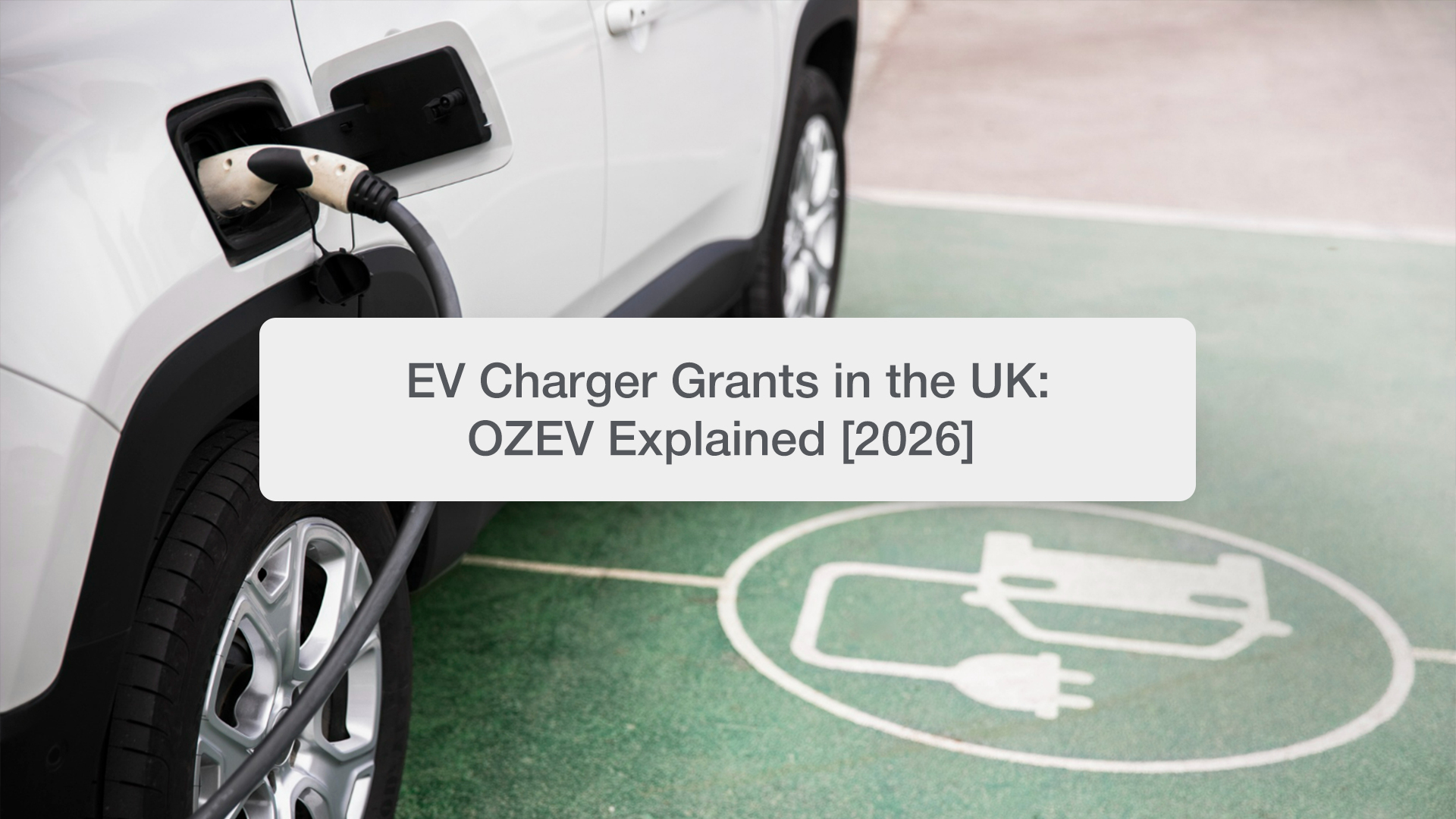
EV Charger Grants in the UK are playing a critical role in accelerating the country’s shift toward electric mobility. With the UK government targeting a complete phase-out of new petrol and diesel cars by 2035, public and private investment in EV infrastructure has surged.
According to recent UK transport data, electric vehicles now account for a growing share of new car registrations, supported by a rapidly expanding network of electric vehicle chargers across homes, workplaces, and public spaces. However, installing EV charging infrastructure can still feel complex – especially when navigating eligibility rules and funding schemes.
Key Highlights
- EV Charger Grants in the UK are funded through OZEV schemes.
- Grants support homes, landlords, and workplaces installing EV chargers.
- Most offer up to £350 per socket via installer-led applications.
- Installations must use an approved charger and authorised installer.
- Incentives are accelerating UK EV charging adoption.
What is OZEV?
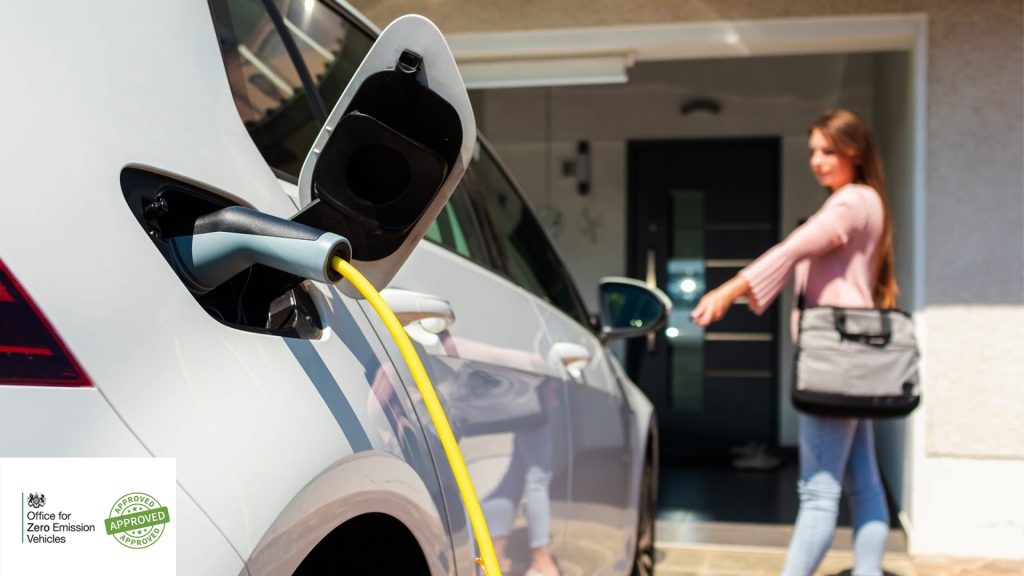
OZEV (Office for Zero Emission Vehicles) is a UK government body focused on accelerating the adoption of electric mobility. Its role includes funding EV infrastructure, developing policy frameworks, and supporting nationwide deployment of reliable ev charging solutions.
Rather than providing a single universal scheme, OZEV operates multiple grant programs tailored to different user groups. These grants typically subsidize part of the cost of installing an Approved EV Charger, ensuring that safety, performance, and compliance standards remain high.
Why EV Charger Grants Exist
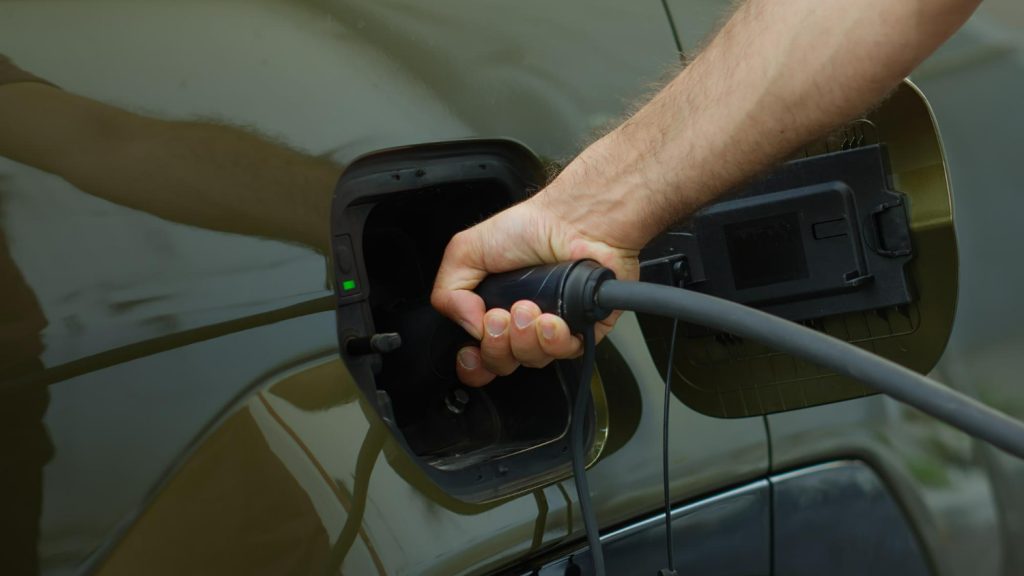
The UK’s electrification strategy depends heavily on charging availability. While public infrastructure is expanding, the majority of charging still happens at homes and workplaces. Government incentives help bridge the affordability gap by reducing upfront installation costs.
The benefits of these grants include:
- Faster adoption of electric vehicles
- Increased demand for AC EV charger installations in homes
- Support for scalable workplace and fleet charging
- Reduced pressure on public charging networks
- Accelerated decarbonisation targets
By encouraging private charging infrastructure, OZEV helps create a balanced ecosystem where home, workplace, and public charging coexist efficiently.
Types of OZEV EV Charger Grants in the UK
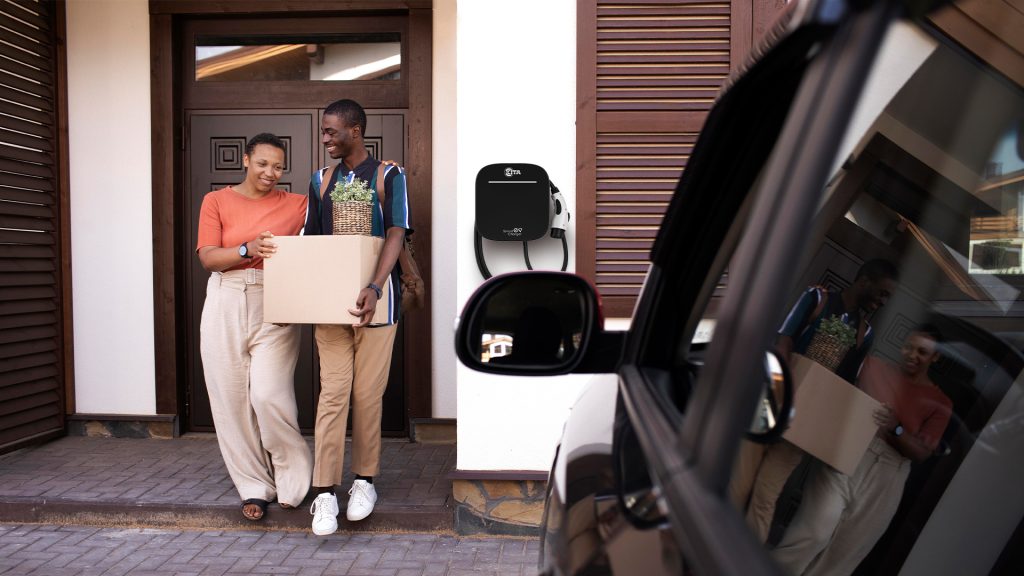
OZEV funding is structured around specific use cases. Here are the main schemes currently available.
1) EV Chargepoint Grant (Residential)
Previously known as the EVHS (Electric Vehicle Homecharge Scheme), this grant supports residents who cannot install a charger in a private driveway.
Who it’s for:
- Flat owners
- Tenants
- People living in rented properties with dedicated parking
Funding details:
- Covers up to 75% of installation costs
- The maximum grant value is typically around £350 per socket
To qualify, installations must use an Approved EV Charger installed by an OZEV-authorised installer.
This scheme is especially useful in urban areas where off-street parking is limited, making home ev charging more accessible.
2) Landlord EV Charging Grant
Designed for property owners, this scheme helps landlords install electric car charger units in residential rental properties. It forms an important part of the broader ecosystem of EV Charger Grants in the UK, making rental housing more EV-ready as adoption continues to grow.
Key benefits:
- Up to £350 per charging socket
- Available for multiple properties
- Supports long-term tenant retention
This grant is particularly valuable for landlords looking to future-proof their properties as electric vehicle ownership rises across the UK.
3) Workplace Charging Scheme (WCS)
The Workplace Charging Scheme supports businesses installing electric vehicle chargers for staff and fleet use.
Funding highlights:
- Up to 75% of the installation cost
- Maximum £350 per socket
- Up to 40 sockets per business
The WCS is one of the most widely used OZEV programs because it helps companies adopt ev charging solutions without heavy capital expenditure. It also supports sustainability goals and corporate ESG initiatives.
4) Infrastructure Grants for SMEs and Residential Buildings
Newer OZEV programs focus on enabling electrical infrastructure upgrades rather than just chargepoint hardware. These grants help fund cabling, grid upgrades, and groundwork required for large-scale deployments.
This is particularly useful for:
- Apartment blocks
- Commercial buildings
- Mixed-use developments
- SMEs planning scalable charging
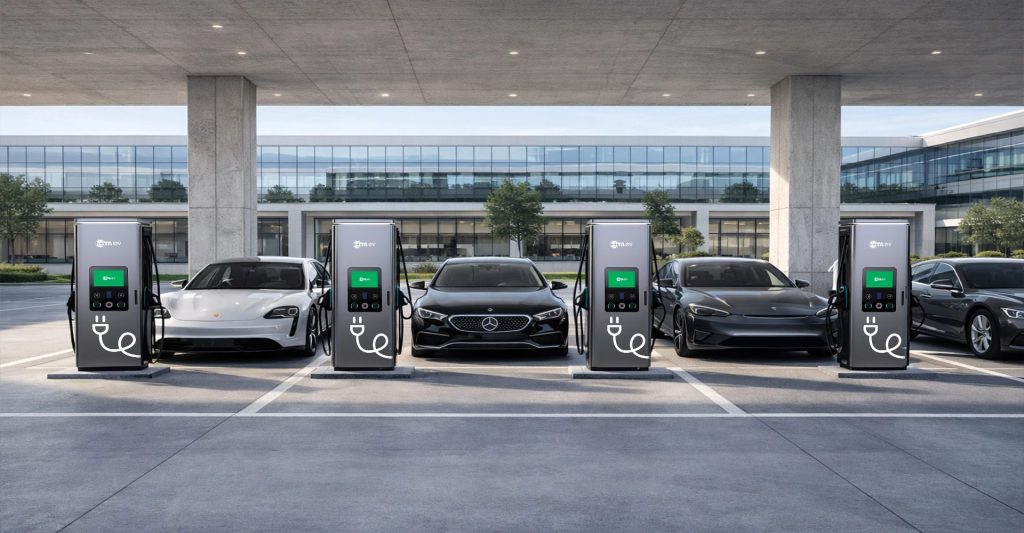
By funding infrastructure readiness, OZEV enables future deployment of both ac ev charger and high-power dc ev charger installations.
What Qualifies as an Approved EV Charger?
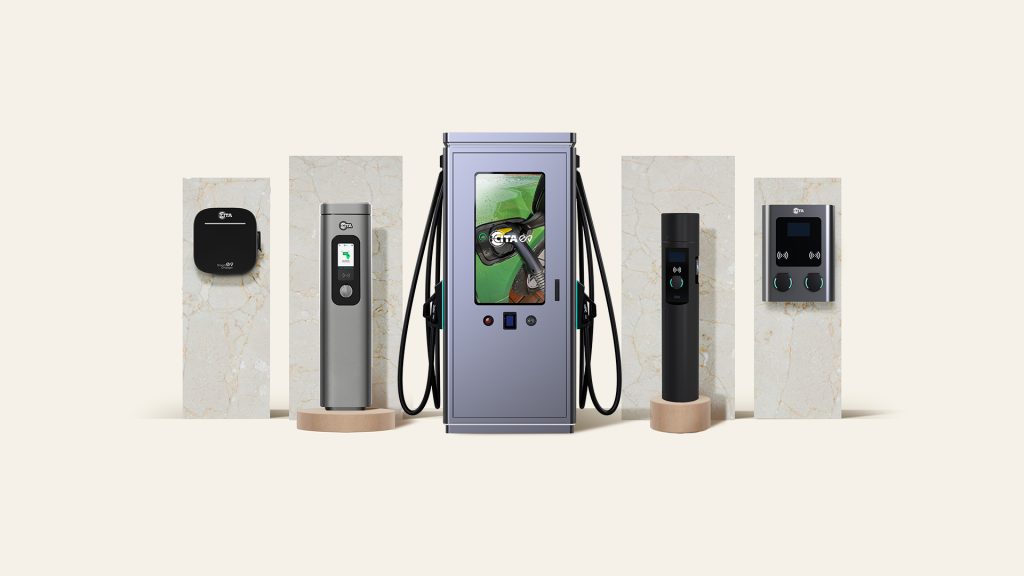
Not all EV chargers qualify for OZEV grants. To be eligible, installations must meet strict compliance standards.
An Approved EV Charger typically includes:
- Smart charging capability
- Load balancing features
- Remote connectivity
- Compliance with UK smart charging regulations
- Installation by an authorised professional
These requirements ensure that government-funded installations are safe, energy-efficient, and future-ready.
AC vs DC Charging in OZEV Grants
| Feature | AC EV Chargers | DC EV Chargers |
|---|---|---|
| Power Range | 7kW – 22kW | 50 kW+ |
| Best For | Homes, workplaces | Public hubs, fleets |
| OZEV Support | Most common in grants | Mostly infrastructure grants |
| Charging Speed | Overnight charging | Rapid charging |
| Installation | Easier, lower cost | Complex, higher cost |
Summary: OZEV grants mainly support AC charging for everyday use, while DC charging is typically funded through larger commercial or infrastructure-focused schemes.
Most OZEV schemes primarily support AC charging installations, especially for homes and workplaces. That’s because:
- AC chargers are more cost-effective
- Ideal for overnight charging
- Easier to install in residential environments
However, infrastructure grants can support groundwork for higher-power dc ev charger deployments in commercial settings.
Eligibility Criteria: Who Can Apply for OZEV Grants?
Eligibility varies by scheme, but most OZEV grants share common requirements:
- Applicant must be a UK resident or registered business
- Installation must be carried out by an OZEV-approved installer
- Use of a compliant electric vehicle charger
- Dedicated off-street parking (for many schemes)
For businesses, additional criteria may include company registration details and proof of premises ownership or lease.
How to Apply for an OZEV Grant in 2026
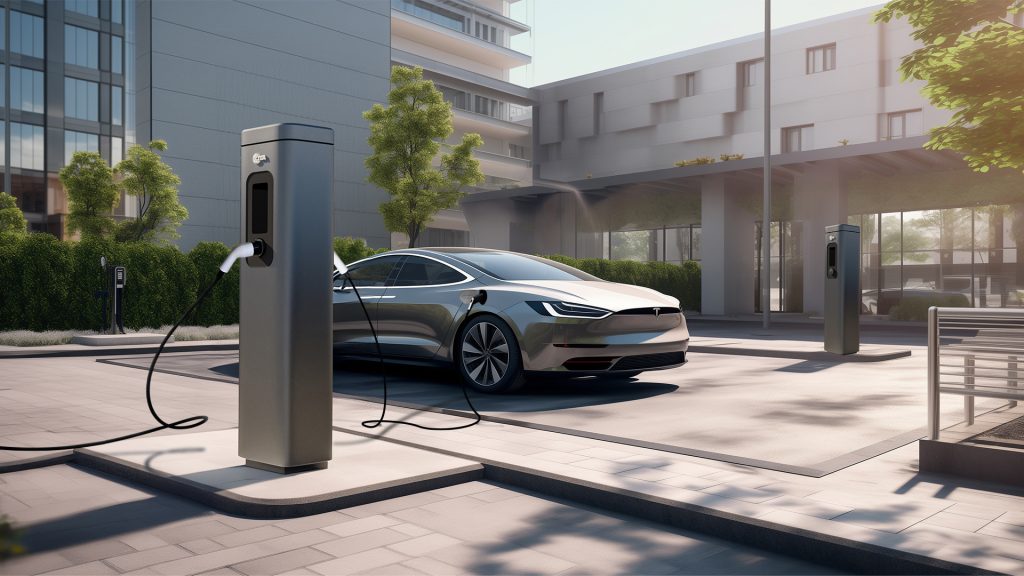
Applying for an OZEV grant is a straightforward process, but it must follow an official installer-led workflow. Unlike many government schemes, you cannot apply directly – the application is handled through an OZEV-authorized installer who manages most of the process on your behalf. This structured approach ensures compliance with national standards while simplifying access to EV Charger Grants in the UK.
Understanding how the steps work can help you prepare documentation in advance and ensure a smooth EV charger installation experience.
1) Contact an OZEV-authorised installer
The process begins by choosing an installer approved under the Office for Zero Emission Vehicles (OZEV) scheme. Only authorised installers can apply for grants, and they ensure the installation meets UK compliance and safety standards.
2) The installer assesses your eligibility
The installer will evaluate whether your home, rental property, or workplace qualifies. Eligibility typically depends on factors like off-street parking, property type, and whether you are a homeowner, landlord, or business operator.
3) Eligibility confirmation (applicant step)
In most cases, you’ll receive an email from the OZEV system asking you to confirm details and eligibility. This is an important official step where you verify information before the application moves forward.
4) Grant application submission by installer
Once eligibility is confirmed, the installer submits the grant application directly to OZEV. This includes charger details, installation plans, and required compliance documentation.
5) Charger installation and grant adjustment
After approval, the EV charger is installed. In most cases, the grant value is deducted upfront from your invoice rather than reimbursed later, making the process simple and financially accessible.
This structured, installer-led approach ensures the OZEV scheme remains compliant and easy to navigate. By working with an experienced installer, applicants can avoid paperwork complexity while ensuring their EV charging setup meets UK regulations and future-ready standards.
Understanding Grants Helps You Charge Smarter

Understanding EV Charger Grants in the UK helps individuals and businesses make confident, cost-effective charging decisions. OZEV schemes reduce installation costs, expand access to reliable ev charging, and accelerate the shift toward sustainable mobility.
Whether you’re installing a home charger or planning workplace infrastructure, choosing an OZEV-compliant, Approved EV Charger ensures safety and long-term performance.
At CITA EV Charger, our AC and DC solutions are designed to align with UK regulations and OZEV eligibility. We help organisations and property owners implement reliable, future-ready EV charging solutions – from smart AC EV charger systems to scalable DC deployments built for long-term success.
Book a free consultation to plan your EV charging journey with confidence.