 Skip to content


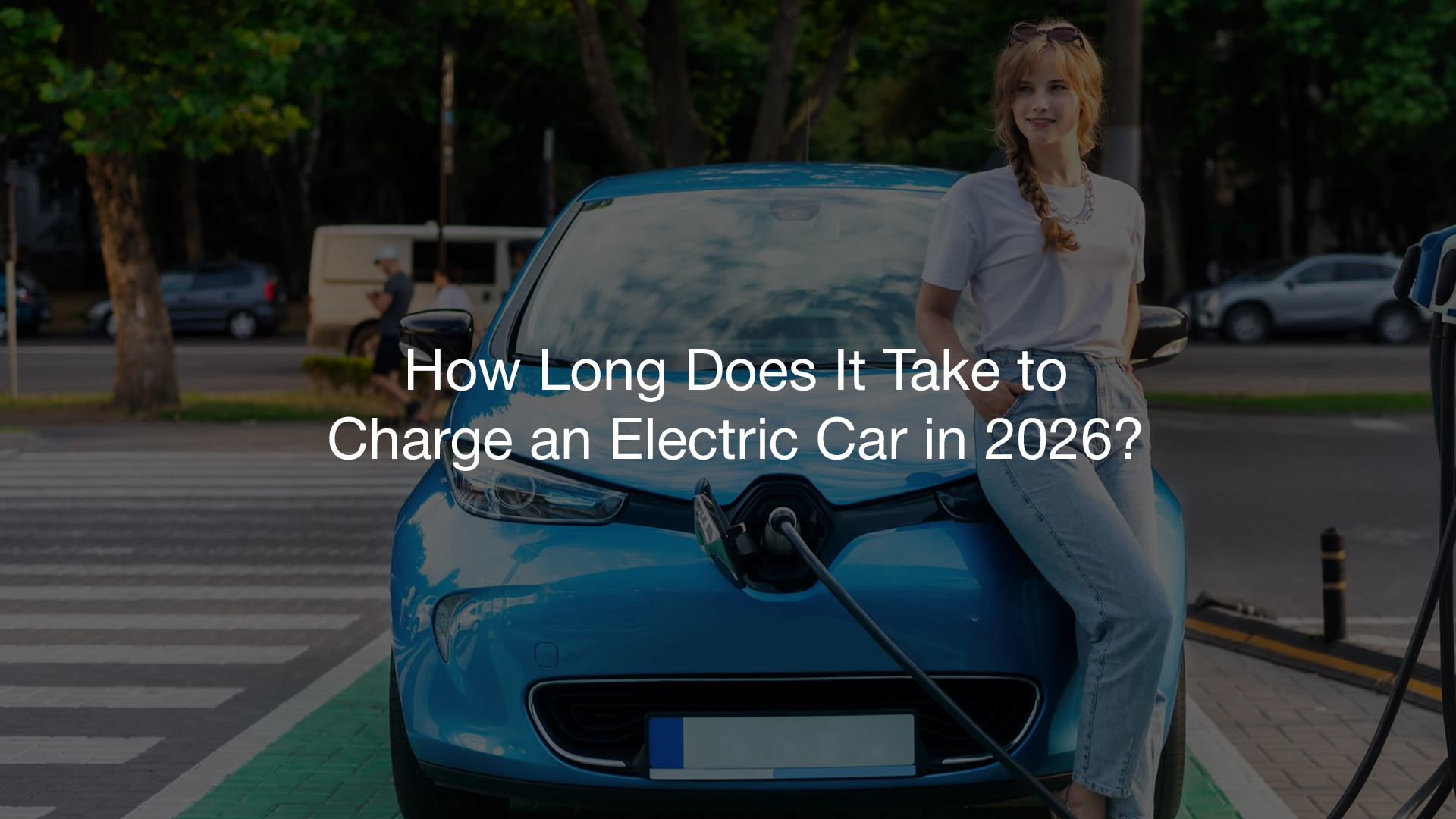
As electric mobility moves deeper into mainstream adoption, one question continues to be at the center of every buyer’s mind – how long does it take to charge an Electric Car? By 2026, improvements in EV charging technology, battery chemistry, and smart energy management will significantly influence charging times at home, workplaces, malls, and public ultra-fast charging sites. Understanding these timelines helps EV drivers plan better, optimize charging habits, and extend long-term battery health.
The shift to electric vehicles is already accelerating sharply – global sales of electric cars surpassed 17 million in 2024, representing about 20% of new cars sold worldwide. This rising EV adoption is driving rapid growth in EV charging infrastructure and pushing innovation in EV charging solutions – from home AC chargers to ultra-fast DC systems – so that charging times keep pace with user demand
What Affects the Time Required to Charge an Electric Car in 2026?
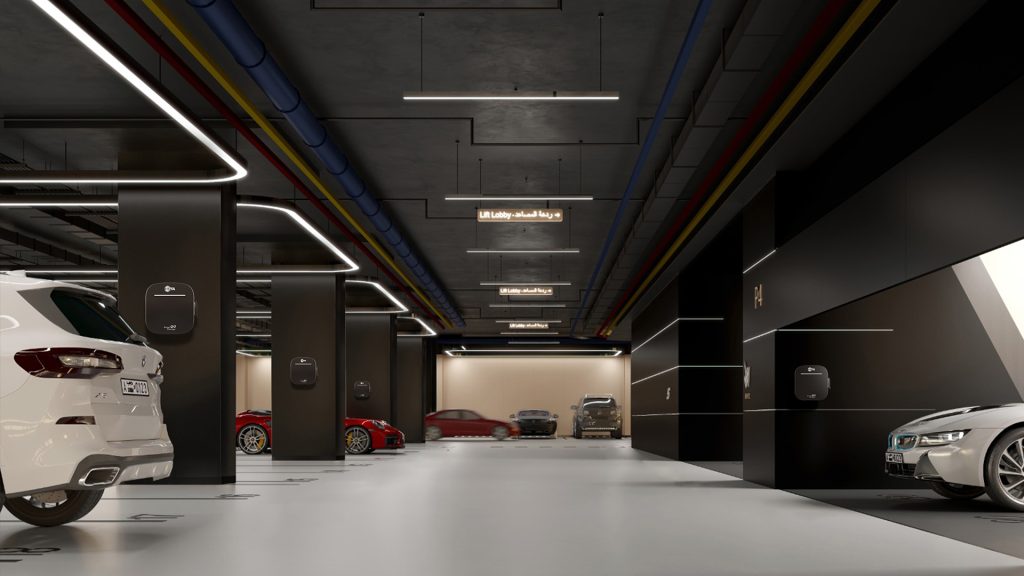
enters the battery. Before looking at specific EV charger outputs, it’s important to understand the variables that influence how long it takes to charge an Electric Car in real conditions.
As EV battery technology evolves, the range of influencing factors is expanding.
1) Battery Size and Usable Capacity Play the Biggest Role
Battery size and usable capacity remain the biggest factors influencing how long it takes to charge an Electric Car. Larger battery packs naturally require more time to refill, even when using high-powered DC fast chargers.
By the next year, many electric vehicles are expected to come with higher-range batteries, making consistent home charging even more important for reliable overnight replenishment.
Understanding usable capacity – meaning the portion of the battery that can actually store and deliver energy – helps drivers estimate realistic charging durations, no matter whether they are using an AC charger at home or a high-capacity DC charger on the road.
2) Charging Power Output Directly Affects Charging Speed
The rating of an electric car charger – whether 7kW, 22kW AC, or 60 kW–360 kW DC – determines how quickly your vehicle receives power. Higher-rated EV chargers reduce waiting time, but compatibility varies based on the EV model’s onboard capacity.
In 2026, more EVs will support faster onboard AC charging and higher DC tolerance, giving drivers more flexibility across varying charger types, including Smart EV Chargers with adjustable load balancing.
3) Temperature and Weather Conditions Influence Charging Efficiency
Cold or extremely hot weather can slow down charging speeds because the EV’s thermal management system must first stabilize battery temperature. Even with advancements in 2026, battery chemistry remains sensitive to environmental conditions.
Home charging at moderate temperature is often more stable, whereas public fast charging in peak summer or winter may require additional battery conditioning time before power delivery begins.
4) EV Software, BMS, and Smart Charging Settings Matter
Vehicle-side software – including the Battery Management System (BMS) – determines the maximum charge rate at any point. Smart settings, such as scheduled charging or eco-mode charging, may intentionally reduce speed to preserve battery health.
With Smart EV Chargers, EV drivers can customize charging preferences, integrate charging with solar, or use scheduled charging to reduce costs and protect battery longevity.
How Long Does AC Charging Take in 2026? (Home & Workplace Charging)

AC charging continues to be the most reliable and practical option for daily charging at homes, workplaces, and community buildings.
The time it takes to charge an Electric Car using AC power depends primarily on the power rating and the EV’s onboard charger capacity.
1) Charging With a 7kW AC Home Charger (Most Common Scenario)
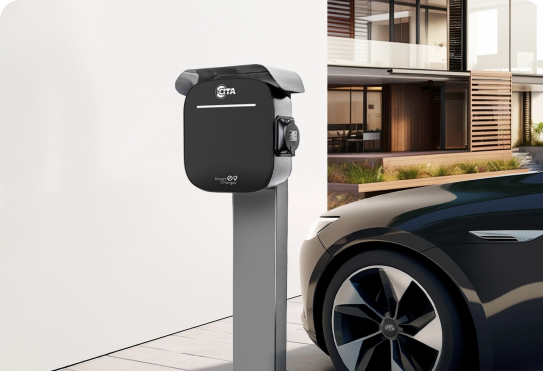
A 7 kW AC Home EV Charger typically delivers 25–30 km of range per hour. For medium-sized EVs with 60–70 kWh batteries, charging from 20% to 80% takes around 6–8 hours. For overnight charging, this is ideal and economical.
Most homeowners prefer 7kW because it balances cost, power availability, and compatibility.
As a simple, compact solution, it is widely supported across all EV models and ensures consistent home charging even in 2026’s accelerated EV landscape.
2) Charging With a 22kW AC Charger (Faster for Compatible EVs)
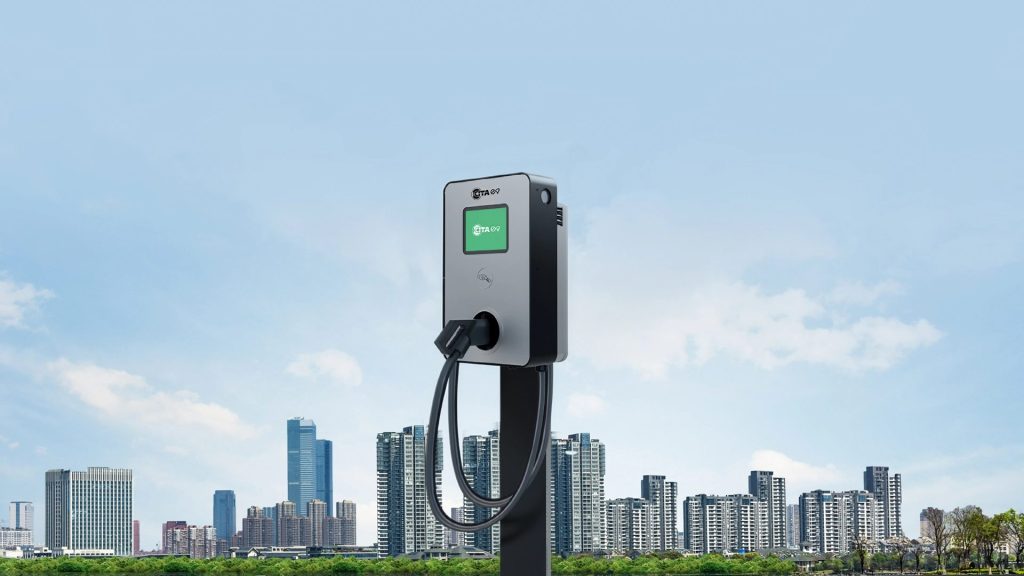
A 22kW AC electric vehicle charger can significantly reduce charging time – delivering up to three times the speed of a 7kW unit – but only if the EV supports 22kW onboard AC charging.
Many premium EVs in 2026 will support 22 kW AC charging, making this ideal for multi-EV homes, commercial buildings, and fleet environments.
It delivers up to 100 km of range per hour and is perfect for quick top-ups during the day.
3) Dual 44 kW AC Chargers for Multi-EV Scenarios
If a property or business needs to charge two EVs at the same time, 44kW Dual AC EV Chargers become extremely valuable. In 2026, households with multiple EVs or small commercial parking areas will increasingly depend on these chargers.
They distribute power intelligently across two vehicles, ensuring neither driver experiences long wait times.
Dual AC chargers maintain charging efficiency while providing a scalable solution for locations expecting higher EV traffic.
How Long Does DC Fast Charging Take in 2026? (Public & Highway Charging)
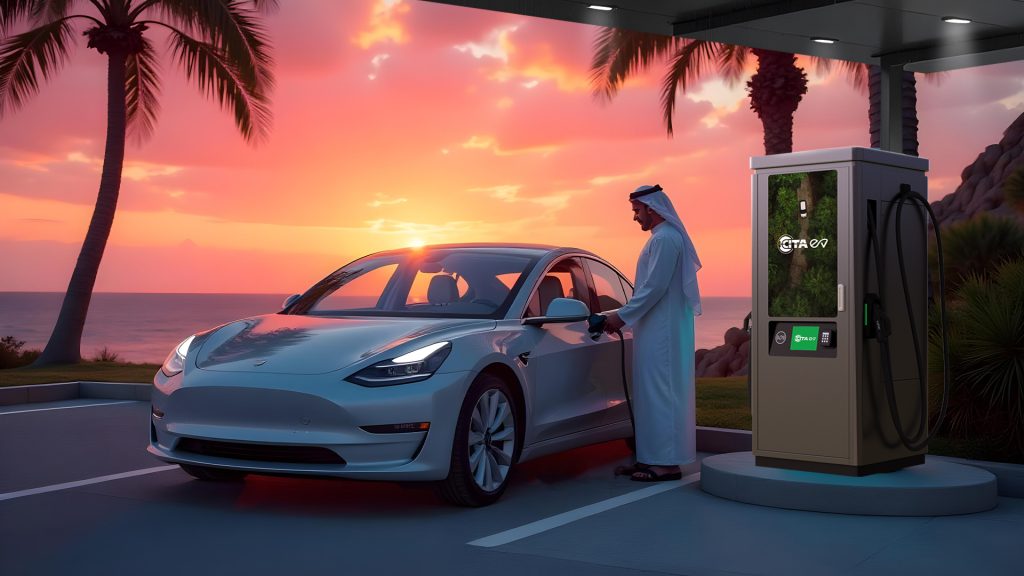
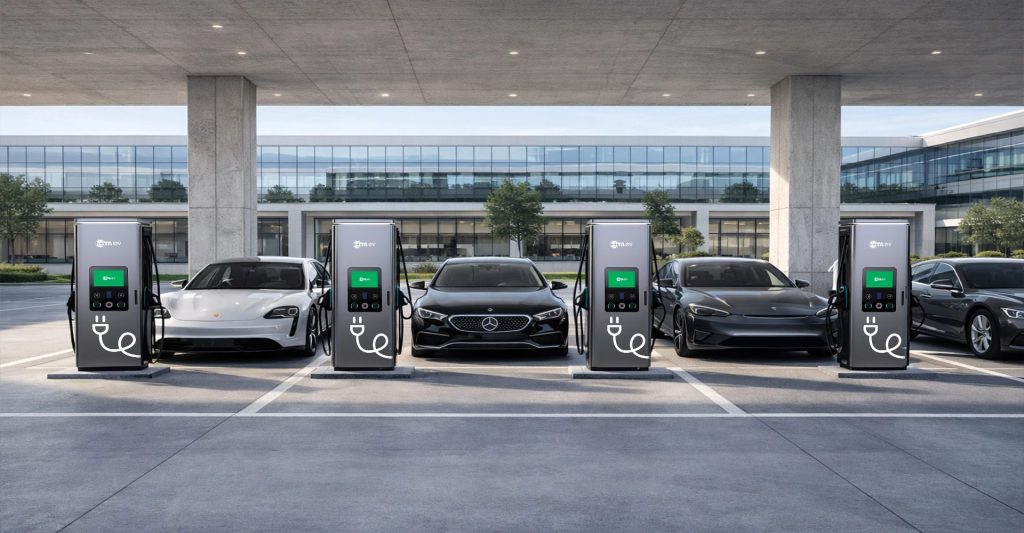
DC fast charging in 2026 is dominated by high-performance chargers ranging from 60kW up to 360 kW, offering drivers the ability to gain substantial range in a very short time.
These fast and ultra-fast chargers can typically replenish an EV from around 20% to 80% in anywhere between 15 to 45 minutes, depending on the vehicle’s battery acceptance rate and charging conditions. The broad 60 kW–360 kW spectrum supports everything from quick city top-ups to rapid long-distance and fleet charging, making them ideal for public stations, motorway services, logistics hubs, and high-turnover commercial sites.
Designed for demanding outdoor environments, modern DC chargers – including CITA’s IP54, IP55, and IK10-rated systems – are built to deliver consistent, safe, and reliable performance year-round, even in high-traffic settings.
Smart Charging Technology and How It Impacts Charging Time in 2026
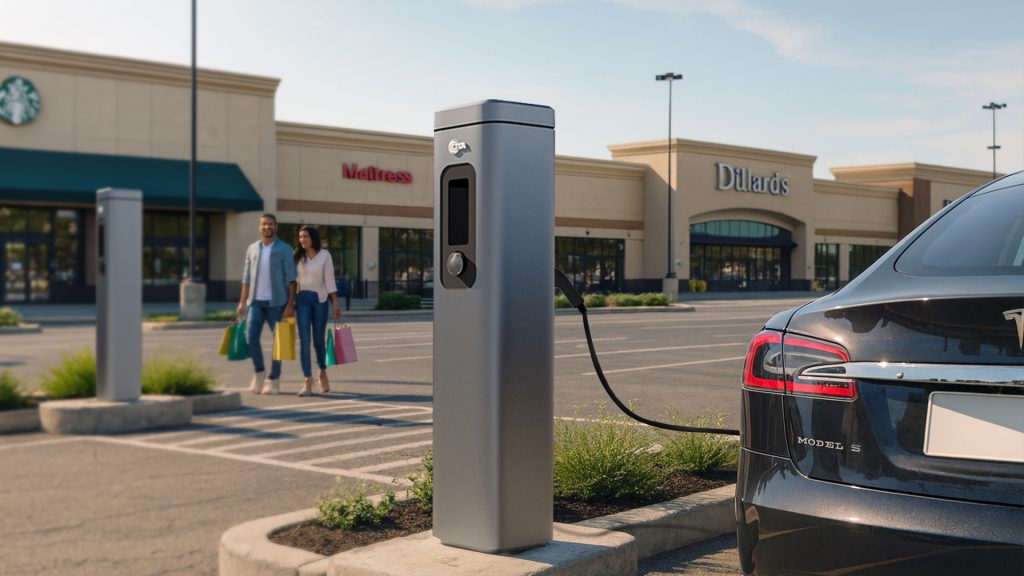
Smart charging is becoming the backbone of modern EV charging solutions.
It improves efficiency, reduces grid load, and enhances user control over charging behaviour.
1) Charge Point Management Systems Improve Efficiency for Businesses
A Charge Point Management System (CPMS) enables monitoring, load balancing, fault detection, energy management, and remote diagnostics. For businesses operating multiple EV chargers, CPMS significantly reduces downtime and enhances overall performance.
In 2026, CPMS will play a bigger role in fleet charging, enabling companies to monitor usage, control charging schedules, and optimize energy distribution.
2) Smartphone Apps Enhance User Convenience and Charging Accuracy
Modern EV charging apps, such as the CITA EV App, provide real-time updates on charging progress, energy consumed, charge duration, and cost. By 2026, apps will also integrate grid interaction features and smart home automation.
This level of control ensures drivers can track exactly how long it takes to Charge an Electric Car and plan their trips more efficiently.
Real-World Charging Scenarios: What to Expect by 2026
Charging times differ based on the environment – home, commercial, or highway.
Understanding these scenarios helps drivers choose the right charger for their needs.
1) Home EV Charging - Overnight Is Still the Most Practical Option
Most EV owners continue to rely on home charging because it is predictable and convenient. A 7 kW or 22 kW Home EV Charger ensures the vehicle is fully charged by morning.
Even in 2026, this remains the preferred choice for daily users, providing stable charging without relying on public infrastructure. With compact designs, strong IP ratings, and extended warranties, modern home EV chargers ensure hassle-free charging for years.
2) Workplace Charging - A Growing Trend for Daily Top-Ups
Workplace EV chargers help employees recharge during long office hours. Even slow AC chargers significantly improve daily range availability.
In 2026, businesses will increasingly install Dual EV Chargers with CPMS integration to track usage. This supports sustainability goals while giving employees an easy midday charging option.
3) Public Fast Charging - Best for Road Trips and Long-Distance Travel
Public DC stations remain essential for rapid charging during intercity or highway travel. Ultra-fast chargers dramatically reduce waiting times, making EV travel as seamless as petrol or diesel journeys.
In 2026, the availability of public EV chargers will increase, covering more cities and highways globally for convenient, fast charging access.
Choosing the Right EV Charging Solution for 2026 and Beyond
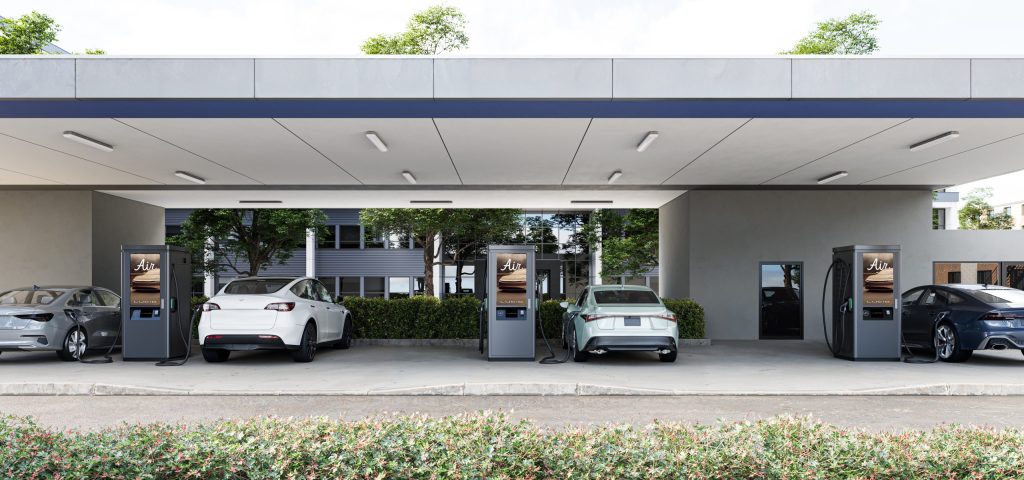
As EV adoption continues to rise, understanding how long it takes to Charge an Electric Car becomes essential for daily convenience, long-distance travel, and maintaining battery health. Charging times depend on factors such as battery size, charger type, temperature, and smart software. With the growing availability of 7kW & 22kW AC Chargers, 44kW Dual AC Chargers, and 60–360kW DC Fast Chargers, EV drivers now have a wide range of efficient charging options for homes, workplaces, and public sites.
CITA EV Chargers are designed to meet these modern charging needs, offering strong IP ratings, compact builds, extended warranties, and intelligent features through the CITA EV App and CPMS. These solutions ensure reliable, safe, and smart EV charging as we move into 2026 and beyond.
Ready to Upgrade Your EV Charging Experience?
Discover CITA’s certified EV charging solutions and choose the charger that powers your EV journey – today and in the future.