 Skip to content


Are EV Charger Myths in the UK holding you back? Understanding the truth about EV charging is crucial now more than ever. The UK now has more than 79,600 public EV charge points across 39,400 charging locations, with 15,400 rapid and ultra‑rapid devices delivering 50 kW or more power. Charging infrastructure is expanding at full speed – about 2,800 new units were added last month alone.
EV Charger Myths in the UK still cause confusion – myths around safety, speed, costs, connector types, and smart features persist despite clear technological standards and OZEV-approved setups. Get the facts, cut out the noise, and avoid wasted time or unnecessary spending.
Top 20 EV Charger Myths in the UK
Think you know everything about EV chargers? Think again. From EV charger speed to smart EV charging, misinformation is everywhere.
Let’s cut through the noise and break down the top EV charging myths that UK drivers still believe.
Myth 1: All EV Chargers Work the Same
Many people fall for this one, but it’s one of the most common EV Charger Myths in the UK. EV chargers differ by power output, charging type (AC vs DC), features, and connectivity.
A smart EV charger allows scheduled charging, app control, and real-time monitoring, while basic models just transfer electricity. Fast EV chargers may offer rapid charging, but only if your vehicle and installation support it.
Myth 2: Any Socket at Home Can Be Used for Charging
Using a standard 3-pin plug might work occasionally, but it’s unsafe for regular charging and extremely slow.
A home EV charger from an approved EV charger manufacturer in the UK provides reliable, faster, and safer EV charging, meeting certification standards like UKCA.
Myth 3: Fast Charging Damages Your Battery
This is another classic from the list of EV Charger Myths in the UK. Modern EVs come with advanced battery management systems.
These systems regulate the flow of power from fast EV chargers or super fast EV chargers, ensuring safe, efficient charging. When used as recommended, DC EV chargers won’t harm your battery health.
Myth 4: You Don’t Need a Charger if You Only Drive Short Distances
Even if your commute is short, regular access to a certified EV charger at home ensures consistent top-ups.
Relying only on public EV chargers can be inconvenient and costly. A dedicated home EV charger also enables off-peak charging, saving money long-term.
Myth 5: Charging an EV is Always Cheaper Than Petrol

A financial EV Charger Myth in the UK is that public EV chargers cost a fortune. Using ultra fast EV chargers at public stations during peak hours may cost more than filling petrol.
However, smart use of AC EV chargers at home with time-of-use tariffs keeps costs low and efficient.
Myth 6: Public Chargers Are Everywhere and Always Available
While the UK’s EV charging infrastructure is growing fast, EV charger availability can be inconsistent. You may find chargers offline, in use, or incompatible.
Owning a smart EV charger at home removes dependency on public networks and gives peace of mind.
Myth 7: You Can Install Any EV Charger Without Approval
Wrong. In the UK, only approved EV chargers with certifications like UKCA or CE can be legally installed for OZEV grant eligibility.
A qualified EV charger supplier will handle permissions, paperwork, and proper setup to avoid penalties.
Myth 8: Higher kW Means Better Charger
Myth 9: All EV Chargers Are Eligible for the OZEV Grant
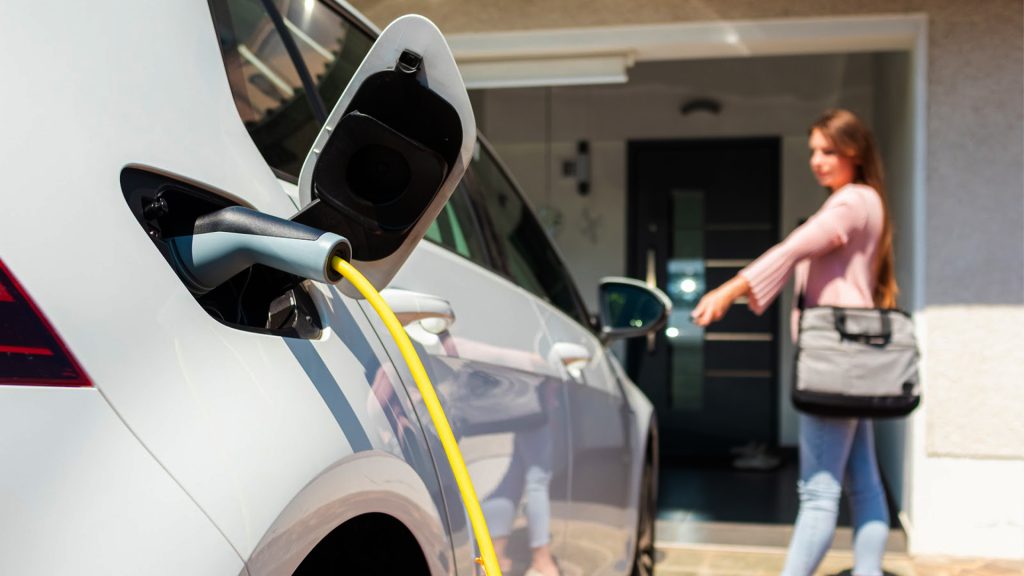
Not all chargers qualify. Only OZEV-approved EV chargers from a certified EV charger manufacturer installed by OZEV-registered electricians are eligible.
The property type and charger specifications also affect grant eligibility in the UK.
Myth 10: EV Charging is Bad for the Environment
EVs paired with EV charging solutions from the UK’s greener energy grid are cleaner than petrol or diesel alternatives.
And when powered by renewables, charging via a home EV charger produces near-zero emissions.
Myth 11: You Can Use Any Cable with Any Charger
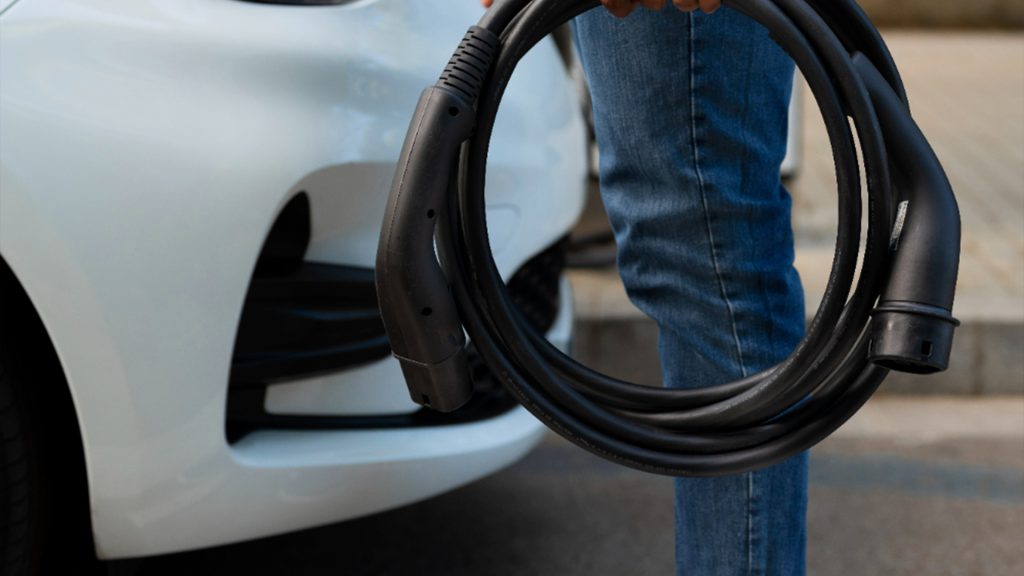
Compatibility issues are frequently overlooked. This misunderstanding fuels one of the persistent EV Charger Myths in the UK – that all cables, sockets, and EVs play well together. They don’t.
Each ev charger has cable compatibility requirements. AC chargers often need Type 2 connectors, while DC fast charging uses CCS or CHAdeM, GB/T, depending on the EV. Using incorrect or damaged cables may slow charging or pose safety risks.
Myth 12: You Can’t Charge in the Rain
One of the most common EV Charger Myths is that rain makes charging unsafe. All certified EV chargers are designed to handle the UK’s wet weather. Units with IP65 or IP55 ratings can be safely used outdoors, even during heavy rain.
Always opt for an approved EV charger from a trusted EV charger supplier.
Myth 13: Smart Chargers Are Just Marketing Hype
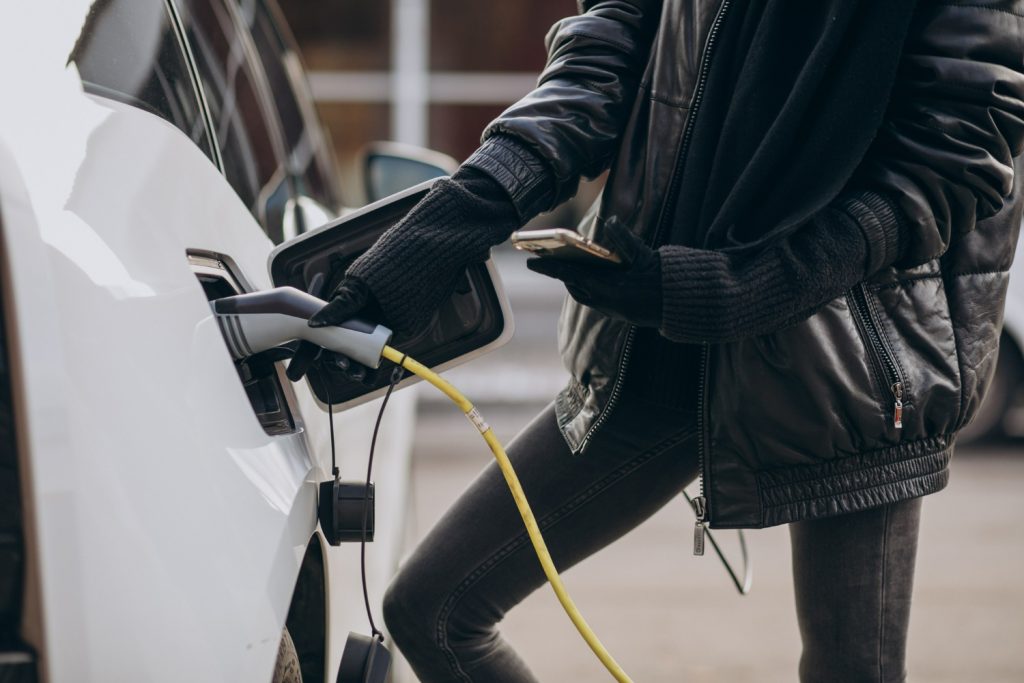
The another EV Charger Myths in the UK is that smart EV chargers are just a way to market ev chargers in the UK. On the contrary side, Smart EV chargers offer real benefits: remote control via apps, usage tracking, off-peak scheduling, and integration with solar or smart meters.
These EV chargers optimise power usage, lower bills, and extend battery life by reducing high-demand charging.
Myth 14: EVs Lose Charge If Plugged In Too Long
EVs stop drawing power once fully charged. Plugging your car into a smart EV charger overnight won’t overcharge or damage the battery.
On the contrary, it maintains readiness for daily use without additional wear.
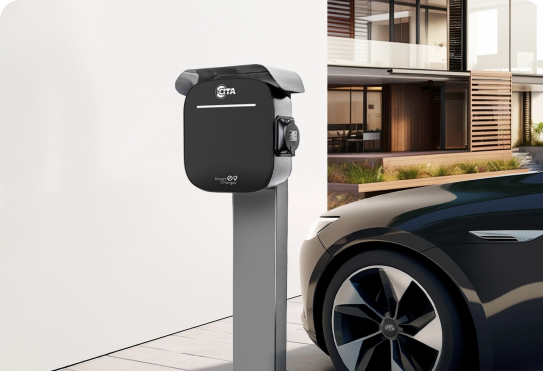
Myth 15: All EV Chargers Are Huge and Ugly

Not anymore. Modern home EV charger manufacturers design compact, sleek, and wall-mounted EV chargers.
Some even blend with your home’s exterior, making them ideal for residential settings where design matters.
Myth 16: Installing an EV Charger Is a Complex Process
When done through a registered EV charger provider, installation is smooth and hassle-free.
From site surveys to OZEV paperwork and testing, professional teams ensure your certified EV charger is safe, compliant, and ready to use.
Myth 17: You Can Only Charge at Night

While smart tariffs make night charging cheaper, EV charging is flexible. AC EV chargers and DC EV chargers can be used at any time.
Smart models let you choose when to start or delay charging based on your needs.
Myth 18: All EV Charging Solutions Are the Same
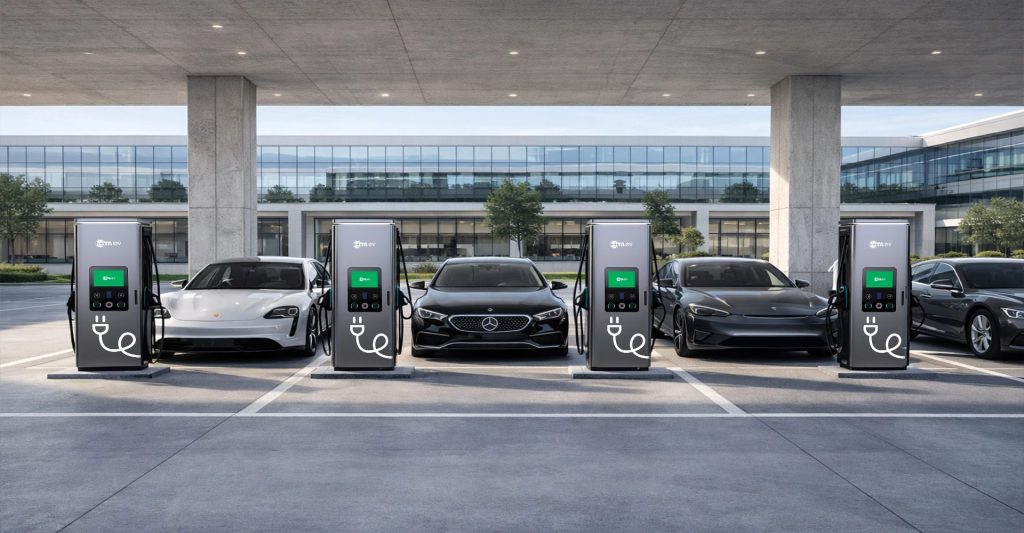
They’re not. Some focus on speed, like ultra fast EV chargers for public use. Others prioritise efficiency, safety, and smart integration for homes.
The best EV charging solutions depend on your car type, driving habits, and setup.
Myth 19: Commercial Chargers Don’t Work for Homes

While DC EV chargers are typically used in commercial setups, some advanced home EV charger manufacturers offer dual-output or scalable EV chargers.
A 44kW dual AC charger can charge two vehicles simultaneously in large households.
Myth 20: Any Electrician Can Install an EV Charger
Only OZEV-certified installers can legally fit a certified EV charger for grant claims in the UK. This ensures safety, proper documentation, and performance.
Always work with an approved EV charger manufacturer in the UK for compliant installation.
Busting the Myths with Smarter EV Charging

EV ownership is growing rapidly in the UK, but so are the misconceptions that hold drivers back from making the most of it. These 20 EV charger myths are just the beginning – understanding the reality behind them helps you charge safer, smarter, and more confidently.
At CITA EV Charger, we’re committed to clarity, compliance, and cutting-edge performance. As a leading EV charger manufacturer and trusted EV charger supplier in UK, our solutions – from AC EV chargers (7 kW, 22 kW, and 44 kW dual) to Fast and Ultra Fast DC EV Chargers (60–360kW) – are tested, UKCA and CE certified, and approved under the OZEV grant scheme. Whether you’re installing a home unit or scaling up commercial charging, we provide compact, reliable hardware, easy integration via the CITA EV App and CPMS, and unmatched support.
Want to explore a hassle-free installation for your home or workplace?
Need help identifying the right certified charger for your vehicle?
Looking for long-term warranty, IP65/IK10 durability, and uninterrupted support?
Let’s talk. Start your EV charging journey the right way – with facts, not myths.