 Skip to content


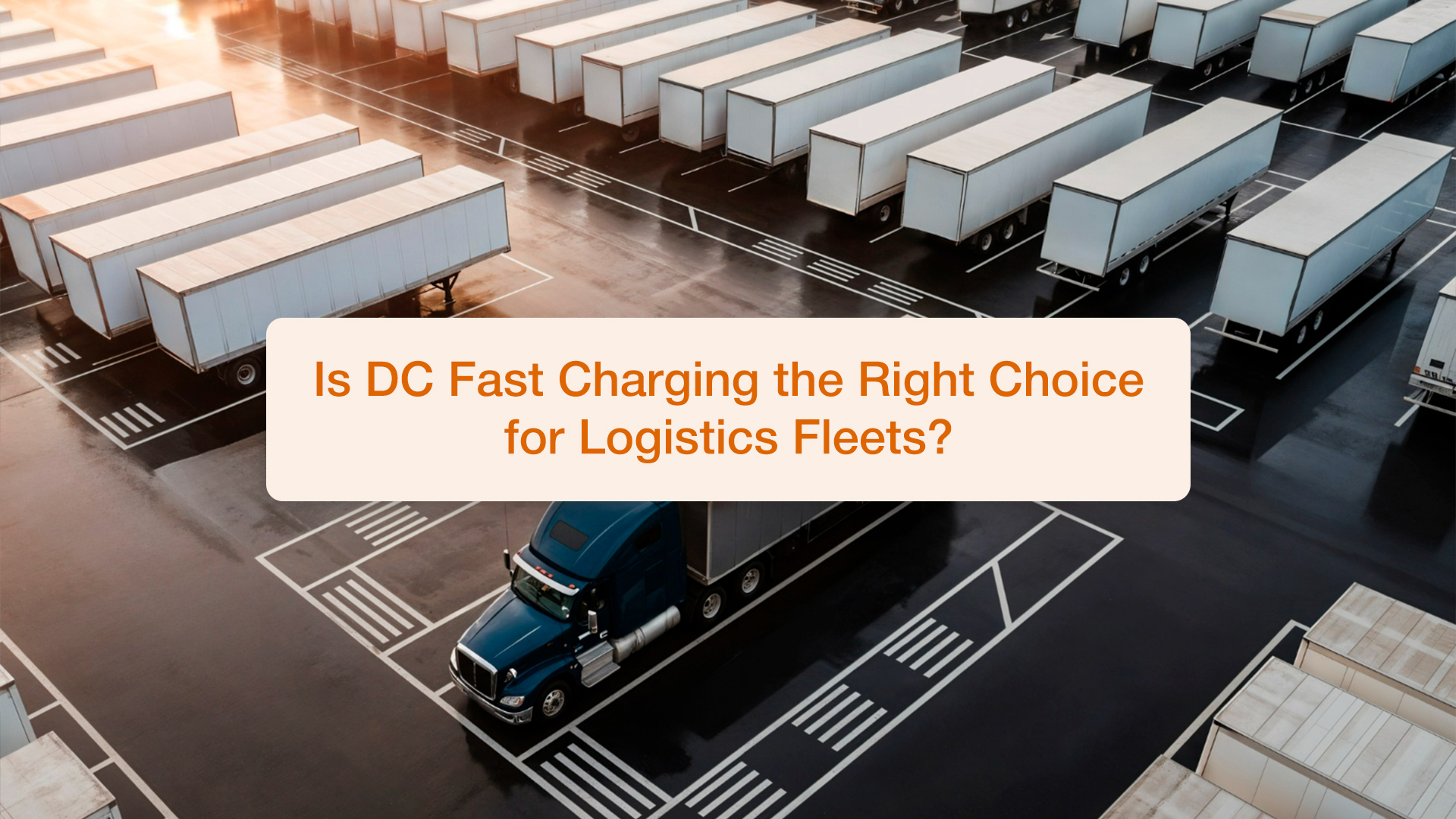
The rapid electrification of transport is reshaping how logistics fleets operate across the UK. With tightening emissions regulations, rising fuel costs, and growing pressure from customers to decarbonize supply chains, fleet operators are accelerating their shift toward electric vehicles. At the centre of this transition lies a critical infrastructure decision: DC Fast Charging.
For logistics fleets that depend on high vehicle utilisation, predictable turnaround times, and operational reliability, charging speed is no longer a “nice to have” – it is a strategic necessity.
According to UK transport data, road freight accounts for nearly 20% of domestic transport emissions, and electric logistics vehicles are now seen as one of the most effective levers to reduce this footprint while controlling long-term operating costs. But does DC Fast Charger genuinely deliver the performance, scalability, and return on investment logistics fleets require?
This blog explores whether DC Fast Charger is the right choice for UK logistics fleets, examining operational demands, charging technologies, infrastructure considerations, and long-term fleet economics.
Key Highlights
- The role of DC fast charging in logistics fleet electrification
- DC fast charging vs AC charging for fleet operations
- Impact of charging speed on fleet uptime and productivity
- Cost and scalability considerations for depot charging
- Long-term operational and sustainability benefits for logistics fleets
Understanding the EV Charging Needs of Logistics Fleets

Unlike private EV owners, logistics fleets operate under fundamentally different conditions. Delivery vans, HGVs, and service vehicles are driven longer distances, operate on tight schedules, and often return to depots multiple times per day. Any delay in charging directly affects route efficiency, delivery commitments, and driver productivity.
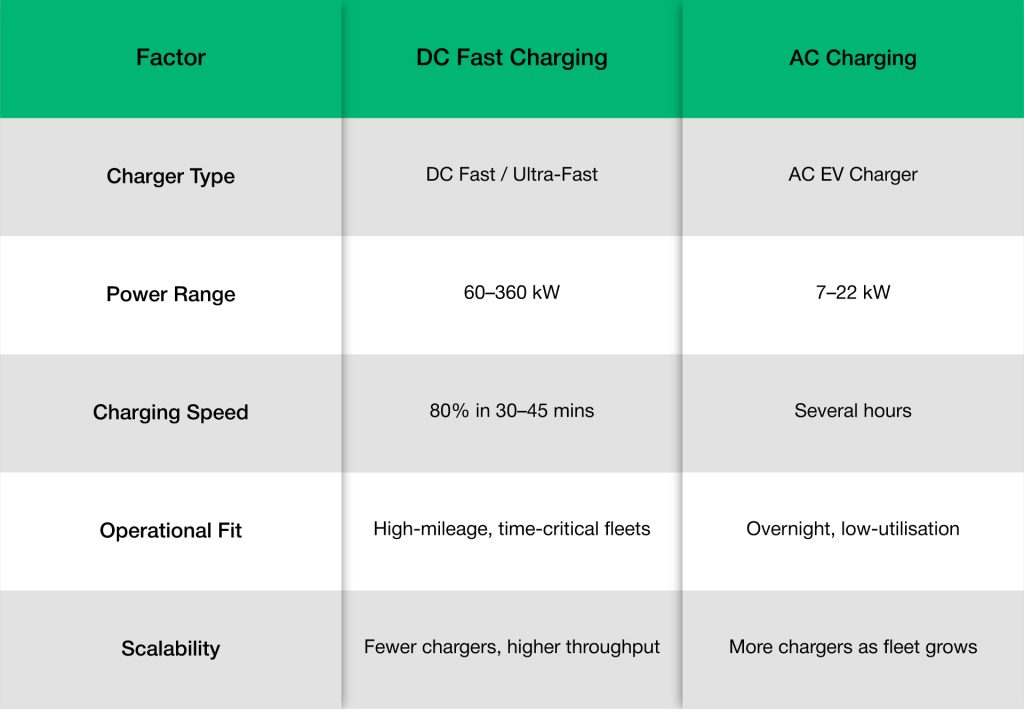
Traditional AC charging solutions – while cost-effective for overnight residential EV charging – often struggle to support high-duty commercial use. A standard electric car charger delivering 7–22 kW may require several hours to recharge a logistics vehicle, making it unsuitable for fleets that need rapid turnaround or opportunity charging during operational hours.
This is where DC EV charger technology becomes increasingly relevant. By delivering high-power direct current straight to the vehicle battery, DC chargers dramatically reduce charging time – often from hours to minutes.
What Is DC Fast Charging?
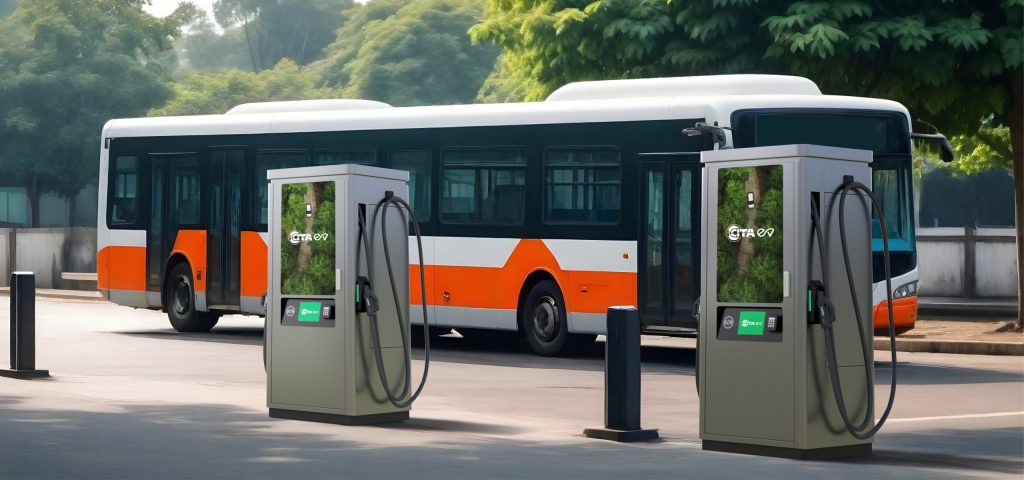
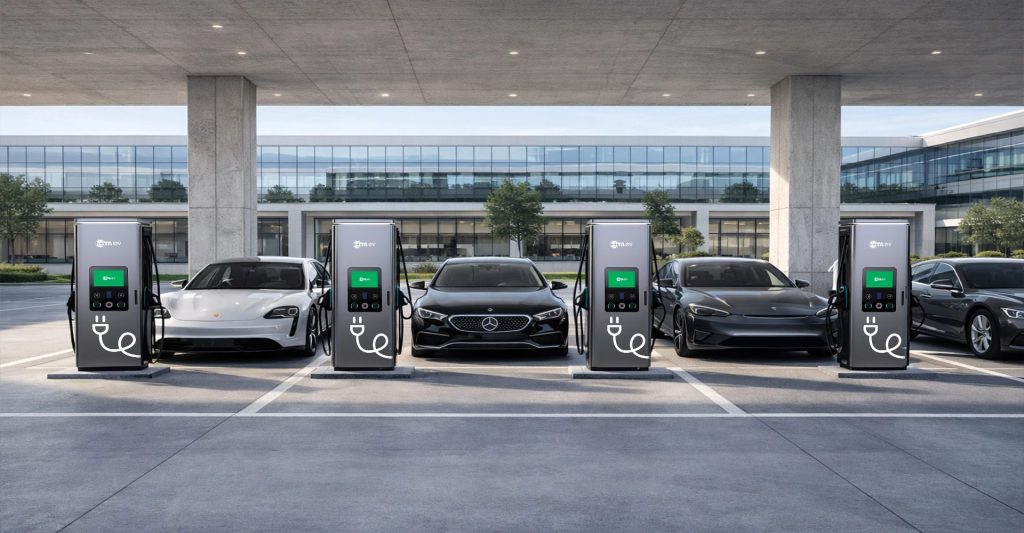
DC Fast Charger refers to high-power charging systems that bypass the vehicle’s onboard AC charger and supply DC power directly to the battery. These systems typically range from 60 kW to 360 kW, making them ideal for commercial environments where time efficiency is critical.
For logistics fleets, DC charging enables:
- Rapid mid-shift top-ups
- Faster depot turnaround
- Higher daily vehicle utilisation
- Reduced need for oversized battery packs
Modern electric vehicle chargers equipped with DC technology also integrate advanced communication protocols, enabling smart energy management, load balancing, and remote monitoring.
Why DC Fast Charging Is Gaining Momentum in the UK Logistics Sector
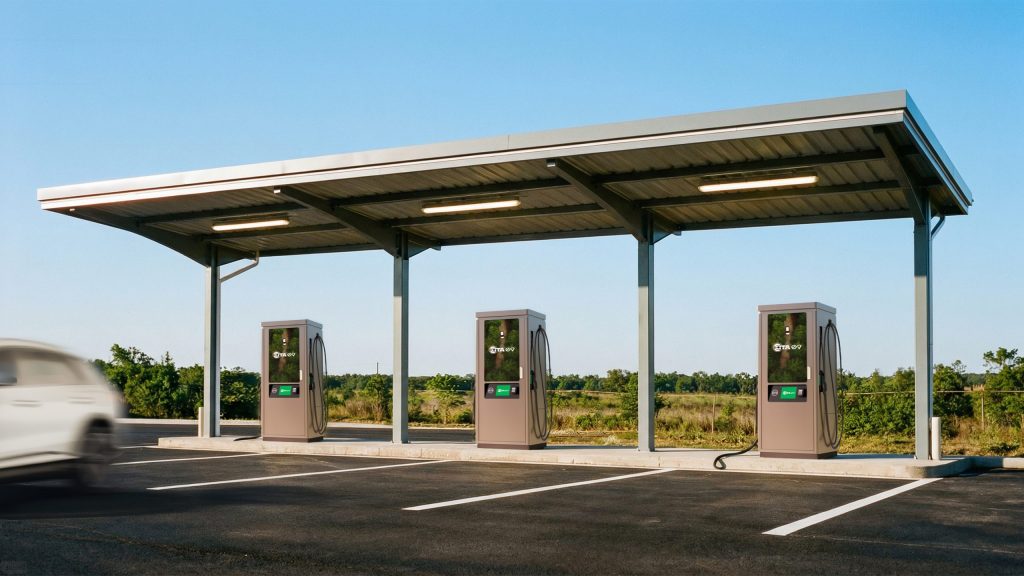
As the UK moves toward low-emission transport, logistics operators are rethinking not just their vehicles, but the infrastructure that keeps fleets operational. Electrification is no longer a future goal – it is a present-day requirement shaped by regulation, customer expectations, and competitive pressure.
In this context, charging speed and reliability matter as much as vehicle range.
With Clean Air Zones expanding across cities like London, Birmingham, and Manchester – and the UK set to end new petrol and diesel vehicle sales by 2035 – fleets must electrify without compromising delivery performance. DC Fast Charger is gaining momentum because it meets these real-world operational demands, enabling faster turnaround, higher utilisation, and scalable fleet electrification.
1) Minimising Vehicle Downtime
In logistics, time off the road translates directly into lost productivity. DC Fast Charger dramatically reduces charging times – from hours to minutes – allowing vehicles to return to service quickly.
This enables fleets to maintain tight delivery windows, support multi-shift operations, and avoid unnecessary idle time.
2) Supporting High-Utilisation Fleet Operations
Logistics vehicles often cover high daily mileage and return to depots multiple times a day. DC charging allows for opportunity charging between routes or during loading cycles. ensuring vehicles remain operational without requiring oversized batteries or extended overnight charging windows.
3) Scalable Infrastructure for Growing Fleets
As fleets expand, charging infrastructure must scale without disrupting operations. DC Fast Charging systems are designed to grow alongside fleet size, enabling operators to add power capacity or additional charging points as demand increases – without rebuilding the entire energy setup.
4) Future-Proofing Against EV Technology Advancements
Electric vehicles are evolving rapidly, with higher-capacity batteries and faster charging capabilities becoming standard. High-power DC chargers remain compatible with next-generation EVs, protecting infrastructure investments and reducing the risk of early obsolescence.
5) Aligning with Long-Term Sustainability and Compliance Goals
Beyond operational benefits, DC Fast Charger supports wider ESG commitments. Faster, more efficient charging accelerates fleet electrification, helping logistics operators reduce emissions, comply with Clean Air Zone requirements, and meet sustainability expectations from clients and regulators alike.
As a result, many logistics operators now view DC charging not as a premium add-on but as a core component of a long-term EV charging solutions strategy – one that balances operational efficiency, regulatory compliance, and future readiness.
Comparing DC Fast Charging vs AC Charging for Logistics Fleets
To assess whether the DC Fast Charger is the right fit, a direct comparison with conventional AC charging provides a clear view of how each performs in logistics operations.
DC Fast Charging vs AC Charging for Logistics Fleets
Cost Analysis: Is DC Fast Charging Worth the Investment?
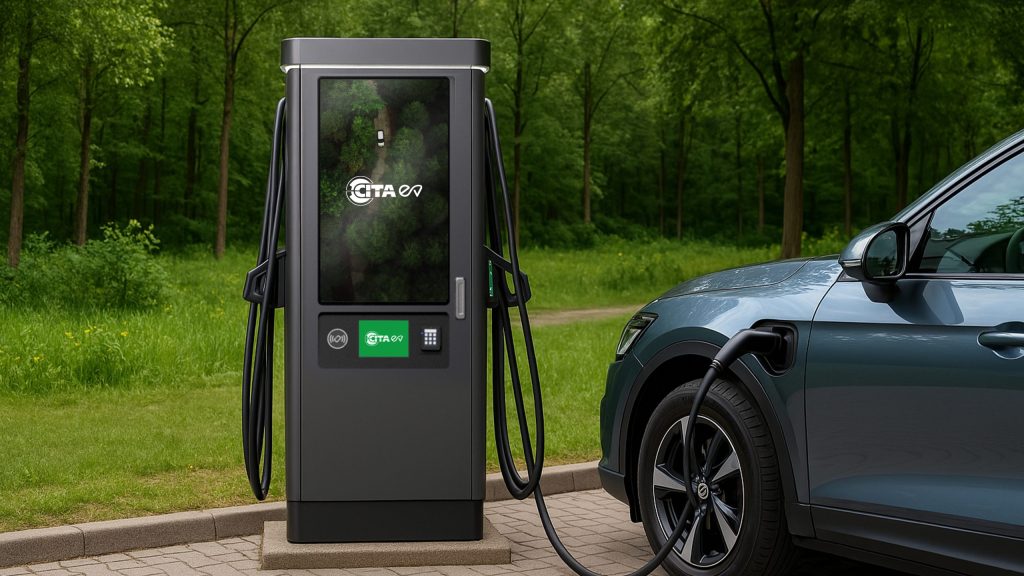
At first glance, a DC Fast Charger requires a higher upfront investment than AC charging due to equipment cost and electrical infrastructure. However, evaluating charging decisions purely on capital cost often leads to short-term thinking.
When assessed over the full operational lifecycle, DC Fast Charging delivers clear financial advantages for logistics fleets:
- Reduced vehicle downtime, allowing vehicles to spend more time on the road
- Higher route completion rates, improving daily delivery capacity
- Better fleet utilisation, reducing the need for excess vehicles
- Improved driver productivity, with fewer delays and predictable charging windows
- More stable energy costs, compared to fluctuating diesel prices
In addition, the UK government offers support to help cover EV charging infrastructure costs. Under schemes such as the EV infrastructure grant for staff and fleets, eligible businesses can access funding of up to £15,000 per site toward installation costs – including wiring and supporting infrastructure that benefits depot charging upgrades.
According to UK fleet electrification studies, vehicle downtime can account for up to 20–30% of lost operational efficiency in commercial EV fleets – making faster charging a direct contributor to cost recovery rather than an added expense.
For logistics fleets focused on long-term performance rather than short-term savings, DC Fast Charging delivers stronger total cost of ownership and operational resilience.
Making the Right Charging Decision for Logistics Fleets
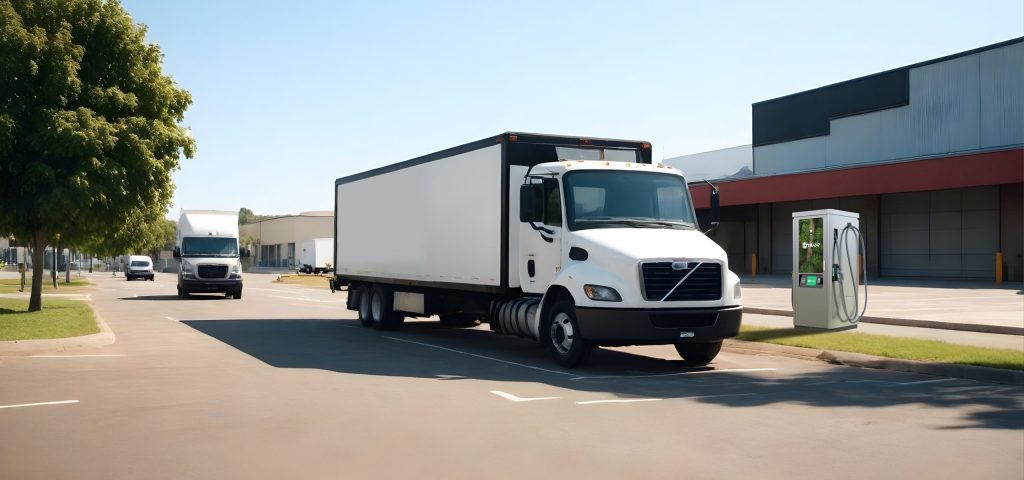
DC Fast Charging is not a universal solution, but for many UK logistics fleets, it is the most practical and future-ready choice. Fleets with high mileage, multi-shift operations, and tight delivery schedules benefit most from high-power DC infrastructure.
As fleet electrification accelerates, charging infrastructure will directly influence uptime, reliability, and long-term operational success. This is where CITA EV Charger supports logistics operators with 60–360 kW DC fast and ultra-fast chargers, purpose-built for logistics hubs. Backed by intelligent software and a Charge Point Management System (CPMS), CITA EV Charger enables better control, visibility, and optimisation of fleet charging operations.
For logistics operators planning long-term resilience, DC Fast Charger is not just an upgrade – it is a strategic investment.
Book a free consultation with CITA EV Charger Team to design a DC charging solution tailored to your logistics fleet.