 Skip to content


EV Charging Mistakes are more common than most electric vehicle owners realize – and they can quietly drive up your electricity bill. As EV adoption continues to grow across the UK, with government incentives and expanding charging infrastructure, more households and businesses are switching to electric mobility. However, rising electricity tariffs and time-of-use pricing models mean that how and when you charge matters more than ever.
While electric vehicle chargers are designed for efficiency and convenience, improper usage can lead to unnecessary energy consumption and higher costs. Whether you’re using a home electric car charger or public EV charging solutions, avoiding common mistakes can significantly improve your EV charger efficiency and help reduce EV charging bill expenses over time.
Understanding the Impact Before You Plug In
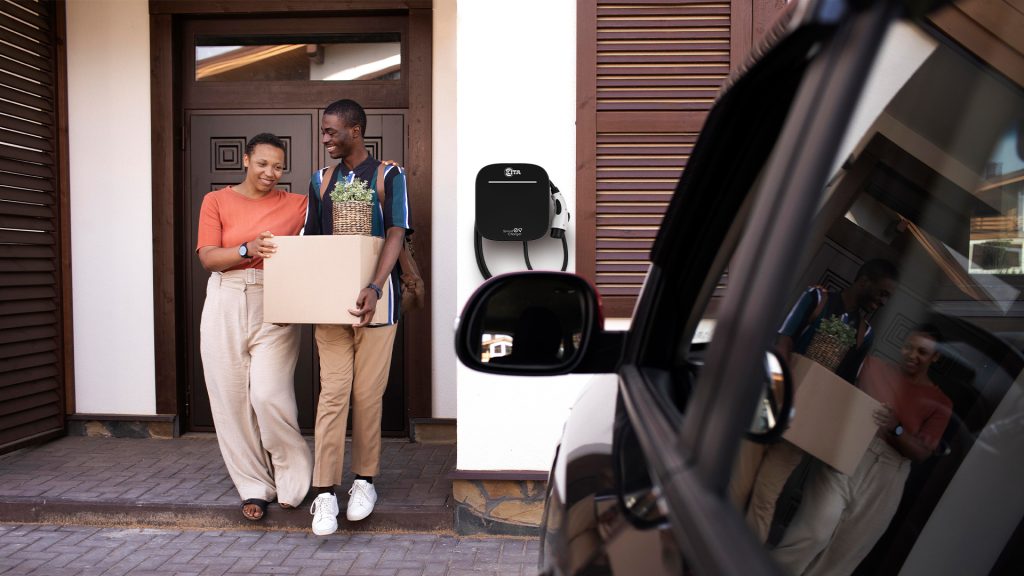
Before diving into the mistakes, it’s important to understand that smart usage of electric vehicle chargers isn’t just about convenience – it’s about cost optimization. Small inefficiencies in charging habits can compound into noticeable increases in your monthly electricity expenses.
Let’s explore the most common pitfalls.
1) Charging During Peak Hours
One of the biggest EV Charging Mistakes is charging your vehicle during peak electricity hours.
In the UK, electricity tariffs often vary depending on demand. Charging your EV during high-demand periods – typically evenings – means you’re paying premium rates per kWh.
Instead, shifting to off-peak hours (like late night or early morning) can significantly reduce costs. Smart EV charging solutions allow you to schedule charging sessions automatically, ensuring you always benefit from lower tariffs.
2) Ignoring Smart Charging Features
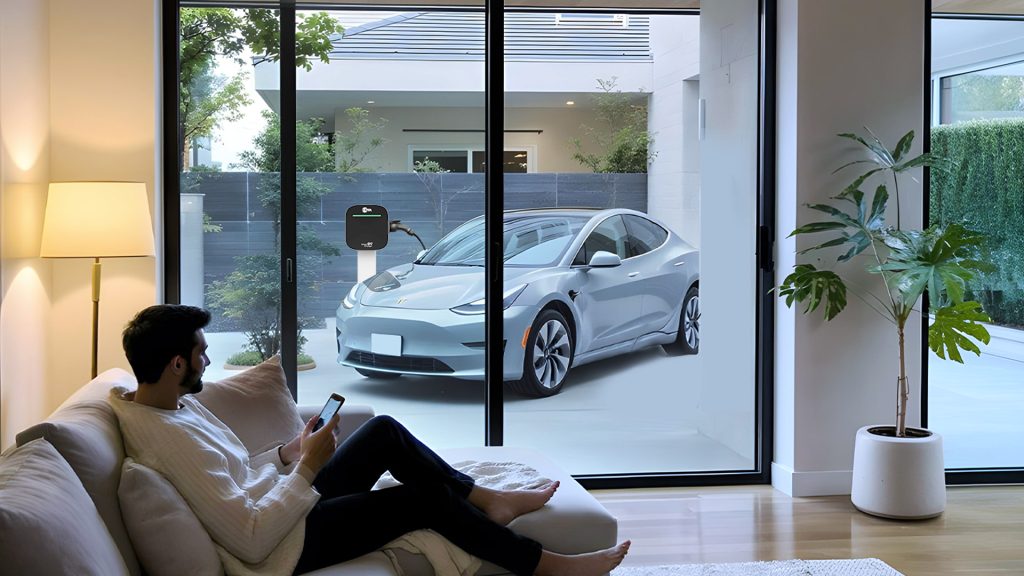
Many users invest in advanced electric vehicle chargers but fail to utilize their smart features.
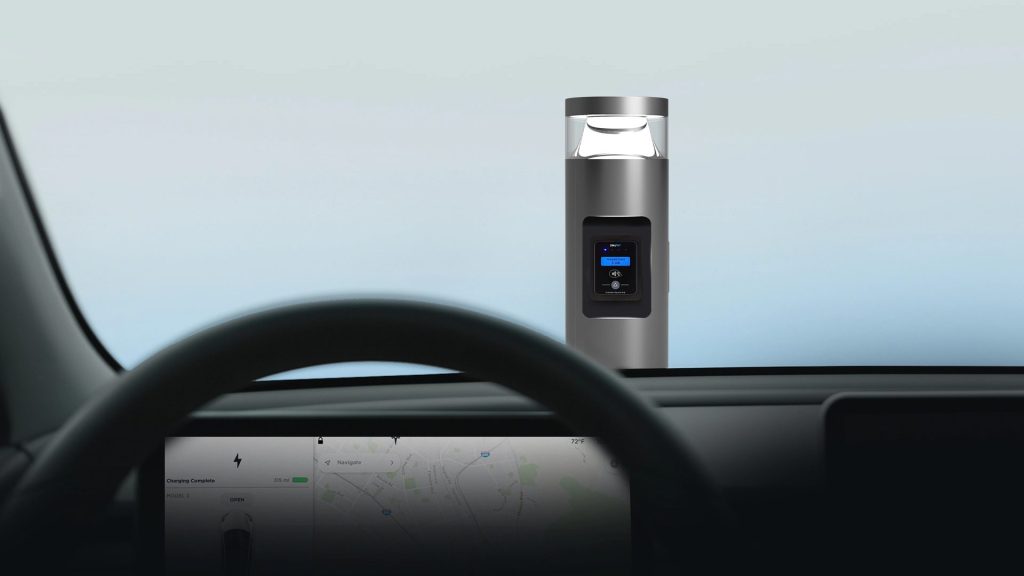
Modern systems, especially those classified as smart EV charging solutions, come with capabilities like load balancing, remote monitoring, and scheduled charging. Ignoring these features leads to inefficient charging patterns and higher electricity consumption.
Using a Certified EV Charger with integrated smart controls ensures optimized energy usage and better EV charger efficiency.
3) Overcharging Your EV Regularly
Another overlooked mistake is leaving your EV plugged in long after it’s fully charged.
While most electric car charger systems stop active charging once the battery is full, keeping the vehicle connected can still draw standby power and affect battery health over time.
Consistently overcharging not only wastes electricity but may also reduce long-term battery efficiency, indirectly increasing your energy costs.
4) Using Inefficient Charging Equipment
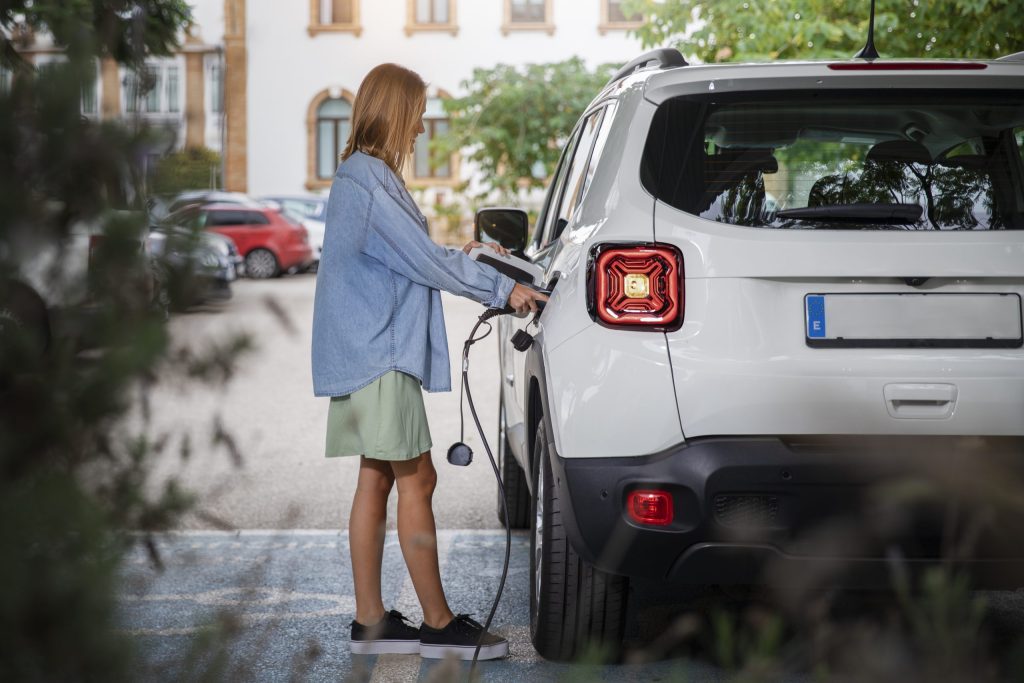
Not all electric vehicle chargers are built the same. Using outdated or low-quality chargers can significantly impact your EV charger efficiency.
Older systems may lack proper energy management features, leading to higher energy losses during charging. In contrast, modern EV charging solutions are designed to deliver power more efficiently with minimal wastage.
Investing in a Certified EV Charger ensures compliance with safety and efficiency standards, helping you reduce EV charging bill costs in the long run.
5) Poor Installation and Electrical Setup
Even the best electric car charger can underperform if installed incorrectly.
Improper wiring, outdated electrical panels, or lack of load management can cause energy losses and even safety risks. These inefficiencies often go unnoticed but contribute to higher electricity bills over time.
Professional installation of electric vehicle chargers ensures optimal performance, safety, and energy efficiency – making it a critical step for any EV owner.
6) Relying Too Much on Public Charging
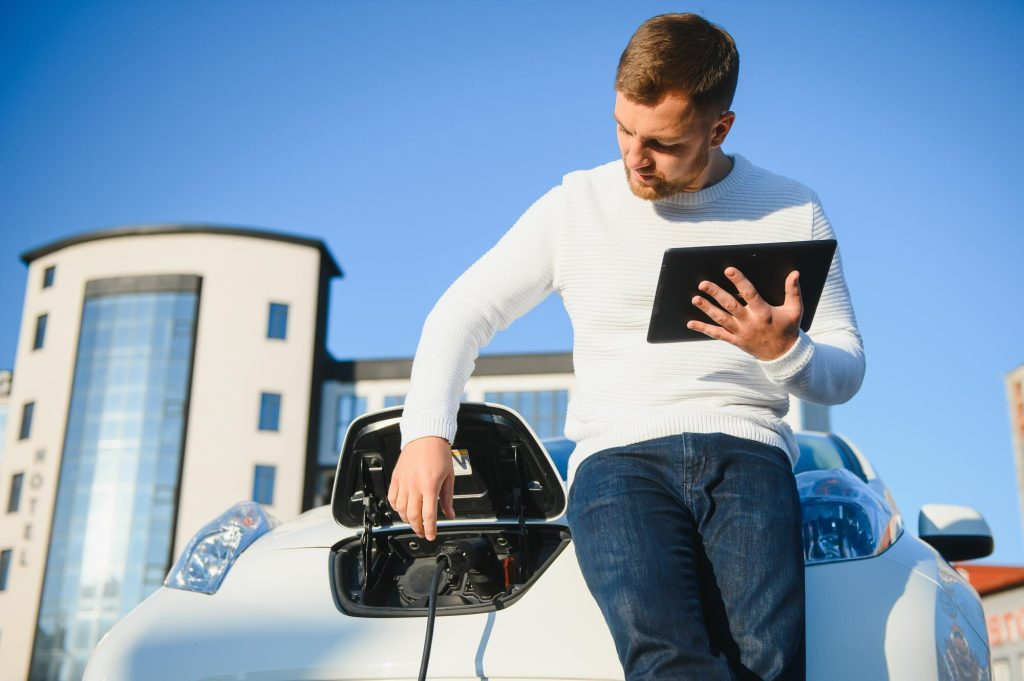
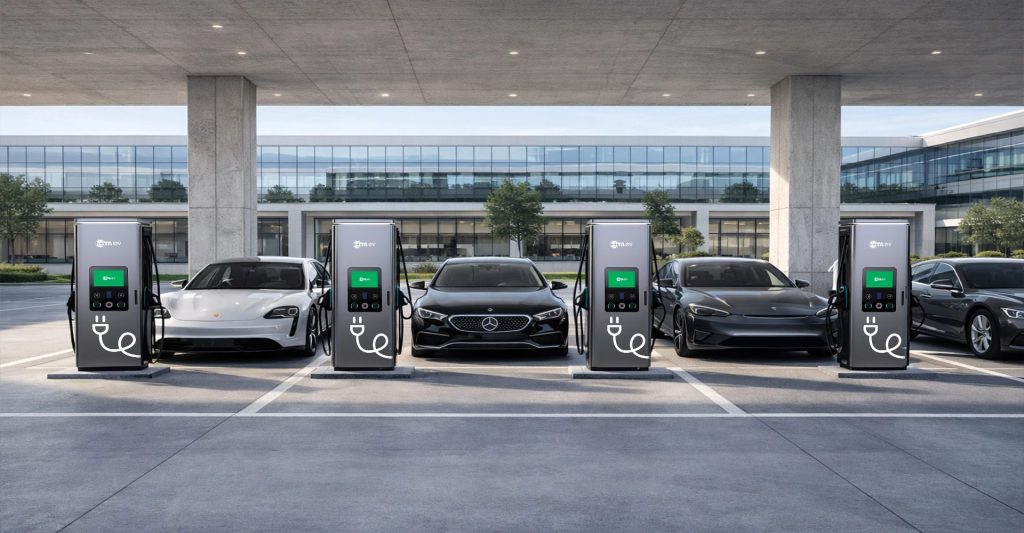
While public EV charging solutions are convenient, over-reliance on them can increase your overall charging costs.
Public chargers often include additional costs such as service fees, higher per-unit electricity rates, and parking charges. Compared to home charging using a smart electric car charger, public charging is generally more expensive.
Balancing home and public charging wisely can help maintain better cost control and improve overall EV charger efficiency.
7) Not Monitoring Your Charging Usage
The final – and often ignored – EV Charging Mistake is failing to track your charging habits.
Without monitoring energy consumption, it’s difficult to identify inefficiencies or unnecessary usage patterns. Many smart EV charging solutions provide real-time insights into energy use, charging costs, and performance metrics.
By regularly reviewing this data, you can make informed decisions to reduce EV charging bill expenses and optimize your charging routine.
Charge Smarter, Not Costlier: The Way Forward
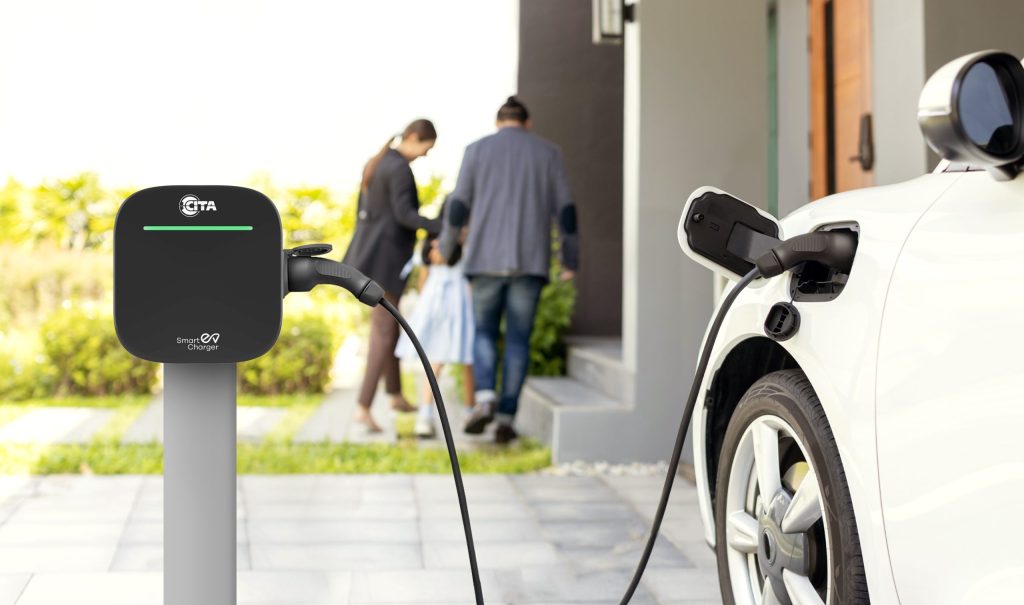
Avoiding these common mistakes can make a significant difference in your EV ownership experience. Efficient use of electric vehicle chargers isn’t just about technology – it’s about awareness, habits, and smart decision-making.
With the right approach, you can enhance EV charger efficiency, extend battery life, and keep your electricity costs under control.
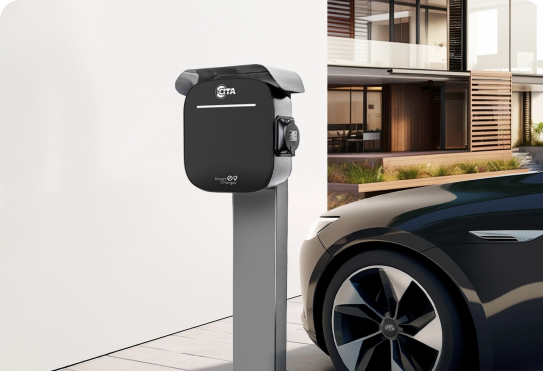
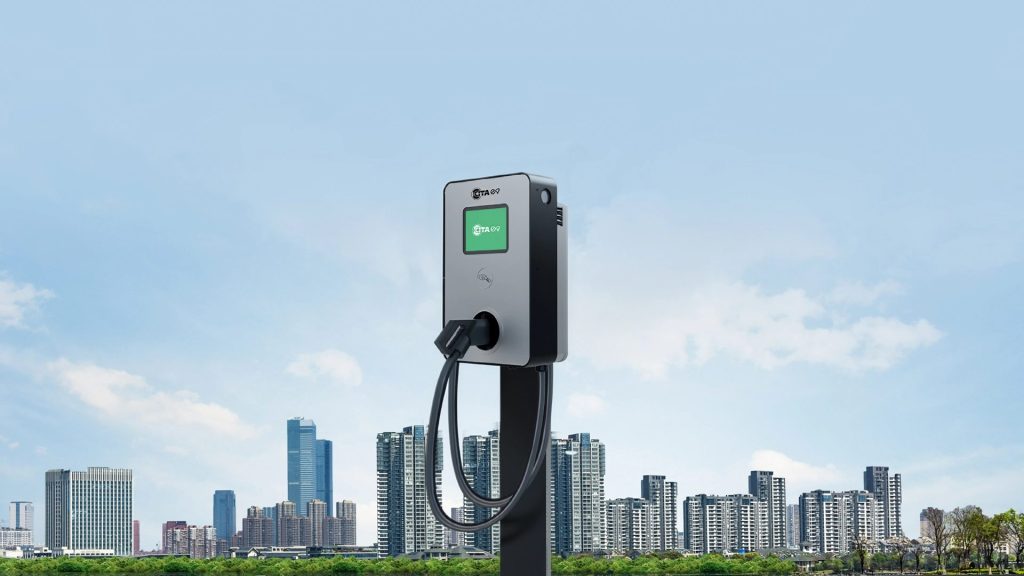
As EV adoption continues to rise, choosing the right charging partner becomes crucial. CITA EV Charger offers a complete range of smart EV charging solutions – from 7kW home units to 480 KW high-performance DC fast chargers – designed for maximum efficiency, safety, and reliability.
Whether you’re a homeowner or a business, switching to a Certified EV Charger with intelligent features can help you reduce EV charging bill costs while ensuring a seamless charging experience.
Make the smart switch today – optimize your charging, save more, and power your EV journey with confidence.