 Skip to content


EV Charging UK continues to emerge as one of the fastest-growing infrastructure sectors in 2026, driven by rising EV adoption, government support, and increasing demand for reliable charging access.
According to recent UK transport reports, the country now has tens of thousands of public EV charge points installed nationwide, with rapid charging networks expanding across motorways, cities, workplaces, and retail destinations.
As more drivers transition to electric vehicles and businesses focus on sustainability goals, the EV Charging Business is becoming a serious commercial opportunity for investors, property owners, fleet operators, and infrastructure providers alike.
Why EV Charging is Becoming a High-Growth Industry in the UK
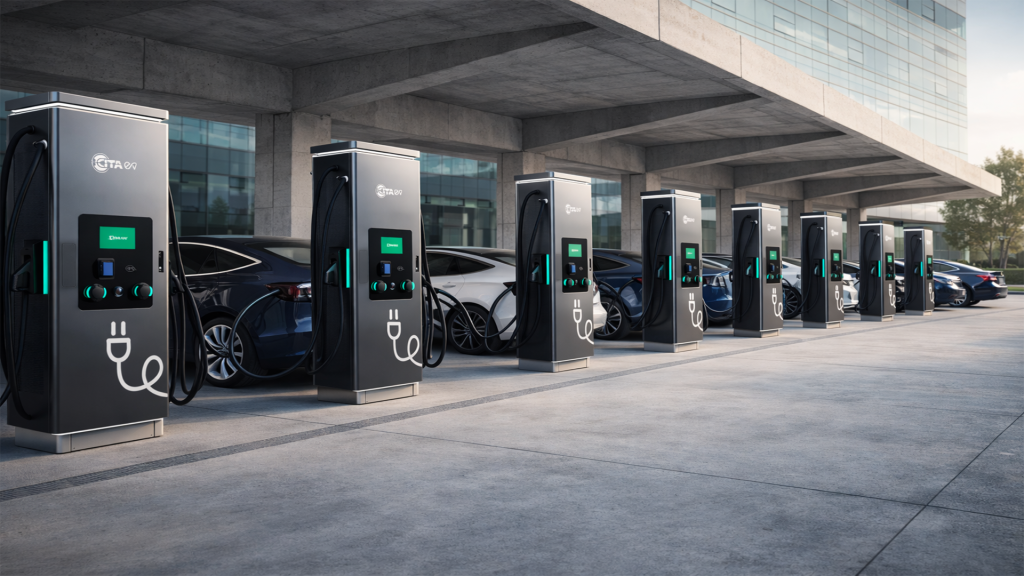
The UK’s transition toward electric mobility is no longer a future prediction – it is happening right now. Government policies supporting cleaner transportation, rising fuel costs, and increasing EV affordability are accelerating demand for charging infrastructure across the country.
As a result, EV Charging UK Infrastructure is becoming a core requirement for businesses, commercial properties, public locations, and transport networks. From supermarkets and hotels to workplaces and fleet depots, organisations are recognising the long-term revenue potential of offering EV charging services.
In 2026, profitability in the Electric Vehicle Charging Business in UK is no longer limited to large charging operators. Small businesses, commercial landlords, parking operators, and even hospitality brands are entering the market to generate new revenue streams and attract EV-driving customers.
What Makes EV Charging a Profitable Business in the UK?
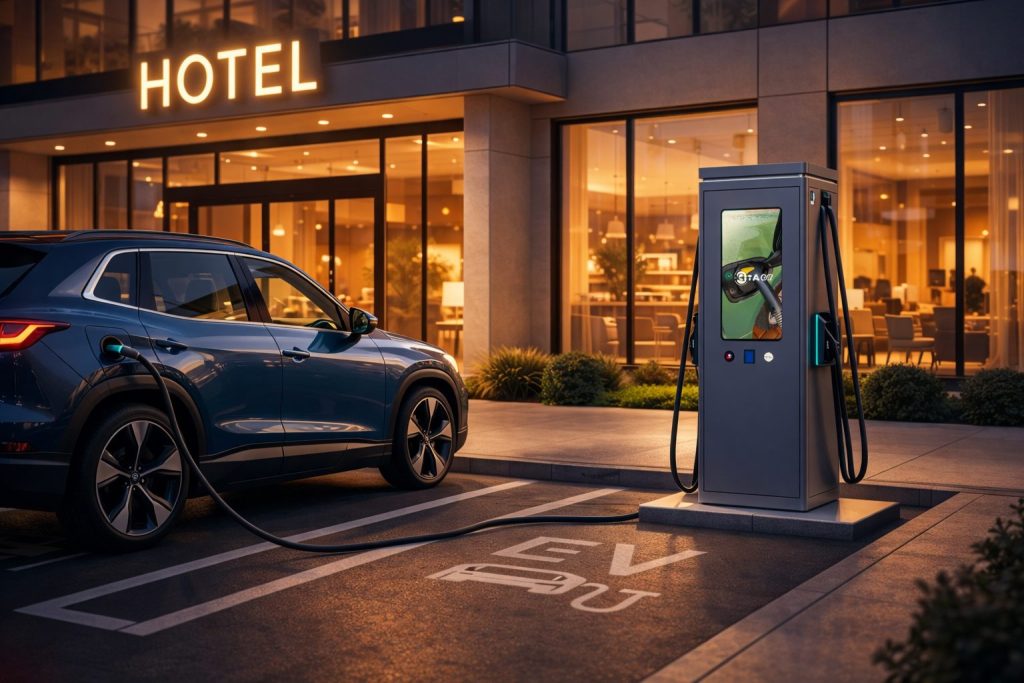
There are several factors contributing to the profitability of the EV Charging Station Business in the UK.
1) Rapid Growth in EV Adoption
The number of electric vehicles on UK roads continues to increase every year. As more consumers switch to EVs, demand for accessible charging naturally rises alongside it.
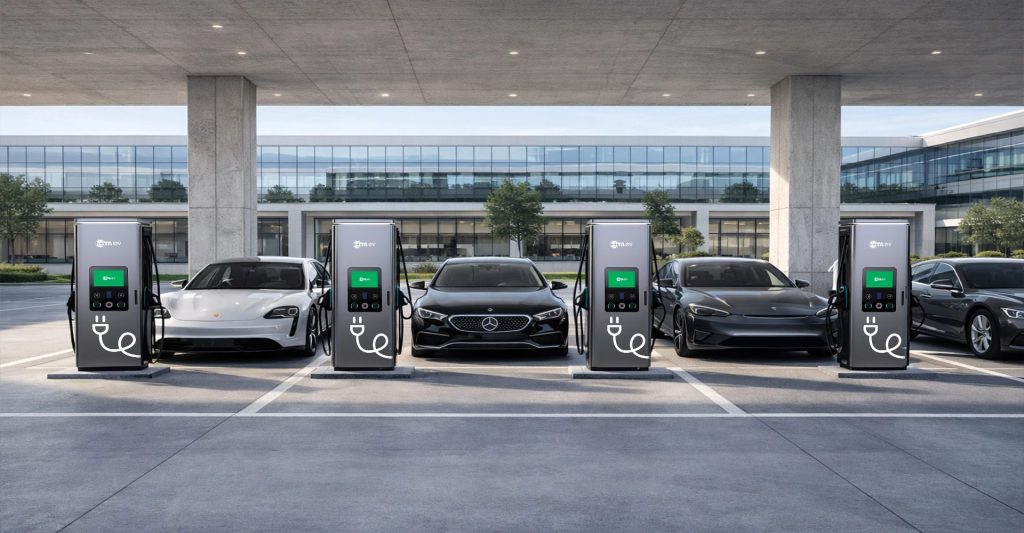
This growing demand creates opportunities for businesses to install Commercial EV Chargers in UK at strategic locations where drivers regularly stop, including:
- Shopping centres
- Hotels
- Restaurants
- Office buildings
- Motorway service stations
- Residential developments
- Fleet depots
Businesses that provide charging facilities can generate direct charging revenue while also increasing customer dwell time and foot traffic.
2) Multiple Revenue Streams
One reason the EV Charging Business is becoming attractive is the variety of revenue opportunities it creates.
Businesses can earn through:
| Revenue Opportunity | How It Generates Profit |
|---|---|
| Charging Fees | Drivers pay per kWh, session, or charging time |
| Increased Customer Visits | EV drivers spend more time at businesses while charging |
| Premium Parking | Businesses can charge higher parking rates |
| Advertising & Branding | Chargers can display ads or brand promotions |
| Fleet Charging Contracts | Long-term commercial charging agreements |
| Subscription Models | Monthly memberships for frequent users |
For many businesses, Public EV Charging is not only about direct energy sales but also about increasing overall commercial value.
3) Fast Charging Creates Higher Revenue Potential
One of the biggest profitability drivers in EV Charging UK is the growth of Fast EV Charging UK solutions.
Rapid DC chargers allow businesses to serve more vehicles per day compared to slower AC chargers. High-traffic locations such as motorway hubs, retail parks, and commercial centres benefit significantly from fast charging deployment because drivers value speed and convenience.
Faster charging turnover means:
- More charging sessions daily
- Higher customer throughput
- Greater energy sales
- Improved return on investment
As EV battery technology improves, demand for ultra-fast charging is expected to rise even further across the UK.
4) Government Support is Strengthening the Industry
The UK government continues investing heavily in EV infrastructure development. Initiatives such as the Workplace Charging Scheme (WCS), Local EV Infrastructure (LEVI) funding, and net-zero transport policies are encouraging businesses to enter the market.
These incentives help reduce installation costs and improve long-term investment confidence.
For businesses considering Workplace EV Charging, government support makes infrastructure deployment more financially accessible while helping organisations achieve ESG and sustainability goals.
This policy-driven momentum is one reason many investors see EV Charging Investment as a long-term growth sector rather than a temporary trend.
5) Smart Charging Technology Improves Profitability
Modern Smart EV Charging Solutions are transforming how charging networks operate.
Smart charging systems help businesses:
- Monitor energy usage remotely
- Optimise electricity costs
- Schedule off-peak charging
- Manage multiple chargers efficiently
- Reduce grid load pressure
- Generate operational insights and reporting
This operational efficiency directly impacts profitability by lowering maintenance costs and improving energy management.
Smart systems also enhance customer experience through features such as:
- RFID access
- Mobile app integration
- Real-time charger monitoring
- Contactless payment options
- Dynamic load balancing
As charging infrastructure scales across the country, smart technology is becoming essential for sustainable business growth.
Which Businesses Benefit Most from EV Charging?
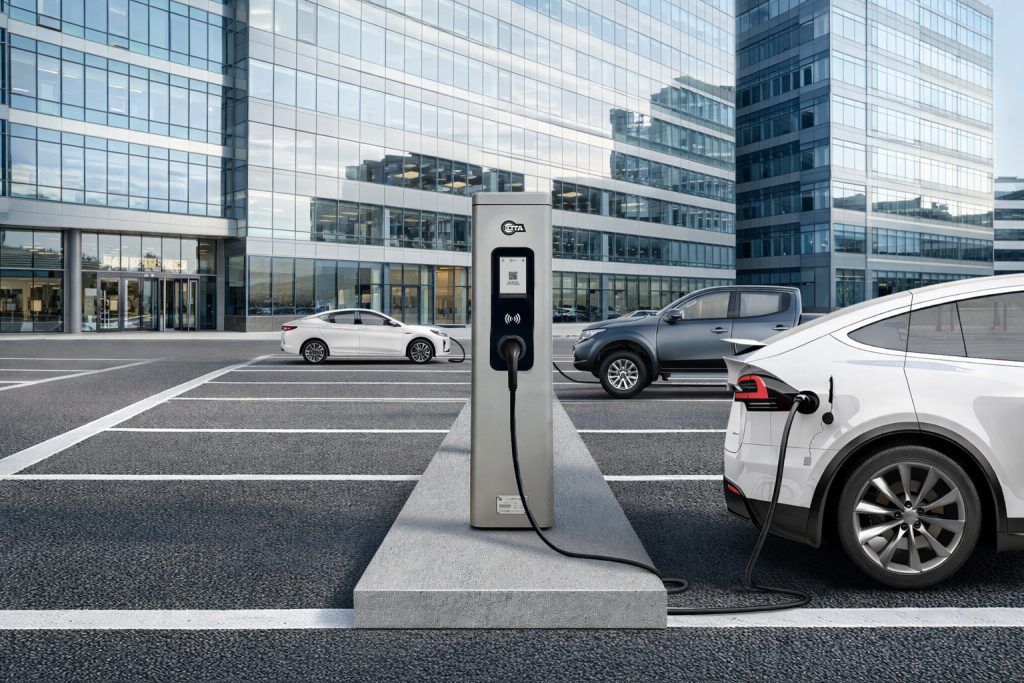
As EV adoption continues rising across the UK, several industries are already experiencing strong commercial advantages from investing in EV Charging Infrastructure.
Beyond generating direct charging revenue, EV charging stations help businesses attract more visitors, improve customer experience, support sustainability goals, and future-proof their operations.
Hospitality Sector: Hotels, resorts, restaurants, and cafés are increasingly adopting EV charging to attract modern EV-driving customers. EV Charging facilities encourage guests to stay longer, improve overall customer satisfaction, and enhance brand perception. For many hospitality businesses, offering charging access has become a competitive advantage in attracting premium travellers and eco-conscious consumers.
Retail & Shopping Centers: Retail parks, supermarkets, and shopping centres benefit significantly from Public EV Charging installations because EV drivers often spend more time inside stores while their vehicles charge. This increased dwell time can lead to higher customer spending, improved foot traffic, and stronger customer retention.
Commercial Offices: Businesses investing in Workplace EV Charging UK create added convenience for employees while strengthening their ESG and sustainability commitments. Office charging also supports employee EV adoption and helps organisations position themselves as forward-thinking and environmentally responsible employers.
Fleet Operators & Logistics Businesses: Fleet operators are among the biggest beneficiaries of Commercial EV Chargers in UK. Dedicated charging infrastructure helps businesses reduce fuel costs, improve operational efficiency, and support fleet electrification goals. As delivery services, taxis, and logistics companies transition toward electric fleets, reliable charging access becomes essential for uninterrupted operations.
Real Estate & Property Developers: Property developers are increasingly integrating Smart EV Charging Solutions into residential and commercial projects to increase property appeal and long-term asset value. EV-ready developments are becoming more attractive to buyers, tenants, and investors looking for future-ready infrastructure aligned with evolving transport trends.
Fuel Stations & Motorway Service Areas: Traditional fuel stations and motorway service operators are rapidly expanding into Fast EV Charging UK solutions to stay relevant in the evolving mobility landscape. Rapid charging hubs create new revenue opportunities while helping operators attract high volumes of EV drivers travelling long distances.
Public Sector & Municipal Facilities: Local councils, public parking operators, and municipal authorities are also benefiting from EV Charging Investment by improving urban mobility infrastructure and supporting clean transportation initiatives. Public charging deployment helps cities reduce emissions while improving charging accessibility for residents and visitors alike.
Estimated Profitability Potential

While profitability depends on charger type, utilisation rate, electricity costs, and location, many businesses are now viewing EV charging as a scalable infrastructure investment.
Example ROI Factors for EV Charging Businesses
| Factor | Impact on Profitability |
|---|---|
| Charger Location | High-traffic areas generate more usage |
| Charger Speed | Fast chargers increase daily turnover |
| Electricity Pricing | Impacts operational margins |
| Network Management | Smart software improves efficiency |
| Customer Demand | Higher EV density improves utilisation |
| Government Incentives | Reduces initial investment cost |
Businesses located in urban areas, motorway routes, or commercial destinations generally experience stronger utilisation rates.
Why 2026-27 is a Strong Time to Invest in EV Charging
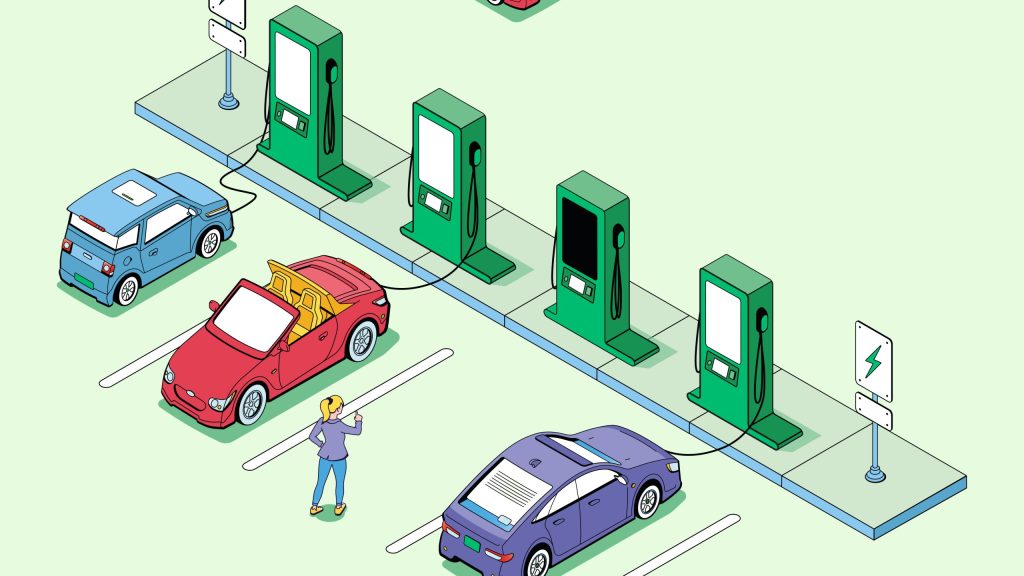
Several market trends are making 2026 a particularly important year for EV Charging Investment in the UK:
- Rapid EV adoption growth
- Expansion of public charging networks
- Increasing fleet electrification
- Strong government support
- Rising demand for sustainable transport solutions
- Growing consumer preference for convenient charging access
Businesses entering the market early can position themselves ahead of increasing demand while building long-term infrastructure value.
The EV Charging Station Business is transitioning from an emerging opportunity into a core component of future transportation infrastructure.
Building a Profitable EV Charging Future with the Right Partner

As EV adoption accelerates nationwide, investing in reliable and scalable EV Charging UK infrastructure is becoming one of the most promising long-term business opportunities in 2026. From Public EV Charging and Workplace EV Charging to fleet operations and commercial charging hubs, businesses across multiple sectors are discovering the financial and strategic value of entering the EV charging market.
At CITA EV Charger, we support businesses with advanced AC and DC charging solutions designed for commercial, workplace, fleet, and public charging environments. Our smart charging systems combine performance, scalability, and intelligent energy management to help businesses maximise operational efficiency and long-term profitability.
Whether you are planning a new EV Charging Investment or expanding an existing charging network, CITA EV Charger offers future-ready infrastructure designed to support the evolving demands of electric mobility in the UK.
Explore our website today and discover how CITA EV Charger can help power your EV charging business growth in 2026 and beyond.