 Skip to content


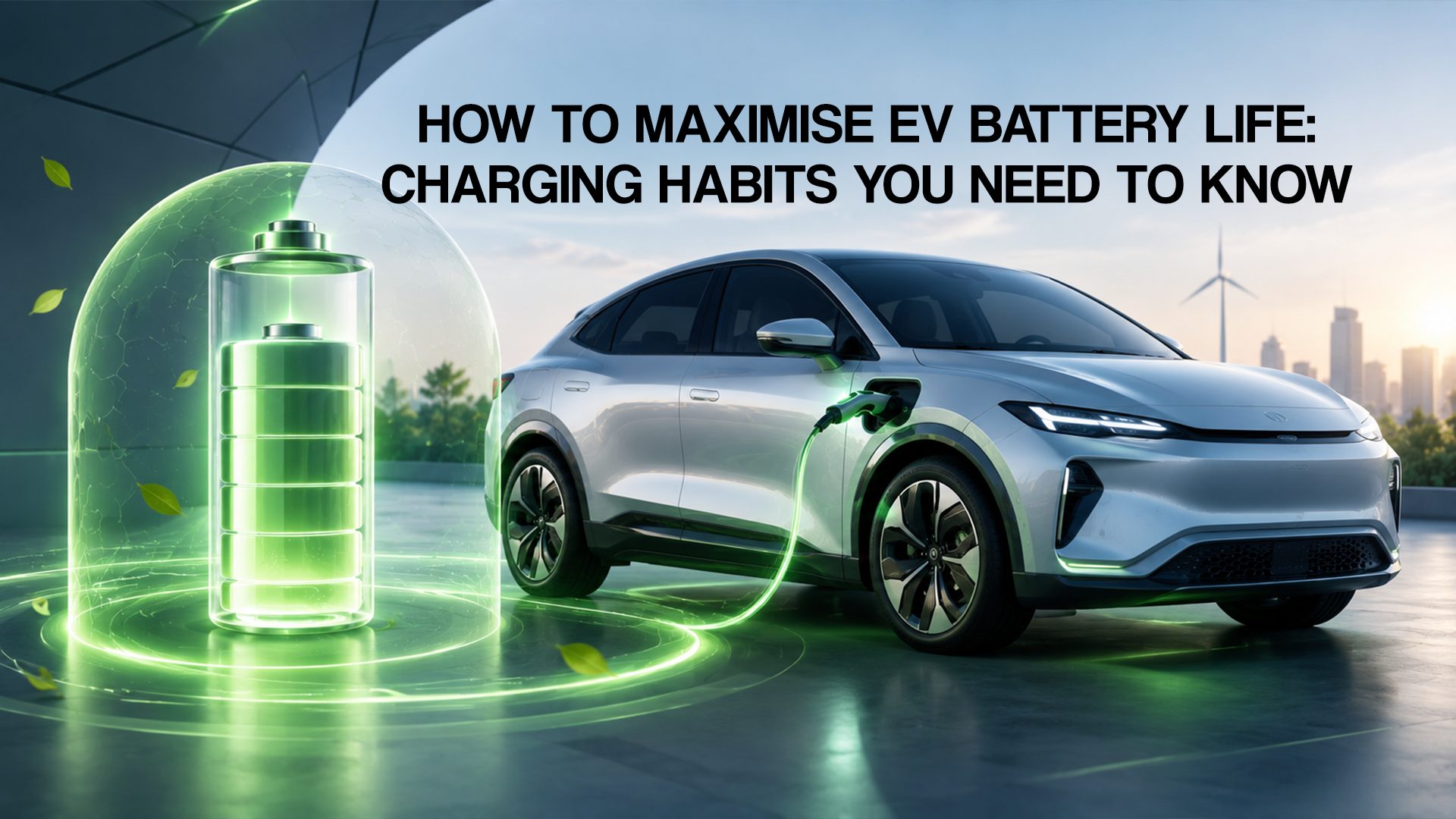
Maximise EV Battery Life and enjoy better performance, lower ownership costs, and greater long-term reliability. But what actually makes the biggest difference to battery health?
With the UK public charging network now exceeding 120,000 EV chargers and EV adoption continuing to grow, understanding how charging habits affect your battery is more important than ever.
The good news is that a few simple adjustments can help protect your battery and improve your overall EV ownership experience.
Smart EV Charging Habits That Help Protect Your EV Battery
The transition to electric mobility requires more than just electric vehicles. It demands a
Modern EV batteries are designed to last for many years, but charging behaviour still plays a major role in determining how efficiently they perform over time.
Following proven EV Charging Habits can help reduce battery degradation, improve efficiency, and maximise the value of your investment.
complete ecosystem of charging accessibility, grid readiness, smart energy management, and consumer confidence. Government policies, incentives, and investments help bridge the gap between growing EV demand and the infrastructure required to support it.
Here are seven key reasons why government support continues to shape the future of EV charging across the UK.
1) Keep Your Battery Between 20% and 80%
One of the most effective ways to Maximise EV Battery Life is to avoid regularly charging to 100% or letting the battery drop close to zero.
Lithium-ion batteries experience less stress when operating within a moderate charge range. For daily driving, maintaining a battery level between 20% and 80% can significantly support long-term EV Battery Health.
Many modern EVs allow users to set charging limits through the vehicle system or charging app. Taking advantage of this feature is a simple yet highly effective step.
2) Reserve DC Fast Charging for When You Really Need It
Strong EV Charging Policies UK have helped create confidence amon
Fast charging is convenient, especially during long journeys, but it should not become your primary charging method.
High-power DC charging generates additional heat, which can contribute to battery wear when used excessively. While occasional use is perfectly acceptable, relying mainly on AC charging at home or work can help improve EV Battery Performance over time.
A balanced charging routine remains one of the best Charging Practices for EVs.
g both consumers and businesses. Policies supporting zero-emission vehicle adoption, clean transport targets, and ICE vehicle phase-out plans are encouraging more people to switch to electric vehicles.
As EV ownership rises, demand for Fast EV Charging UK solutions naturally increases. Government-backed regulations ensure infrastructure development keeps pace with EV market growth, preventing charging shortages and supporting long-term sustainability goals.
3) Take Advantage of Smart Charging Features
The rise of Workplace EV Charging UK infrastructure is another major result of
Many EVs and charging platforms now offer advanced scheduling and energy management features.
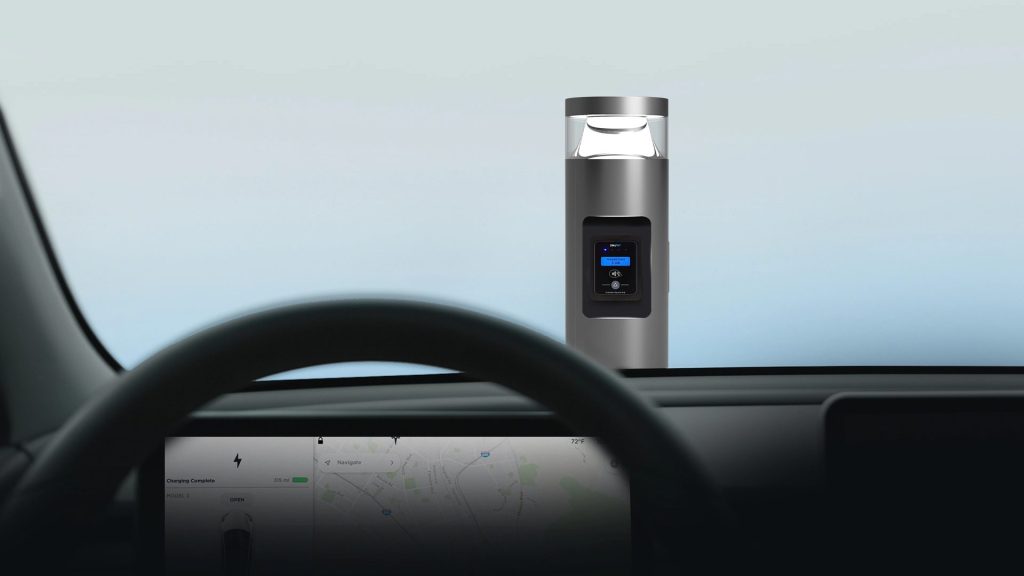
Smart EV Charging allows drivers to schedule charging sessions during off-peak periods, manage charging limits, and optimise battery usage automatically. These intelligent charging controls not only reduce electricity costs but also promote healthier charging cycles.
Using technology to automate charging is becoming an increasingly important aspect of modern Electric Vehicle Battery Care.
government incentives. Businesses can benefit from grants and tax advantages that help offset installation costs for employee and fleet charging stations.
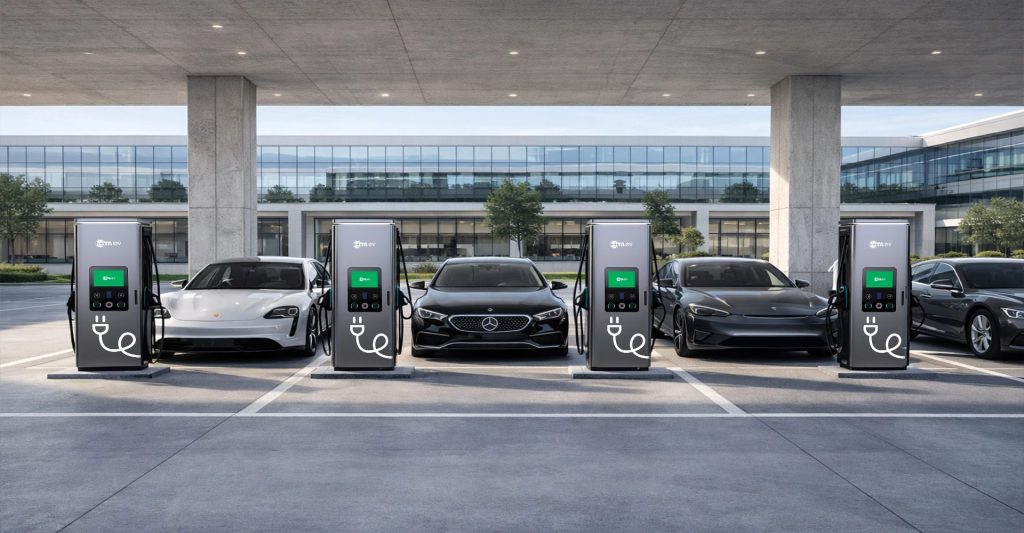
This support encourages companies to invest in Smart EV Charging Solutions UK that improve convenience for employees while supporting corporate sustainability initiatives. Workplace charging also reduces dependency on public networks during peak hours, creating a more balanced charging ecosystem.
4) Avoid Frequent Full Charges
Although charging to 100% is occasionally necessary before long-distance travel, doing so every day is generally unnecessary.
Keeping the battery at maximum charge for extended periods can increase cell stress and accelerate battery ageing. If your daily driving requirements do not demand a full battery, limiting charging to around 80% can help Maximise EV Battery Life while still providing more than enough driving range.
5) Protect Your EV from Extreme Temperatures
Temperature is one of the biggest factors affecting battery longevity.
During hot weather, excessive heat can accelerate battery degradation. In colder conditions, charging efficiency may temporarily decrease. Whenever possible:
- Park in shaded areas during summer
- Use covered parking or garages during winter
- Pre-condition the battery before charging in cold weather
These small actions can significantly improve overall EV Battery Maintenance and support long-term performance.
6) Drive Smoothly and Efficiently
EV Charging habits are important, but driving behaviour also influences battery health.
Frequent rapid acceleration, aggressive braking, and high-speed driving increase energy consumption and place additional stress on battery systems. Smooth acceleration and efficient driving techniques help reduce energy demand while extending vehicle range.
Drivers who adopt more efficient habits often experience better EV Battery Performance and lower charging costs.
7) Make Regenerative Braking Part of Your Routine
Most modern electric vehicles feature regenerative braking technology that converts kinetic energy into electricity.
Instead of wasting energy during braking, the vehicle recaptures some of that power and sends it back to the battery. This improves overall efficiency and reduces the need for additional charging.
For urban driving environments with frequent stop-start traffic, regenerative braking can play an important role in helping to Maximise EV Battery Life.
8) Keep Your EV Software Updated
Vehicle manufacturers regularly release software updates that improve battery management systems, charging algorithms, and energy efficiency.
These updates can help optimise charging behaviour, improve thermal management, and enhance overall battery operation. Ignoring software updates may mean missing important improvements designed to support EV Battery Health.
Always install recommended updates from your vehicle manufacturer.
9) Store Your EV Properly During Long Periods of Inactivity
If you plan to leave your EV parked for several weeks or months, proper storage becomes essential.
Experts generally recommend:
- Leaving the battery between 40% and 60%
- Avoiding a fully charged battery during storage
- Disconnecting unnecessary charging equipment
- Checking battery levels periodically
Following these guidelines is an important part of How to Extend EV Battery Life when the vehicle is not being used regularly.
10) Use the Right Charging Equipment
Not all charging solutions offer the same level of performance and reliability.
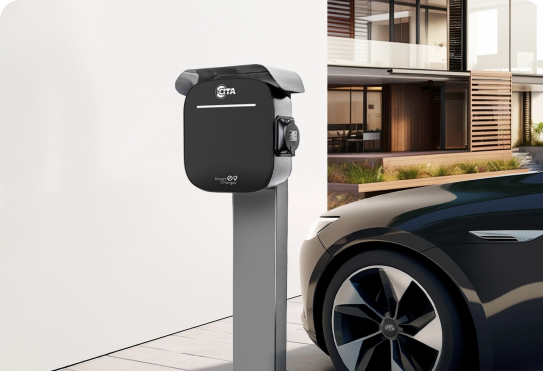
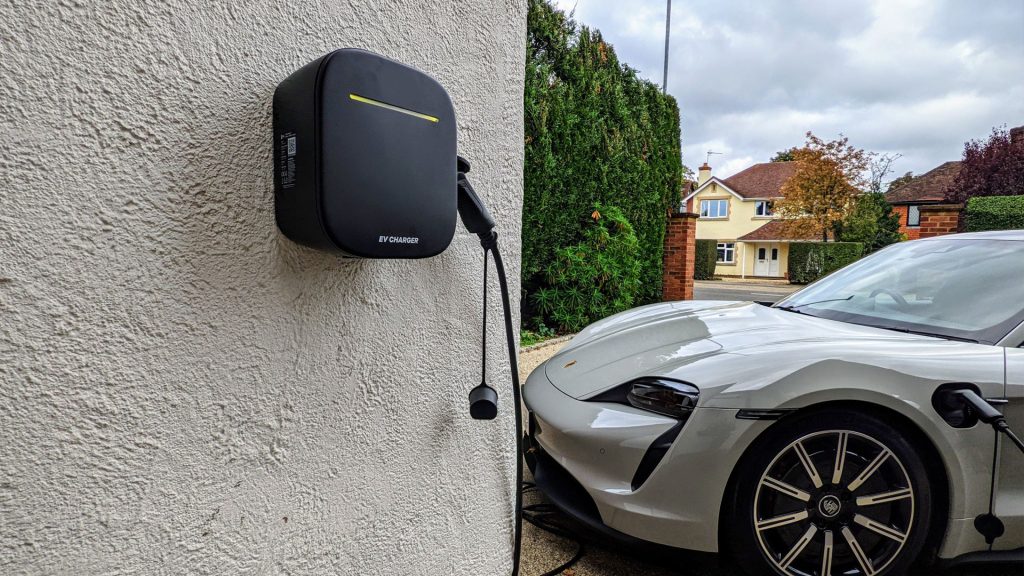
Choosing a high-quality EV charger ensures stable power delivery, intelligent charging controls, and compatibility with your vehicle. Poor-quality charging equipment may result in inconsistent charging behaviour that can negatively affect battery performance.
Investing in reliable charging infrastructure is one of the most overlooked aspects of effective Electric Vehicle Battery Care.
Power Smarter with the Right EV Charging Solution in UK

Learning how to Maximise EV Battery Life starts with smarter charging habits, but it also requires the right charging technology. From intelligent scheduling and energy management to reliable day-to-day charging, the right EV charger can make a significant difference in battery care and charging efficiency.
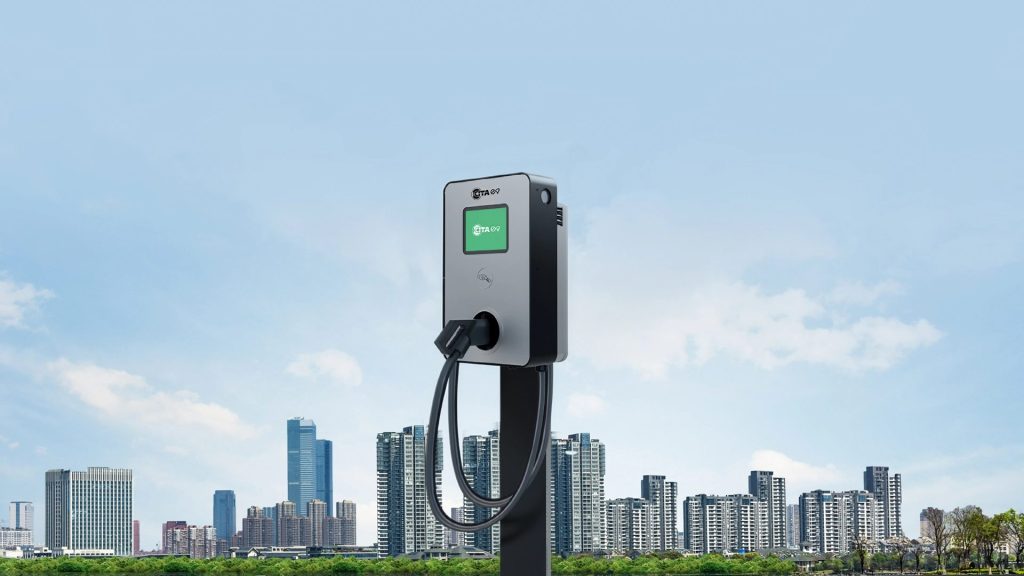
CITA EV Charger offers smart EV charging solutions designed to support efficient charging, improved battery management, and a seamless charging experience. Whether you’re charging at home, at work, or across commercial locations, choosing the right charging solution helps protect your investment and keeps your EV ready for every journey.
Explore CITA EV Charger solutions today and take the next step towards smarter, more efficient electric mobility.