 Skip to content


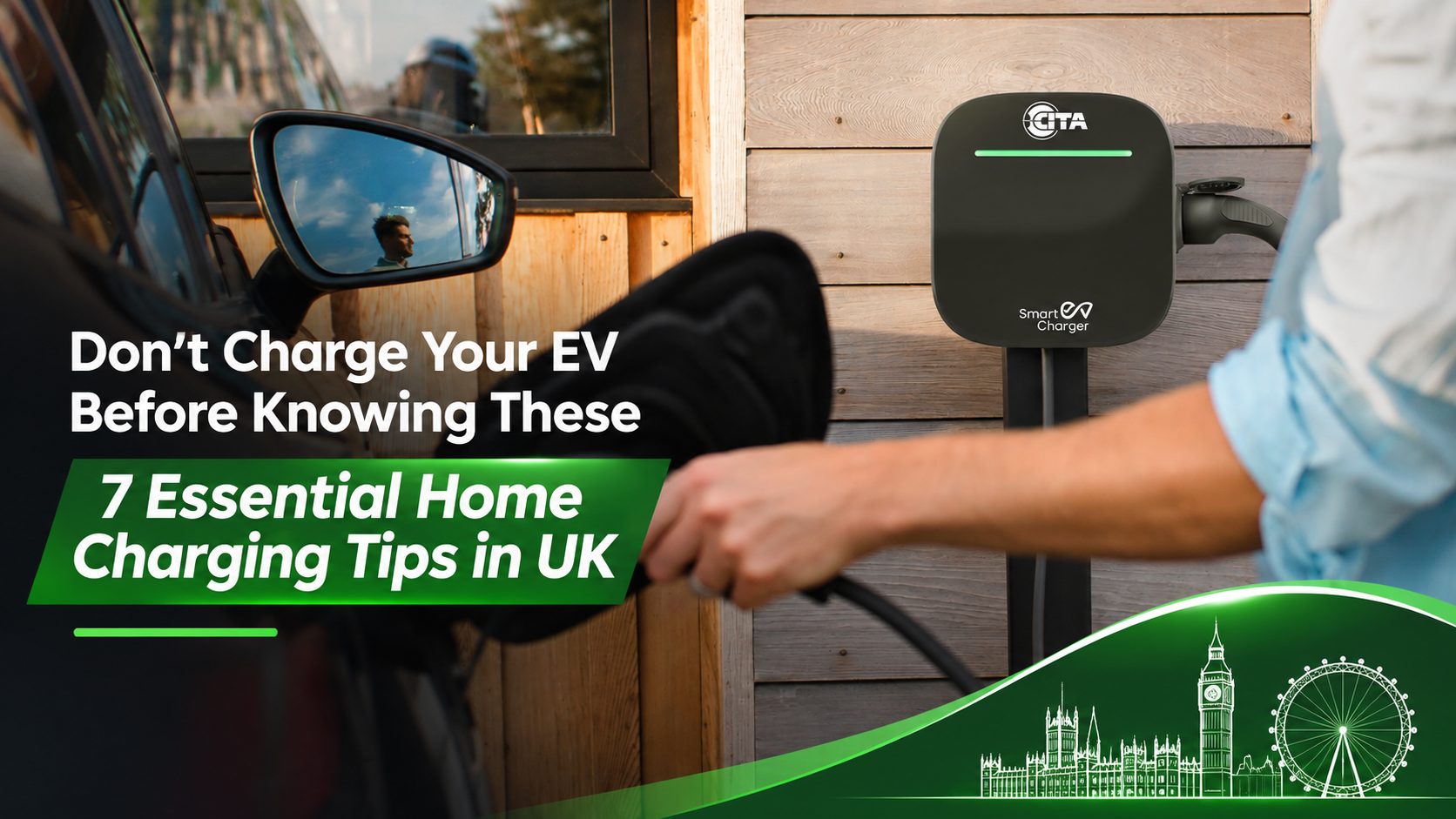
The Best Home Charging Tips in UK can help electric vehicle owners make home charging safer, more convenient and cost-effective. Whether you have recently purchased your first electric car or have been driving one for years, understanding how to charge it correctly can improve your everyday ownership experience.
Electric vehicle adoption continues to grow across the UK. According to the Society of Motor Manufacturers and Traders (SMMT), battery electric vehicles accounted for approximately 23.4% of new car registrations in 2025. As more drivers transition to electric mobility, convenient home charging is becoming an important part of EV ownership.
However, charging an electric car involves more than simply connecting a cable. Charger capacity, battery chemistry, electricity tariffs, installation safety and charging schedules can all influence the experience.
Why Is Home EV Charging Important for UK Drivers?
Home charging allows electric vehicle owners to replenish their batteries while their cars are parked, particularly overnight.
Unlike public charging stations, which may require additional travel or waiting time, a dedicated home charger provides convenient access to electricity whenever needed.
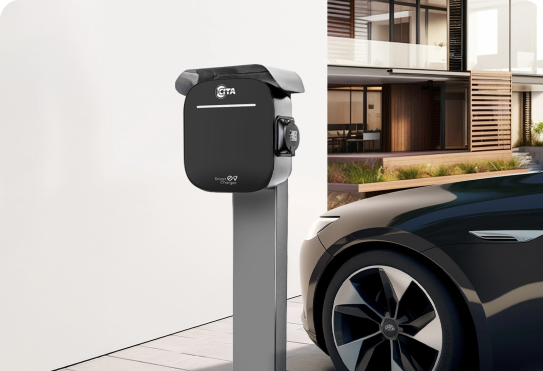
For drivers with off-street parking, a properly installed smart home EV charger can also support charging schedules, energy monitoring and integration with compatible electricity tariffs.
The following Best Home Charging Tips in UK focus on helping drivers understand charging equipment, battery care, electrical safety and long-term charging costs.
7 Essential Home EV Charging Tips Every UK Driver Should Know
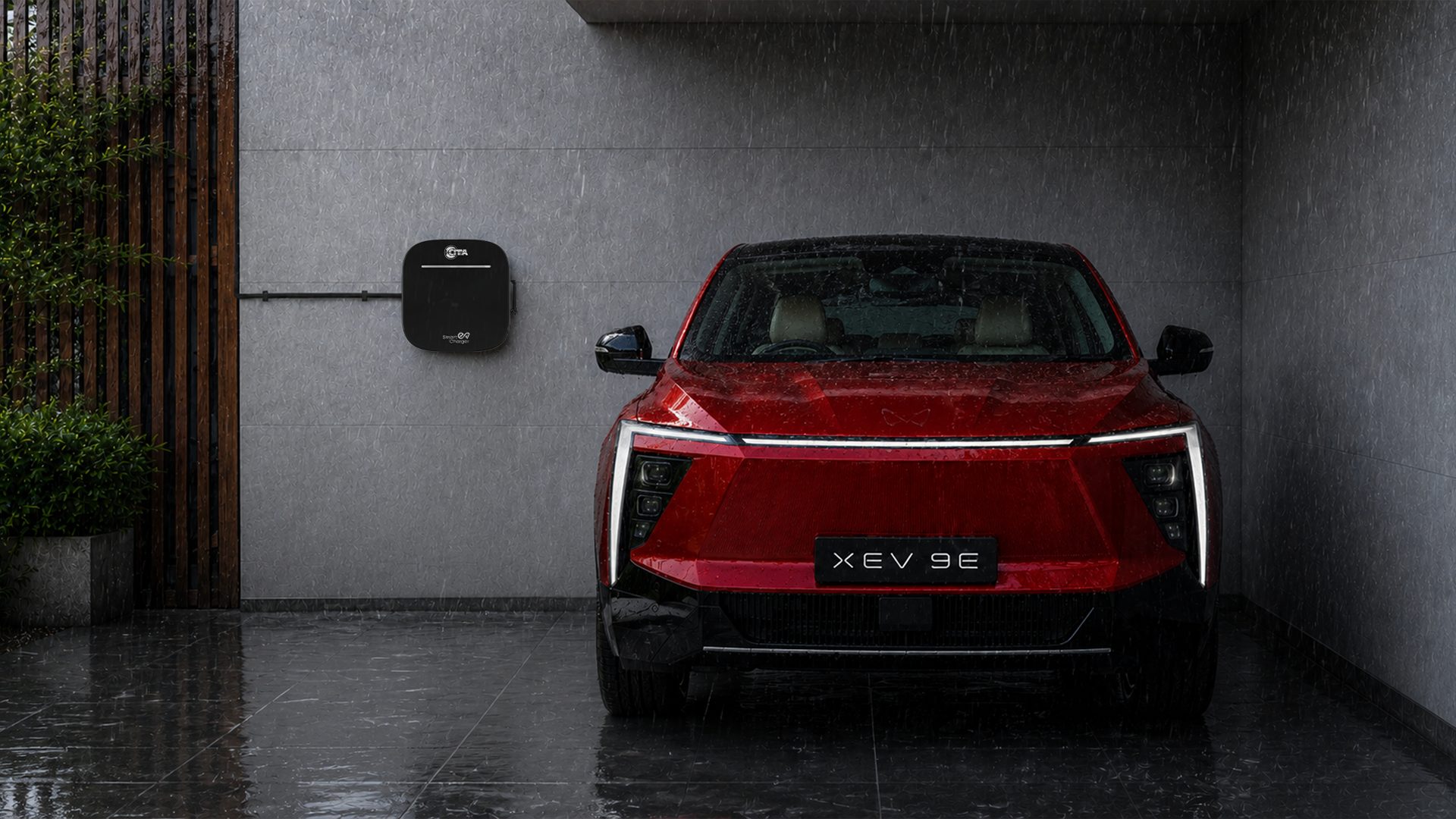
1) Choose the Right EV Charger for Your Home
Selecting suitable charging equipment is the foundation of convenient home EV charging.
Most UK homes use single-phase electricity, making a 7 kW-class AC charger a common residential option. Properties with suitable three-phase supplies may accommodate 11 kW or 22 kW chargers.
However, charging speed also depends on your vehicle’s onboard charger.
For example, a vehicle that supports a maximum AC charging rate of 7.4 kW cannot charge at 22 kW simply because it is connected to a higher-powered charging station.
Before purchasing a 7kW home EV charger or another model, check your vehicle’s charging specifications, electrical supply and installation requirements.
A qualified installer can help determine the appropriate charging capacity for your property.
2) Follow Your EV Manufacturer's Recommended Battery Charging Limits
One of the Best Home Charging Tips in UK is to understand how your vehicle’s battery should be charged during everyday use.
Many electric vehicle manufacturers recommend maintaining a daily charging limit below 100%, particularly for certain lithium-ion battery chemistries.
For some vehicles, an 80% charging limit may be recommended for routine driving, while charging to 100% can be useful before longer journeys.
However, these recommendations vary. Some vehicles equipped with lithium iron phosphate (LFP) batteries have different charging guidance, including periodic full charging.
Always follow the battery charging instructions provided by your vehicle manufacturer.
Using the correct charging limit can support battery care without unnecessarily restricting your driving needs.
3) Make the Most of Smart Charging and Off-Peak Electricity Tariffs
Modern home EV charging in UK can become more economical when drivers combine smart charging technology with a suitable electricity tariff.
Some UK energy suppliers offer time-of-use tariffs with lower electricity prices during designated off-peak periods.
Smart chargers can allow drivers to schedule charging sessions during these hours rather than charging immediately after arriving home.
Depending on the model, additional features may include energy monitoring, remote controls, charging-session history and dynamic load management.
For example, a driver returning home at 6 PM could schedule charging to begin during an eligible off-peak tariff window and finish before their morning departure.
However, off-peak charging only provides savings when the household’s tariff offers an appropriate price difference.
4) Follow Essential Home EV Charging Safety Practices
Electrical safety is an important consideration for anyone charging an electric vehicle at home.
A dedicated charging point should be installed by a competent professional following applicable UK electrical requirements, including relevant provisions of BS 7671.
Important EV charging safety tips include:
- Avoid using ordinary extension leads or unsuitable adapters for EV charging.
- Inspect charging cables and connectors for visible damage.
- Keep charging equipment clean and follow manufacturer instructions.
- Ensure outdoor chargers have suitable weather protection.
- Stop using equipment that repeatedly trips, overheats or displays electrical fault warnings.
Modern chargers may incorporate protective features such as residual current protection arrangements, fault detection and temperature monitoring.
Always use equipment designed for EV charging rather than relying on improvised electrical connections.
5) Understand How Long Your EV Takes to Charge at Home
Charging time depends on battery capacity, available charging power and the vehicle’s onboard charging limit.
For example, the following table illustrates the approximate time required to add 40 kWh of energy under ideal conditions.
| Charging power | Approximate time |
|---|---|
| 7 kW AC charger | 6-7 hours |
| 11 kW AC charger | 5-6 hours |
| 22 kW AC charger | 4-5 hours |
Actual charging times may be longer because of charging losses, temperature conditions and vehicle charging limitations. Household socket charging should only be undertaken where the vehicle manufacturer and electrical safety guidance permit it.
For many UK drivers, overnight charging with a suitable AC charger provides enough energy for daily commuting.
Understanding charging speeds helps avoid investing in unnecessarily powerful equipment.
6) Consider Weather Conditions and Battery Temperature
UK weather conditions can influence EV charging performance, particularly during colder months.
Low battery temperatures can reduce charging efficiency and may temporarily limit charging power.
Some electric vehicles use battery thermal management systems to regulate battery temperature, while others offer preconditioning features to prepare the battery before driving or charging.
Useful EV battery charging tips for winter include following the vehicle’s preconditioning guidance, allowing sufficient time for charging and avoiding unnecessary concern if charging takes longer in cold weather.
For outdoor home installations, choose equipment with appropriate ingress protection ratings and operating temperature specifications.
A properly installed charger designed for outdoor conditions can support charging throughout the year.
7) Monitor Charging Costs and Maintain Your Home Charger
Understanding electricity consumption can help EV owners estimate their monthly charging expenses.
For example, if your household electricity tariff costs 25p per kWh, purchasing 40 kWh of electricity would cost approximately £10.
Actual costs depend on your tariff, the energy drawn from the grid and any charging losses.
A charger with energy monitoring capabilities can make consumption easier to track.
Regular maintenance is equally important. Check cables and connectors for damage, keep the charging equipment unobstructed and follow manufacturer guidance for software updates and inspections.
These simple habits can support long-term charging performance and help identify issues before they become more serious.
How Can UK EV Owners Reduce Home Charging Costs?
Understanding the Best Home Charging Tips in UK can also help drivers make better financial decisions.
Where available, choosing an appropriate off-peak electricity tariff may reduce charging expenses. Smart charging schedules can help ensure the vehicle charges during the selected tariff period.
Drivers with compatible solar PV systems may also consider chargers that support solar integration, allowing some charging energy to come from on-site generation.
However, the financial benefits depend on electricity prices, solar production, charging requirements and equipment costs.
Before purchasing charging equipment, compare the total cost of installation, electricity consumption, software features and ongoing maintenance.
Make Home EV Charging Easier with CITA EV Charger
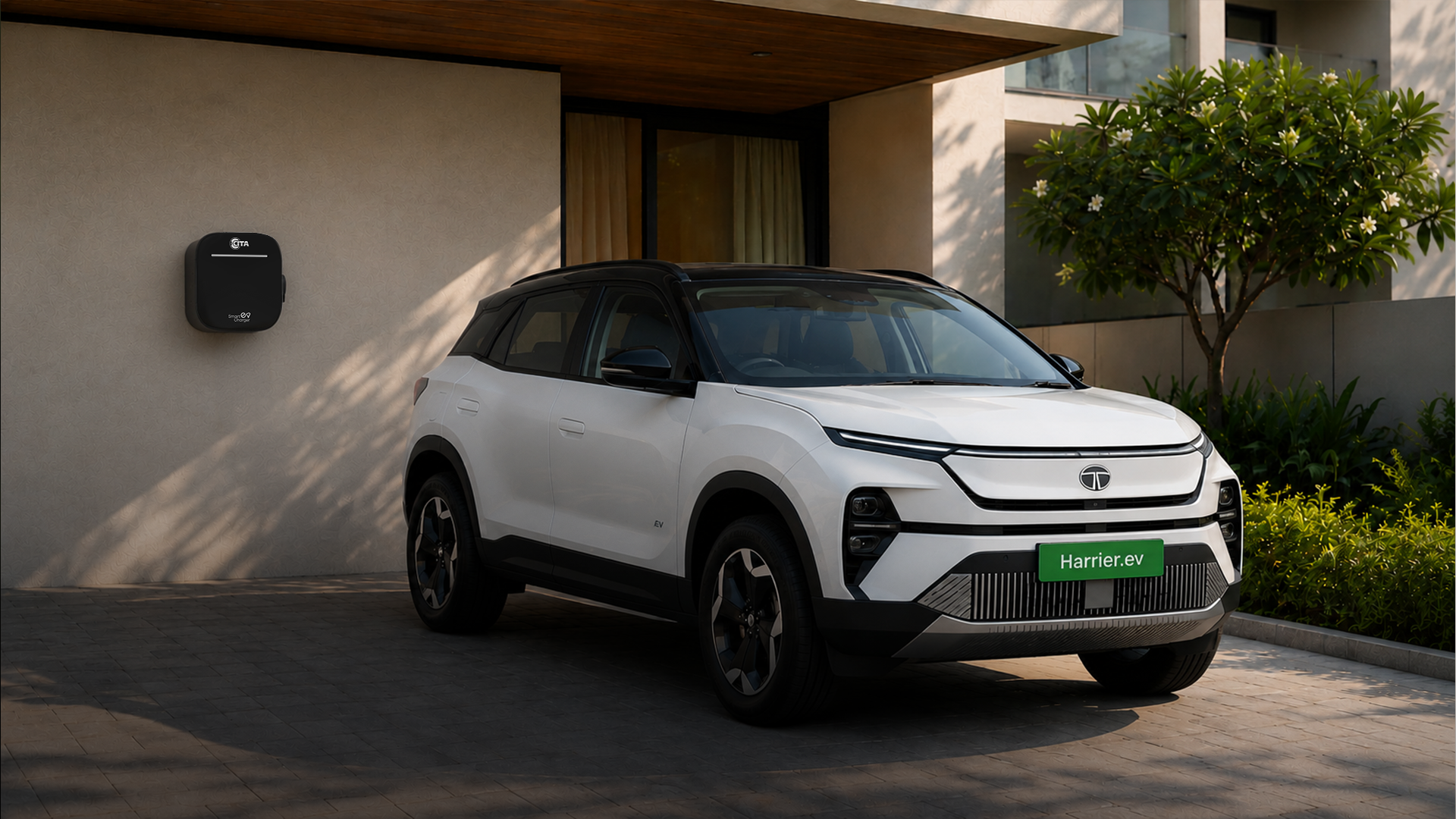
Charging an electric vehicle at home should be straightforward, safe and suited to your everyday driving requirements.
From choosing the correct charging capacity and following battery care recommendations to managing electricity tariffs and maintaining charging equipment, these Best Home Charging Tips in UK can help drivers develop more convenient charging routines.
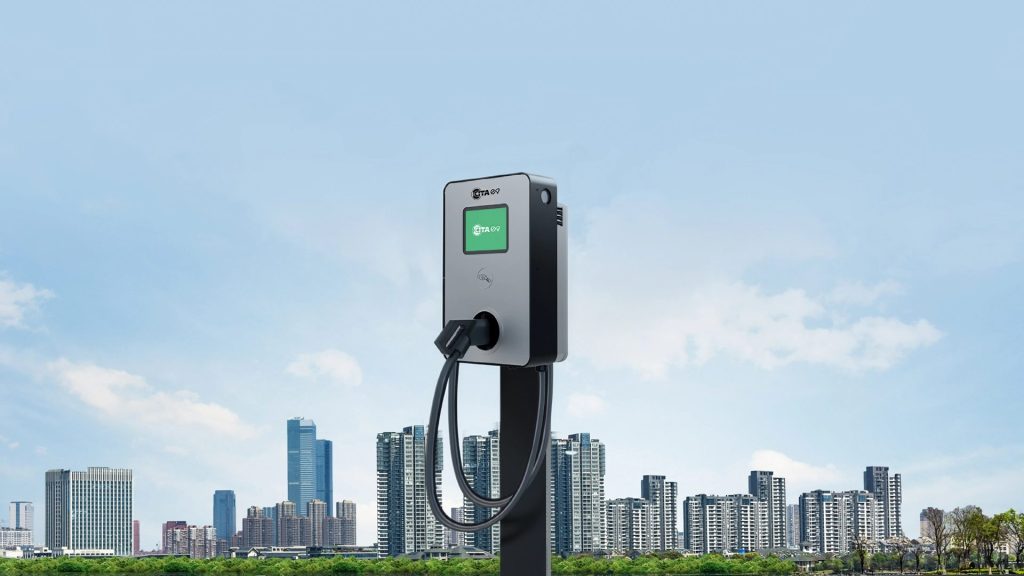
For homeowners exploring suitable charging equipment, CITA EV Charger offers smart AC charging solutions in 7 kW, 11 kW and 22 kW configurations. Depending on the model, available features include mobile app connectivity, scheduled charging, energy monitoring and load management.
Selecting a charger that matches your vehicle, property and electricity usage can make home charging easier to manage over the long term.
Planning to install or upgrade your home EV charger?
Explore CITA EV Charger’s UK charging solutions and contact the team for product guidance and a personalised consultation.
Frequently Asked Questions
A dedicated, professionally installed home EV charger is generally the most convenient option for drivers with suitable off-street parking. A 7 kW smart AC charger is appropriate for many UK households, depending on the vehicle and electrical supply.
It can be cheaper if your electricity supplier offers a time-of-use tariff with lower overnight rates. Check your tariff's pricing and conditions before scheduling charging sessions.
Not necessarily. Daily charging recommendations vary by battery chemistry and vehicle manufacturer. Some recommend lower daily charge limits, while others advise periodic charging to 100%. Follow your vehicle's instructions.
Yes. Overnight charging is a common use case for dedicated home EV chargers. Ensure the equipment is properly installed, maintained and used according to the manufacturer's safety guidance.
The cost depends on electricity consumption and your household tariff. For example, purchasing 40 kWh at 25p per kWh costs £10. Charging losses may mean more electricity is required than the energy added to the battery.