 Skip to content


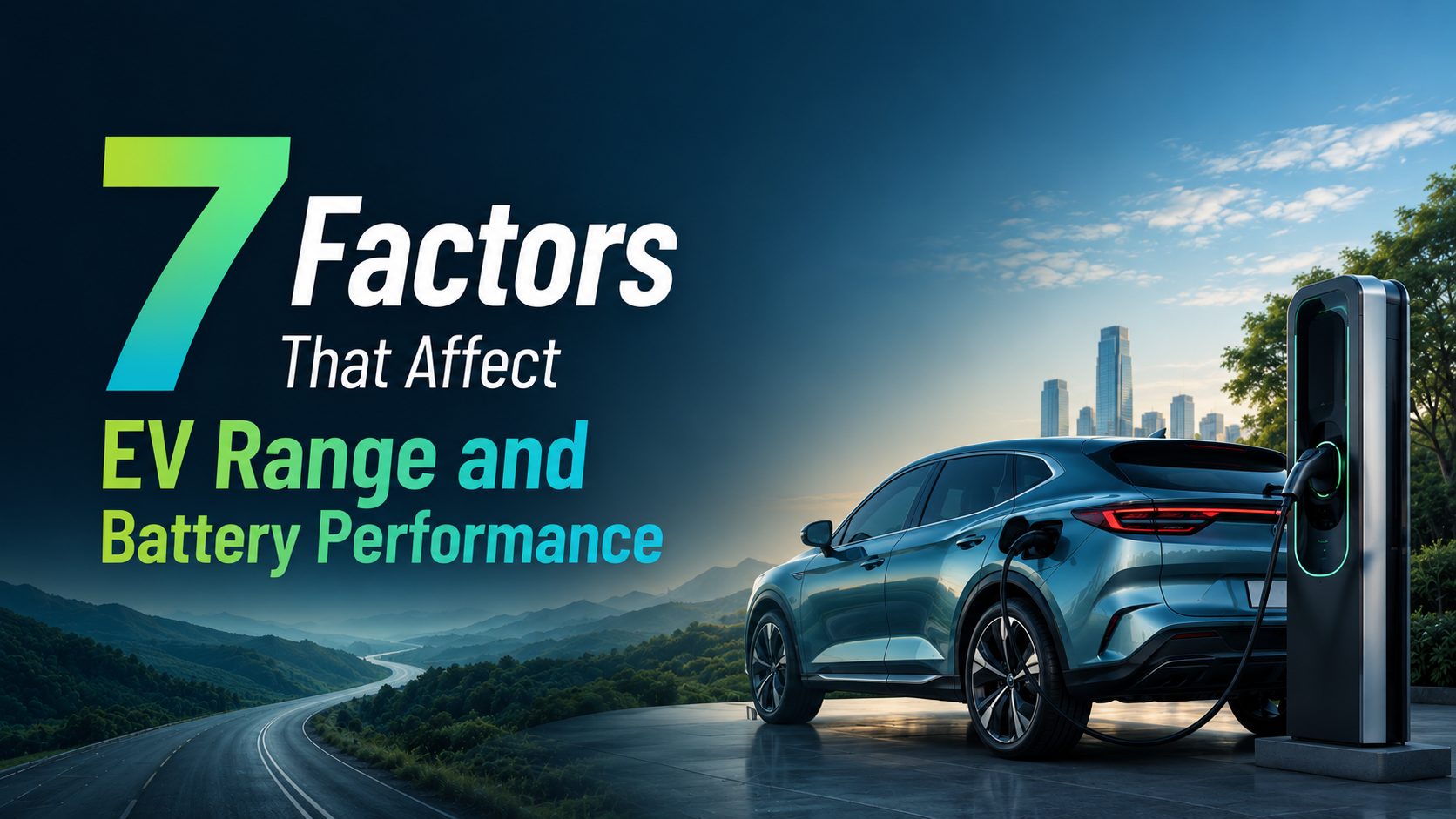
EV Range is one of the most important considerations for anyone driving or planning to buy an electric vehicle. While modern EVs offer impressive driving distances on a full charge, the actual range you experience can vary depending on several real-world factors.
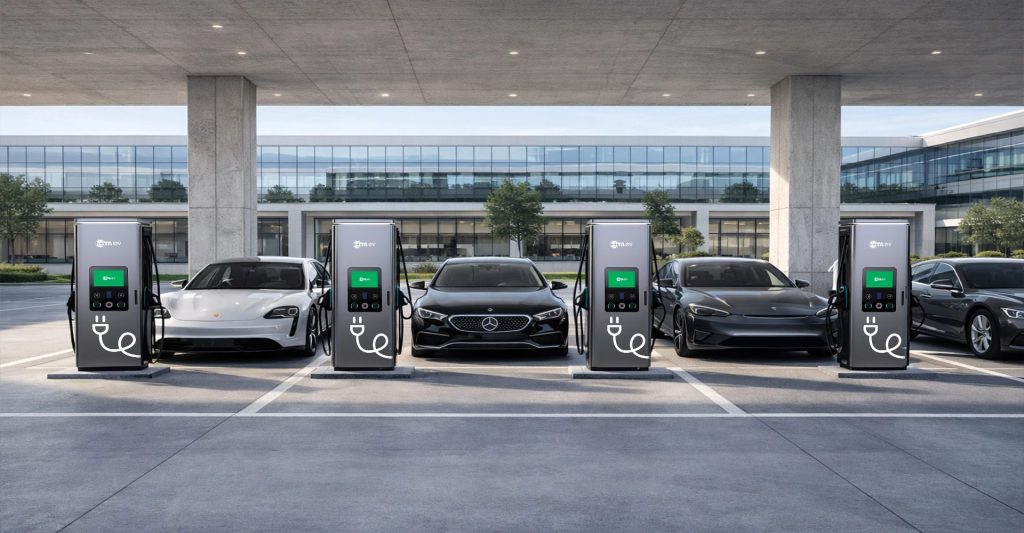
The good news is that as the UK’s EV charging network continues to expand, drivers are gaining greater confidence in electric mobility. With more than 120,000 public charging points now available across the UK, range anxiety is becoming less of a concern. However, understanding what affects your Electric Vehicle Range can help you get the most from every charge and improve your overall driving experience.
Understanding What Impacts EV Range
No two journeys are exactly the same. Factors such as weather, driving behaviour, road conditions, and battery health can all influence how far your EV can travel on a single charge.
By understanding these variables, EV drivers can make informed decisions that improve EV Efficiency and reduce unnecessary energy consumption.
1) Driving Style
Your driving habits have a direct impact on EV Range.
Rapid acceleration, aggressive braking, and consistently high-speed driving require more energy from the battery. In contrast, smooth acceleration and maintaining a steady speed help reduce energy consumption and improve overall efficiency.
Many EVs include Eco Mode and regenerative braking systems that help optimise energy usage. Regenerative braking recovers energy during deceleration and feeds it back into the battery, helping extend your Electric Car Range during everyday driving.
2) Weather Conditions
One of the biggest Factors Affecting EV Range is the weather.
Cold temperatures can temporarily reduce battery efficiency, while very hot weather may increase energy consumption due to cooling systems working harder. This noticeable Weather Impact on EV Range is something many drivers experience throughout the year.
To minimise the effect of temperature extremes, consider preconditioning your vehicle while it is plugged in. Warming or cooling the cabin before departure allows the vehicle to use grid power rather than battery energy.
During colder months, using heated seats and steering wheels instead of heating the entire cabin can also help preserve range.
3) Vehicle Weight and Energy Usage
The heavier a vehicle becomes, the more energy it requires to move.
Carrying unnecessary items in the boot, transporting heavy equipment, or frequently driving with a fully loaded vehicle can reduce your EV Battery Range over time.
Similarly, using energy-intensive features such as air conditioning, cabin heating, entertainment systems, and other onboard electronics can increase power consumption. While these features improve comfort, using them efficiently can help maximise available range.
4) Battery Health and Age
Like any rechargeable battery, EV batteries naturally experience some degradation over time.
As batteries age, their ability to hold a full charge gradually decreases, which can affect EV Battery Performance and reduce the maximum distance achievable on a single charge.
Fortunately, modern EV batteries are designed for long-term durability. Following recommended charging practices and avoiding extreme battery levels for prolonged periods can help maintain battery health and support consistent EV Range over the life of the vehicle.
5) Terrain and Route Selection
The route you choose can significantly influence energy consumption.
Driving uphill requires more energy than travelling on flat roads, while stop-start traffic can increase power usage compared to smooth motorway driving.
Many modern navigation systems now include EV-specific route planning features that identify efficient routes and charging locations. These tools can help drivers optimise journeys, reduce energy consumption, and improve EV Driving Range.
Planning ahead is particularly useful for longer trips where charging stops may be required.
6) Tyre Pressure and Maintenance
Tires play an important role in vehicle efficiency.
Underinflated tyres create greater rolling resistance, forcing the vehicle to use more energy to maintain speed. Over time, this can noticeably reduce Electric Vehicle Range.
Regularly checking tyre pressures and maintaining them according to manufacturer recommendations helps improve efficiency, safety, and handling. Proper wheel alignment and routine vehicle maintenance also contribute to better overall performance and range.
7) EV Charging Habits
Your EV Charging Habits can have a long-term impact on battery health and efficiency.
While occasional rapid charging is convenient, relying exclusively on fast charging may contribute to increased battery wear over many years of use. For daily charging, many experts recommend regular AC charging where practical.
Keeping battery levels between approximately 20% and 80% is often considered beneficial for long-term battery health. Establishing good charging habits can help maintain strong EV Battery Performance and support consistent EV Range over time.
Smart charging solutions can also help drivers schedule charging during off-peak periods when electricity rates may be lower.
How to Improve EV Range
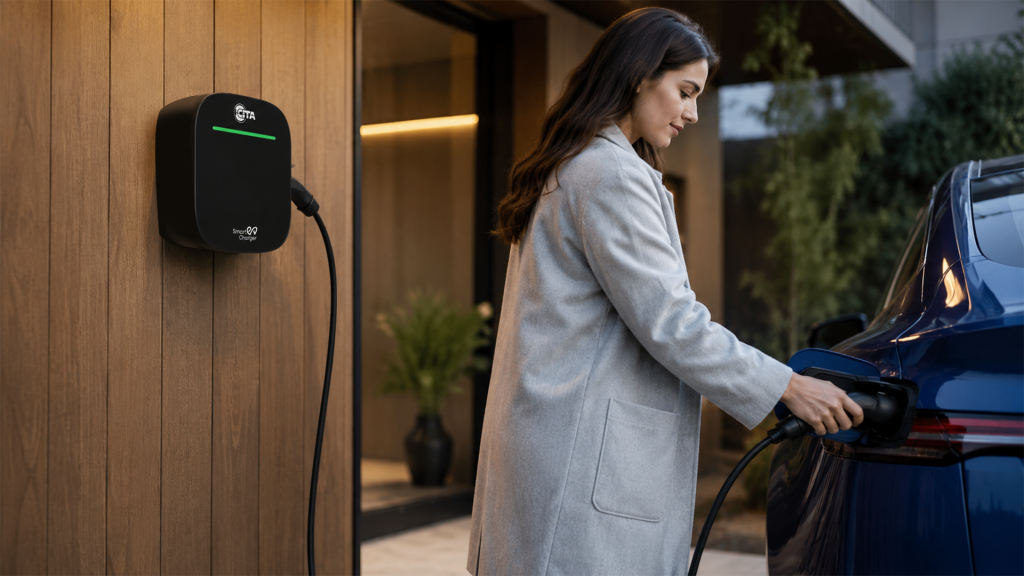
Although some factors are outside a driver’s control, there are several simple ways to improve efficiency:
- Drive smoothly and avoid aggressive acceleration.
- Use regenerative braking whenever possible.
- Maintain correct tyre pressure.
- Remove unnecessary vehicle weight.
- Precondition the vehicle before journeys.
- Plan efficient routes.
- Follow recommended charging practices.
These small adjustments can make a noticeable difference in overall EV Efficiency and driving confidence.
Power Every Journey with Confidence
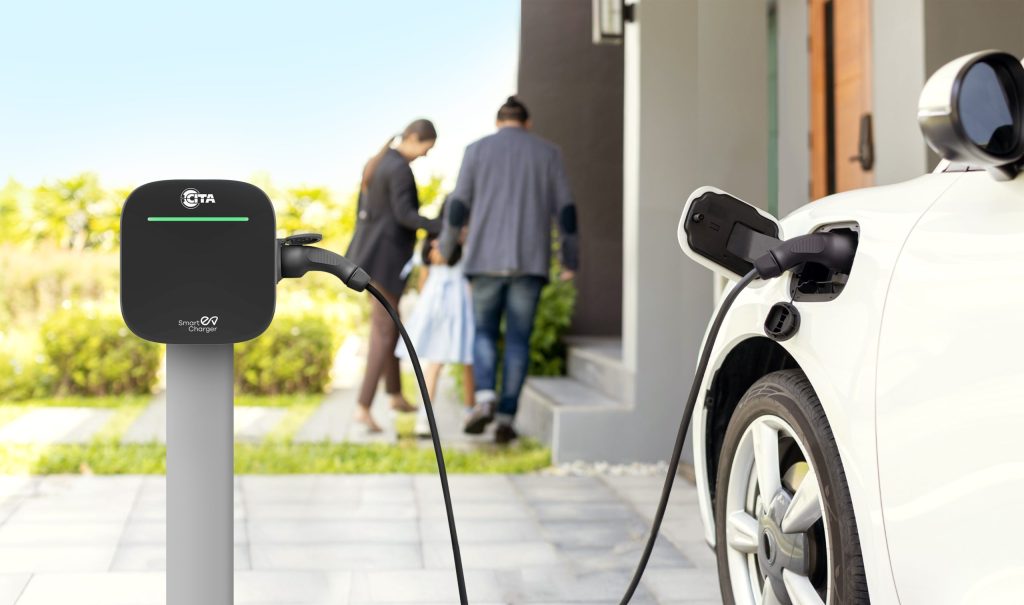
Understanding the factors that influence EV Range helps drivers make smarter decisions and get the most from their electric vehicle. From driving habits and weather conditions to battery care and charging routines, small changes can have a significant impact on overall efficiency and performance.
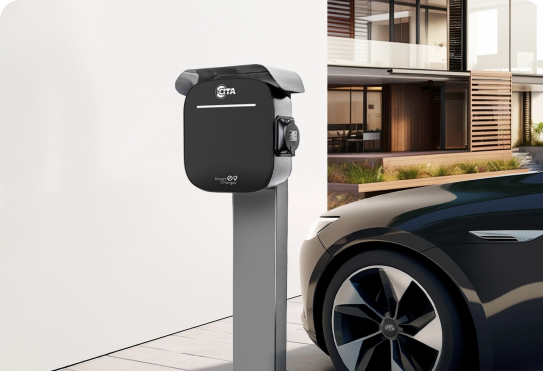
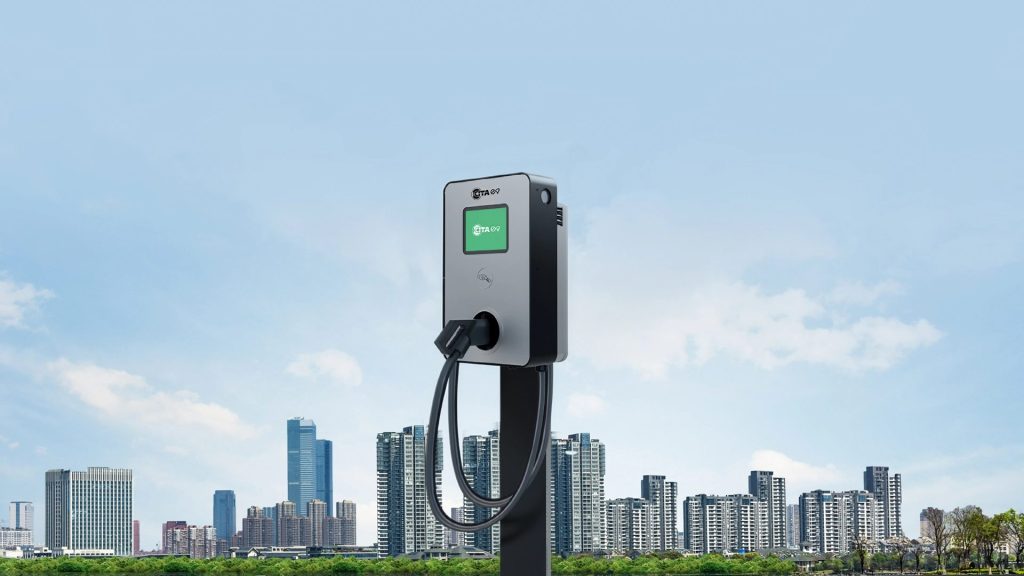
A reliable charging solution also plays an important role in the EV ownership experience. At CITA EV Charger, we offer smart home charging solutions ranging from 7 kW to 22 kW, designed to support modern electric vehicles and everyday charging needs. With features such as smart scheduling, remote monitoring, and dependable performance, our chargers help make EV ownership more convenient and efficient.
Looking for the right home EV charging solution?
Contact CITA EV Charger today for a free consultation and discover a smarter way to charge your electric vehicle.