 Skip to content


As EV adoption accelerates across the UK, installing an EV Charger is no longer just a convenience – it’s a long-term infrastructure decision. Whether you use an electric car charger at home or manage electric vehicle chargers for a commercial site, proper maintenance plays a crucial role in performance, safety, and lifespan.
While modern EV charging solutions are designed to be reliable and weather-resistant, regular upkeep ensures optimal charging efficiency and reduces unexpected downtime. From homeowners to fleet managers, understanding basic maintenance can help keep your EV charging setup running smoothly all year round.
Essential EV Charger Maintenance Tips

Keeping your EV Charger in top condition doesn’t require complex routines – just consistent care and basic checks.
Here are 10 essential maintenance tips to help UK owners ensure safe, efficient, and reliable EV charging every day.
1) Keep Your EV Charger Clean and Dust-Free
The UK’s outdoor conditions – including rain, pollution, and dust – can gradually affect your EV Charger. Dirt buildup around vents and connectors may impact cooling and connectivity.
Use a soft microfiber cloth to wipe the unit regularly and avoid harsh chemicals. For outdoor electric car charger installations, keep the surrounding area clean to maintain airflow and durability.
Regular cleaning also helps prevent long-term corrosion and surface wear. A well-maintained exterior improves heat dissipation and keeps your charger looking new.
2) Inspect Charging Cables Regularly
Charging cables experience the most wear in electric vehicle chargers. Over time, repeated bending or outdoor exposure can lead to insulation damage.
Watch for cracks, stiffness, or loose connectors. If you notice damage, replace the cable immediately to ensure safe and uninterrupted EV charging.
Proper cable storage also plays a key role in longevity. Avoid tightly wrapping cables and use cable holders to minimise strain and twisting.
3) Check for Moisture and Weather Exposure
Most modern EV charging solutions come with weather-resistant ratings, but UK weather can still impact long-term performance.
After heavy rain or snow, check for water ingress, damaged seals, or worn protective caps. This is especially important for outdoor electric car charger installations in coastal or humid regions.
Moisture buildup can gradually affect internal electronics if left unchecked. Periodic inspections help maintain safety and prevent costly repairs.
4) Update Firmware and Software
Smart EV Charger systems rely on firmware updates to improve safety and compatibility with new EV models.
Enable automatic updates where possible and check the mobile app periodically. Updated software ensures smoother EV charging and improved energy optimisation.
Firmware updates may also introduce new smart features and performance improvements. Staying updated ensures your charger remains future-ready as EV technology evolves.
5) Monitor Charging Speed Consistency
If your electric vehicle suddenly takes longer to charge, your electric vehicle chargers may require attention. Slower charging can indicate voltage fluctuations, cable wear, or internal component fatigue.
Tracking charging times helps detect issues early and maintain reliable EV charging solutions.
Compare EV charging sessions over time to spot irregular patterns. Early detection helps avoid unexpected downtime and ensures consistent performance.
6) Inspect Mounting and Physical Stability
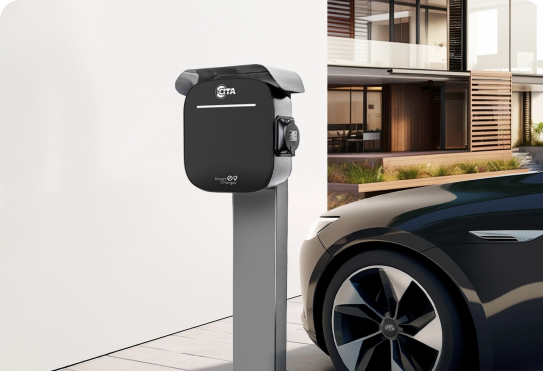
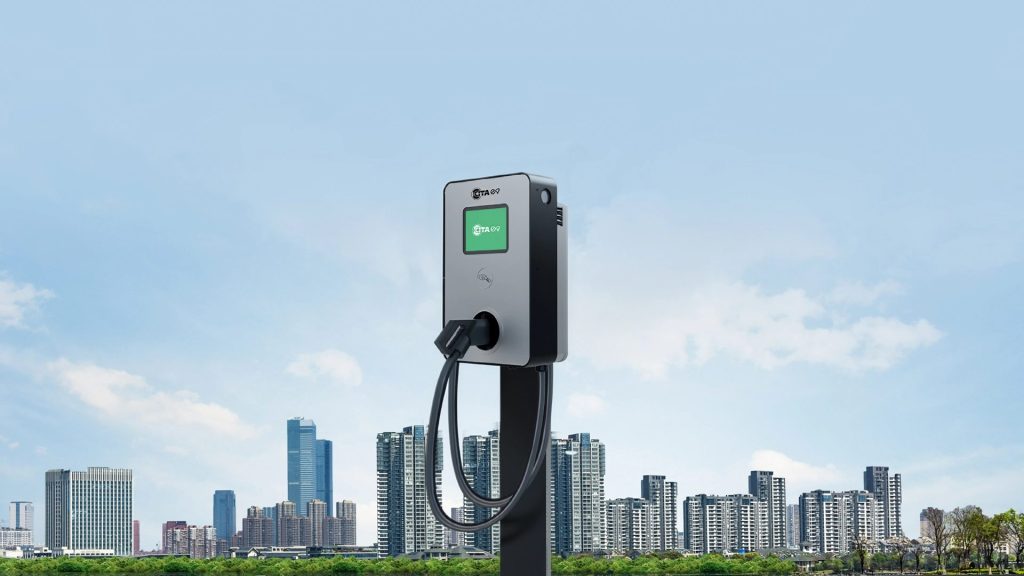
Wall-mounted and pedestal EV Charger units must remain securely fixed. Over time, weather exposure or accidental knocks may loosen mounting hardware.
Check for loose bolts, rust, or misalignment. A stable electric car charger reduces mechanical strain and extends product life.
Stable mounting also prevents cable tension and connector damage. Regular checks are especially important in high-traffic or shared charging areas.
7) Protect the Charging Connector
The connector is one of the most sensitive components in any EV charging setup. Dust, moisture, or drops can affect connectivity between the charger and vehicle.
Always dock the connector properly after use and avoid leaving it exposed. Proper handling improves reliability across electric vehicle chargers.
Using a protective holster can prevent accidental impacts. Keeping connectors clean ensures secure charging sessions every time.
8) Check Electrical Connections Annually
Even the best EV charging solutions require periodic electrical inspections. Internal wiring can loosen over time, especially in high-use environments.
UK guidelines recommend annual inspections by certified electricians to verify grounding, wiring integrity, and overall safety of your EV Charger.
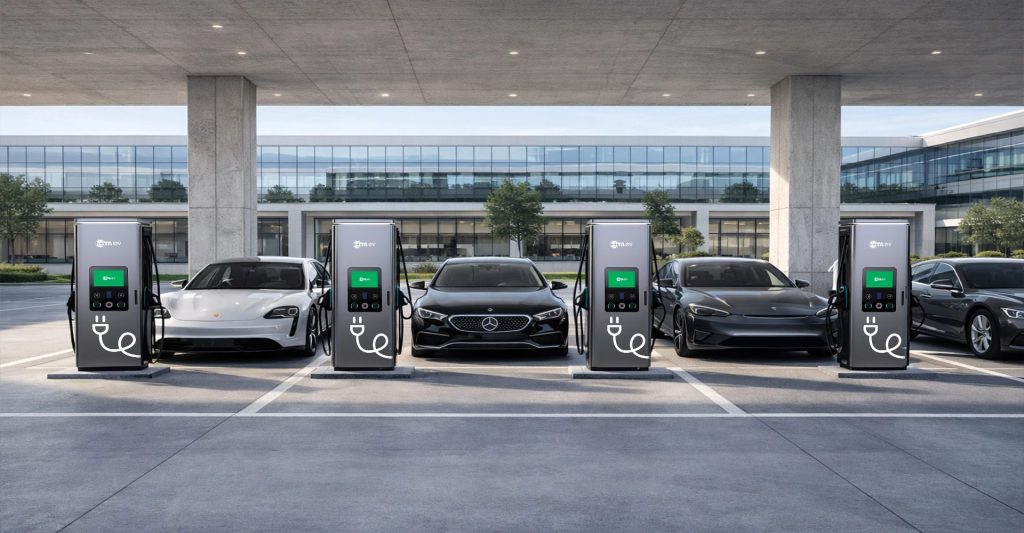
Professional inspections also help maintain regulatory compliance. This is particularly important for commercial and workplace EV charging setups.
9) Monitor Smart Charging Data
Many modern electric car charger systems offer analytics through apps or dashboards. These insights help identify irregular charging patterns or energy inefficiencies.
Monitoring this data allows proactive maintenance and smarter EV charging management.
Usage insights can also support better energy planning. Over time, data-driven monitoring improves efficiency and reduces operational costs.
10) Schedule Professional Servicing
While basic maintenance can be done independently, periodic servicing ensures your EV Charger operates at peak efficiency.
Professional technicians can run diagnostics, update components, and ensure compliance with UK safety standards – especially important for commercial electric vehicle chargers.
Scheduled servicing helps identify hidden issues before they escalate. It also extends equipment lifespan and protects your EV charging investment.
Upgrade to Smarter EV Charging with a Trusted Provider

An EV Charger is a long-term asset that supports your transition to sustainable mobility. While modern electric vehicle chargers are built for durability, consistent care ensures they continue delivering reliable performance for years.
By following these simple yet effective maintenance tips, UK owners can extend the lifespan of their EV charging solutions, avoid unexpected failures, and enjoy seamless EV charging experiences at home or across commercial sites.
Looking for reliable, future-ready EV charging solutions?
Choose CITA EV Charger – a trusted provider delivering smart technology, a UK-compliant design, and long-term durability to keep your EV charging infrastructure running flawlessly.