 Skip to content


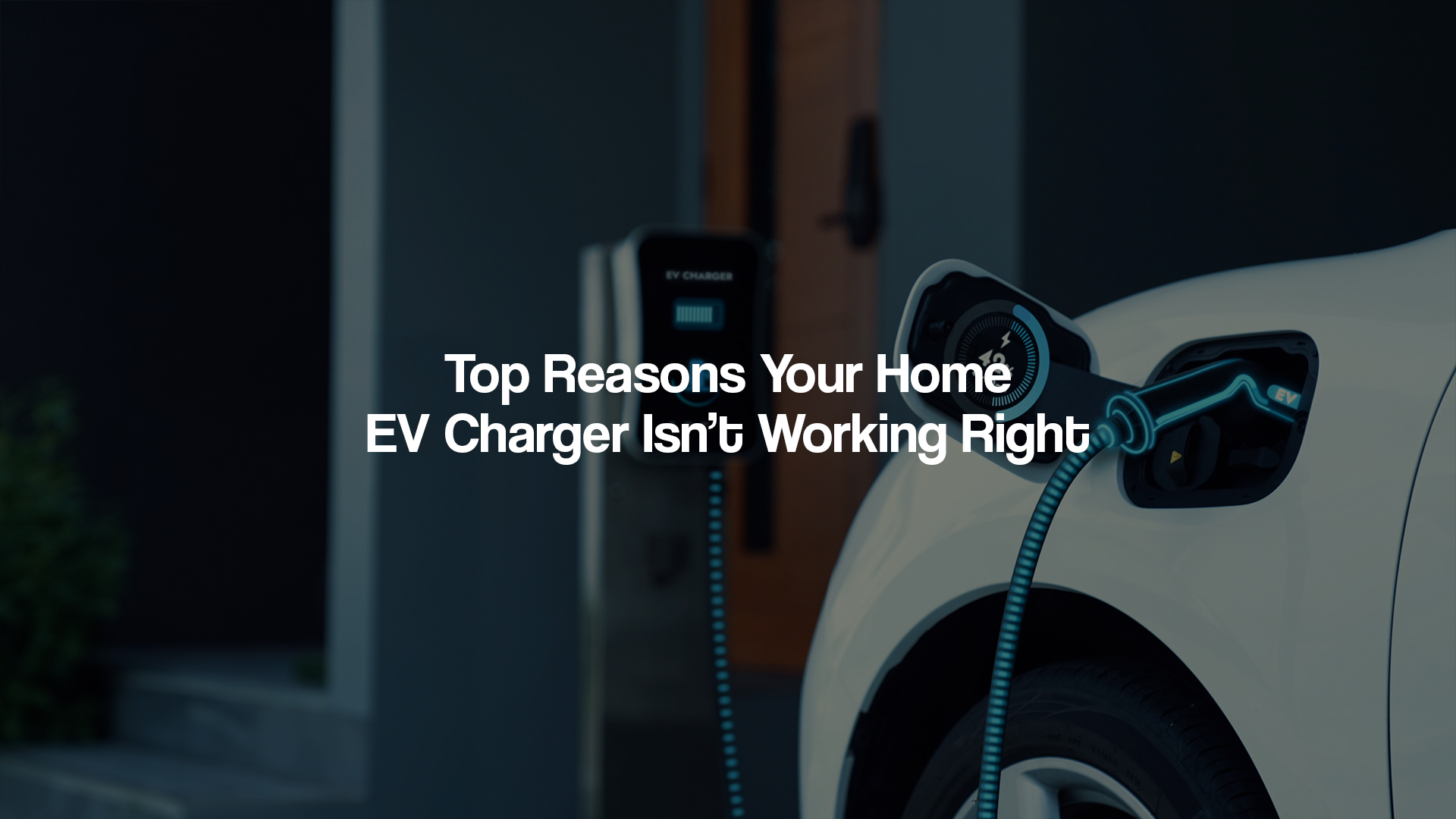
Is your Home EV Charger not performing as expected or suddenly acting up? You’re not alone—many electric vehicle owners across the UK face technical hiccups that disrupt their daily charging routine. A malfunctioning charger can cause more than just inconvenience; it may compromise both your vehicle’s battery health and your home’s electrical safety.
Common issues stem from improper installation, outdated firmware, system incompatibility, or exposure to extreme weather conditions—something UK households often deal with. According to recent statistics, over 680,000 home EV chargers have been installed in the UK, reflecting a rapid shift toward sustainable transport.
However, with this growth comes a rise in charger-related complaints, especially in regions with older electrical infrastructure. Even high-quality EV chargers can underperform without proper maintenance. As more UK drivers switch to electric, ensuring reliable, safe, and efficient home charging is crucial. Addressing early signs of charger trouble can prevent bigger issues down the line and keep your EV ready for every journey.
12 Reasons Why Your Home EV Charger Might Be Failing
As convenient as Home EV Chargers are, they can sometimes run into issues that leave you frustrated and your EV undercharged. Before assuming it’s a major fault, it’s important to understand the most frequent reasons for malfunctions. Below are the top 12 causes and how to effectively address them.
1) Inadequate Power Supply or Overloaded Circuit
One of the primary causes of a malfunctioning Home EV Charger is insufficient power availability or an overloaded circuit. EV chargers require dedicated electrical infrastructure to function correctly. Sharing circuits with heavy-duty home appliances can result in tripping breakers, power surges, or inconsistent charging.
To avoid such problems, ensure your home electrical system can support the charger’s load—typically 7 kW, 11 kW, or 22 kW options are used depending on the home setup. It’s essential to consult a certified electrician to assess your home’s capacity and perform a professional installation that meets safety and efficiency standards for long-term charger performance.
2) Loose or Damaged Charging Cable
Charging failures often stem from the most obvious components—damaged or worn-out cables. If the cable is frayed, kinked, or exposed to extreme environmental conditions, it can interrupt the charging flow or even pose safety hazards.
It’s important to regularly inspect your cable for signs of wear, especially with Wall Mount EV Chargers that may experience more physical stress. Choosing a charger with a robust, weather-resistant (IK10 and IP65) cable helps maintain safe and efficient charging. If any damage is found, replace the cable immediately to prevent further issues or safety risks.
3) Connectivity and Wi-Fi Glitches
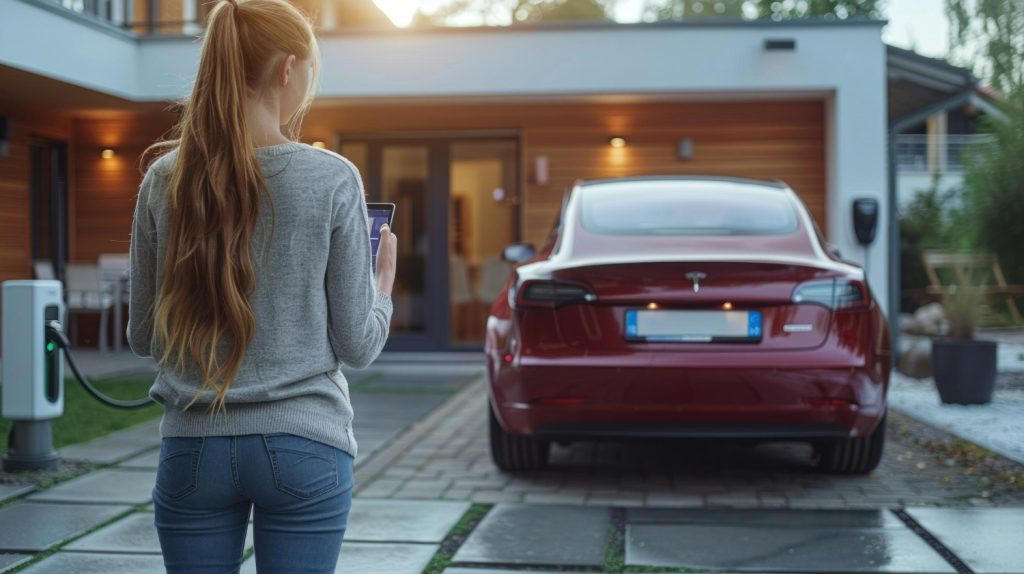
Smart chargers rely heavily on connectivity. If your Home EV Charger depends on Wi-Fi to interact with apps or for over-the-air firmware updates, an unstable internet connection could be the reason it’s acting up. This can disrupt charging schedules, delay firmware installations, and limit smart features.
Ensure your charger is installed within a strong Wi-Fi signal range. Wi-Fi boosters or mesh networks can help extend coverage if your router is too far. A stable internet connection is essential for accessing advanced features like remote monitoring, scheduled charging, and diagnostic tools via mobile apps.
4) Firmware Not Updated
An outdated firmware version can lead to performance glitches, limited functionality, or charging failures. EV charger manufacturers regularly release software updates that fix bugs and improve compatibility with new vehicle models.
To maintain performance, check for firmware updates regularly through your Home EV Charger’s mobile app or web interface. Some smart chargers allow for automatic updates, ensuring your device stays current with the latest features and improvements. Keeping the firmware up to date helps avoid unnecessary charging interruptions and improves overall reliability.
5) Environmental Exposure
Extreme heat, moisture, and dust can compromise your Home EV Charger’s components. Wall-mounted EV chargers exposed to rain or direct sunlight for prolonged periods may suffer from internal condensation or heat-induced wear.
Choosing a charger with high IP (Ingress Protection) and IK (impact protection) ratings, such as these IP65 and IK10, is crucial for outdoor use. To prolong your charger’s lifespan, install it in a shaded or covered area, or use a weatherproof enclosure. Regularly check for dust and moisture build-up, especially after extreme weather conditions.
6) Installation Errors

Even the best EV charger won’t work properly if it’s installed incorrectly. Misaligned wiring, improper grounding, or substandard mountings can all interfere with charging efficiency and safety.
Always hire a certified electrician with experience in Home EV charger installations. Proper wiring, secure mounting, and adherence to local codes ensure safe and effective charging. A professional installation reduces risks of faults, prolongs the charger’s life, and ensures your system can handle the power demand without issues.
7) EV Compatibility Issues
Some Home EV Chargers may not be fully compatible with every EV model. Plug type mismatches, voltage differences, or software conflicts can prevent the charger from initiating a proper session.
Before installing a new charger or purchasing a new EV, verify compatibility. In the UK, Type 2 chargers are widely supported, but it’s still essential to double-check the specs. Refer to both your EV’s and charger’s manuals or consult professionals to ensure seamless integration between the vehicle and charging system.
8) Improper Use of OZEV Grant Chargers
Many EV owners use the OZEV Grant EV Charger scheme to lower installation costs. However, incorrectly installed or registered EV chargers under this scheme may be limited in functionality or show errors if compliance rules aren’t followed.
When using government-backed grants, it’s crucial to ensure the charger is installed by an approved installer and fully registered per OZEV requirements. Keep all documentation, ensure installation standards are met, and verify that the charger model is listed on the official approved devices list to avoid technical and reimbursement issues.
9) Faulty Grounding or Earthing
Proper earthing is critical for EV charging safety. A Home EV Charger without solid grounding may trip safety circuits, overheat, or pose electric shock hazards.
During installation, make sure grounding is checked and verified with a ground fault detection test. This ensures the system is safely earthed and complies with UK electrical regulations. Periodic safety inspections can help detect grounding issues early and prevent potential electrical failures or hazards to users and vehicles.
10) Poor Maintenance Routine

An often-overlooked reason behind Home EV Charger issues is lack of maintenance. Chargers need to be checked occasionally for dust buildup, spider nests, insects in vents, or connector rust.
A simple maintenance routine can prevent these issues. Clean the charger’s exterior, check cable ports for obstructions, and inspect for signs of wear or corrosion. Keeping the home Ev charger clean and dry ensures optimal airflow and reliable performance. Set reminders to do a quick inspection every few months—just as you would with your car.
11) Using Non-Certified Chargers
While tempting due to lower cost, using non-certified or generic EV chargers can lead to major headaches. They often lack proper safety mechanisms, have shorter lifespans, and may not support vehicle updates or smart features.
To ensure safety and compatibility, always choose chargers that meet UK standards such as CE, UKCA, and OZEV certification. Certified products are rigorously tested for electrical safety, durability, and software reliability. Investing in a compliant home EV charger offers peace of mind and avoids the risks associated with cheaper, uncertified alternatives.
12) Charging Two EVs at Once Without Proper Setup
Trying to charge multiple EVs using a single outlet or low-capacity charger can easily cause overload or failure. This is a growing challenge for multi-EV households.
To safely charge two vehicles simultaneously, install a dual-output charger such as the CITA smart 44 Gen 3 AC EV charger that supports load balancing and power distribution. These home EV chargers are designed to manage multiple sessions without overloading your home’s electrical system. Proper planning and installation ensure smooth, simultaneous EV charging without sacrificing speed or safety.
Power Up with Confidence: Choose the Right Home EV Charger
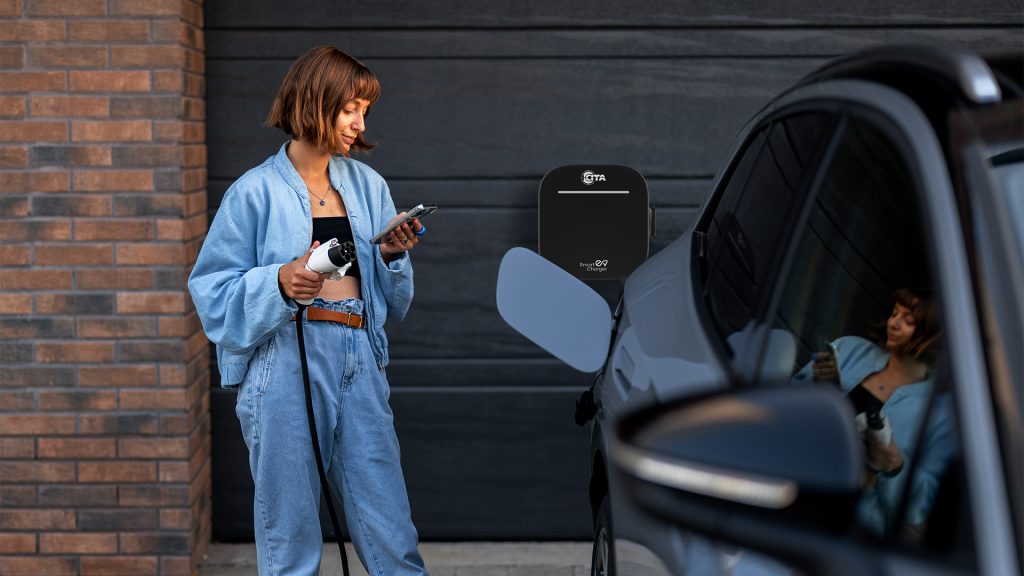
Your Home EV Charger is more than a plug—it’s a smart, certified system designed for reliable daily use. Understanding the reasons behind performance issues empowers you to troubleshoot effectively and protect your investment.
With our Wall Mount EV Chargers, high-performance AC EV Chargers, and Certified EV Chargers in the UK—including UKCA Approved EV Charger and CE Approved EV Charger in UK models—you’re not just buying a product; you’re investing in peace of mind.
At CITA EV Charger, we offer intelligent, weather-resistant, and easy-to-install solutions. As a Leading EV charger manufacturer, we proudly support your journey to electrification with top-tier technology and unmatched reliability.
Ready to charge smarter?
Explore our full range of OZEV Grant EV Charger options and connect with the Best EV charging company in the UK today.
Contact Us or Browse Our EV Chargers to get started with the Top EV Charging Solutions in UK.