 Skip to content


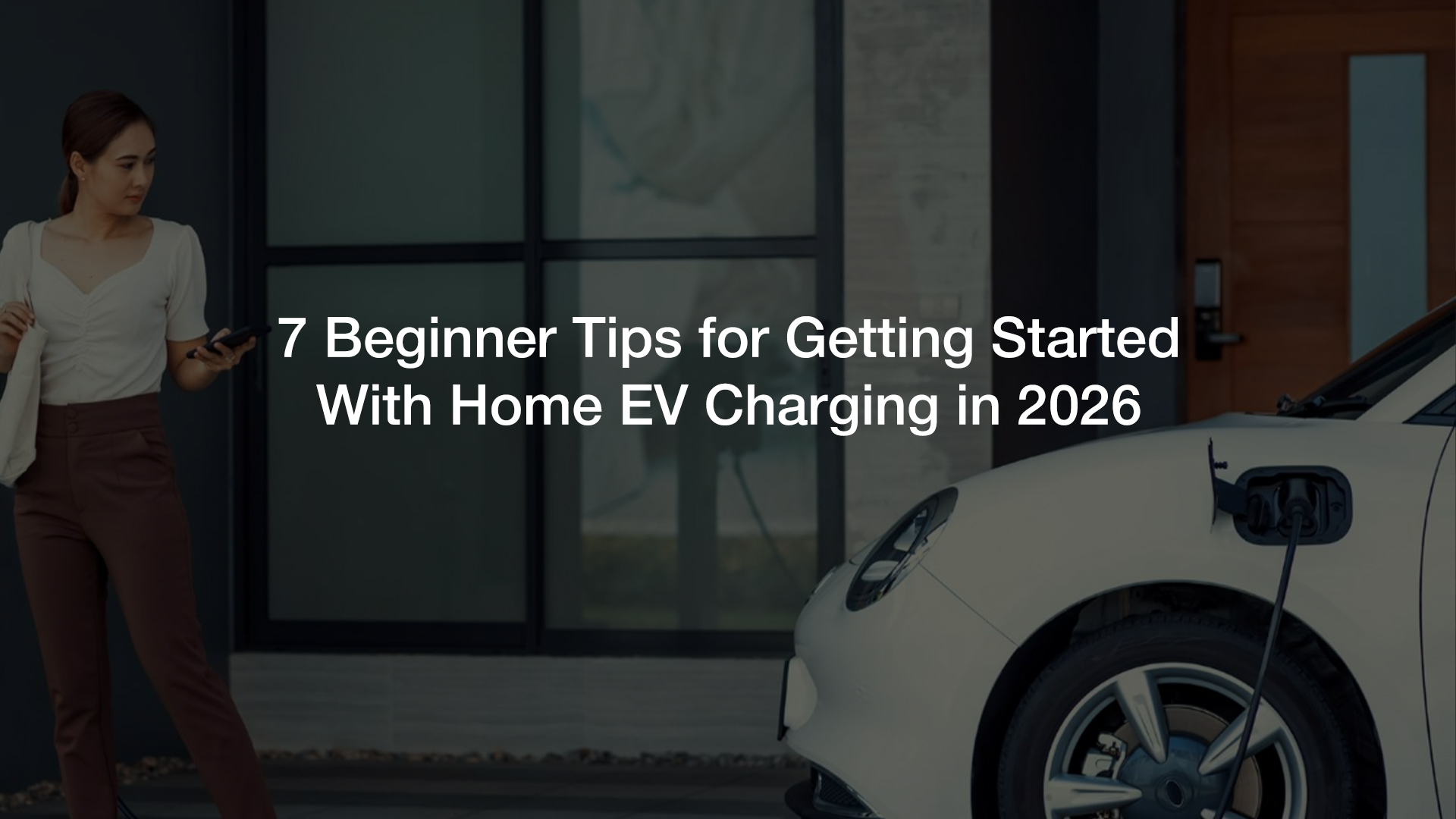
Are you wondering how Home EV Charging in 2026 will actually fit into your everyday life as a new EV owner?
With more electric vehicles on UK roads than ever before, home charging is quickly becoming the most practical way to power an electric car.
This guide will walk you through the essentials, helping you understand charging basics, make informed decisions, and start your EV journey with confidence, clarity, and long-term readiness.
Understanding Home EV Charging in 2026
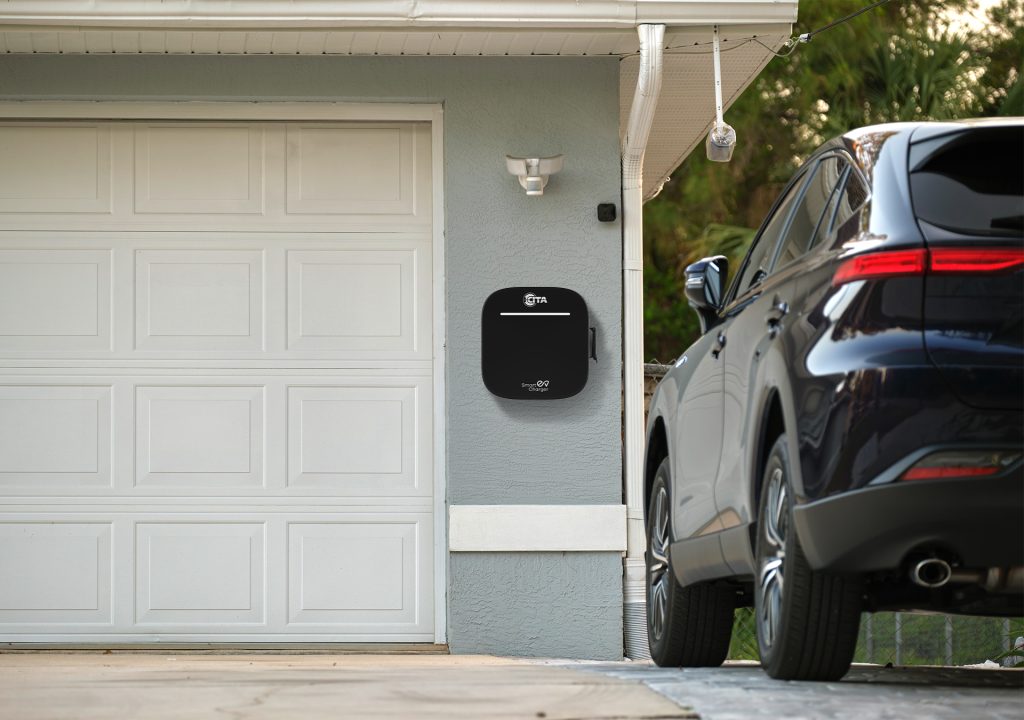
Home charging in 2026 is no longer a niche concept reserved for early adopters. With the UK accelerating toward zero-emission mobility, residential charging has become a mainstream solution for everyday drivers. According to recent industry data, over 80% of EV charging in the UK now happens at home, largely because it offers predictability, convenience, and control compared to public networks.
Modern electric vehicle chargers designed for residential use are smarter, safer, and more adaptable than earlier generations. They are built to align with changing energy tariffs, growing vehicle battery capacities, and evolving grid requirements. For beginners, understanding how ev charging solutions work at home is the first step toward making EV ownership feel effortless rather than overwhelming.
What First-Time EV Owners Should Understand Before Charging at Home
Getting started with home EV charging doesn’t have to feel technical or overwhelming. As charging technology becomes smarter and more user-friendly in 2026, understanding a few basics can make a big difference.
These beginner tips are designed to help new EV owners approach home charging with clarity, confidence, and long-term readiness.
Tip 1: Start With the Basics of How EV Charging Works
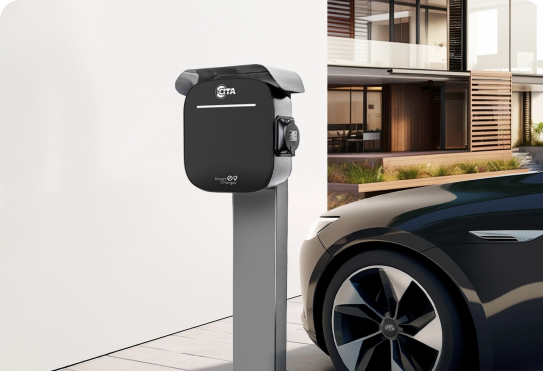
Before choosing an electric car charger, it’s important to understand the fundamentals. Home charging typically uses alternating current, making an AC EV charger the most common and practical option for residential settings. Unlike rapid DC chargers found on motorways, AC chargers deliver steady, controlled power that suits overnight or extended parking.
In simple terms, the charger communicates with your vehicle to deliver the right amount of power safely. Modern residential EV chargers are designed to work seamlessly with most electric cars sold in the UK, reducing compatibility concerns for new drivers.
Tip 2: Choose EV Charging Power That Matches Your Lifestyle

One of the most common beginner mistakes is assuming faster is always better. In reality, the right charging speed depends on daily driving habits. Many UK households find that a 7 kW home charger comfortably replenishes their vehicle overnight, while higher-capacity homes may opt for 22 kW systems where appropriate.
The key is balance. A well-matched charger avoids unnecessary electrical upgrades while still meeting everyday needs. As EV charging technology continues to evolve in 2026, flexibility and scalability matter more than chasing maximum output.
Tip 3: Understand Your Home’s Electrical Readiness
Home EV Charging in 2026 places greater emphasis on safe integration with household power systems. Modern electric vehicle chargers are designed to work intelligently within existing electrical limits, often using load management to avoid overloads.
For beginners, it helps to know that many homes do not need major upgrades to support charging. Certified installers assess your supply, distribution board, and earthing to ensure compliance with UK safety standards. Choosing a Certified EV Charger ensures the equipment meets national regulations and is tested for long-term reliability.
Tip 4: Look for Smart Features That Simplify Charging

A smart EV charger adds a layer of convenience that new EV owners quickly appreciate. Smart charging allows users to schedule charging during off-peak hours, monitor usage through mobile apps, and adapt charging behaviour to daily routines.
In 2026, smart charging is increasingly viewed as a standard feature rather than an upgrade. Software platforms, such as dedicated EV charging apps, help drivers visualise energy use and manage charging remotely. These tools make EV ownership more intuitive, especially for first-time users navigating charging for the first time.
Tip 5: Prioritise Safety, Durability, and Certification
When selecting from the many electric vehicle chargers available in the UK, safety should never be overlooked. Look for EV chargers tested to recognised standards and built with durable enclosures suitable for outdoor installation.
Modern AC chargers are often designed with high ingress and impact protection to withstand British weather conditions year-round. A charger from the best EV charger manufacturer in UK typically incorporates these protections as standard, ensuring consistent performance across seasons and reducing maintenance concerns for homeowners.
Tip 6: Think Long-Term, Not Just for Today
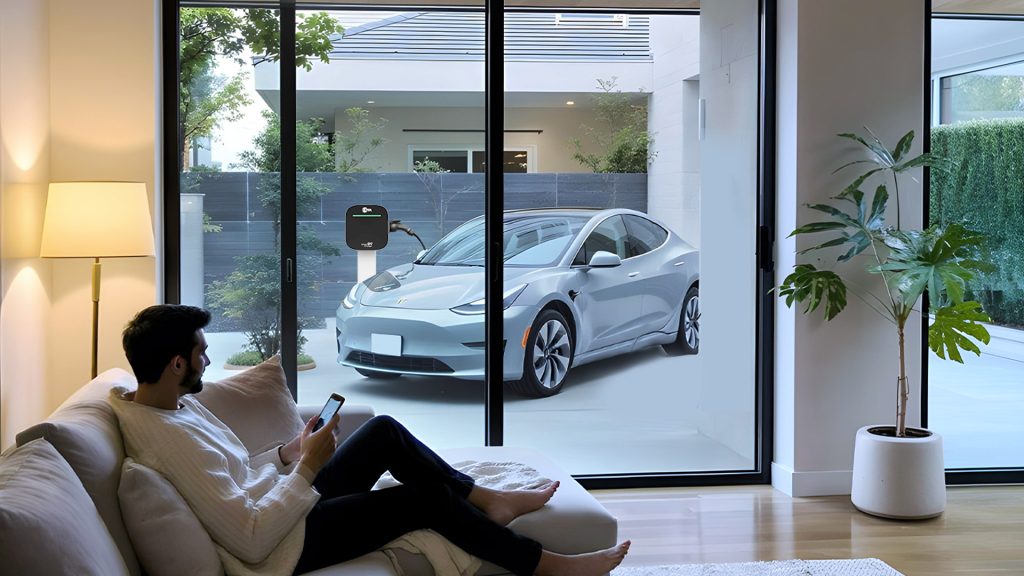
Home EV Charging in 2026 is about preparing for the future as much as meeting current needs. Vehicle batteries are increasing in size, and smart grids are becoming more dynamic. Choosing a charger that supports software updates, evolving standards, and wider vehicle compatibility helps future-proof your investment.
Rather than focusing only on immediate requirements, beginners should consider how charging habits might change over time. Flexible ev charging solutions make it easier to adapt as technology and energy policies continue to evolve in the UK.
Tip 7: Make Charging Part of Your Daily Routine
One of the biggest mindset shifts for new EV owners is realising that charging doesn’t need to be disruptive. Home charging works best when it becomes part of a routine, much like charging a mobile phone overnight.
By combining scheduled charging, smart energy use, and reliable hardware, ev charging becomes a background process rather than a daily concern. In 2026, this routine-based approach is what makes home charging the preferred option for most UK drivers.
The Bigger Picture: Why Home EV Charging Matters in 2026

As the UK continues expanding its EV infrastructure, home charging plays a vital role in reducing pressure on public networks and supporting sustainable energy use. Industry forecasts suggest that residential charging will remain the backbone of EV adoption, supported by smart technology and certified hardware.
Understanding how EV Home Charging in 2026 fits into this ecosystem helps beginners feel confident, informed, and prepared. With the right knowledge, home charging becomes less about technical complexity and more about everyday convenience.
Ready to Take the Next Step With Confidence

As more UK drivers explore Home EV Charging in 2026, having reliable, certified, and future-ready solutions matters. CITA EV Charger, a leading EV charger manufacturer in the UK, supports homeowners with certified AC charging solutions that meet UKCA and CE standards, backed by intelligent software and long-term reliability.
If you’re planning your home charging journey, explore trusted EV charging solutions and learn how the right charger can support your lifestyle today and into the future.
Discover more about home EV charging options or speak with an expert to get started confidently.