 Skip to content


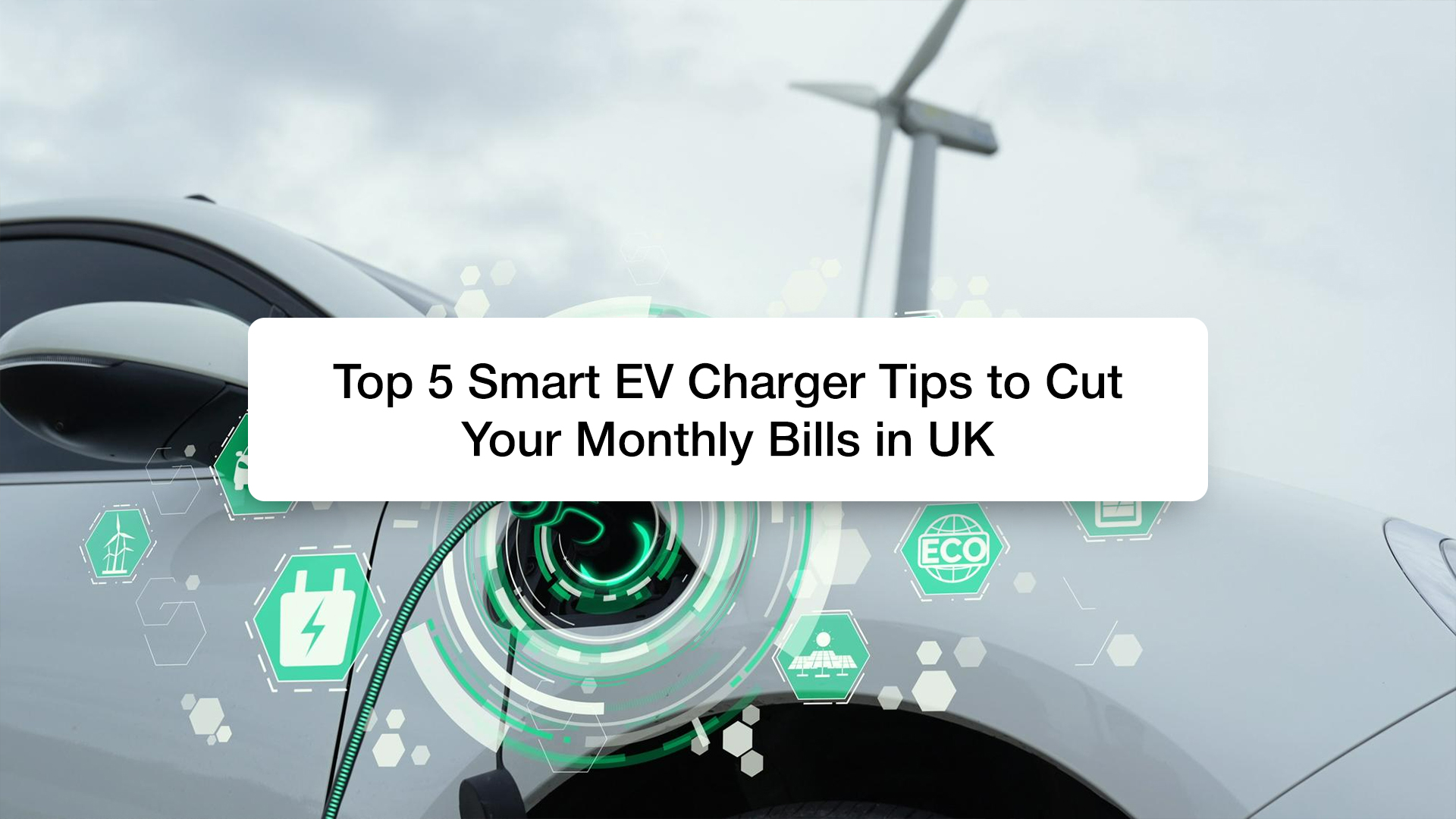
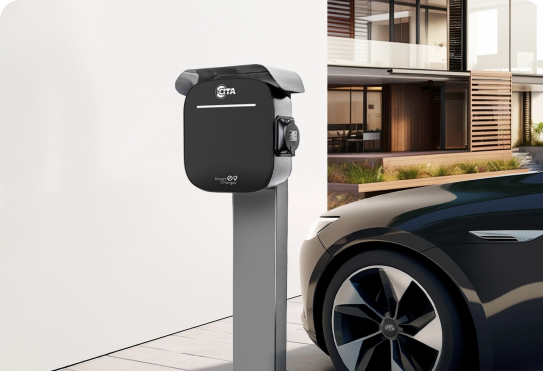
A Smart EV Charger is quickly becoming essential for UK drivers as electricity tariffs fluctuate and EV adoption rises across cities like London, Manchester, and Birmingham.
With time-of-use tariffs, home charging incentives, and rising grid demand, knowing how to optimise your charging habits can make a huge difference to your monthly energy bills.
The good news? With the right strategies and modern EV charging solutions, you can significantly reduce costs without compromising convenience.
How Smart Charging Helps UK Drivers Save More
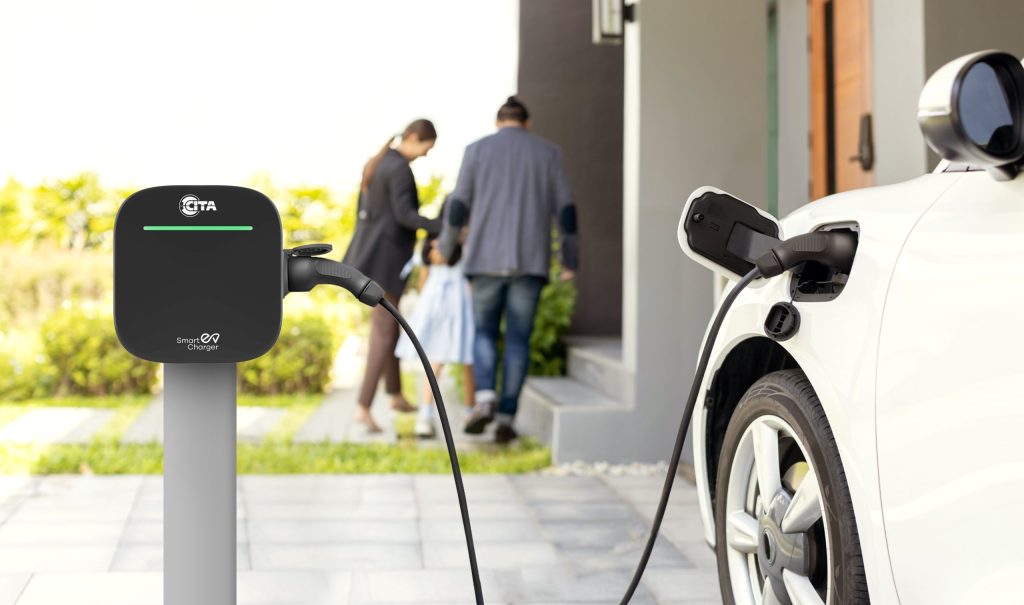
Smart charging isn’t just about powering your vehicle – it’s about controlling when, how, and how much you spend on EV charging. With the UK’s dynamic energy pricing and smart grid evolution, intelligent charging strategies can unlock major savings.
Below are five proven ways to lower your electricity bills using the latest electric vehicle chargers and data-driven charging habits.
1) Charge During Off-Peak Tariff Hours
One of the biggest advantages of a smart EV charger is the ability to schedule charging during cheaper electricity periods. Many UK energy providers offer off-peak tariffs such as Economy 7 or EV-specific plans like Octopus Go.
Charging overnight when demand is lower can:
- Cut charging costs by up to 60%
- Reduce strain on the grid
- Improve long-term battery health
Unlike basic electric car charger units, smart systems automatically detect low-tariff windows and start charging accordingly. This simple automation alone can dramatically lower monthly expenses.
2) Monitor Real-Time Energy Usage
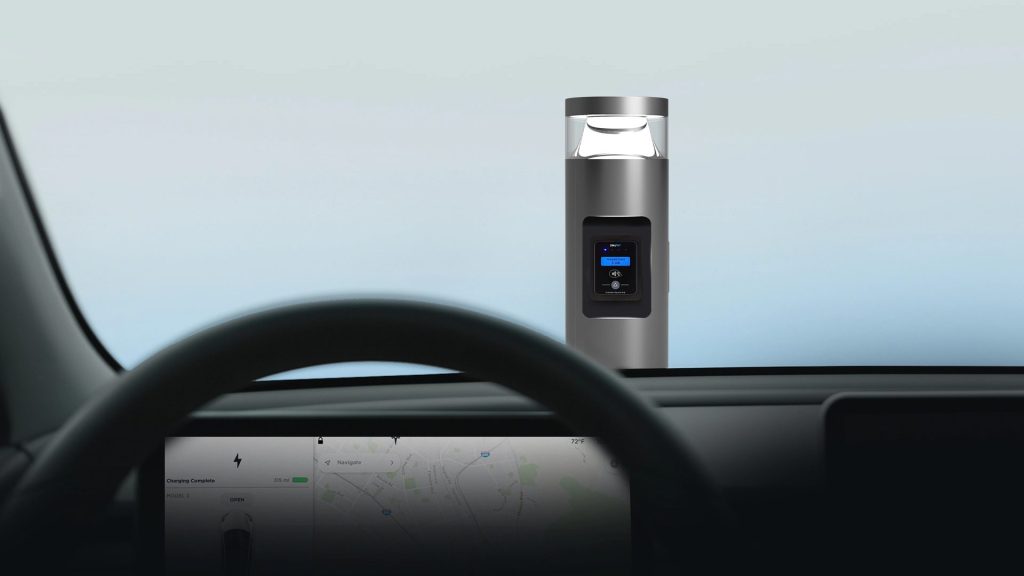
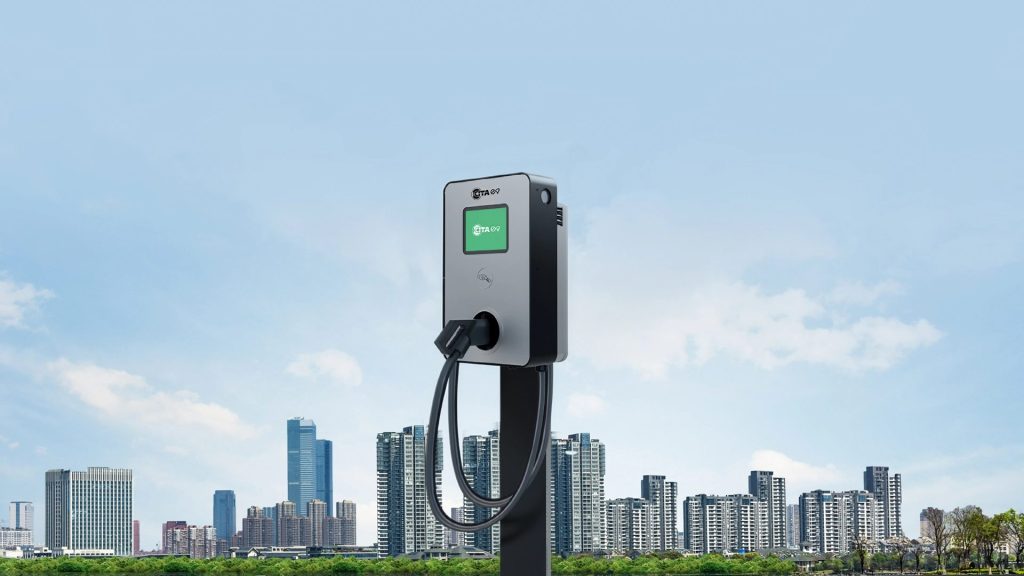
Modern ev chargers are no longer just power delivery devices – they are energy management tools. A quality smart EV charger provides real-time data via mobile apps or dashboards.
This helps you:
- Track daily and weekly charging costs
- Identify wasteful charging habits
- Adjust usage based on electricity rates
By analysing consumption patterns, UK drivers can align charging with solar generation, battery storage, or even workplace charging. This data-driven approach makes EV charging far more efficient than traditional electric vehicle chargers without analytics.
3) Use Smart Load Balancing at Home
Many UK homes now run multiple appliances simultaneously – induction hobs, heat pumps, dryers, and more. Without proper management, adding EV charging can spike your electricity demand and push you into higher billing brackets.
This is where smart load balancing makes a difference.
A smart EV charger with load management:
- Prevents grid overload
- Distributes energy intelligently across appliances
- Avoids costly electrical upgrades
This is especially useful in semi-detached and terraced UK homes where supply capacity may be limited. Smart AC EV charger systems ensure safe, optimised charging without increasing infrastructure costs.
4) Integrate Solar Panels or Renewable Energy
The UK is seeing a steady rise in residential solar installations, especially in suburban and countryside areas. Pairing solar with ev charging solutions creates a powerful cost-saving combination.
When connected to solar systems, smart chargers can:
- Prioritise solar energy over grid electricity
- Automatically switch charging sources
- Reduce dependency on high-cost peak power
Even partial solar charging can significantly lower yearly energy expenses. Smart scheduling ensures your electric vehicle chargers use renewable power when available, making EV ownership both economical and eco-friendly.
5) Choose a Certified Smart Charger
Not all chargers are built the same. Investing in a certified EV charger ensures better efficiency, safety, and long-term savings. In the UK, compliance with regulations like the Smart Charge Point Regulations is essential.
A certified EV charger offers:
- Smart connectivity features
- Firmware updates and remote diagnostics
- Higher energy efficiency
- Compliance with UK safety standards
Cheap or non-certified electric car charger units may lack intelligent features, leading to higher long-term costs. Choosing a trusted manufacturer ensures reliable performance and consistent savings over time.
Bonus Tip: Leverage Public and Home Charging Balance
While home EV charging is typically cheaper, combining it with strategic public charging can further reduce expenses. For example:
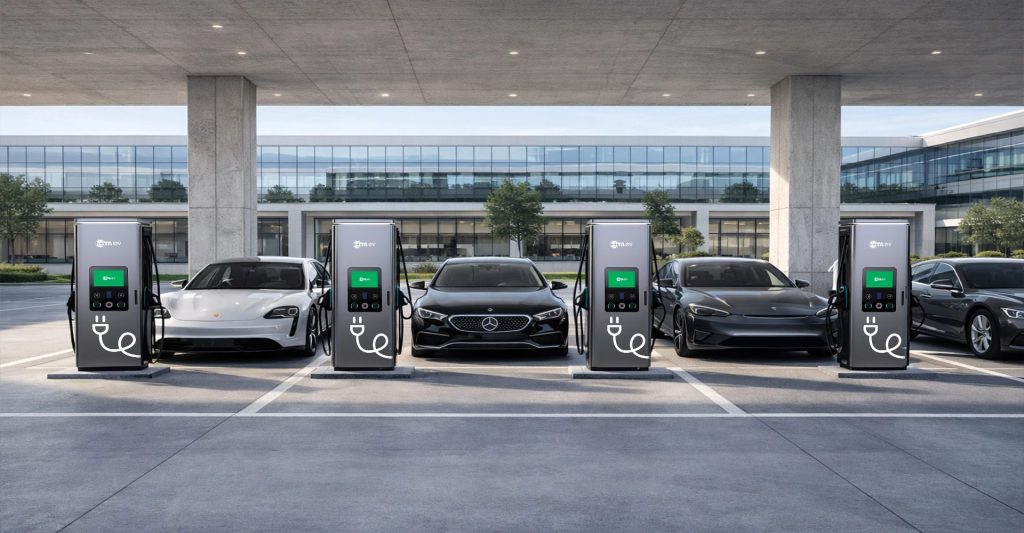
- Use workplace or retail EV chargers during free charging hours
- Top up at fast chargers only when necessary
- Avoid peak-hour rapid charging fees
This hybrid approach ensures your ev charging remains cost-efficient across different scenarios. Smart planning, supported by app-based insights from your smart EV charger, helps optimise every charging session.
Charge Smarter, Spend Less
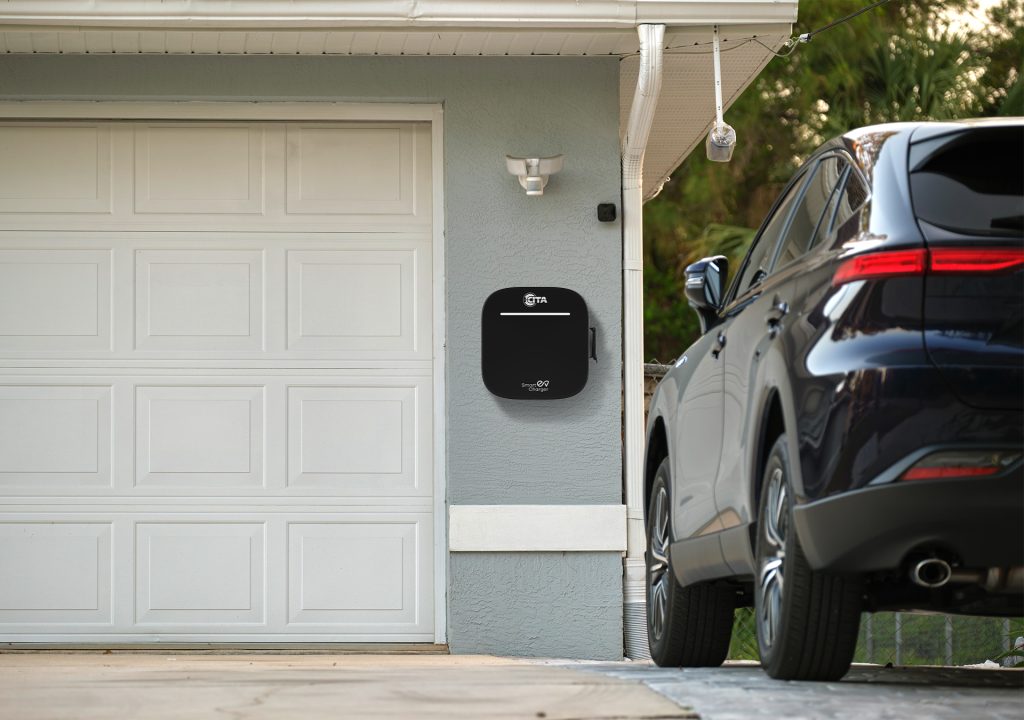
At CITA EV Charger, we believe reducing EV charging costs is about making smarter choices, not drastic changes. By charging off-peak, using intelligent load management, and choosing a certified smart EV charger, UK drivers can significantly lower monthly bills.
We design our smart EV charging solutions to combine reliability, efficiency, and future-ready technology.
Built for homes, businesses, and fleets, our EV chargers adapt to evolving energy needs while ensuring seamless performance and long-term savings.
Ready to upgrade your charging experience?
Contact CITA today and discover smarter EV charging built for the UK.