 Skip to content


The Workplace EV Charging Scheme continues to play a vital role as the UK accelerates towards net-zero mobility. With electric vehicle adoption rising sharply – over 1 in 5 new cars sold in the UK now being electric – businesses are under increasing pressure to support employee charging infrastructure.
As the scheme evolves into 2026, organisations must understand how grants, regulations, and technology upgrades are shaping the future of workplace EV charging.
Key Highlights
- Overview of the Workplace EV Charging Scheme and how it supports UK businesses.
- Key updates and trends shaping the scheme in 2026.
- Eligibility criteria and funding insights for organisations.
- AC vs. DC workplace charging explained.
- Installation and compliance considerations for UK businesses.
What is the Workplace EV Charging Scheme?

The Workplace Electric Vehicle Charging Scheme (WCS) is a government-backed incentive designed to help UK businesses install electric vehicle chargers at commercial locations. Managed by the Office for Zero Emission Vehicles (OZEV), the programme offers financial support to offset installation costs for eligible organisations.
The scheme aims to:
- Accelerate EV adoption in the UK
- Reduce carbon emissions
- Encourage workplace sustainability initiatives
Businesses can use the grant to install workplace EV chargers for staff, fleets, or company visitors, making it easier to transition away from petrol and diesel vehicles.
What’s New in 2026?

As the UK continues strengthening its net-zero targets, the Workplace EV Charging Scheme is evolving to align with new infrastructure needs. By 2026, the focus is shifting from early adoption incentives to scalable deployment and smarter infrastructure.
Key trends shaping the scheme include:
- Greater emphasis on smart charging compliance
- Integration with renewable energy systems
- Expansion of charging in leased and shared buildings
- Higher demand for scalable electric vehicle chargers
This means businesses must think beyond basic installation and plan for future-ready workplace charging strategies.
Who is Eligible for the Workplace EV Charging Scheme?

Eligibility remains one of the most common concerns among UK businesses. The good news is that the scheme is accessible to a wide range of organisations.
You may qualify if you:
- Own or lease commercial property in the UK
- Have dedicated off-street parking
- Install OZEV-approved workplace electric chargers
- Use a certified EV charger installer
Eligible entities include:
- SMEs and corporations
- Public sector organisations
- Charities and non-profits
- Educational institutions
However, landlords and multi-tenant buildings may have additional requirements under newer scheme updates.
How Much Funding Can Businesses Receive?

Under the existing framework, the Workplace EV Charging Scheme provides a contribution towards installation costs per charging socket. While grant structures may evolve by 2026, businesses can expect continued support aimed at lowering upfront infrastructure barriers.
Typically, the scheme helps cover:
- Hardware costs (electric car charger units)
- Installation and cabling
- Electrical upgrades where required
However, funding caps and compliance rules may vary, so it’s essential to check the latest OZEV guidance before planning deployments.
Why Workplace EV Charging is a Smart Investment for UK Businesses

As EV adoption accelerates across the UK, the WCS is no longer just a funding incentive – it’s a strategic enabler for businesses planning long-term electrification. By reducing upfront installation costs and encouraging compliant infrastructure, the scheme helps organisations unlock the full value of workplace EV charging.
For companies evaluating WCS in 2026, the benefits go beyond grants. The scheme supports scalable deployment, regulatory readiness, and smarter infrastructure planning.
Here’s how leveraging the Workplace EV Charging Scheme delivers real business value.
1) Improves Employee Satisfaction Through Accessible Charging
The WCS makes it easier for businesses to install chargers that support employees without home charging access. This is especially relevant in urban UK settings where off-street parking is limited. By lowering installation costs, the scheme enables organisations to provide reliable workplace charging that improves employee experience and retention.
2) Strengthens ESG Goals with Government-Backed Action
WCS-supported installations directly contribute to carbon reduction and sustainability commitments. Because the scheme promotes certified EV charger deployments, businesses gain infrastructure that aligns with ESG reporting and net-zero strategies. Leveraging the WCS demonstrates measurable climate action backed by government policy.
3) Future-Proofs Commercial Property with Subsidised Infrastructure
Properties equipped with EV charging funded through the WCS gain a long-term competitive edge. As EV ownership grows, buildings without charging risk becoming outdated. Using scheme support to install scalable electric vehicle chargers helps future-proof assets while reducing upfront capital expenditure.
4) Enables Cost-Effective Fleet Electrification
For businesses planning electric fleets, the WCS lowers the financial barrier to infrastructure deployment. Subsidised workplace EV chargers allow organisations to transition fleets with better cost control and predictable energy management. This makes fleet electrification more viable, especially for SMEs entering the EV transition phase.
5) Enhances Brand Credibility Through Government Alignment
Participating in the WCS signals that a business is aligned with national sustainability goals. Organisations adopting scheme-supported charging infrastructure are often perceived as forward-thinking and responsible. This strengthens employer branding while reinforcing credibility with customers, partners, and investors.
AC vs DC Charging in Workplace Settings
A common question UK businesses face is whether to install AC or DC workplace charging infrastructure. The choice depends mainly on charging speed, usage type, and budget.
| Factor | AC EV Chargers | DC Fast Chargers |
|---|---|---|
| Charging Speed | Moderate (ideal for 4–8 hour parking) | Very fast (quick top-ups in minutes) |
| Best For | Offices, employee parking, business parks | Fleet depots, logistics hubs, and high turnover sites |
| Installation Cost | Lower and easier to deploy | Higher cost with complex setup |
| Typical Workplace Use | Daily staff charging | Commercial fleets and rapid charging needs |
Simple Takeaway
Most workplaces start with AC workplace EV chargers because they are cost-effective and ideal for long dwell times. DC chargers are usually added later for fleets or high-demand environments.
Installation Considerations for UK Businesses

Installing workplace EV chargers involves more than selecting hardware. Businesses should evaluate these key infrastructure factors to ensure safe, scalable, and compliant deployment.
- Electrical Capacity Assessment
Check whether your building can support multiple electric car chargers without overloading the supply. A professional load analysis helps identify upgrade needs early and prevents costly electrical modifications later.
- Smart Parking Layout Planning
Plan charger placement based on parking flow, cable reach, and user accessibility. A well-designed layout improves safety, simplifies installation, and ensures convenient charging for employees and visitors.
- Future-Ready Infrastructure Design
Prepare for EV growth by planning scalable infrastructure like spare conduits and modular layouts. This allows easy expansion without rewiring or disrupting operations as charging demand increases.
- Certified Installer Selection
Always work with OZEV-compliant, certified EV charger installers. This ensures proper installation, regulatory compliance, and eligibility for UK workplace charging incentives.
Smart Charging Regulations and Compliance
The UK has introduced strict smart charging regulations requiring certain chargers to include:
- Off-peak scheduling
- Load balancing
- Cybersecurity features
By 2026, compliance will become even more important. Businesses deploying non-compliant electric vehicle chargers risk missing out on grants or facing regulatory challenges.
This is why investing in certified EV charger technology is essential from day one.
Preparing Your Business for the EV Future

The Workplace EV Charging Scheme continues to empower UK businesses transitioning to electric mobility. Organisations investing in scalable, certified infrastructure today will be better prepared for evolving regulations, employee needs, and fleet electrification.
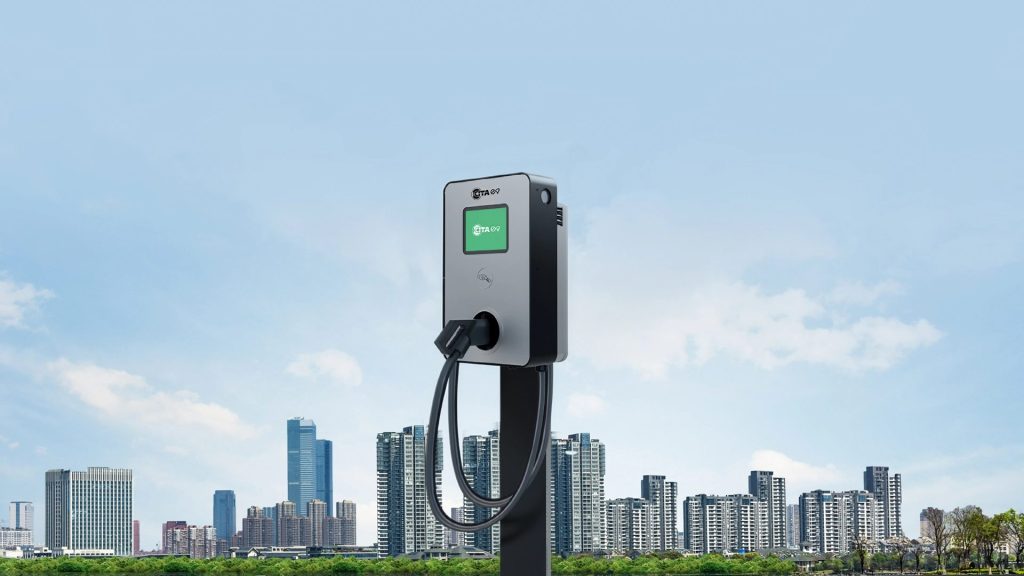
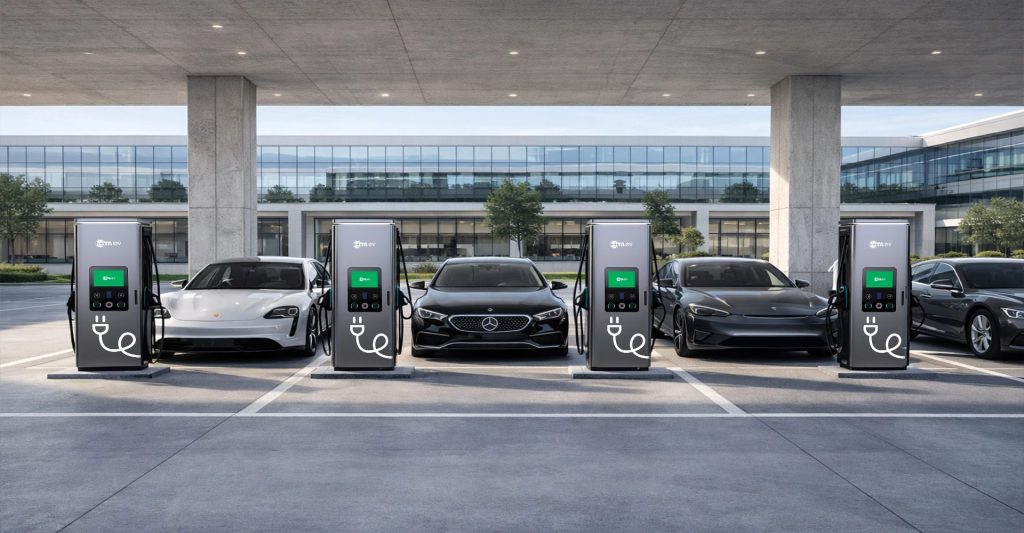
At CITA EV Charger, we deliver intelligent workplace EV chargers built for real-world scalability. Our 44 kW dual AC chargers support simultaneous charging for two EVs, while the CITA EV App and CPMS enable smart monitoring, access control, and energy optimisation across sites.
Planning a workplace charging rollout?
Contact CITA for expert consultation and future-ready EV charging solutions tailored for UK businesses.