 Skip to content


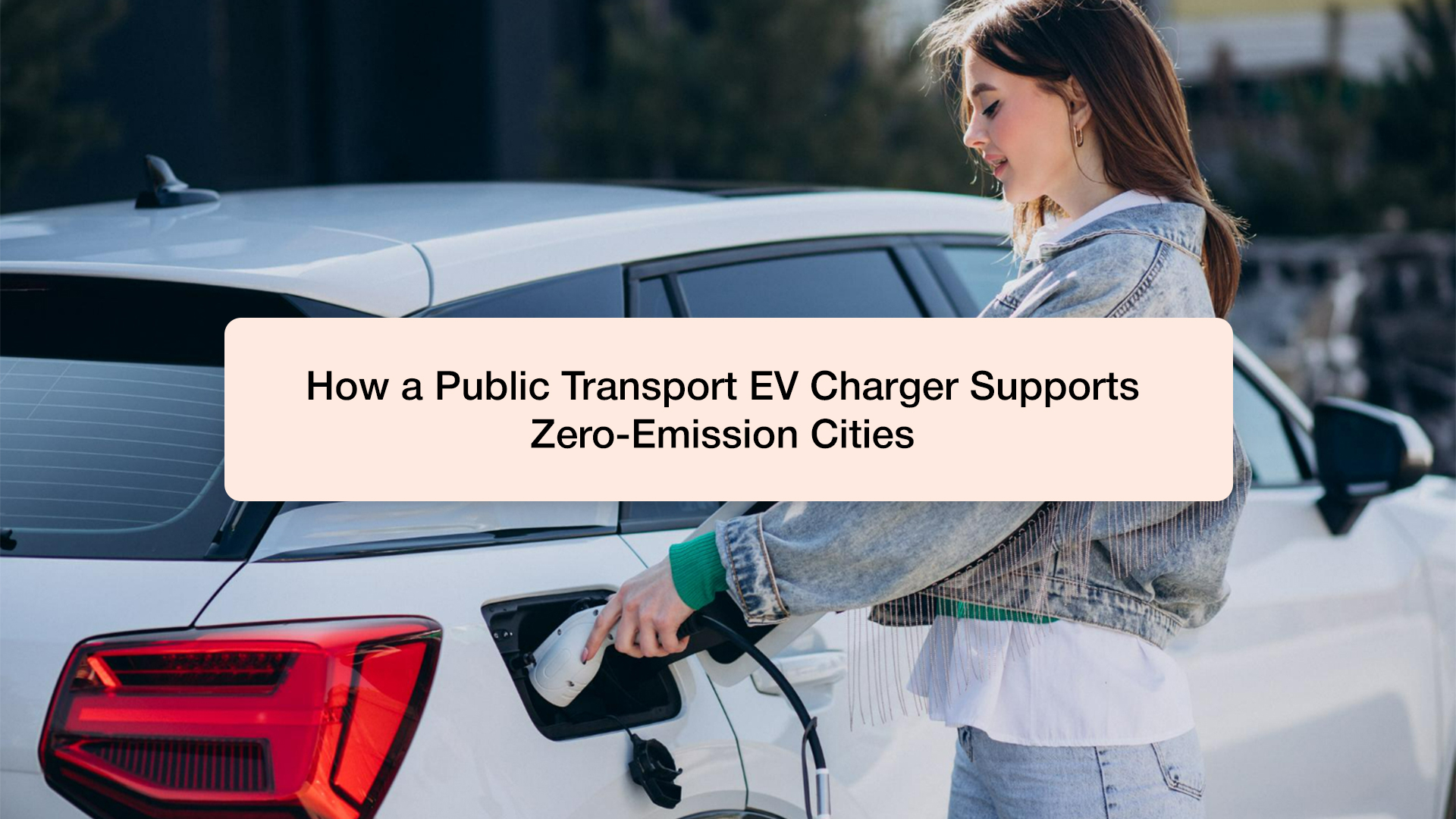
A Public Transport EV Charger is no longer just a supporting asset – it is a core enabler of zero-emission cities across the UK. As electric buses, trams, and municipal fleets replace diesel vehicles, cities are realising that decarbonisation depends as much on charging infrastructure as it does on vehicles themselves.
With the UK targeting net-zero emissions by 2050 and local authorities accelerating clean transport mandates, ev charging for public transport has become a strategic priority. Recent UK transport data indicates that electric buses can reduce urban transport emissions by up to 61%, while also cutting noise pollution and long-term operating costs.
Key Highlights
- Why public transport electrification is critical for zero-emission cities
- The need for dedicated EV charging for buses and transit fleets
- How high-power DC chargers keep public transport running reliably
- Safety, durability, and compliance needs for public transport charging
- Planning scalable charging infrastructure for future fleet growth
Why Public Transport Is Central to Zero-Emission Cities
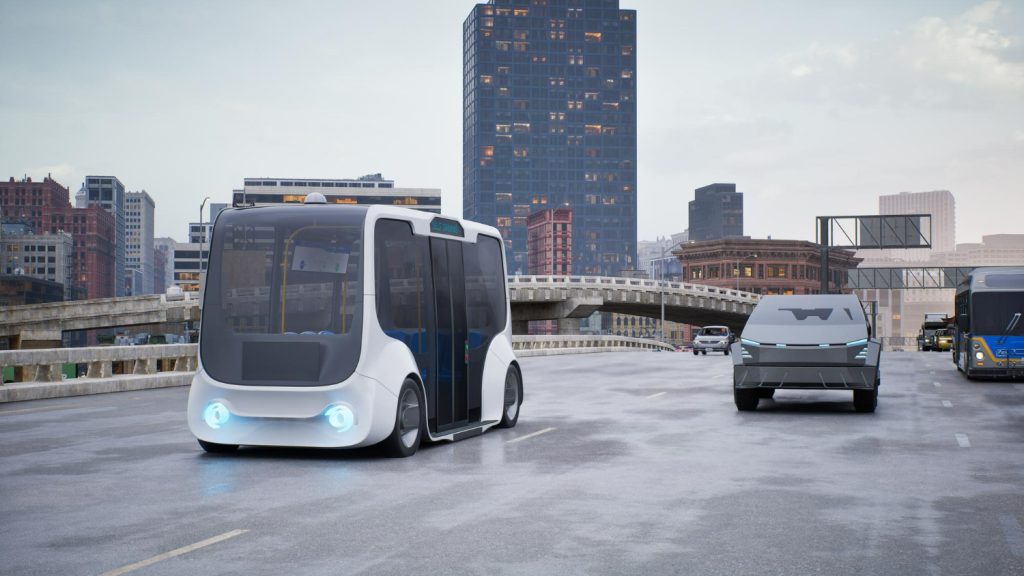
Public transport carries a far greater share of daily commuters than private vehicles. Electrifying buses, city shuttles, and transit fleets therefore delivers an outsized environmental impact.
Key benefits include:
- Significant reductions in CO₂ and NOx emissions
- Improved urban air quality and public health
- Lower noise levels in densely populated areas
- Reduced dependence on fossil fuels
However, without reliable electric vehicle chargers, electrified fleets risk operational disruptions, delayed routes, and reduced public confidence.
The Importance of Dedicated Public Transport EV Charging
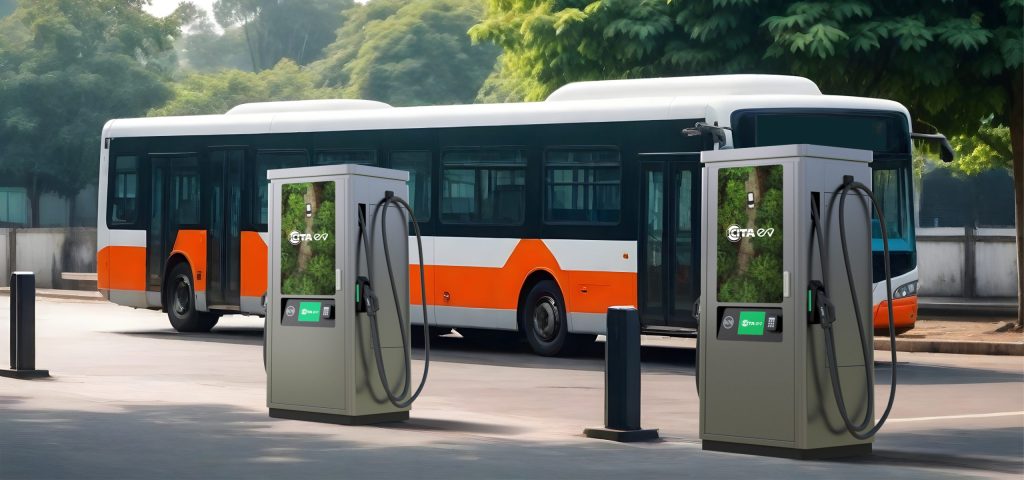
Public transport fleets operate under unique conditions that standard electric car charger setups cannot support.
Public transport EV charging requires:
- High daily energy throughput
- Predictable and repeatable charging schedules
- Simultaneous charging of multiple vehicles
- Outdoor, high-use installations
This is why purpose-built Public Transport EV Charger infrastructure is essential, rather than repurposing residential or workplace charging models.
DC Fast EV Chargers: The Backbone of Public Transport Electrification
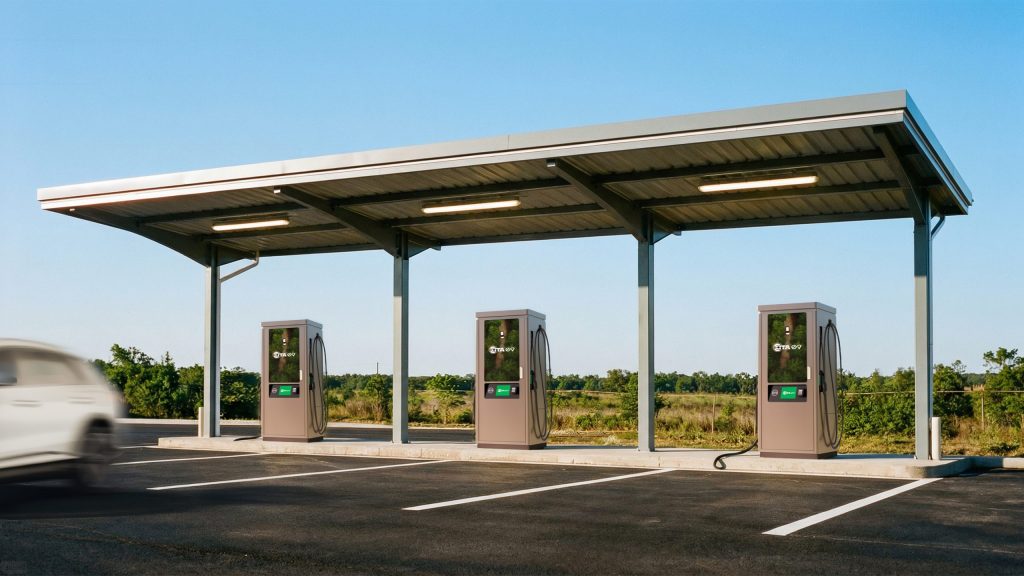
For buses and high-utilisation vehicles, DC Fast EV charger systems are the most effective solution. Unlike AC chargers, DC charging delivers high power directly to vehicle batteries, reducing downtime and supporting tight operational schedules.
Public transport depots and terminals increasingly rely on:
- 60–360 kW fast and ultra-fast DC EV charging solutions
- Opportunity charging during route layovers, allowing vehicles to top up energy during short breaks without disrupting service schedules
- Overnight depot charging for fleet balancing, ensuring fleets start each day with optimal charge levels and evenly distributed battery usage
These high-power electric vehicle chargers ensure vehicles return to service quickly without expanding fleet size, while also improving route reliability, reducing idle time, and supporting consistent public transport operations throughout the day.
Key Safety and Durability Factors for Public Transport EV Charging
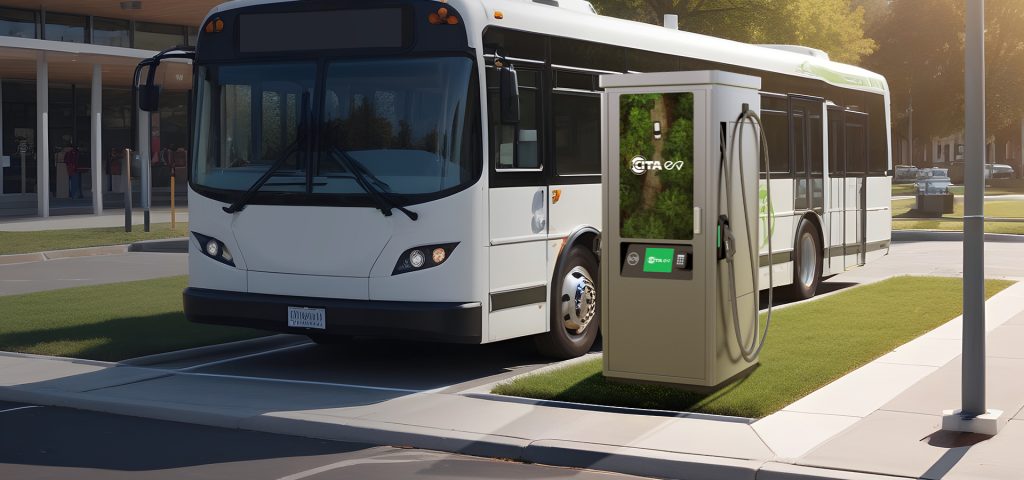
Public transport EV charger infrastructure must perform reliably under continuous load, outdoor exposure, and high operational pressure. Unlike residential charging, failures in public transport ev charging systems can impact entire routes.
The following safety and durability factors are essential when deploying electric vehicle chargers for buses and public fleets.
1) Weather Protection Through IP-Rated Enclosures
Outdoor ev chargers in public transport depots are exposed to rain, dust, condensation, and temperature fluctuations year-round. IP-rated enclosures protect sensitive electronics from moisture ingress and particulate buildup, ensuring stable ev charging solutions even in harsh weather.
This protection is critical for maintaining uptime and preventing corrosion-related failures in long-term installations.
2) Impact Resistance in High-Traffic Transport Environments
Public transport depots experience constant vehicle movement, vibration, and tight maneuvering spaces. DC EV charger systems must be impact-resistant to withstand accidental contact, cable strain, and mechanical stress.
Robust enclosure design helps prevent physical damage, reduces maintenance interventions, and ensures electric car charger safety in busy operational settings.
3) Thermal Stability Under Repeated High-Power Loads
Electric buses and municipal vehicles often require multiple high-power charging sessions daily. Without proper thermal management, heat buildup can degrade performance and shorten charger lifespan.
Advanced cooling and thermal stability allow DC EV charger systems to deliver consistent output during continuous operation, supporting reliable ev charging for high-utilisation public fleets.
4) Compliance With UK Electrical and Safety Regulations
Public transport charging infrastructure must comply with UK electrical safety standards to protect users and maintenance teams. Certified EV Charger systems reduce electrical risk, ensure proper grounding and isolation, and support regulatory compliance.
Adherence to standards also simplifies inspections, approvals, and long-term operation across public-sector installations.
5) Long-Term Reliability for Mission-Critical Transport Services
Public transport relies on predictable, uninterrupted operations. EV charging solutions must be designed for long service lifecycles, high duty cycles, and minimal downtime.
Durable electric vehicle chargers help transport operators maintain fleet availability, protect service schedules, and support scalable electrification as zero-emission transport networks expand.
Installation Planning for Public Transport EV Chargers

Effective installation planning is critical to the long-term success of public transport ev charging infrastructure. Installing electric vehicle chargers for buses and municipal fleets requires careful coordination between physical space, electrical capacity, and future operational needs.
Poor planning can restrict scalability, increase upgrade costs, and disrupt transport services as fleets expand.
1) Depot Layout and Vehicle Movement Efficiency
Charging infrastructure must align with depot layout and daily vehicle movement patterns. Poor charger placement can create bottlenecks, increase dwell time, and reduce operational efficiency.
Well-planned ev chargers allow vehicles to enter, charge, and exit smoothly, supporting safe circulation and consistent charging schedules across busy public transport depots.
2) Grid Connection Capacity and Upgrade Planning
Public transport EV charging solutions place significant demand on local electrical infrastructure. Assessing grid capacity early helps determine whether upgrades are required to support DC EV charger installations.
Proper planning reduces the risk of power constraints, avoids costly retrofits, and ensures reliable charging performance as fleet electrification scales.
3) Redundancy Planning for Operational Continuity
Public transport operations cannot tolerate charging downtime. Installation planning should include redundancy through multiple chargers or distributed power systems.
This approach ensures EV charging continues even if one charger is offline, protecting service reliability and preventing route disruptions caused by charging failures.
4) Space Allocation for Future Fleet Expansion
Public transport fleets are expected to grow as electrification accelerates. Allocating space for additional electric vehicle chargers during initial installation reduces future disruption and construction costs.
Scalable layouts support phased deployment and allow transport operators to expand charging capacity without redesigning depot infrastructure.
5) Integration Through Compact Design and Clear Installation Guidance
Compact electric car charger designs simplify installation in space-constrained depots and terminals. Clear installation guidance ensures consistent setup, safe electrical connections, and efficient commissioning.
Together, these factors help integrate ev charging solutions into existing public transport facilities with minimal operational disruption.
Economic and Environmental Impact on Cities
Beyond emissions reduction, public transport ev charging delivers measurable economic benefits:
- Lower fuel and maintenance costs
- Reduced exposure to energy price volatility
- Longer vehicle lifespans
- Eligibility for national and local incentive schemes
Over time, these savings support reinvestment into public transport services and infrastructure.
EV Charging Infrastructure as the Foundation of Zero-Emission Cities
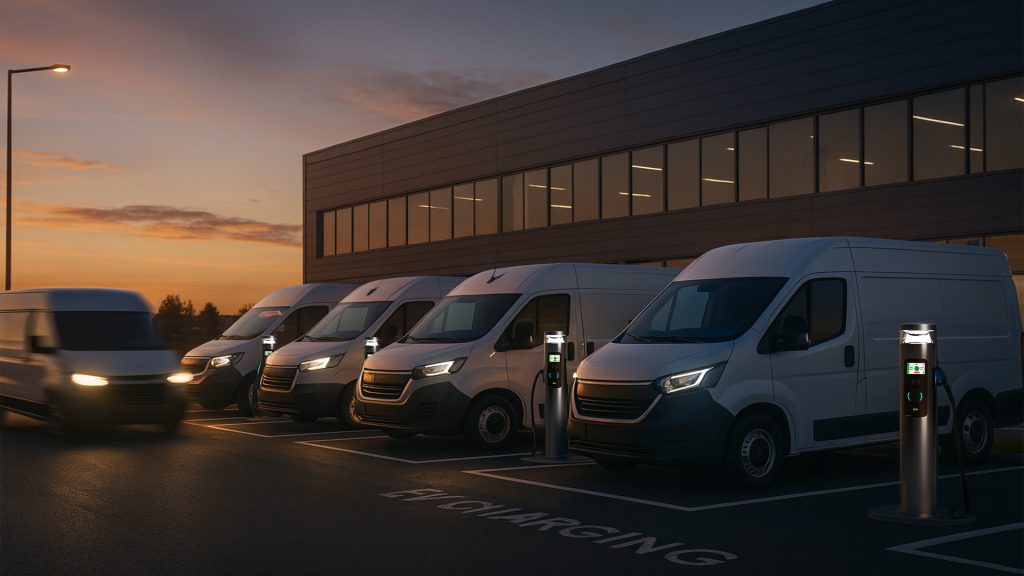
Zero-emission cities are built on more than electric vehicles alone – they rely on dependable, intelligent, and future-ready charging infrastructure. A well-planned Public Transport EV Charger network enables cities to electrify fleets at scale while maintaining reliable and efficient public transport services.
As UK cities accelerate their clean transport commitments, investment in robust ev chargers, high-power DC EV charger systems, and intelligent EV charging solutions will remain central to achieving long-term environmental and operational success.
At CITA EV Charger, we support this transition by delivering compliant, scalable charging infrastructure designed for public transport and fleet operations – helping cities move confidently toward zero-emission mobility.
If you are planning public transport electrification, start with a charging strategy that prioritises reliability, scalability, and long-term performance – because zero-emission cities begin with the right charging foundation.