 Skip to content


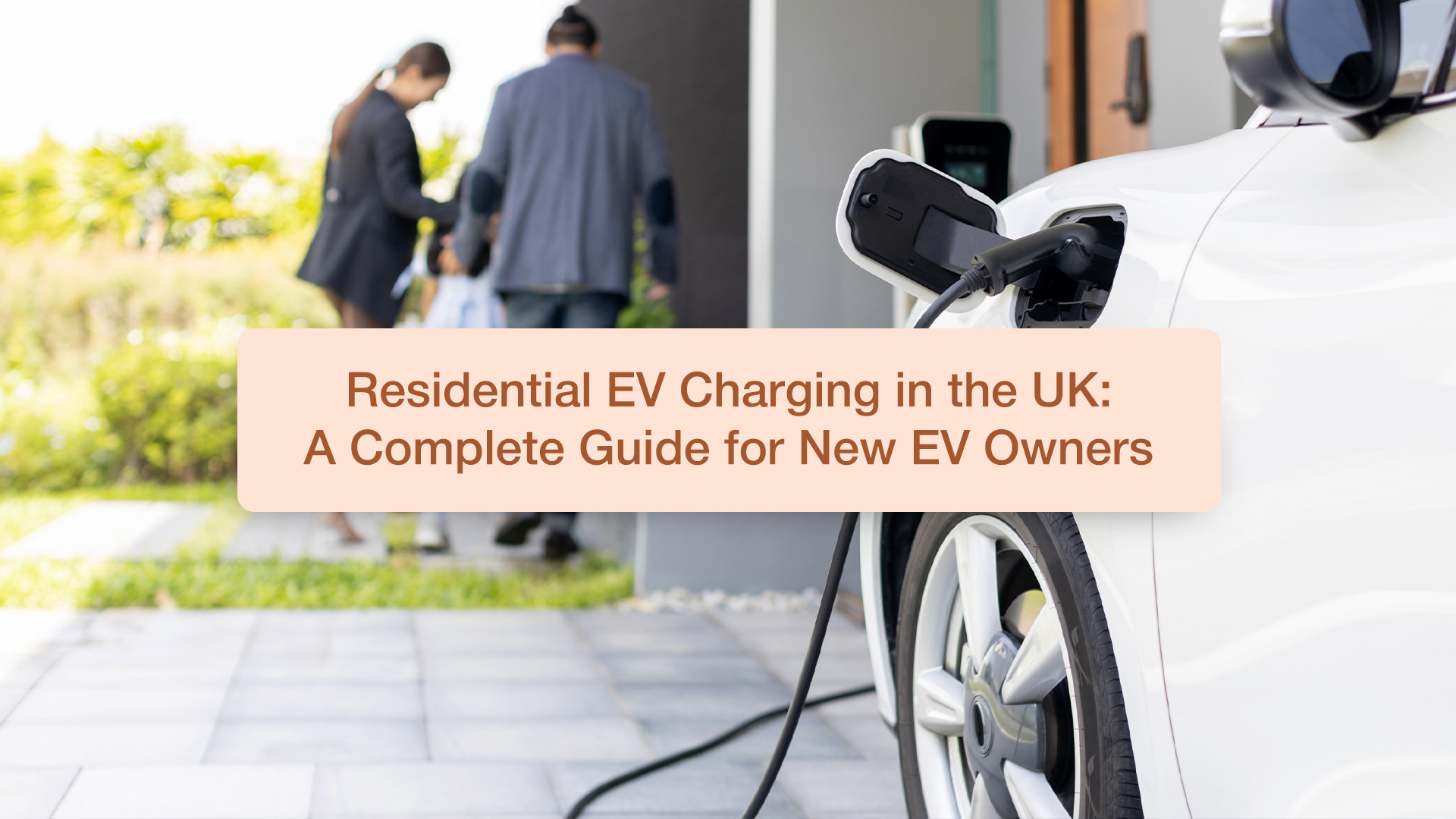
Residential EV charging in the UK is becoming an everyday necessity as electric vehicles rapidly move into the mainstream. With over 1.85 million fully electric cars now on UK roads and battery-electric vehicles making up a growing share of new car registrations, home charging is no longer optional for most EV owners – it’s essential.
Government policy aims to phase out the sale of new petrol and diesel cars by 2030, reinforcing the shift toward electric mobility and making dependable residential charging infrastructure a cornerstone of everyday life. For new EV drivers, understanding how residential charging works can feel overwhelming.
This guide explains everything step by step – from charger types and safety standards to installation, costs, and long-term benefits – so you can make informed, confident decisions.
Key Highlights
- How residential EV charging works in the UK.
- Choosing the right home EV charger power level.
- What makes a Certified EV Charger?
- Installation essentials every homeowner should know.
- Costs, grants, maintenance, and long-term benefits.
What is Residential EV Charging in the UK?

Residential EV charging in the UK refers to the installation and use of electric vehicle chargers at private homes, including detached houses, semi-detached properties, and residential driveways with dedicated parking.
Unlike public EV charging, which may involve queues or variable pricing, home EV charging allows vehicle owners to recharge overnight or during off-peak hours using a domestic electricity supply. Most UK households rely on AC EV chargers, which provide steady, safe charging suitable for daily driving needs.
For new EV owners, residential charging becomes the primary way to keep their electric car ready for everyday commuting, school runs, and local travel.
Choosing the Right Home EV Charger Power Level
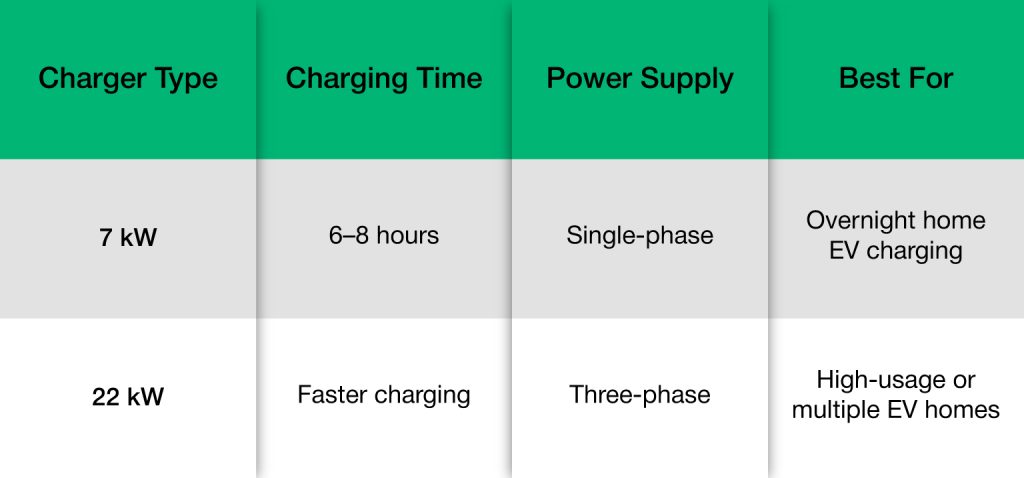
Selecting the correct charger capacity ensures your charging setup matches your driving habits and household needs.
1) 7 kW Home EV Chargers
The most common choice in the UK, 7 kW chargers are ideal for overnight charging. They suit most daily commutes and can fully charge many EVs within 6–8 hours.
2) 22 kW AC EV Chargers
These chargers require a three-phase power supply and provide faster charging. They are suitable for homes with higher energy capacity, multiple EVs, or drivers covering longer daily distances.
How Residential EV Charging Works
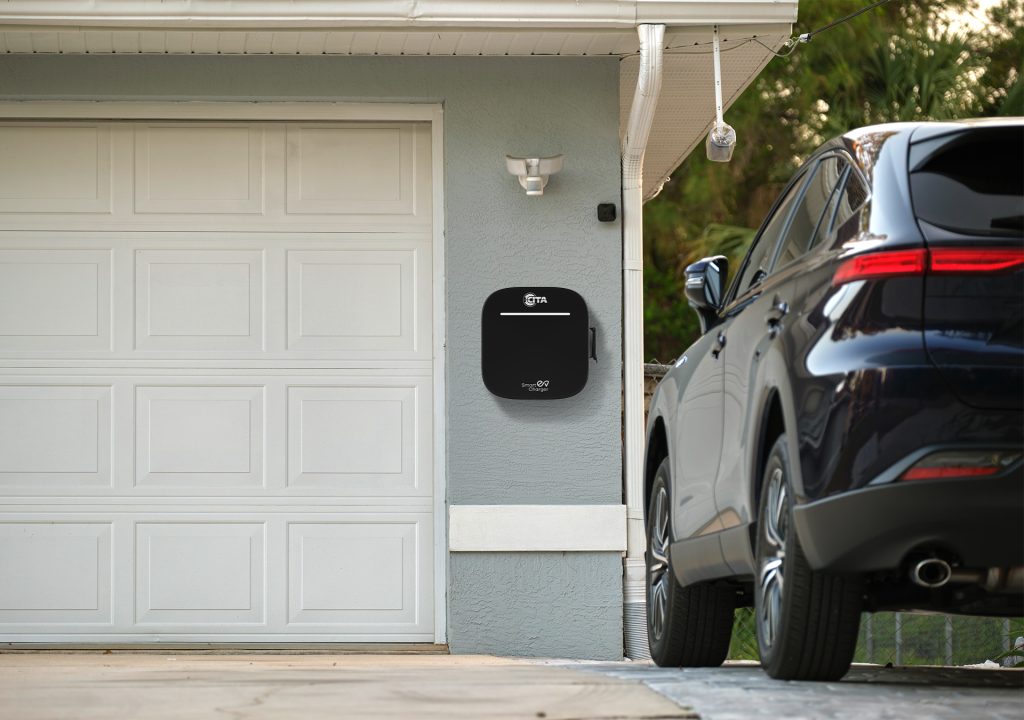
Understanding how residential EV charging in the UK functions helps new EV owners feel more confident when choosing and using a home charging setup. In the UK, most households use AC EV chargers, which supply electricity steadily from the grid to the vehicle, making them ideal for overnight charging rather than rapid top-ups.
For example, a typical 7 kW home EV charger can fully charge most electric cars in six to eight hours while the vehicle is parked at home.
Modern electric vehicle chargers also communicate directly with the car, automatically managing charging speed, monitoring battery health, and stopping once the battery is full to prevent overcharging or wasted energy.
Unlike standard three-pin sockets, dedicated home EV chargers are designed for continuous daily use, offering higher power output, built-in safety protections, and improved efficiency for reliable residential EV charging.
What to Look for in a Residential EV Charger in the UK
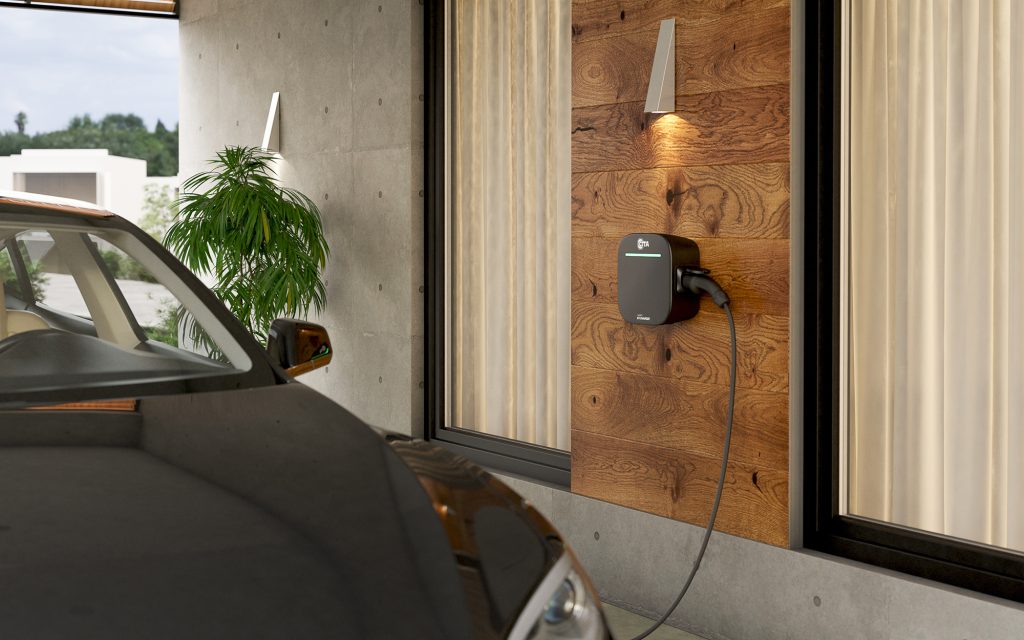
Choosing the right home EV charger is about ensuring safety, compatibility with your property, and reliable day-to-day charging. A suitable residential charger must meet UK regulations, support your household’s electrical capacity, and be designed for long-term use in real home environments.
1) Suitable Power Rating for Home Use
Most UK homes are best suited to 7 kW home EV chargers, which work with standard single-phase electricity supplies and allow overnight charging. Higher-powered chargers, such as 22 kW units, require three-phase power and are only suitable for a small number of residential properties. Selecting the correct power level ensures safe operation without overloading your home’s electrical system.
2) Certified Safety and Build Quality
A home EV charger should be fully certified and tested to meet UK safety standards. This includes built-in protection against overcurrent, earth leakage, and voltage fluctuations. These safety features protect both the vehicle and the home, automatically stopping charging if abnormal conditions are detected.
3) Weather and Impact Protection
For outdoor installations, the charger must be designed to withstand the UK’s climate. A minimum IP65 rating ensures protection against rain and dust, while strong impact resistance helps prevent damage from accidental knocks in driveways or parking areas. These protections are essential for long-term reliability in residential settings.
4) Compliance with UK EV Charging Regulations
Home EV chargers must comply with UK electrical wiring regulations and smart charging requirements. Compliance ensures compatibility with modern electric vehicles, certified installation practices, and local grid conditions, while also helping homeowners stay aligned with future regulatory updates.
5) Long-Term Reliability and Warranty Support
Since home EV chargers are often used daily, durability and warranty coverage are important considerations. A charger built with high-quality components and supported by a multi-year warranty offers peace of mind and dependable performance over many years of home charging.
Installation Essentials Every Homeowner Should Understand
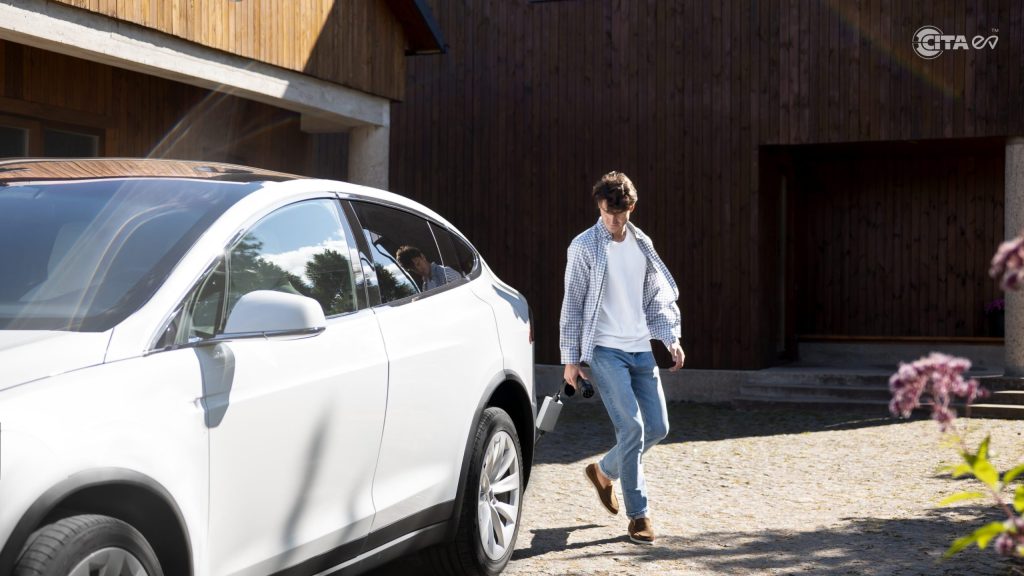
Installing a home EV charger in the UK is a regulated process and should always be carried out by qualified, certified professionals to ensure safety, compliance, and long-term performance.
1) Electrical Capacity Assessment
Before installation, a certified electrician will assess whether your home’s existing electrical supply can safely support an EV charger. This includes checking the main fuse rating, consumer unit capacity, earthing arrangements, and overall load demand.
Some properties – especially older homes – may require minor electrical upgrades to ensure the charger operates safely without overloading the system.
2) Optimal Charger Placement
Installers help identify the most suitable location for the charger based on your parking position, cable length requirements, and ease of daily access.
Factors such as wall strength, distance from the consumer unit, weather exposure, and potential trip hazards are carefully considered to ensure both safety and convenience.
3) Professional Installation
Proper installation involves secure mounting, correct cabling, and connection to protective safety devices such as RCDs and surge protection.
A professional installation ensures the charger complies with UK electrical regulations and performs reliably over years of regular use, reducing the risk of faults or downtime.
4) System Testing and Handover
Once installed, the EV charger is thoroughly tested to confirm safe operation and correct communication with the vehicle.
Homeowners are then guided through basic usage, charging routines, and simple troubleshooting steps, ensuring confidence from day one.
Costs, Grants, and Long-Term Savings
Understanding the financial side of residential EV charging in the Uk helps new EV owners plan effectively and access support where available.
1) Typical Installation Considerations
The cost of installing a residential EV charger depends on factors like charger type, installation complexity, and whether any electrical upgrades are needed.
Homes with simpler setups and easy access to the consumer unit generally have lower installation complexity, while older or unusual layouts may require additional work.
2) Government Support and Grant Options
In the UK, several government-backed schemes exist to help householders with the cost of home charging infrastructure. These include:
- If you live in a rented property or flat and have private off-street parking, you can apply for Electric Vehicle Chargepoint Grants, which help cover part of the cost of installing a home charger.
- On-street residential chargepoint grants aimed at assisting households that do not have a driveway but want to install a charger using approved solutions.
- Regional support in some parts of the UK, such as additional funding programmes in Scotland that help contribute towards EV chargepoint installation for eligible residents.
These schemes may vary by region, eligibility criteria, and local authority policies, so checking the latest government guidance or speaking with an installer about current options is recommended.
3) Long-Term Financial Benefits
Charging your EV at home typically costs less per mile than public charging infrastructure due to lower residential energy tariffs and the ability to charge during off-peak hours.
Over months and years, the predictable cost savings from home charging can help balance initial installation expenses while providing convenience and control over your EV charging routines.
Maintenance Tips for Your Home EV Charger

Residential EV chargers are designed for everyday use and require very little maintenance. However, regular care and simple checks can significantly improve safety, performance, and the overall lifespan of your charging equipment.
1) Conduct Regular Visual Inspections
Make it a habit to visually inspect the charger, cable, and connector every few weeks. Look for signs of fraying, cracking, loose fittings, or discoloration, particularly if the charger is installed outdoors.
Weather exposure, accidental knocks, or repeated bending of cables can cause gradual wear. Identifying issues early helps prevent charging failures and reduces the risk of electrical faults.
2) Keep the Charger Clean and Unobstructed
Dust, dirt, leaves, or moisture buildup can affect ventilation and heat dissipation. Gently clean the charger’s exterior using a dry or slightly damp cloth and avoid using harsh cleaning chemicals.
Ensure that ventilation slots are clear at all times, as blocked airflow can cause the charger to overheat and reduce charging efficiency.
3) Handle Cables and Connectors with Care
Charging cables are built to be durable, but poor handling can shorten their lifespan. Avoid tightly coiling cables, dragging them across rough surfaces, or leaving connectors exposed to rain or dirt.
When not in use, always place the connector back into its holder to keep it clean, dry, and protected from accidental damage.
4) Monitor Charging Behaviour and Alerts
Pay attention to how your EV charger performs during daily use. Unusual indicator lights, error messages, slower charging speeds, or unexpected interruptions may signal underlying electrical or communication issues.
Addressing these early – either by consulting the user manual or contacting a qualified installer – can prevent more serious problems later.
5) Review Warranty Coverage and Support Options
Most residential AC EV chargers come with standard three-year warranties, often with the option to extend coverage.
Understanding what your warranty includes – such as repairs, replacements, or software support – provides peace of mind and ensures you know where to turn if issues arise during long-term ownership.
Making Residential EV Charging Simple

Residential EV charging in the UK no longer needs to feel complex or overwhelming. With the right home EV charger, certified installation, and a basic understanding of how charging works, new EV owners can enjoy dependable, affordable, and stress-free charging every day – right from their driveway.
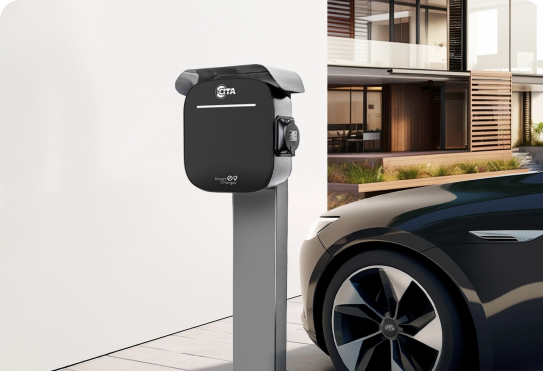
As the market continues to evolve, experienced residential EV charger manufacturers such as CITA EV are helping shape best practices by delivering certified AC home EV chargers, intuitive charging apps, and long-term warranty support designed specifically for UK homes. These advancements are making home charging safer, smarter, and more accessible for first-time EV owners.
For those starting their electric journey, informed choices today lead to effortless charging tomorrow – and a smoother transition into an all-electric future.
Looking to get started?
Explore certified home EV charging solutions, assess your installation needs, and choose a charger built for long-term reliability to make EV ownership truly effortless.