 Skip to content


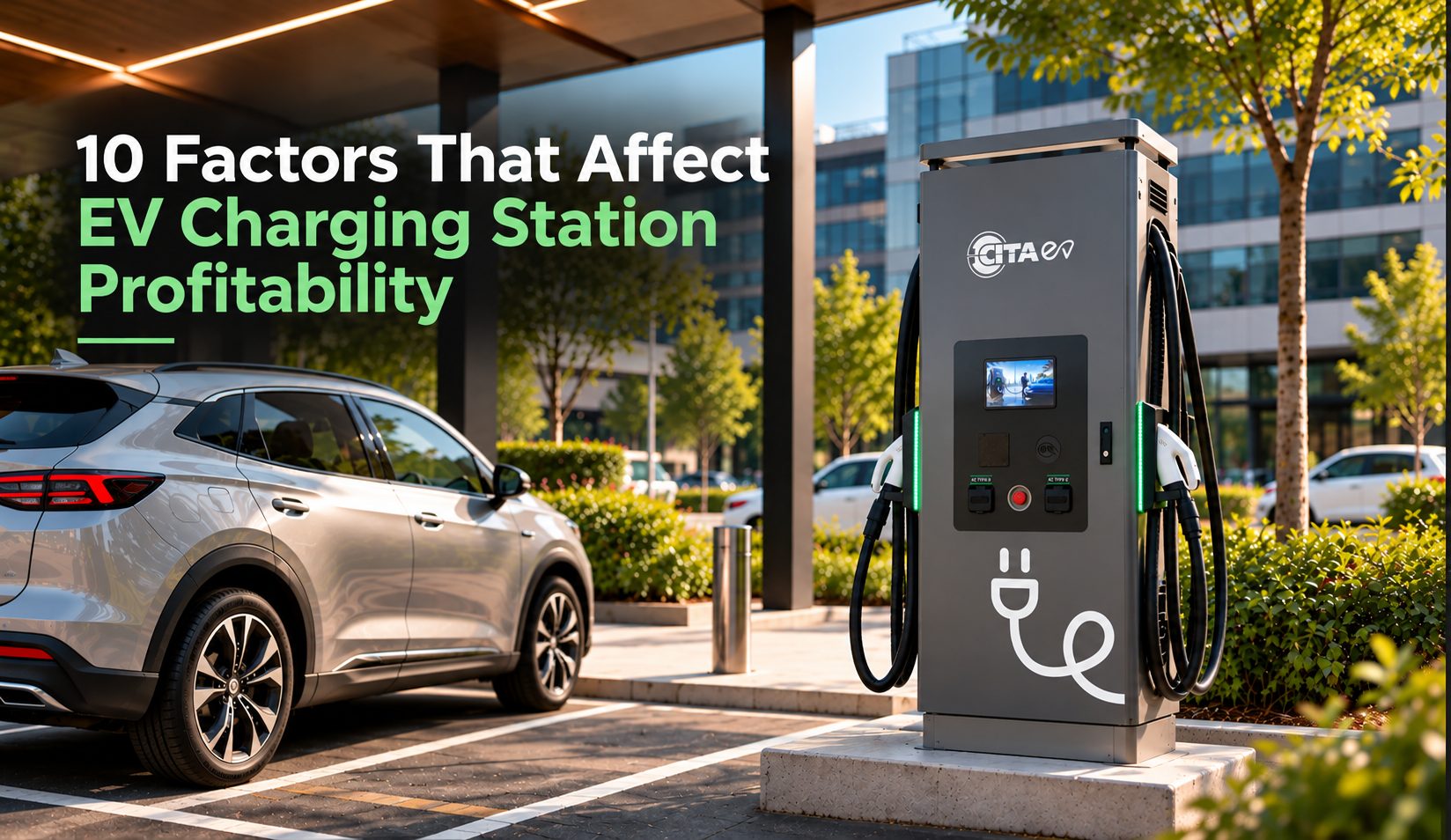
Running a profitable EV Charging Station involves much more than installing chargers and collecting charging fees. Location, charger utilisation, electricity prices, equipment selection and operating costs can all influence long-term financial performance.
The opportunity in the UK continues to expand. According to Department for Transport data, the UK had 121,171 public EV chargers as of 1 July 2026, including 28,887 rated at 50kW or above. The public network added 5,119 chargers during the first half of 2026 alone. As infrastructure expands, careful planning becomes increasingly important for operators seeking sustainable returns.
What Determines EV Charging Station Profitability?
An Electric vehicle Charging Station generates revenue when drivers actively use its chargers, but revenue alone does not determine profitability. Operators must balance demand, capital expenditure, energy consumption, maintenance and ongoing operational costs.
Understanding the following factors can help businesses develop a stronger commercial charging strategy.
1) Location and Local EV Demand
Location is one of the strongest influences on Electric vehicle charging station profitability. Sites near motorways, busy roads, shopping centres, workplaces, hotels and high-density residential areas can attract consistent charging demand.
Operators should evaluate traffic volume, local EV ownership, nearby amenities, existing charging infrastructure and expected dwell time before committing to a site.
2) Charger Utilisation Rate
A charger only generates charging revenue while customers are using it. Higher utilisation can therefore improve the economics of an EV Charging Station, provided operating costs remain controlled. Operators should assess expected sessions per day, average charging duration and energy delivered per session.
Usage data can then help identify underperforming chargers and periods of peak demand.
3) Electricity and Grid Costs
Electricity is a major recurring expense for commercial charging operations. Energy tariffs, peak-demand costs, network charges and available grid capacity can affect margins. Smart load management can help distribute available power more efficiently between chargers.
Where suitable, operators may also explore battery storage, renewable generation or time-based energy management to reduce exposure to expensive periods.
4) AC, DC and Charger Power Selection
Installing the highest-powered charger is not automatically the most profitable option. Charger capacity should match driver behaviour and dwell time. AC charging can suit workplaces, hotels and longer-stay car parks, while DC fast charging is better aligned with motorway, fleet and short-stop locations.
Selecting appropriate equipment helps balance installation investment against potential EV charging revenue.
5) Upfront Installation and Infrastructure Costs
Profitability begins with capital expenditure. Beyond the chargers themselves, an Electric vehicle Charging Station may require electrical upgrades, cabling, switchgear, foundations, civil works, signage, connectivity and grid connection improvements. Complex sites can require considerably more infrastructure.
Conducting a detailed site survey and electrical assessment before installation can help operators avoid unexpected costs and build a more realistic ROI model.
6) Charging Price and Revenue Model
Pricing needs to remain competitive while covering electricity, maintenance, payment processing and other operating expenses. Operators may charge customers per kWh or use models incorporating parking, subscriptions or fleet agreements where appropriate.
Commercial sites can also benefit indirectly when charging encourages drivers to spend more time at hotels, restaurants, retail centres or other facilities.
7) Reliability, Uptime and Maintenance
An unavailable charger cannot generate charging revenue. Preventive maintenance, remote diagnostics and timely technical support therefore have a direct commercial value. Regular inspections of connectors, cables, communication systems and payment functionality can reduce unexpected downtime.
Choosing durable equipment and establishing a clear maintenance strategy can support higher availability and a more consistent customer experience.
8) Number of Chargers and Future Scalability
Installing too few chargers may create queues as demand increases, while excessive capacity can leave expensive equipment underutilised. A scalable approach allows operators to expand as utilisation grows.
This is particularly important as the UK charging network develops: official figures show that 52% of public chargers were at destination locations in July 2026, highlighting the importance of matching capacity to specific site use cases.
9) Payment Experience and Charger Accessibility
Drivers are more likely to return to a charging location when the overall experience is straightforward. Clear pricing, easy payment, reliable charger availability and convenient parking all contribute to customer retention. Operators should also consider charger visibility, lighting, accessibility and site opening hours.
Removing unnecessary friction can encourage repeat usage and improve the commercial performance of the site.
10) Software, Monitoring and Data Management
A modern Charging Station should provide operators with visibility into charger status, energy consumption, transactions and utilisation. A central charge point management system can support remote monitoring, tariff management, fault detection and operational reporting.
Analysing this information helps operators identify peak periods, adjust pricing strategies, plan expansion and make better-informed decisions about their charging network.
Build a Future-Ready EV Charging Station with CITA EV Charger
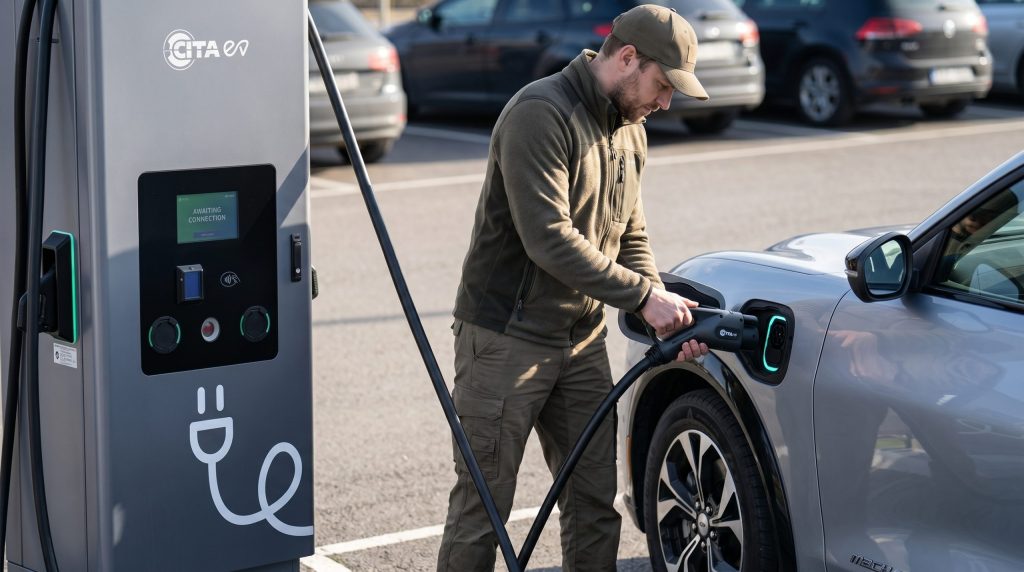
A profitable Electric vehicle Charging Station requires the right combination of location planning, charging capacity, reliable hardware, intelligent software and long-term scalability.
CITA EV Charger provides AC and DC charging solutions ranging from 7kW to 480kW, alongside charging management capabilities for residential, commercial, fleet and public charging applications. From selecting suitable charging infrastructure to supporting scalable deployment, CITA EV Charger can help businesses plan charging solutions around their specific site requirements.
Whether you are planning chargers for a hotel, workplace, retail destination, fleet depot or public charging site, choosing infrastructure that matches real demand can help create a stronger foundation for long-term operation.
Planning an EV charging station?
Contact CITA EV Charger today for a free consultation and personalised charging solution for your site.
Frequently asked questions
An Electric vehicle Charging Station can be profitable in the UK when it has sufficient utilisation and well-managed operating costs. Location, electricity prices, charger type, pricing strategy, maintenance costs and customer demand all influence profitability, so returns can vary considerably between sites.
An EV Charging Station primarily generates revenue by charging drivers for the electricity they use. Depending on the business model, operators may also generate income through parking fees, subscriptions, fleet charging agreements, advertising or additional customer spending at nearby retail, hospitality and leisure facilities.
The cost depends on the number and power of chargers, existing electrical capacity, grid connection requirements, civil works, cabling, software and payment systems. A detailed site assessment is therefore essential before estimating the total investment required for a commercial Electric vehicle Charging Station.
High-traffic locations with consistent EV demand generally provide stronger utilisation potential. Motorway sites, retail centres, hotels, workplaces, fleet depots, car parks and high-density residential areas can be suitable. The best location depends on local EV demand, competition, dwell time, grid capacity and accessibility.
Businesses can improve charging station profitability by increasing charger utilisation, selecting appropriate charger capacities, managing electricity costs, reducing downtime and using data to optimise operations. Competitive pricing, convenient payment options, reliable maintenance and scalable infrastructure can also support stronger long-term financial performance.