 Skip to content


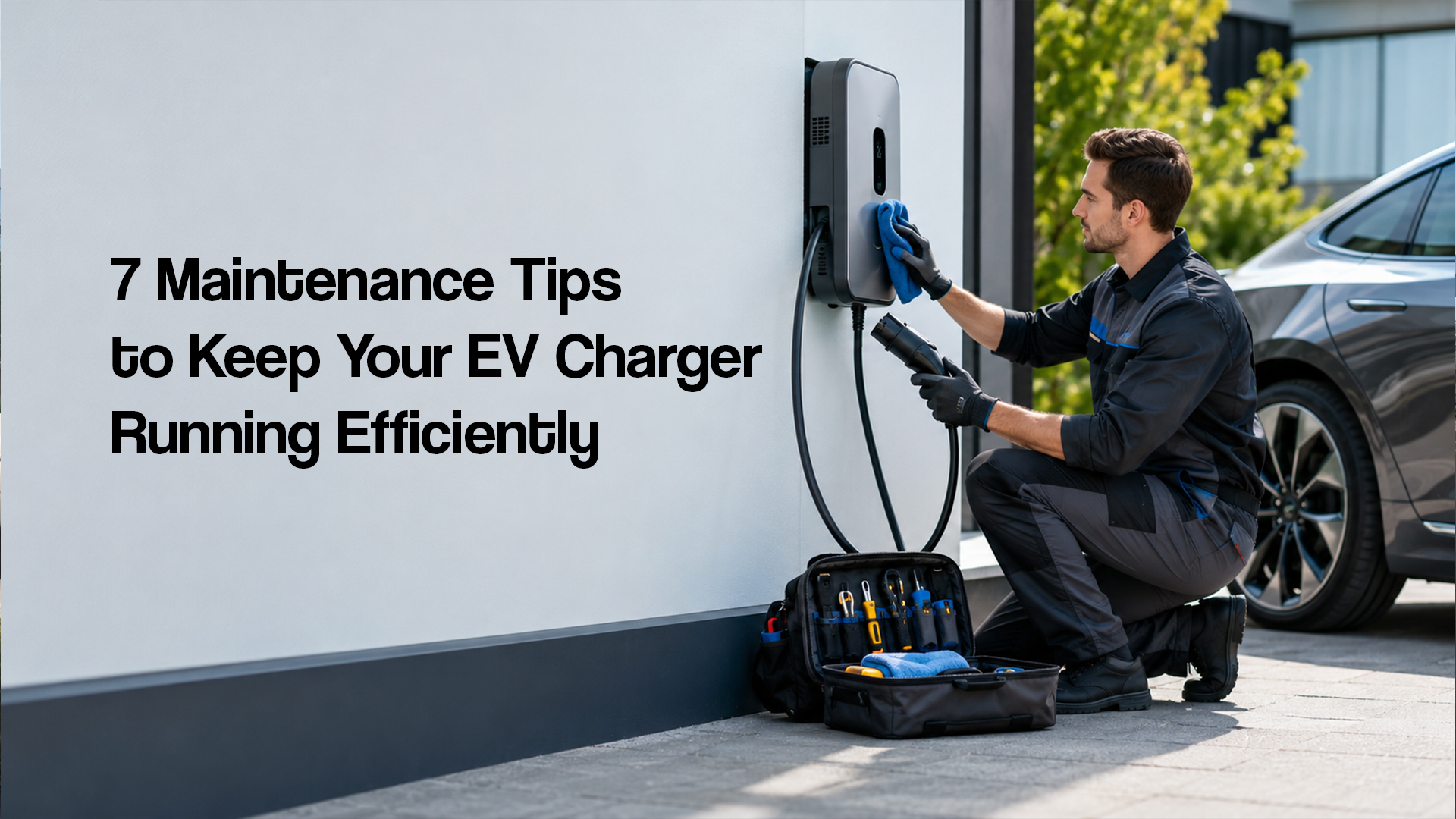
An EV Charger is a long-term investment, and keeping it properly maintained is essential for ensuring safe, reliable, and efficient charging. As the UK continues to accelerate the transition towards electric mobility, maintaining charging infrastructure has become more important than ever. According to the UK’s public charging statistics, the country now has well over 120,000 public EV charge points, with thousands more being installed each year to support the growing number of electric vehicles on British roads.
As charging infrastructure expands, regular EV Charger Maintenance plays a crucial role in maximising equipment lifespan, reducing unexpected downtime, and ensuring a seamless charging experience for EV drivers.
Whether you own a residential EV charger or manage a network of Commercial EV Charger installations, preventive maintenance helps protect your investment while improving long-term reliability. Many charging issues can be prevented through simple routine inspections and timely servicing rather than expensive repairs.
Seven Maintenance Tips to Keep Your EV Charger Running Efficiently
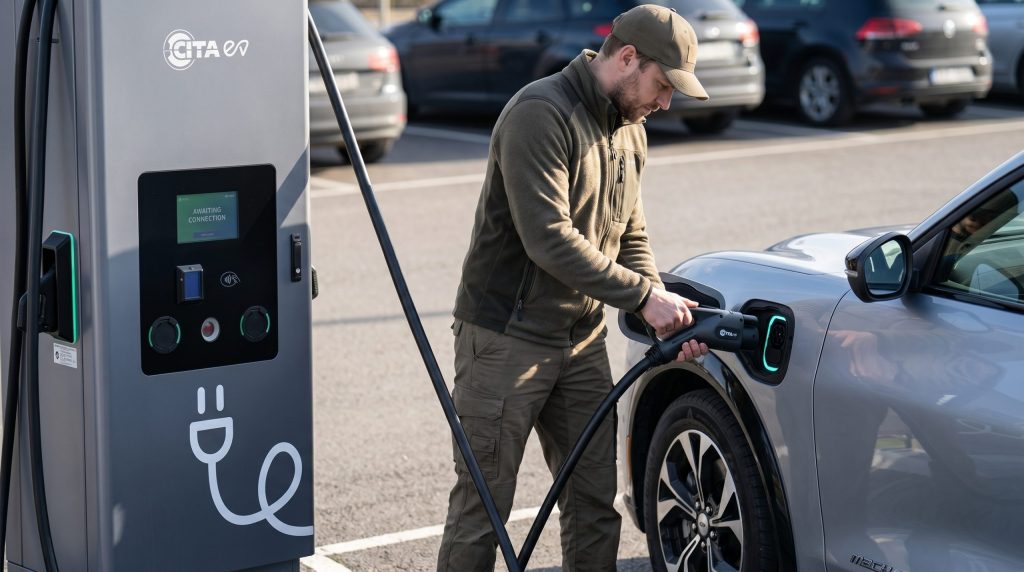
Proper maintenance doesn’t always require complex servicing. Many routine checks can be carried out regularly to identify small issues before they become costly problems. The following seven tips will help keep your charging system operating safely, efficiently, and reliably throughout its lifespan.
1) Keep Your EV Charger Clean and Free from Debris
The first step in effective EV Charger Maintenance is keeping the equipment clean.
Outdoor EV chargers are constantly exposed to dust, rain, leaves, pollution, and changing weather conditions. Over time, dirt can accumulate around ventilation openings, charging connectors, and cable holders.
Regularly wipe the charger with a soft cloth and avoid using harsh chemicals or excessive water pressure. Keeping the charger clean helps protect sensitive components while maintaining its professional appearance and reliable operation.
For commercial locations with frequent usage, cleaning should become part of the routine maintenance schedule.
2) Inspect Charging Cables and Connectors Regularly
Charging cables experience daily wear and tear.
Frequently inspect cables for:
- Cuts or cracks
- Loose connectors
- Bent charging pins
- Cable twists
- Signs of overheating
- Physical damage
Damaged cables should never be ignored, as they can affect charging efficiency and create potential safety risks.
High-quality EV Charging Equipment is designed for durability, but routine visual inspections remain one of the easiest ways to prevent unexpected failures.
3) Keep Software and Firmware Updated
Modern chargers are no longer simply electrical devices – they are intelligent charging systems.
A Smart EV Charger regularly receives firmware updates that improve functionality, enhance security, optimise communication with vehicles, and introduce new features.
If your charger supports remote software updates, install them whenever recommended by the manufacturer.
Updated software helps maintain compatibility with newer electric vehicles while improving charging performance and system reliability.
4) Schedule Professional Electrical Inspections
Although basic cleaning and inspections can be carried out by users, electrical servicing should always be performed by qualified professionals.
Professional inspections typically include:
- Electrical connection testing
- Internal component inspection
- Safety verification
- Grounding checks
- Performance testing
- Charger diagnostics
If your charger was installed as part of a larger EV charger installation, periodic professional servicing helps ensure the system continues operating safely and efficiently while complying with relevant electrical standards.
For commercial charging sites with multiple EV chargers, scheduled preventive inspections can significantly reduce downtime and maintenance costs.
5) Monitor Charger Performance and Usage Data
One of the biggest advantages of modern EV charging solutions is the ability to monitor charger performance in real time.
Many charging systems provide valuable insights such as:
- Charging session history
- Energy consumption
- Charger availability
- Fault notifications
- Peak usage periods
- Remote diagnostics
Regularly reviewing this data helps identify unusual behaviour before it develops into a major issue. For businesses operating a commercial EV charger, monitoring usage patterns can also improve operational efficiency, reduce downtime, and support better maintenance planning.
A proactive approach to EV charger maintenance keeps chargers operating at peak performance while delivering a better experience for every user.
6) Protect the Charger from Environmental Damage
Although most modern EV charging equipment is designed to withstand challenging outdoor conditions, long-term exposure to harsh weather can still affect performance.
Where practical, consider installing chargers in locations that offer additional protection from excessive rain, direct sunlight, flooding, or accidental vehicle impact. Bollards, wheel stops, protective canopies, and proper drainage can significantly reduce the risk of physical damage.
Regularly inspect the charger enclosure for signs of corrosion, loose fittings, moisture ingress, or impact damage. Addressing minor issues early helps prevent expensive repairs and extends the life of your EV Charger.
For public and commercial charging locations with high daily usage, environmental protection is an important part of maintaining reliable charging infrastructure.
7) Follow the Manufacturer's Recommended Maintenance Schedule
Every manufacturer designs its charging equipment with specific inspection and servicing recommendations.
Following the recommended EV charger maintenance schedule helps ensure your charger continues operating safely, efficiently, and reliably throughout its service life.
Routine maintenance may include:
- Periodic safety inspections
- Electrical testing
- Software updates
- Connector inspections
- Internal component checks
- Preventive servicing
Keeping maintenance records is particularly valuable for organisations managing multiple chargers, as it simplifies servicing schedules, warranty support, and long-term asset management.
Whether you own a residential EV charger or manage several Commercial EV Charger installations, preventive maintenance is always more cost-effective than reactive repairs.
Preventive Maintenance Delivers Long-Term Value

Many EV charger failures occur because small issues go unnoticed until they become larger problems. Simple practices such as regular cleaning, software updates, cable inspections, and scheduled servicing can dramatically improve reliability while reducing maintenance costs.
As EV adoption continues to grow across the UK, dependable charging infrastructure will become increasingly important for homeowners, businesses, fleet operators, and public charging providers. A well-maintained EV Charger not only delivers consistent charging performance but also improves user confidence, protects valuable equipment, and supports long-term operational efficiency.
Investing in preventive maintenance today helps maximise the return on your charging investment tomorrow.
Keep Your EV Charger Performing at Its Best with CITA EV Charger
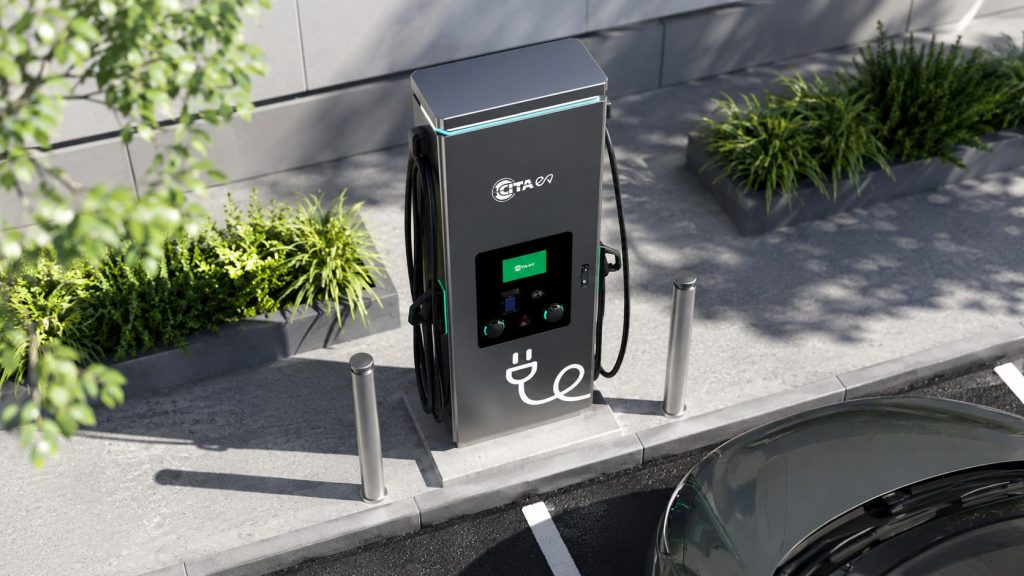
Reliable charging begins with reliable equipment – and continues with expert support.
At CITA EV Charger, we provide more than high-quality charging hardware. We deliver complete EV Charging Solutions designed for long-term performance, safety, and reliability. From expert EV Charger Installation and commissioning to intelligent software integration, technical assistance, and ongoing maintenance support, our team helps customers maximise the performance of every charging system.
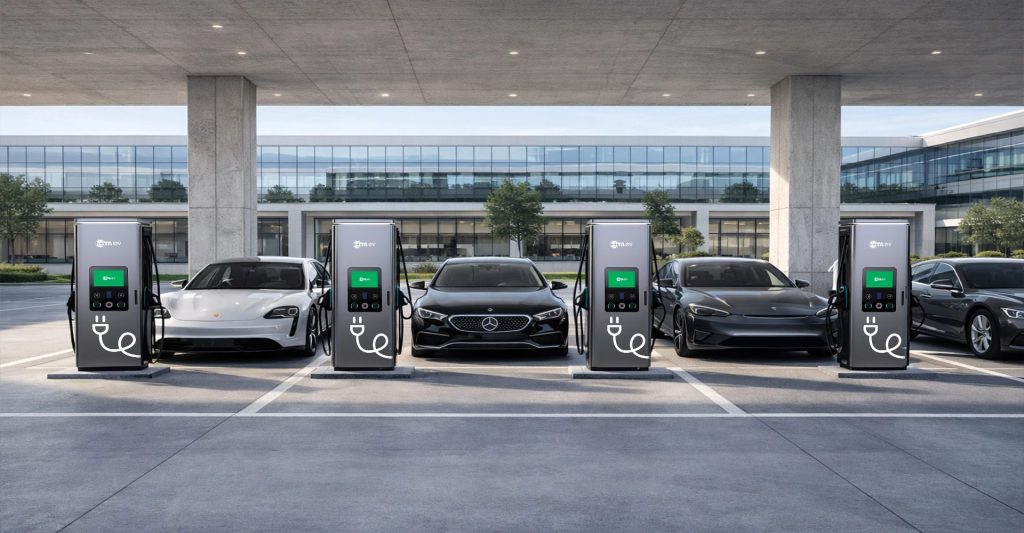
Our portfolio includes smart AC chargers for residential and workplace applications, as well as powerful DC fast charging solutions ranging from 30 kW to 480 kW for commercial, fleet, retail, hospitality, and public charging projects. Every solution is engineered to deliver dependable performance while supporting future expansion as EV demand continues to grow.
Contact CITA EV Charger today for a free consultation.
Our experts can help you choose the right charging solution, optimise your maintenance strategy, and ensure your EV charging infrastructure continues to perform safely and efficiently for years to come.