 Skip to content


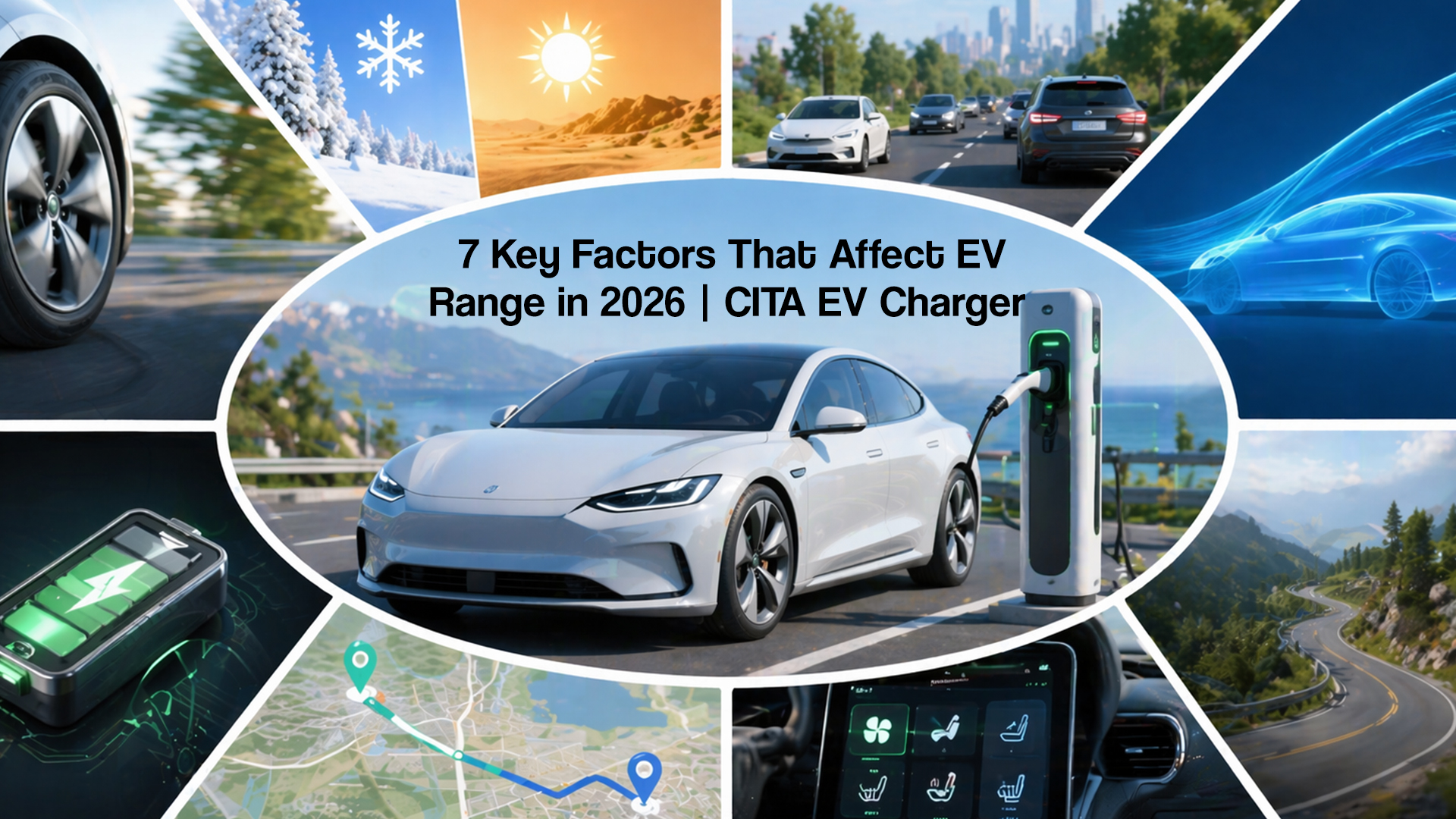
EV Range is one of the most important considerations for electric vehicle owners in the UK, especially as adoption continues to grow rapidly. With changing weather conditions, diverse driving environments, and evolving charging infrastructure, understanding what impacts EV range drivers experience daily is essential.
While manufacturers provide estimated figures, real-world electric car range performance can vary significantly. From winter temperatures to driving habits, multiple factors influence how far your EV can travel on a single charge.
Knowing these factors not only helps reduce range anxiety but also improves overall EV driving efficiency and battery performance.
Understanding What Impacts EV Range in the UK
Before diving into the specifics, it’s important to recognise that factors affecting EV range are often interconnected.
External conditions like weather, as well as internal aspects such as battery health and driving behaviour, all play a role.
For UK drivers, where seasonal changes are more pronounced, understanding these elements becomes even more critical to maintain consistent electric vehicle mileage UK performance.
1) Weather Conditions and Temperature
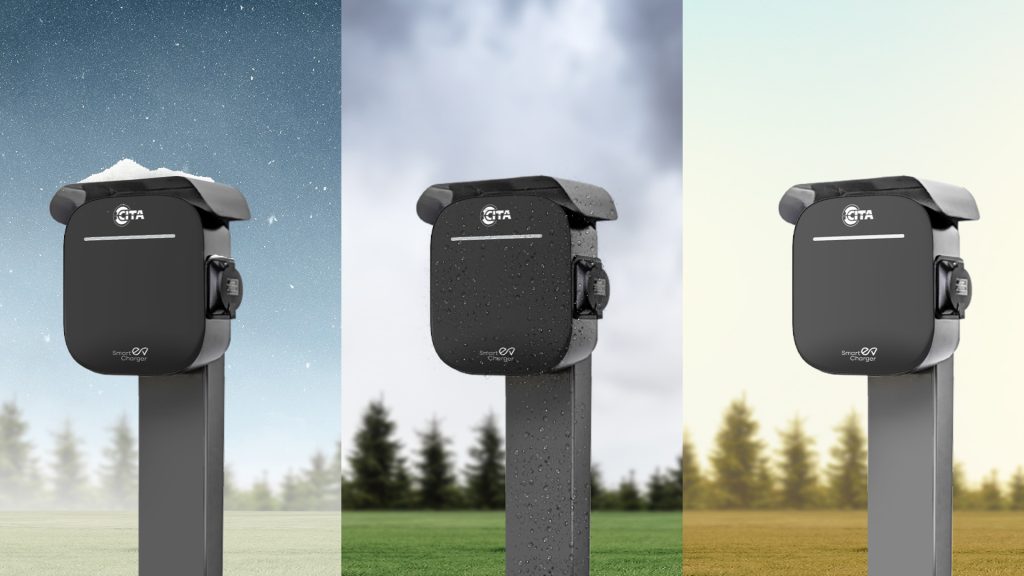
The UK’s climate has a direct impact on EV range, particularly during colder months. Low temperatures slow down chemical reactions inside the battery, reducing its efficiency. This is why EV range in winter UK can drop by 10–30% compared to summer conditions.
Additionally, heating systems draw energy from the battery, further impacting EV battery performance. Similarly, extremely hot weather can also affect battery efficiency, although this is less common in the UK.
Tip: Pre-condition your vehicle while it’s still plugged in to help reduce energy usage during driving.
2) Driving Style and Speed
Your driving behaviour plays a major role in determining EV range. Aggressive acceleration, sudden braking, and consistently high speeds increase energy consumption and reduce overall efficiency.
Maintaining a smooth driving style improves EV driving efficiency and helps maximise range. Driving at moderate speeds, especially on motorways, can significantly improve electric car range results.
Tip: Use eco-driving modes and regenerative braking to optimise energy use.
3) Terrain and Road Conditions
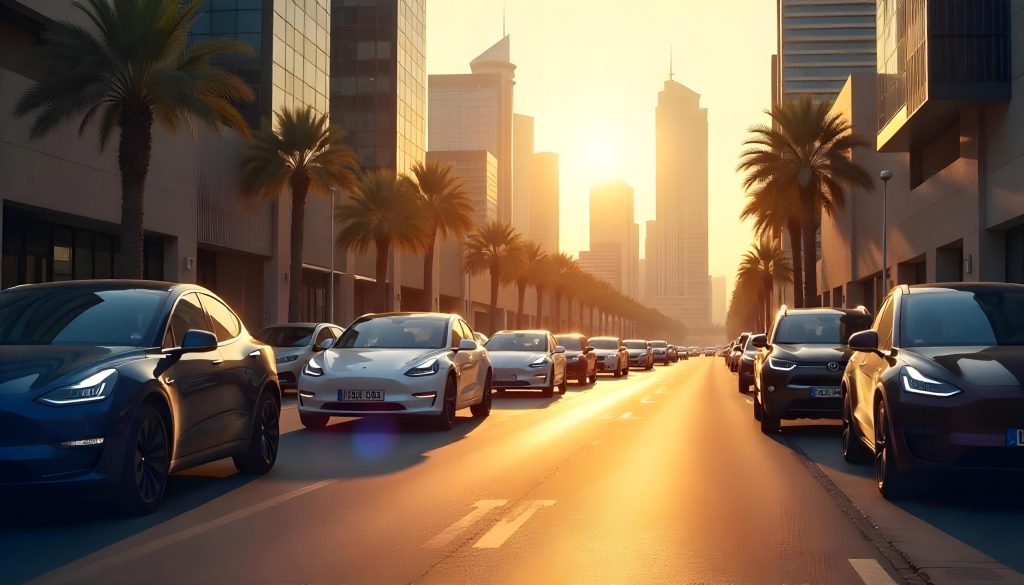
The UK offers a mix of urban roads, motorways, and hilly terrains, all of which affect EV range. Driving uphill requires more power, reducing range, while downhill driving can help recover energy through regenerative braking.
Stop-and-go traffic in cities can either increase or decrease efficiency depending on how well regenerative braking is utilised. These factors affecting EV range are especially relevant for drivers commuting through varied landscapes.
4) Battery Health and Age
Over time, battery capacity naturally degrades, impacting EV battery performance and reducing the overall EV range. Older batteries may not hold as much charge as when they were new, leading to lower electric vehicle mileage UK outcomes.
Regular maintenance, proper charging habits, and avoiding extreme temperatures can help slow down degradation and reduce EV range loss.
5) Use of In-Car Features

Features such as air conditioning, heating, infotainment systems, and even seat warmers can impact EV range. While these features enhance comfort, they draw power directly from the battery.
In colder months, heating systems contribute significantly to reduced EV range in winter UK, making energy management crucial for maintaining efficiency.
Tip: Use heated seats instead of full cabin heating where possible to conserve energy.
6) Load and Vehicle Weight
The weight of your vehicle directly influences EV range. Carrying heavy loads, additional passengers, or roof racks increases energy consumption.
More weight means the motor has to work harder, reducing EV driving efficiency and overall range. This is particularly important for long-distance travel across the UK, where maintaining optimal electric car range is essential.
7) Charging Habits and Battery Usage
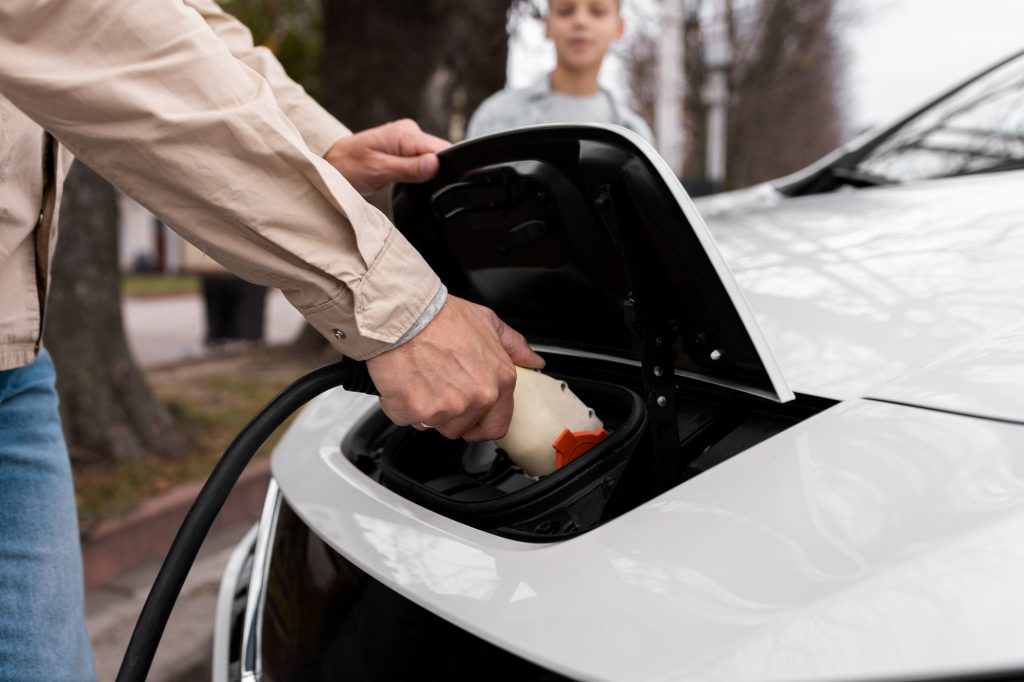
How you charge your EV also impacts long-term EV battery performance and range. Frequent use of rapid chargers can generate more heat, which may accelerate battery wear over time.
Maintaining balanced charging habits – such as avoiding constant full charges and deep discharges – can help preserve battery health and reduce EV range loss.
Smart charging strategies also ensure better EV energy consumption and consistent electric vehicle mileage UK over time.
Maximising EV Range in the UK
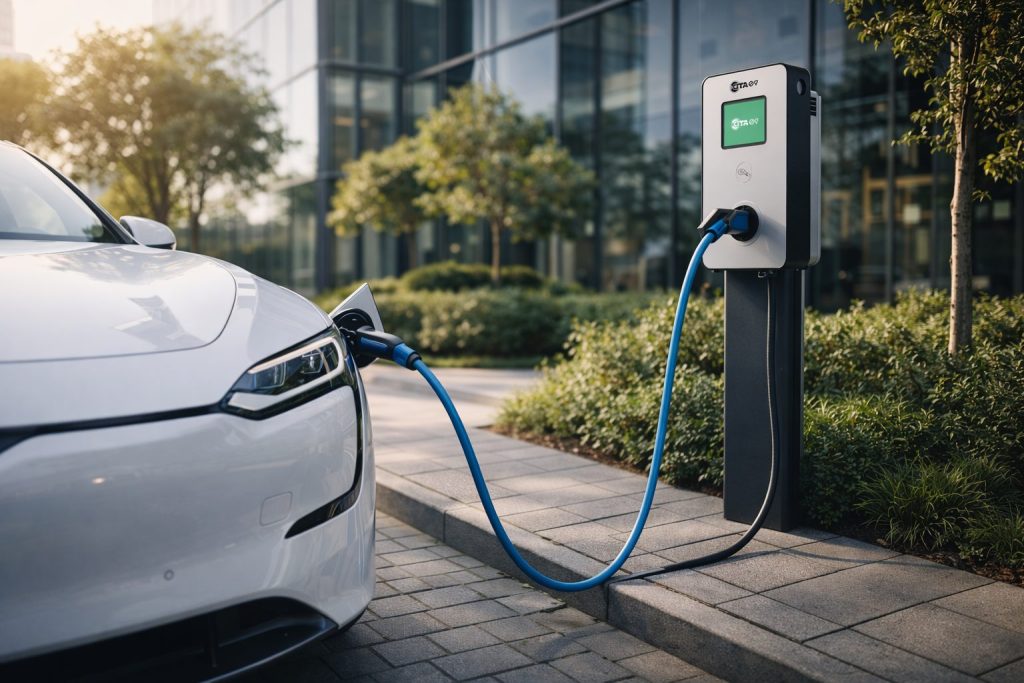
Understanding the key factors affecting EV range allows drivers to make smarter decisions and improve overall performance. While EV range can vary depending on conditions, adopting efficient driving habits, managing energy use, and maintaining battery health can significantly enhance your experience.
As EV adoption continues to grow across the UK, improving EV driving efficiency and minimising EV range loss will become increasingly important. By being aware of how everyday factors influence EV range, drivers can confidently plan journeys, optimise charging, and get the most out of their electric vehicle.
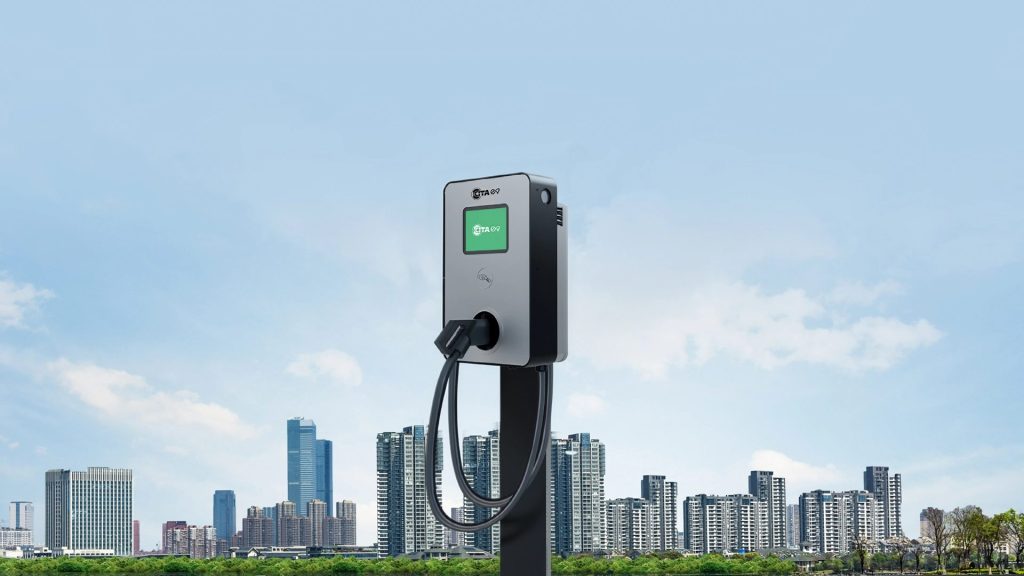
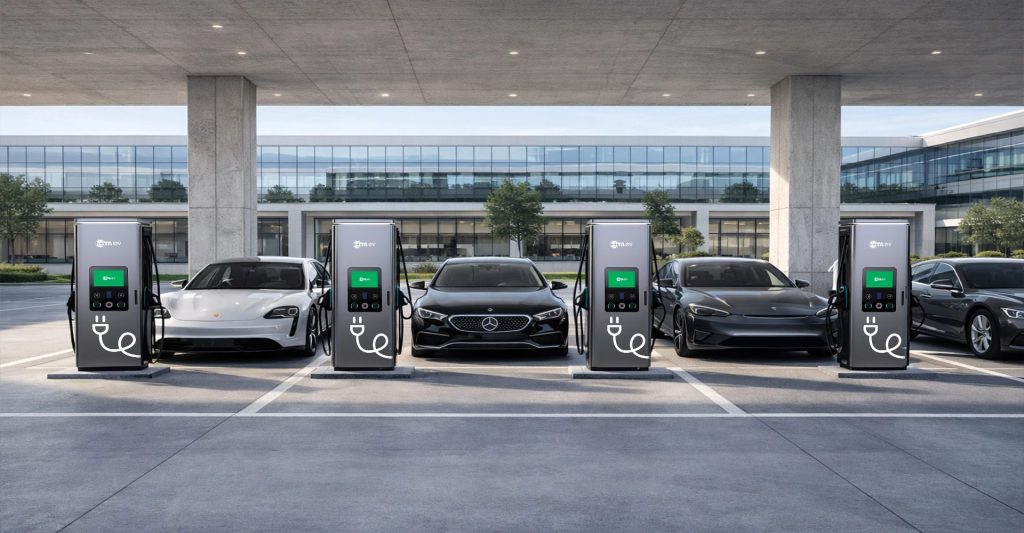
To truly maximise your EV range, having the right charging solution is just as important as driving habits. With CITA EV Charger, you get reliable, smart EV charging solutions designed to support efficient energy usage – whether at home, the workplace, or commercial setups.
Looking to optimise your EV range and charging experience?
Get in touch with CITA EV Charger today for expert guidance and future-ready EV charging solutions.