 Skip to content


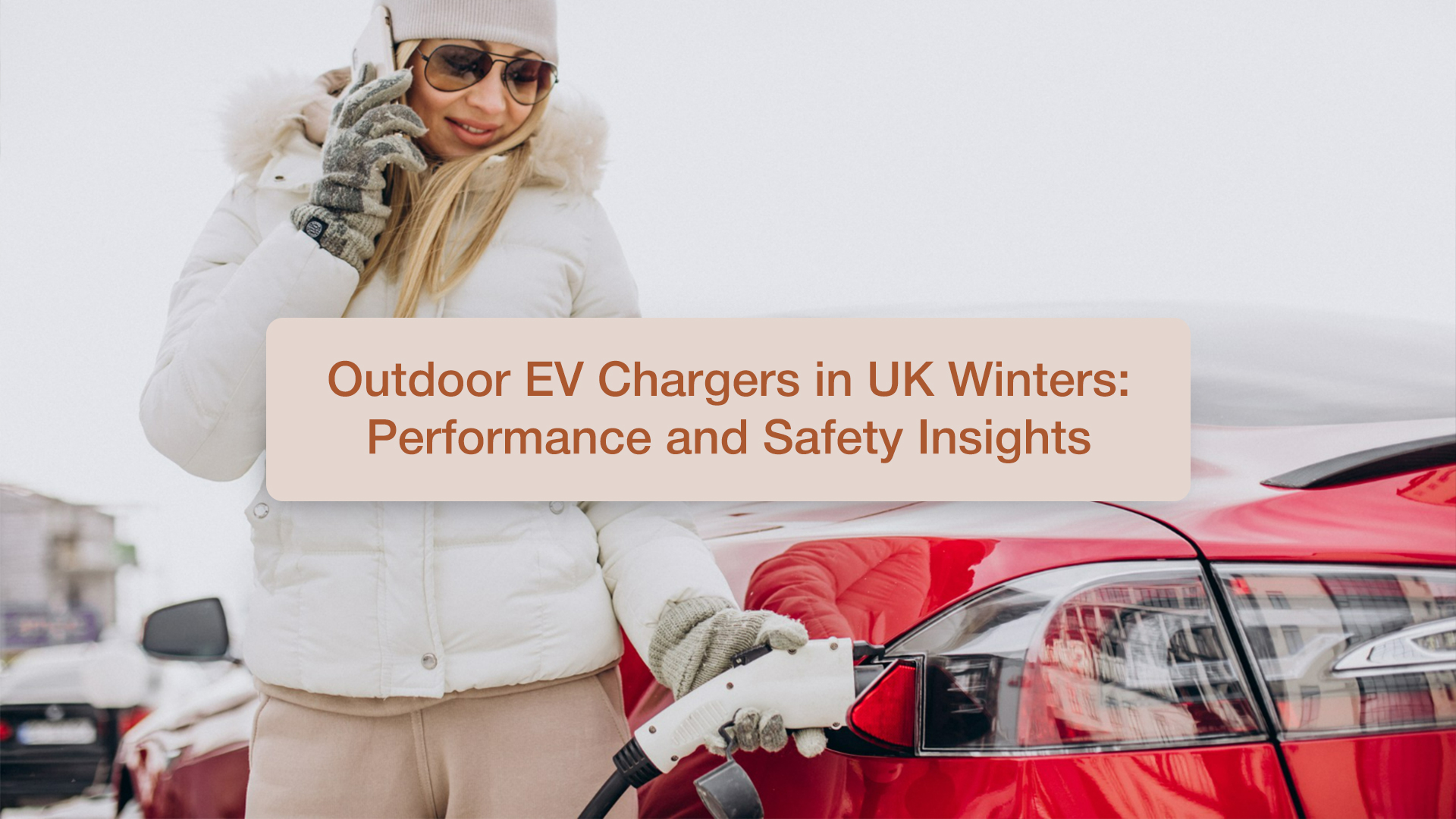
Outdoor EV Chargers in UK winters face very different conditions compared to the rest of the year. Cold temperatures, rain, frost, and shorter daylight hours all influence how electric vehicles charge and how safely charging equipment operates outdoors. As electric vehicle ownership continues to grow across the UK, many drivers are now experiencing their first full winter with an EV.
According to the Society of Motor Manufacturers and Traders, electric vehicles already make up a significant share of new car registrations, meaning millions of drivers now rely on daily ev charging at home or in public spaces. Winter doesn’t stop EV use – but it does require a better understanding of how outdoor charging behaves in cold weather.
Outdoor EV Charging in UK Winters: What Changes?
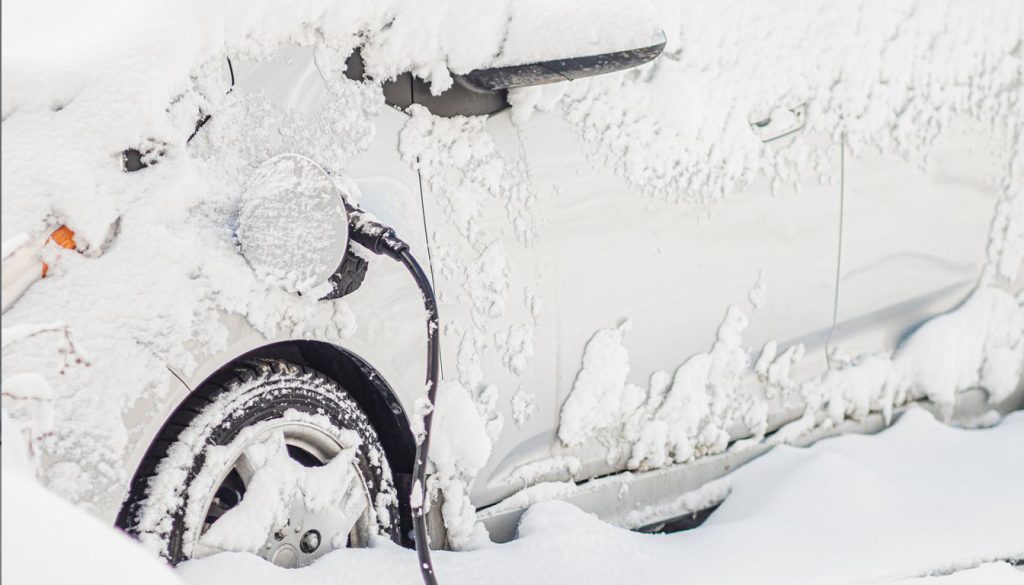
Winter conditions in the UK affect both electric vehicles and charging infrastructure. Lower temperatures slow battery chemistry, moisture increases electrical exposure risks, and charging equipment is placed under greater physical stress.
Research from the Transport Research Laboratory shows that EV efficiency can drop by up to 30% in cold weather. At the same time, the Energy Saving Trust reports that EV owners often spend 20–35% longer charging during winter months.
For drivers using outdoor EV chargers in UK, these conditions mean:
- Charging sessions may take longer
- Vehicle range may be reduced
- Cables and connectors may behave differently
- Safety awareness becomes more important
Understanding these changes helps EV owners adapt their charging habits without frustration.
Key Challenges of Using Outdoor EV Chargers in UK Winters
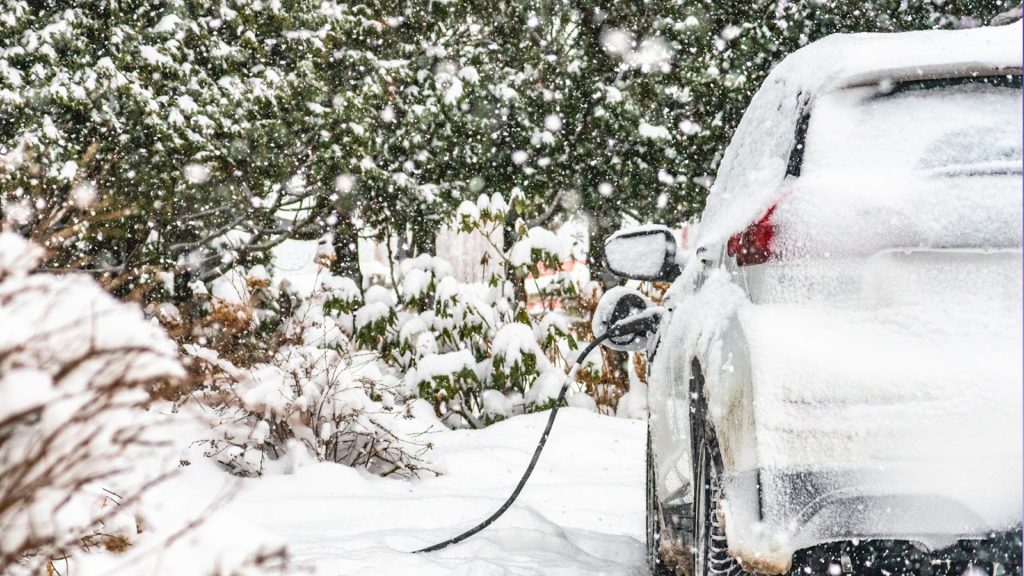
Winter affects both electric vehicles and outdoor charging environments. Cold temperatures, moisture, and changing UK weather conditions influence how EV charging performs. While charging remains reliable, it behaves differently in winter.
Understanding these changes helps EV owners plan better, charge safely, and avoid unnecessary frustration during colder months.
- Slower charging in cold temperatures
- Reduced EV driving range
- Stiffer charging cables and frozen connectors
- Increased exposure to moisture and condensation
- Longer charging times for daily routines
Safety Insights for Using Outdoor EV Chargers in Winters
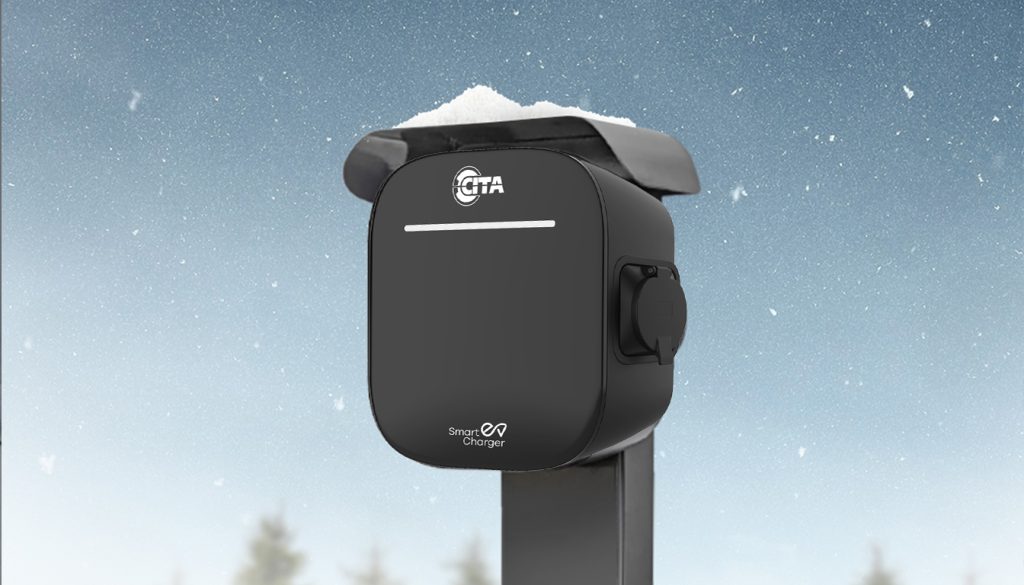
Winter safety isn’t about complicated rules or technical know-how – it comes down to consistent, careful habits and using charging equipment that’s designed for outdoor conditions.
Cold temperatures, moisture, and reduced visibility all increase the importance of using outdoor EV chargers correctly.
The following practical safety insights help ensure winter charging remains safe, reliable, and stress-free.
1) Check the charging connector before plugging in
Before connecting your electric car charger, take a moment to inspect the plug and socket. Ice, moisture, or dirt can interfere with electrical contact and increase the risk of charging faults.
A clean, dry connector ensures stable power flow and reduces the chance of interruptions. Many modern outdoor chargers are designed with sealed connectors and weather protection to support safer connections in wet winter conditions.
2) Avoid forcing cold or stiff charging cables
Charging cables naturally become less flexible in cold weather. Forcing a stiff cable to bend or twisting it sharply can strain internal wiring over time. Instead, allow the cable to relax and straighten gradually before use.
Quality outdoor EV chargers in UK typically use cold-resistant cabling materials to maintain durability, but gentle handling remains essential for long-term safety.
3) Keep the charging area clear and accessible
Snow, fallen leaves, and ice around outdoor EV chargers increase slip hazards and can make charging awkward or unsafe. Keeping the area clear improves footing, visibility, and ease of access – especially during darker winter mornings and evenings.
Well-designed charging installations often include clear markings and accessible layouts to support safer everyday use.
4) Use weather-rated and certified charging equipment
A Certified EV Charger built for outdoor use is designed to withstand rain, cold, and physical wear. EV Chargers that have IP65 ratings for AC systems and IP54 or IP55 ratings for DC chargers are made to keep out moisture and dust, and IK10-rated enclosures provide extra protection against damage.
Using EV charging equipment tested to these standards reduces safety risks and ensures more reliable operation during winter conditions.
5) Follow vehicle and charger guidance during extreme cold
If charging speeds slow or a session pauses during very cold weather, this is usually a protective response. Both the vehicle and the charger may be managing battery temperature to prevent long-term damage.
Allowing these systems to operate as intended helps maintain safety and battery health. Smart charging systems are designed to adapt automatically, reducing the need for manual intervention.
These small precautions go a long way in ensuring safe winter ev charging.
Performance Insights: Charging Smarter in Cold Weather
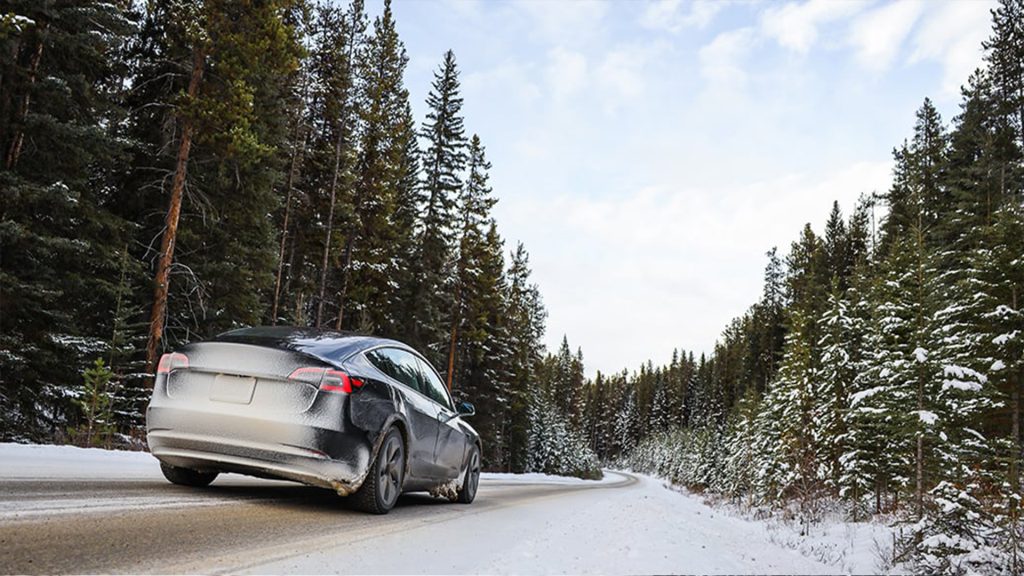
While winter affects charging speed and range, smart charging habits help maintain reliable performance.
Charging takes longer in cold weather – Batteries accept energy more slowly in low temperatures, with charging speeds improving as the battery warms during the session.
Preconditioning improves charging efficiency – Pre-heating the vehicle while plugged in uses grid power instead of battery energy, helping preserve driving range.
Overnight charging works better in winter – Longer charging periods allow the battery to warm gradually and reach optimal charge levels by morning.
Smart charging features support stable performance Modern EV chargers adjust power delivery based on temperature and conditions, helping protect battery health and maintain consistent charging.
EV Charging with Confidence Through UK Winters
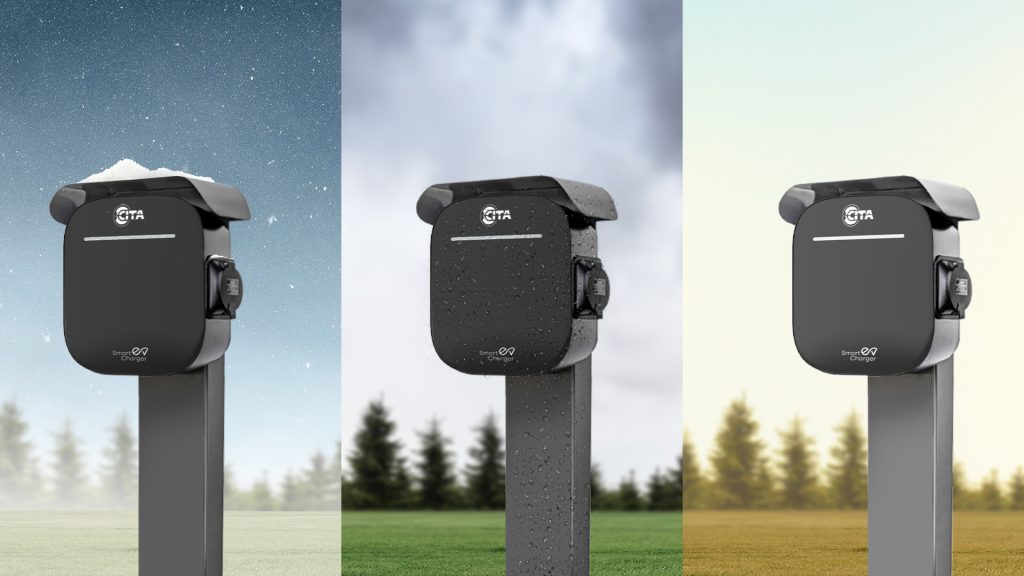
Outdoor EV Chargers in UK winters can challenge their charging, but they don’t need to slow it down. With the right understanding of cold-weather impacts and the use of weather-rated charging equipment, outdoor EV charging can remain safe, reliable, and efficient year-round.
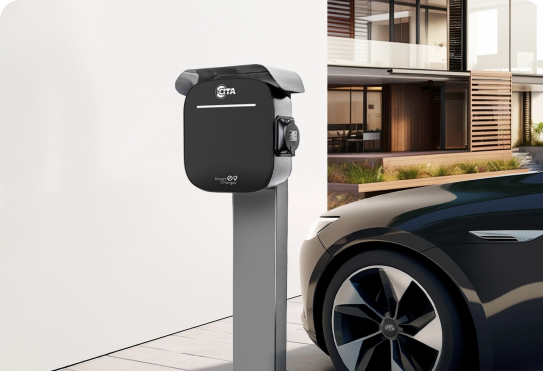
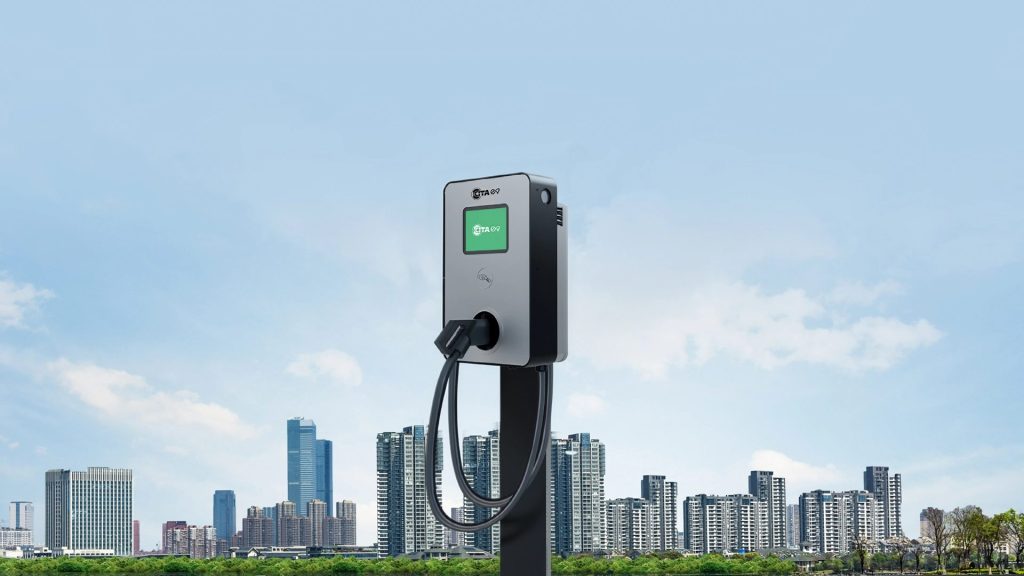
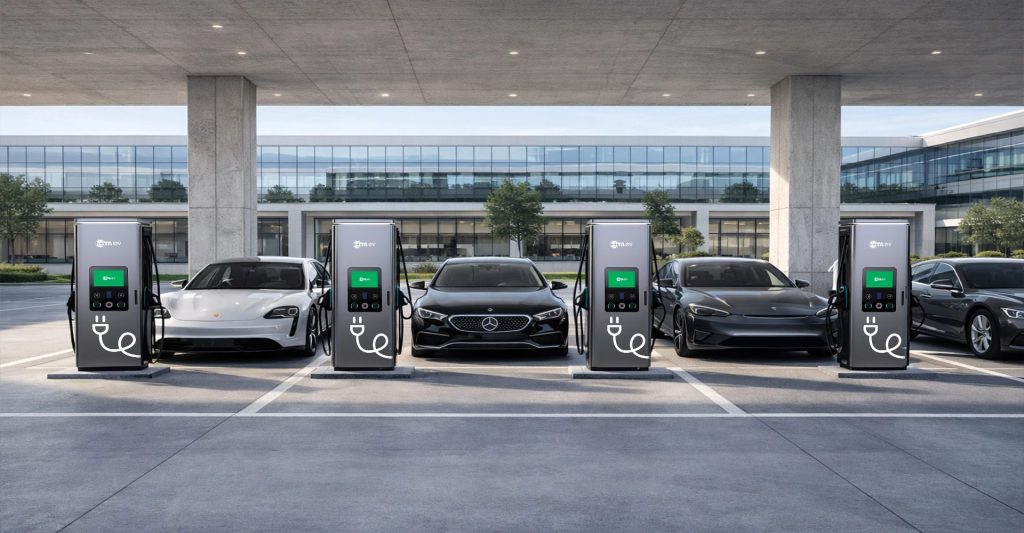
CITA EV Charger designs AC and DC charging solutions built for demanding outdoor conditions. CITA’s AC chargers feature IP65 and IK10 ratings for strong protection against rain, dust, and impact, while its DC fast chargers offer IP54 and IP55 protection, ensuring dependable performance throughout the winter months.
Combined with smart charging habits and proper winter handling, the right infrastructure helps EV owners charge with confidence in any season.
For expert guidance on winter-ready outdoor EV charging, contact CITA EV Charger for a free consultation.