 Skip to content

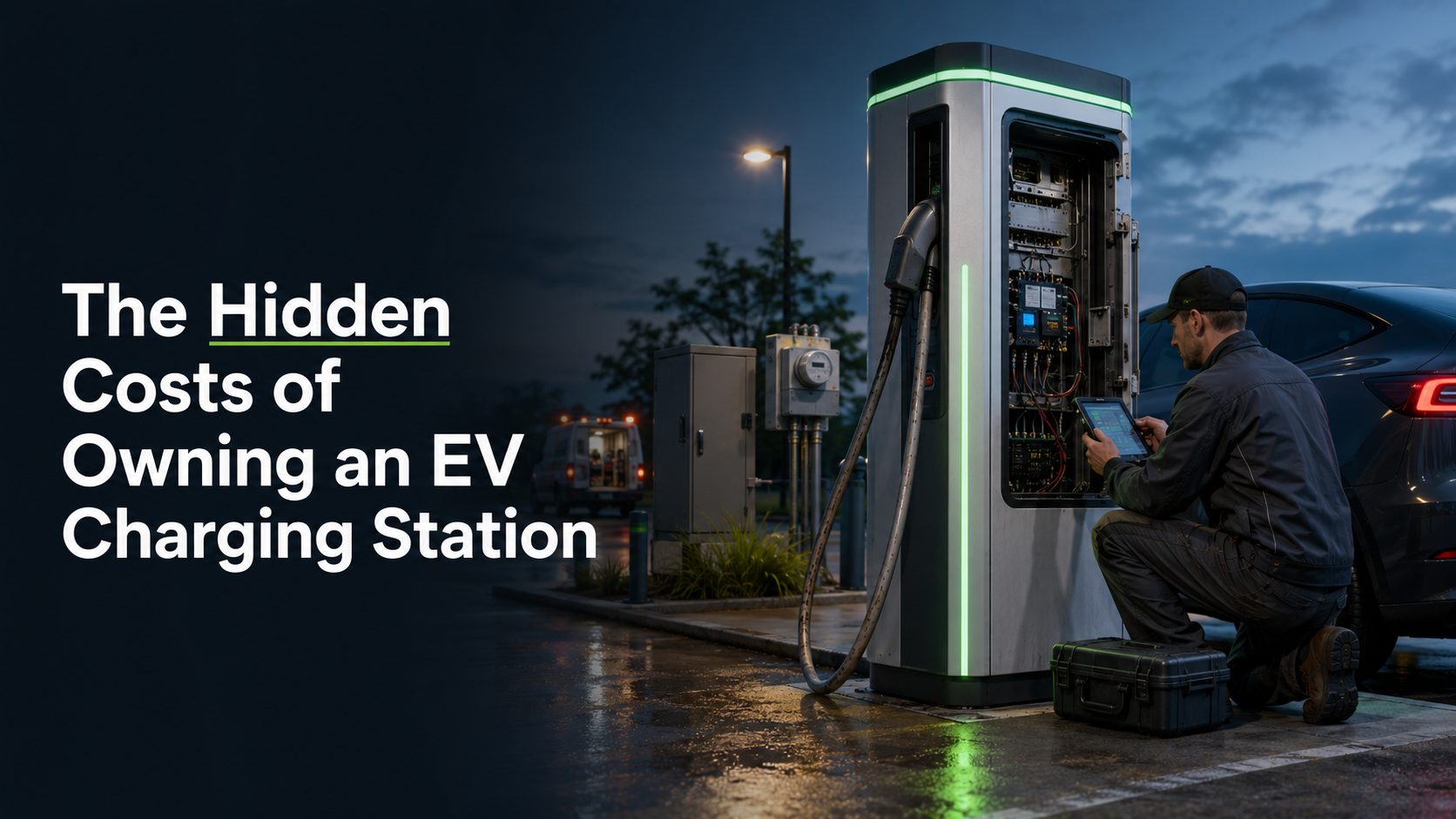
Costs of Owning an EV Charging Station extend far beyond purchasing the charger itself. As electric vehicle adoption continues to accelerate, the UK is seeing increasing demand for faster, more reliable charging infrastructure, particularly high-power DC charging.
Recent industry trends show that businesses are prioritising ultra-fast chargers and scalable charging hubs to reduce charging times, improve customer experience, and prepare for growing EV traffic.
However, while the opportunity is significant, many investors underestimate the ongoing expenses that come with owning and operating charging infrastructure. Understanding these hidden costs is essential for making smarter investment decisions and maximising long-term returns from your EV charging station.
Why Looking Beyond the Purchase Price Matters
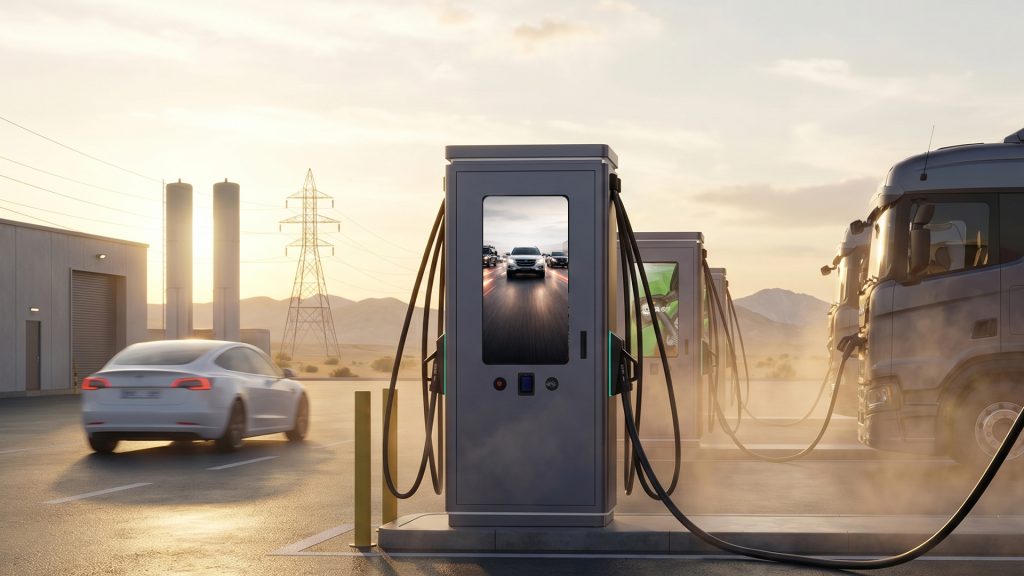
When evaluating an EV Charging Station Cost, many buyers compare only the equipment prices. While the charger itself represents a significant investment, it is only one part of the total cost of ownership.
A charging station is a long-term infrastructure asset expected to operate reliably for many years. Poor planning or selecting the wrong equipment can lead to unexpected expenses, downtime, customer dissatisfaction, and reduced revenue.
Understanding every cost category allows businesses to:
- Budget accurately
- Avoid unexpected operational expenses
- Improve charger uptime
- Increase return on investment (ROI)
- Future-proof their charging infrastructure
Hidden Cost #1: EV Charging Station Installation Cost
One of the biggest surprises for first-time buyers is the EV Charging Station Installation Cost.
Installation expenses vary depending on several factors:
- Distance from the electrical supply
- Civil works and groundwork
- Cable trenching
- Transformer upgrades
- Grid connection requirements
- Protective equipment
- Site preparation
- Commissioning and testing
For DC fast charging systems, installation costs are naturally higher because of increased power requirements and more complex electrical infrastructure.
Conducting a professional site assessment before purchasing equipment helps avoid unexpected installation costs later.
Hidden Cost #2: Grid Upgrades and Power Availability
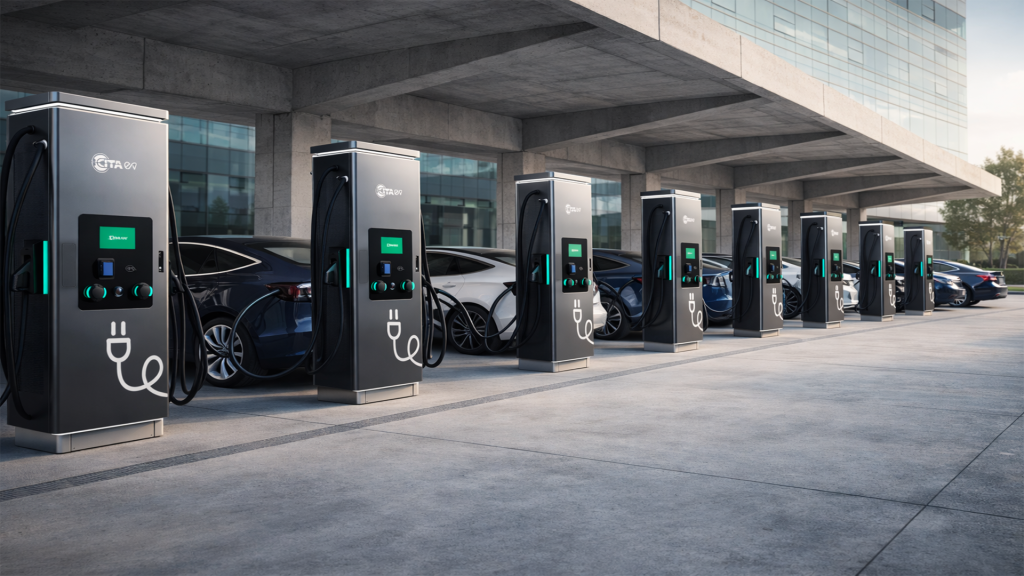
Many commercial sites underestimate the cost of electrical upgrades.
Installing high-power DC chargers may require:
- Higher electrical capacity
- New transformers
- Distribution board upgrades
- Utility approvals
- Additional protection systems
Businesses planning multiple EV chargers should always consider future expansion instead of installing only enough power for today’s needs.
Scalable electrical infrastructure often proves more cost-effective in the long run.
Hidden Cost #3: EV Charging Station Operating Costs
The ongoing EV Charging Station Operating Costs extend well beyond electricity consumption.
These may include:
| Cost Category | Typical Ongoing Expense |
|---|---|
| Electricity usage | Daily charging operations |
| Network connectivity | SIM cards, internet, 4G connectivity |
| Software subscriptions | CPMS and cloud management |
| Payment gateway fees | Contactless payment processing |
| Insurance | Equipment protection |
| Routine inspections | Preventive servicing |
| Cleaning and upkeep | Maintaining charger appearance |
| Customer support | Operational assistance |
Businesses often underestimate these recurring costs during the planning stage.
Hidden Cost #4: EV Charger Maintenance Cost
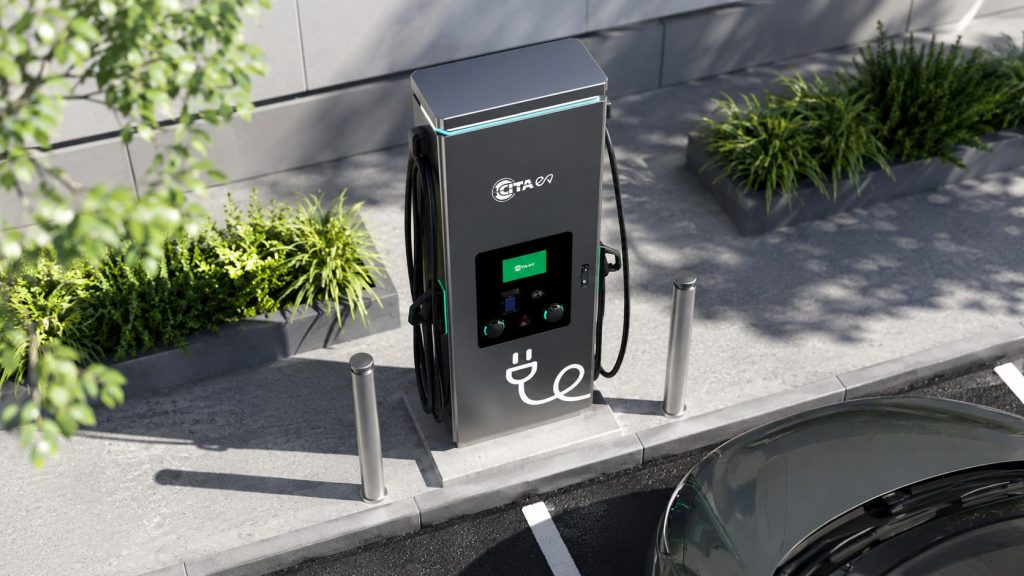
Every charging station requires regular maintenance to ensure safety, reliability, and maximum uptime.
Typical EV Charger Maintenance Cost includes:
- Preventive inspections
- Firmware updates
- Software upgrades
- Cooling system maintenance
- Connector replacement
- Cable inspections
- Safety testing
- Emergency repairs
Ignoring maintenance can result in:
- Increased downtime
- Customer complaints
- Lower charger utilisation
- Expensive emergency repairs
- Reduced equipment lifespan
Preventive maintenance is significantly more economical than reactive repairs.
Hidden Cost #5: Software and Charging Management
Modern EV charging is no longer just hardware.
Most Commercial EV Charging Station operators rely on intelligent software platforms for:
- Remote monitoring
- User authentication
- Load balancing
- Billing
- Energy management
- Revenue reporting
- Fleet management
- Fault notifications
- Charger diagnostics
Although software subscriptions add to ownership costs, they often improve operational efficiency and minimise maintenance expenses through remote diagnostics.
Hidden Cost #6: Downtime and Lost Revenue
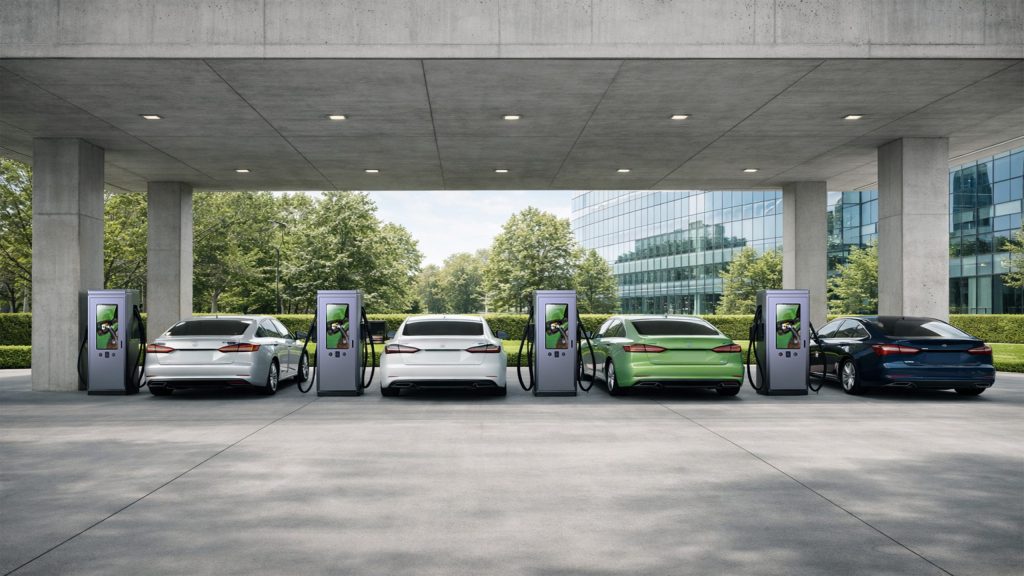
One of the most overlooked Costs of Owning an EV Charging Station is downtime.
Every hour a charger is unavailable means:
- Lost charging revenue
- Reduced customer satisfaction
- Lower charger utilisation
- Negative customer reviews
- Potential damage to brand reputation
Choosing reliable charging hardware backed by responsive technical support helps minimise these risks.
Hidden Cost #7: Future Upgrades and Technology Changes
The EV industry evolves rapidly.
Businesses should consider future expenses such as:
- Higher charging power requirements
- Software updates
- New communication protocols
- Additional charging connectors
- Payment technology upgrades
- Integration with renewable energy
- Battery storage compatibility
Planning for scalability today helps avoid expensive infrastructure replacements tomorrow.
Choosing the Right DC Fast Charging Solution
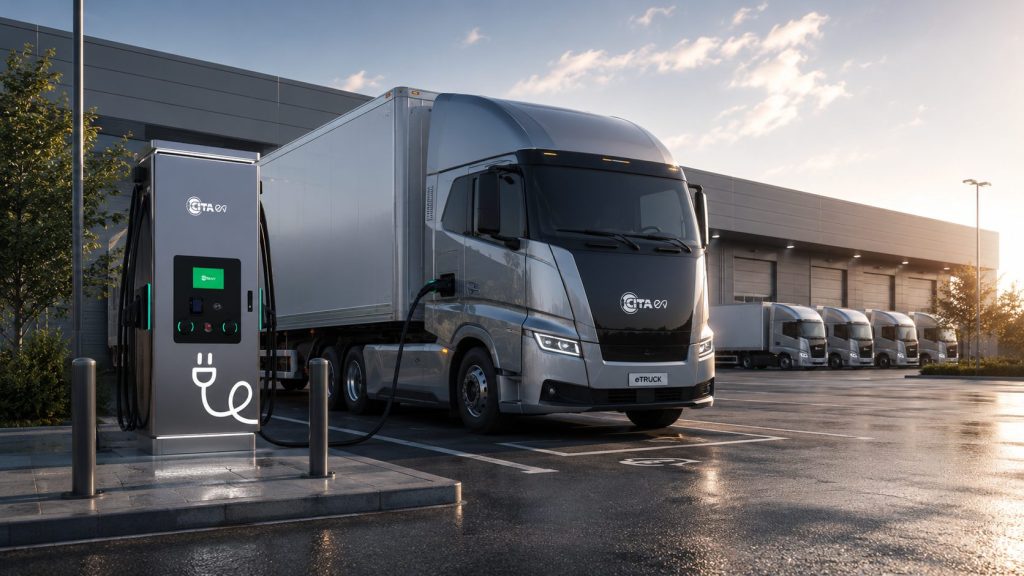
Selecting the right DC fast charger is one of the most important decisions that affects the long-term Costs of Owning an EV Charging Station. While upfront pricing often receives the most attention, businesses should evaluate the complete value a charging solution delivers throughout its operational life.
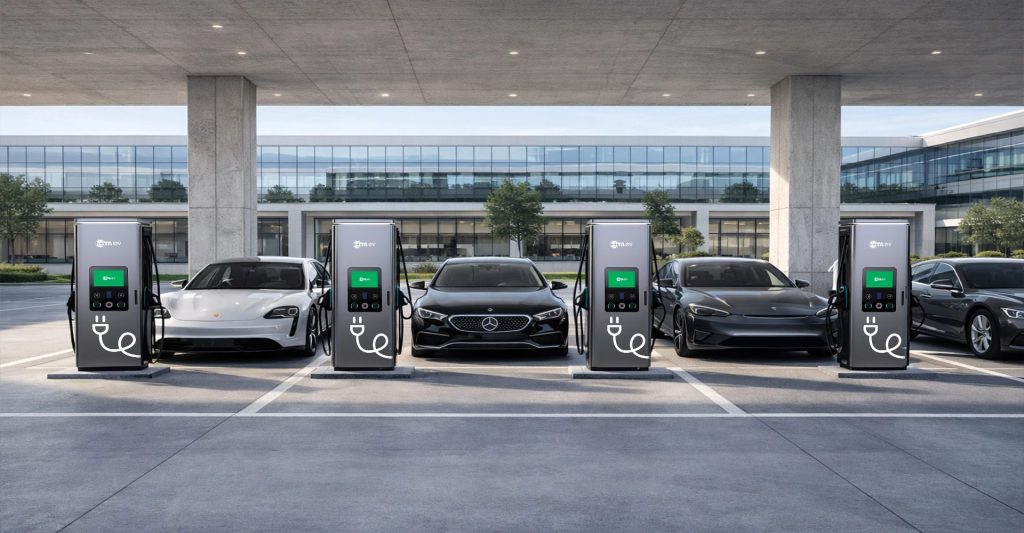
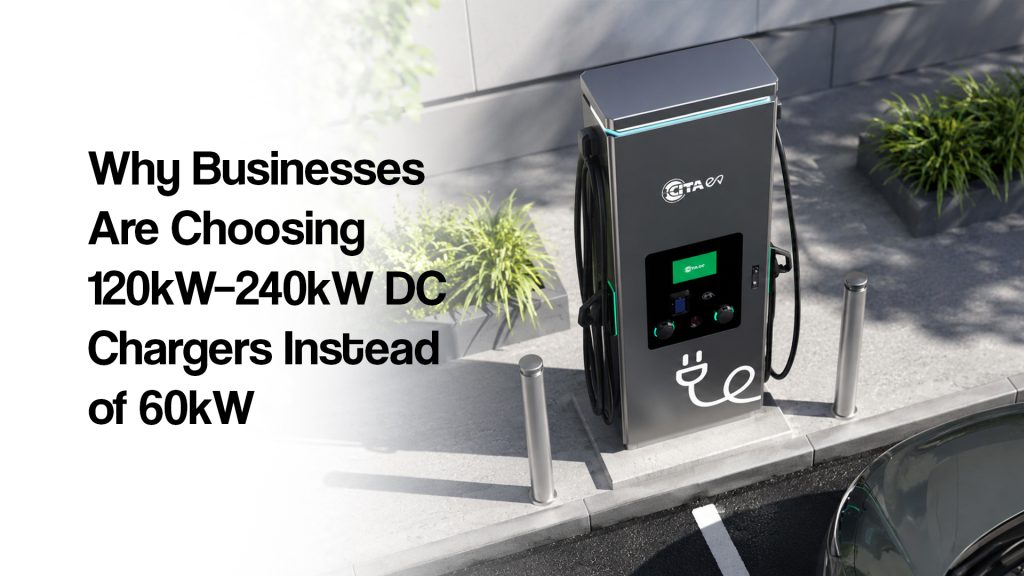
High-power DC fast chargers, typically available in outputs ranging from 200 kW to 480 kW, are designed for locations where fast turnaround times and high vehicle throughput are essential. They are commonly installed at:
- Public charging stations
- EV fleet depots
- Motorway service areas
- Fuel station forecourts
- Shopping centres
- Commercial car parks
- Logistics hubs
- Transport terminals
- Large workplaces
These chargers are capable of supporting a wide range of modern electric vehicles, including passenger cars, electric SUVs, light commercial vehicles, electric vans, and compatible fleet vehicles. Their high-power output significantly reduces charging times, allowing more vehicles to be served throughout the day.
When comparing DC fast charging solutions, businesses should evaluate:
- Power output suitable for expected charging demand
- Vehicle compatibility with widely used charging standards
- Hardware reliability for continuous commercial operation
- Smart software capabilities, including remote monitoring, diagnostics, billing, and energy management
- Scalability for future expansion
- Warranty, technical support, and software updates
Choosing a charger based on long-term reliability, operational efficiency, and future readiness – not simply the lowest purchase price – can significantly improve return on investment while reducing lifetime ownership costs.
How to Reduce Long-Term Ownership Costs
Although some expenses are inevitable, careful planning and the right technology choices can significantly reduce the Costs of Owning an EV Charging Station over its lifetime.
By focusing on long-term efficiency rather than just the initial purchase price, businesses can improve ROI, minimise downtime, and maximise the value of their charging investment.
1) Conduct a Thorough Site Assessment
Before installation, assess your site’s electrical capacity, available space, traffic flow, and future expansion plans. A professional site assessment helps identify potential challenges early, reducing the risk of costly modifications, installation delays, and unexpected infrastructure expenses.
2) Invest in High-Quality, Reliable Chargers
Choosing a well-engineered charging solution may involve a higher upfront investment, but it often results in lower maintenance costs, fewer breakdowns, and a longer equipment lifespan. Reliable chargers also deliver a better user experience and maximise station uptime.
3) Use Smart Charging Management Software
Modern charging software enables remote monitoring, diagnostics, load balancing, energy management, and performance tracking. Detecting faults early allows operators to resolve issues before they become expensive repairs or prolonged downtime, helping reduce the Costs of Owning an EV Charging Station in the long run.
4) Build for Future Expansion
Instead of installing infrastructure that only meets current demand, plan for future EV growth. Scalable electrical systems and modular charging solutions make it easier and more cost-effectively to add chargers as your business expands.
5) Prioritise Preventive Maintenance
Routine inspections, firmware updates, connector checks, and scheduled servicing help keep chargers operating efficiently. Preventive maintenance not only extends equipment lifespan but also reduces unexpected repair costs and improves overall reliability.
6) Partner with an Experienced EV Charging Manufacturer
Working with an experienced provider like CITA EV Charger gives you access to expert consultation, professional installation guidance, intelligent charging technology, responsive technical support, and dependable after-sales service. The right partner can help you optimise your EV charging infrastructure while keeping long-term ownership costs under control.
Think Beyond Today's Price Tag
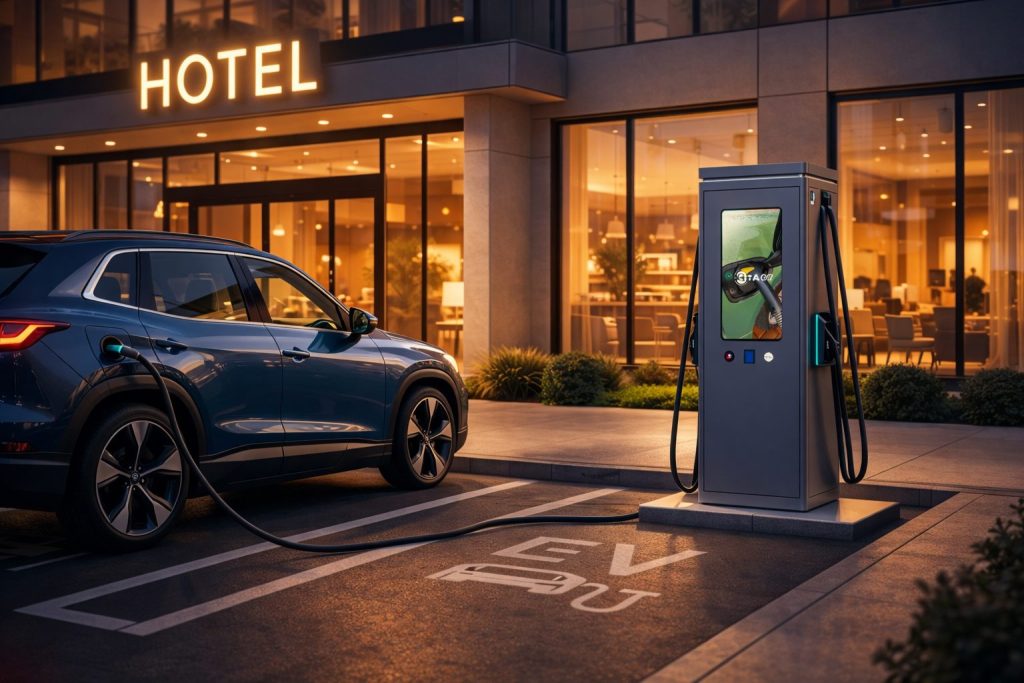
The Costs of Owning an EV Charging Station go far beyond the initial purchase price. Installation, electrical upgrades, software, maintenance, energy management, and future expansion all contribute to the total cost of ownership. Businesses that understand these hidden costs are better positioned to make informed investment decisions, improve operational efficiency, and achieve stronger long-term returns.
At CITA EV Charger, we help businesses build future-ready EV charging infrastructure with intelligent AC and DC charging solutions tailored to every application. From compact workplace chargers to the powerful Smart DC Pro (200 kW–480 kW) for public charging, fleet operations, and high-traffic commercial locations, our solutions combine advanced hardware, smart software, and expert support to maximise performance while reducing long-term ownership costs.
Planning your next EV charging project?
Contact CITA EV Charger today for expert consultation and discover the right charging solution for your business, both today and in the years ahead.