 Skip to content


EV Charger Installation in the UK is becoming a critical step as the country accelerates toward an all-electric future. With over 1 million EVs already on UK roads and government targets to phase out new petrol and diesel cars by 2035, the demand for reliable ev charging infrastructure is rising rapidly.
As of early 2026, the UK now has over 118,000 public EV chargers, with nearly 1,500+ new chargers being added in a single month, highlighting the fast-paced expansion of electric vehicle chargers across the country.
But how does installation actually work behind the scenes? Whether it’s for a home, workplace, or commercial fleet, understanding the technical breakdown helps businesses and individuals make smarter, future-ready decisions.
Understanding the Basics of EV Charger Installation
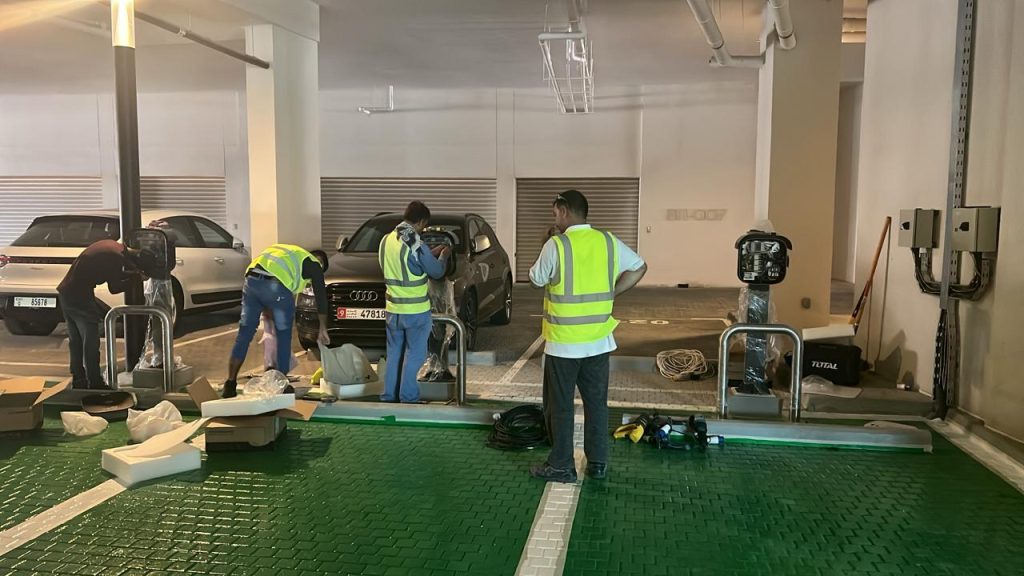
At its core, installing an electric car charger involves connecting a charging unit to a property’s electrical system in a safe, efficient, and compliant manner. However, the process is far more detailed than simply mounting a device on the wall.
From site evaluation to final commissioning, every step must meet UK electrical standards and safety regulations. This ensures the charger performs efficiently while minimizing risks such as overload or power imbalance.
Step-by-Step Technical Breakdown of EV Charger Installation

To truly understand how EV Charger Installation works, it’s important to look at the process step by step. Each stage – from planning to final testing – plays a crucial role in ensuring safety, efficiency, and long-term performance.
Here’s a closer look at how a standard installation is carried out in the UK.
1) Site Survey and Feasibility Assessment
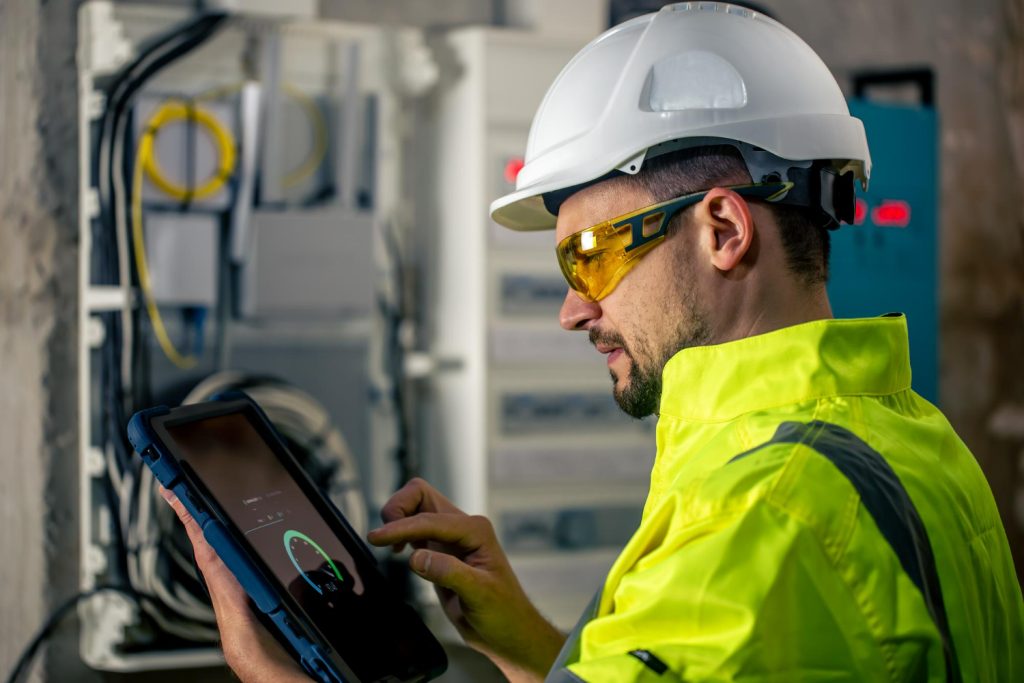
The first step in any Electric Vehicle Charger Installation is a detailed site survey. Certified engineers assess:
- Available electrical capacity
- Distance from power source to installation point
- Parking layout and cable routing
- Internet connectivity (for smart EV charger systems)
This stage determines whether upgrades are needed before installation begins. For commercial sites, load demand calculations are especially important.
2) Electrical Capacity and Load Management
One of the most technical aspects of installation is evaluating the building’s electrical capacity. EV chargers require significant power, especially DC EV charger systems used in commercial or fleet environments.
If the existing supply is insufficient, installers may:
- Upgrade the distribution board
- Install a dedicated circuit
- Use load-balancing technology
Modern EV charging solutions often include dynamic load management, which distributes power intelligently across multiple chargers to avoid overload.
3) Choosing the Right Type of Charger
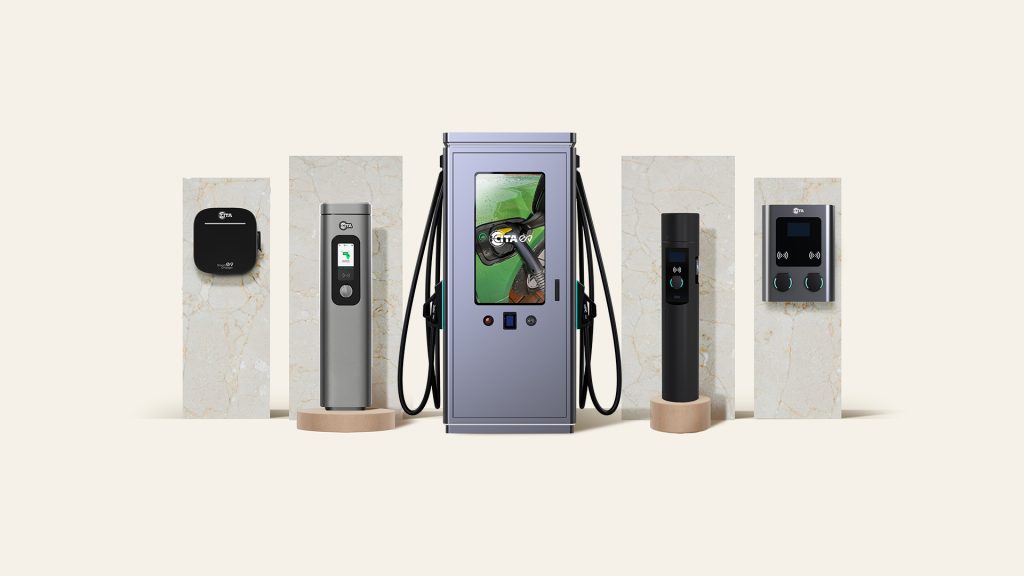
Different environments require different charging technologies. Here’s a quick comparison:
| Charger Type | Power Output | Best Use Case | Charging Speed |
|---|---|---|---|
| AC EV charger | 7kW–22kW / Dual AC Chargers | Homes, offices | Slow to moderate |
| DC EV charger | 30 kW–480 kW | Highways, fleets | Fast to ultra-fast |
4) Installation and Wiring Process
Once planning is complete, the physical installation begins. This includes:
- Mounting the charger unit securely
- Running armored cables from the power source
- Installing protective devices like RCDs and circuit breakers
- Ensuring proper earthing and grounding
Installers follow strict UK wiring regulations (BS 7671) to guarantee safety and compliance. This stage is critical, as improper wiring can lead to system failures or hazards.
5) Smart Configuration and Connectivity

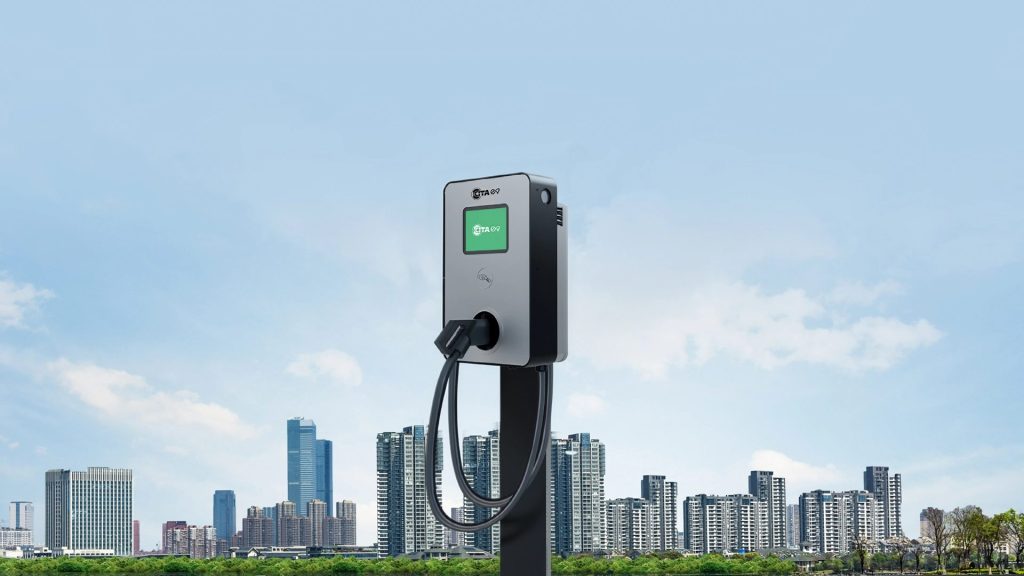
Today’s chargers are increasingly intelligent. A smart ev charger can connect to mobile apps, cloud platforms, and energy management systems.
During setup, installers configure:
- Wi-Fi or Ethernet connectivity
- User authentication systems
- Energy monitoring dashboards
Smart chargers also enable remote diagnostics and software updates, making them a preferred choice for modern installations.
6) Testing, Certification, and Handover
Before the charger is ready for use, it undergoes rigorous testing. This includes:
- Electrical safety checks
- Load testing
- Connectivity validation
An Approved EV Charger installation must meet all compliance requirements and is typically accompanied by certification documents. These confirm that the system adheres to UK safety standards.
Key UK Trends Shaping EV Charger Installation
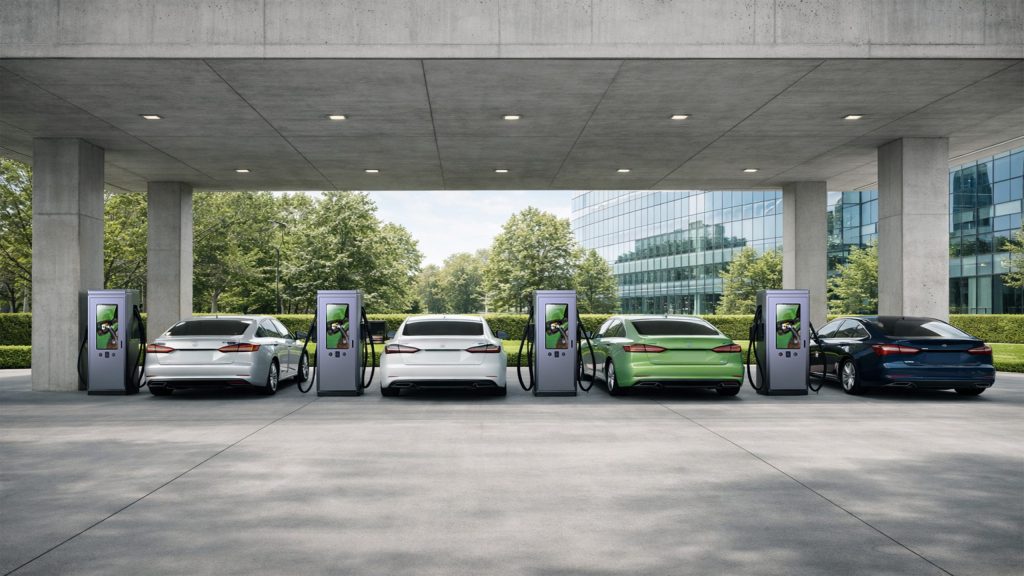
The EV landscape in the UK is evolving quickly, influenced by policy changes, technological advancements, and growing consumer demand.
These trends are not only accelerating adoption but also shaping how Electric Vehicle charger installations are planned and executed across residential and commercial spaces.
1) Workplace Charging Expansion
With hybrid work models evolving, many UK businesses are installing chargers at offices to support employees and visitors. Government grants like the Workplace Charging Scheme (WCS) continue to drive adoption.
2) Growth of Smart Charging Networks
The UK is rapidly adopting smart infrastructure. Over 70% of new installations now include smart capabilities, enabling better energy management and grid stability.
3) Fleet Electrification
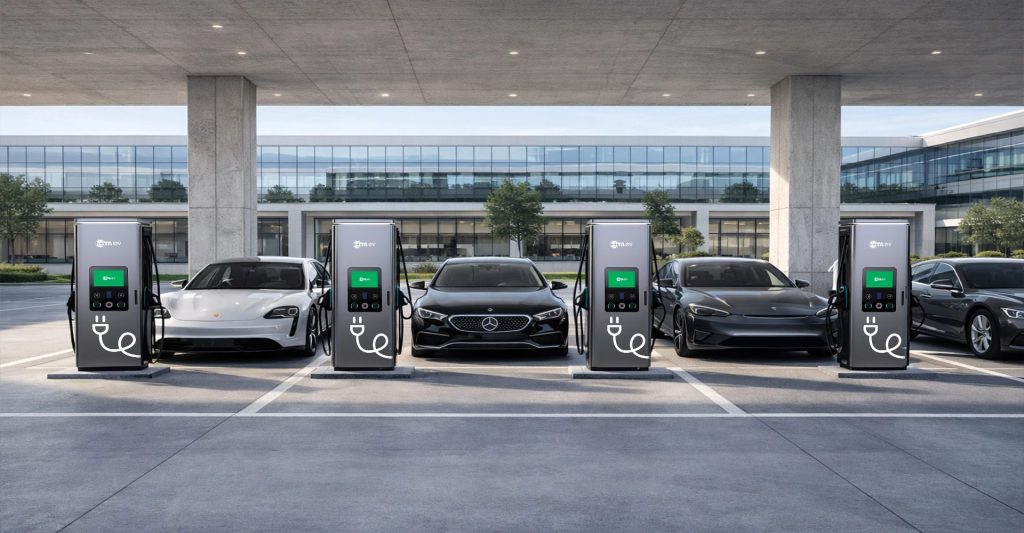
Logistics and delivery companies are leading the charge. Fleet depots increasingly rely on high-capacity DC EV charger systems to keep operations running efficiently.
Common Challenges in EV Charger Installation
While the process is well-defined, several challenges can arise during installation, especially in complex or older properties. Understanding these hurdles in advance helps in better planning and smoother execution.
- Grid limitations: Older buildings may lack sufficient electrical capacity to support modern EV charging demands.
- Installation costs: Infrastructure upgrades, cabling, and electrical enhancements can increase the initial investment.
- Space constraints: Limited parking or tight layouts, particularly in urban areas, can complicate charger placement.
- Regulatory compliance: Meeting UK standards and safety regulations requires technical expertise and proper certification.
- Network and connectivity issues: Smart chargers rely on stable internet connections, which may not always be readily available in all locations.
Benefits of Professional EV Charging Solutions in UK

Choosing professional EV charging solutions ensures that your installation is not only efficient but also future-ready and fully compliant. With expert planning and execution, businesses and homeowners can unlock maximum value from their EV infrastructure.
- Tailored system design: Solutions are customized based on your property, usage patterns, and power availability.
- Regulatory compliance: Installations meet all UK safety standards and certification requirements.
- Energy efficiency: Smart load management helps reduce electricity costs over time.
- Future scalability: Systems can be easily expanded as EV adoption grows.
- Improved ROI: Reliable performance and optimized usage contribute to better long-term returns.
Choosing the Right Partner for EV Charger Installation in UK
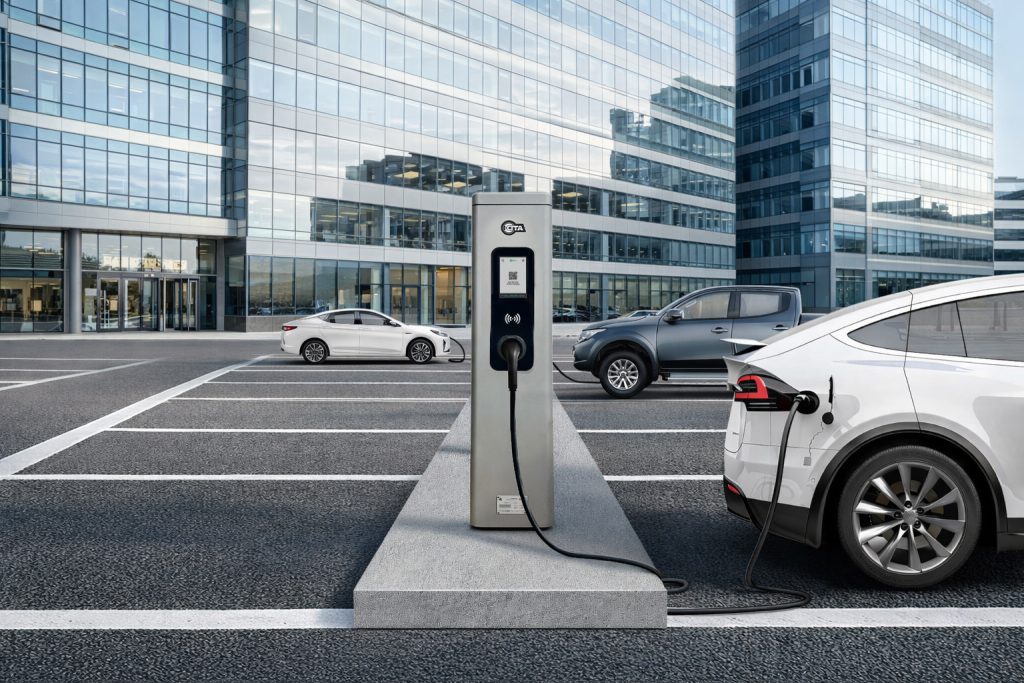
As EV adoption accelerates, understanding the technical side of EV Charger Installation helps you make informed decisions. From site assessment to smart configuration, every step plays a vital role in building a reliable and future-ready charging system.
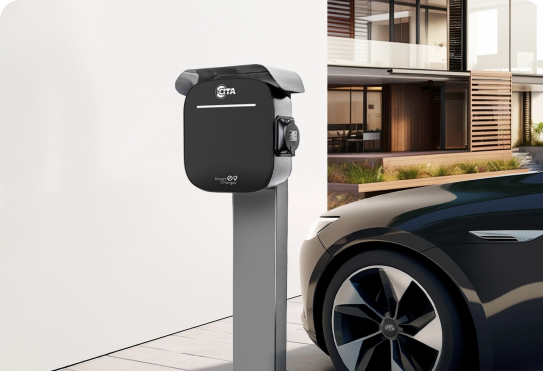
For those looking to install high-quality, certified charging solutions, CITA EV Chargers offers a comprehensive range of products – from AC chargers for homes and workplaces to high-performance DC chargers for commercial and fleet use.
With global expertise and advanced smart charging capabilities, CITA ensures every installation meets the highest standards.
If you’re planning your EV charging setup, consider exploring CITA’s solutions or booking a free consultation to get expert guidance tailored to your needs.