 Skip to content


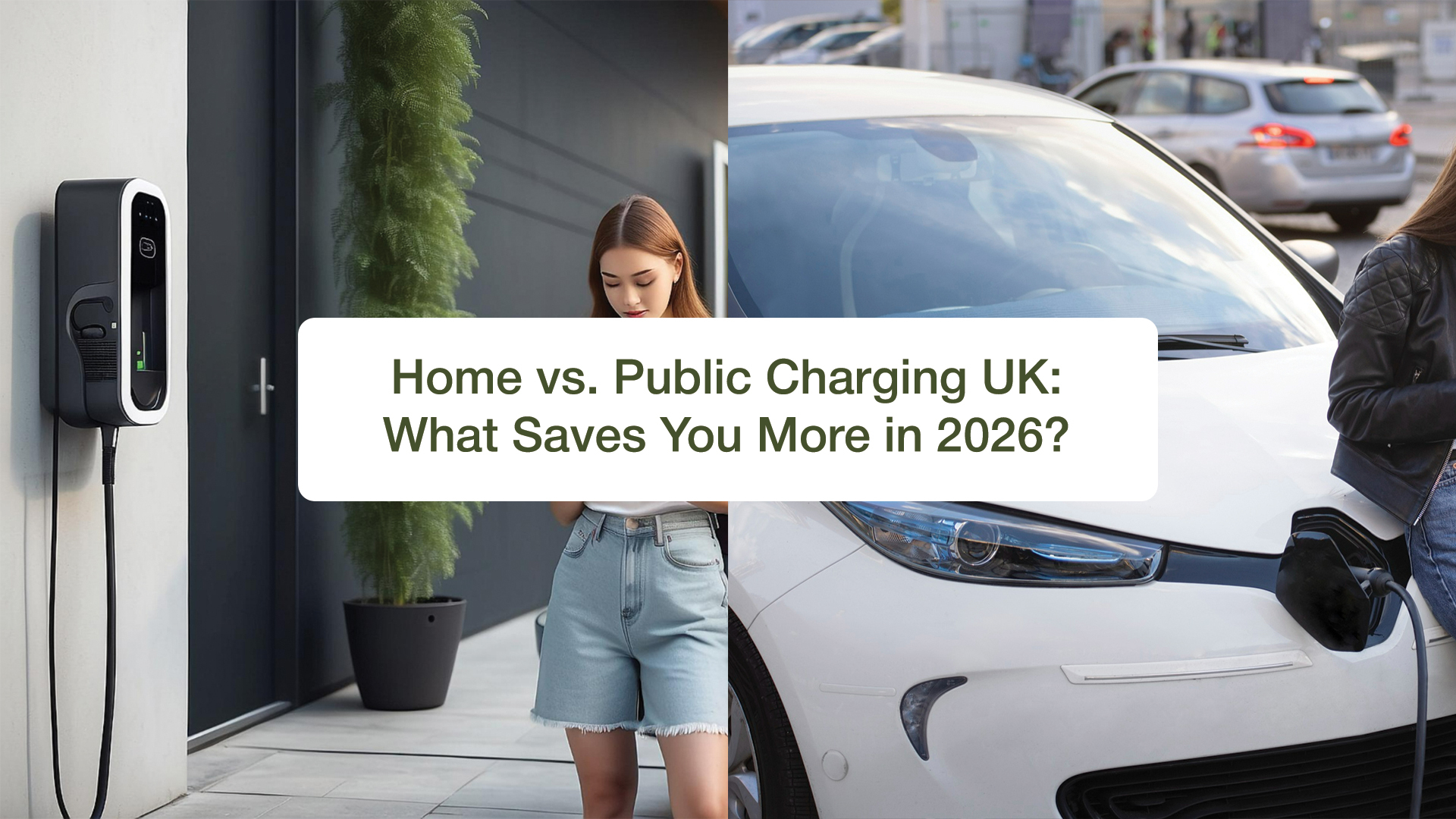
Home vs. Public Charging UK is becoming one of the biggest considerations for EV owners as the country’s electric vehicle market continues to grow rapidly in 2026. With more drivers switching to electric mobility every year, understanding charging costs, convenience, and long-term savings has become increasingly important.
According to recent industry reports, the UK now has tens of thousands of Public EV Charging Stations operating nationwide, with ultra-fast charging hubs expanding across motorways, cities, workplaces, and commercial destinations. At the same time, Home EV Charging continues to remain the preferred option for many EV users due to lower overnight electricity tariffs, charging convenience, and greater control over daily charging routines.
As EV adoption accelerates, choosing between home and public charging is no longer only about accessibility – it is also about finding the most cost-effective and practical charging strategy for everyday driving in the UK.
Understanding the Difference Between Home and Public EV Charging
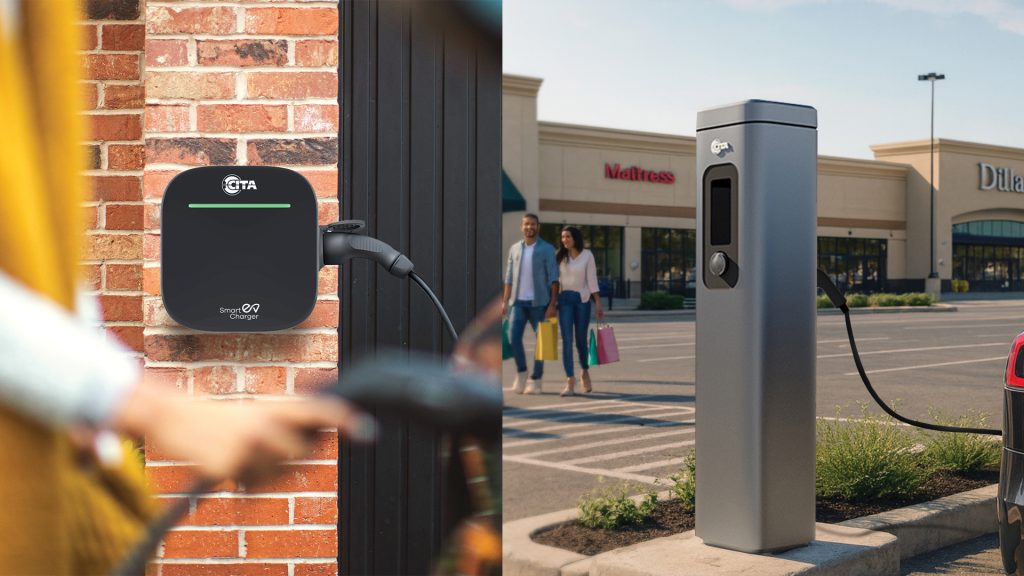
Before comparing costs, it is important to understand how these charging environments differ.
Home EV Charging
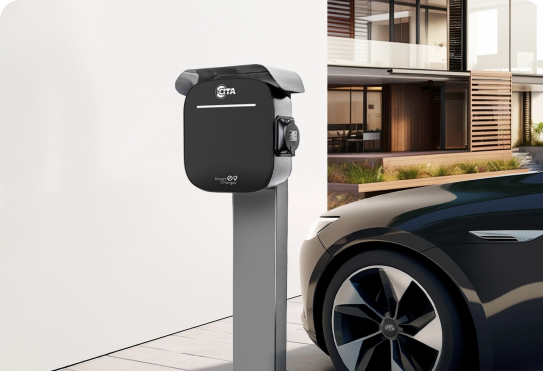
Home EV Charging typically involves installing Residential EV Chargers at private properties, allowing EV owners to charge overnight or during off-peak electricity hours. Most home charging systems use AC charging technology, commonly ranging from 7kW to 22kW.
Home EV charging is popular because it provides:
- Convenience
- Lower charging costs
- Overnight charging flexibility
- Reduced dependency on public infrastructure
- Better charging routine management
Public EV Charging
Public EV Charging includes charging stations installed at:
- Motorways
- Shopping centres
- Hotels
- Retail parks
- Public parking areas
- Commercial buildings
- Fuel stations
Public EV chargers may include both AC vs. DC EV Charging options, with DC chargers providing significantly faster charging speeds for drivers who need quick top-ups during travel.
Public charging offers:
- Fast charging accessibility
- Convenience for long-distance travel
- Charging for drivers without home parking
- Flexible charging across multiple locations
Why EV Charging Costs Matter More in 2026
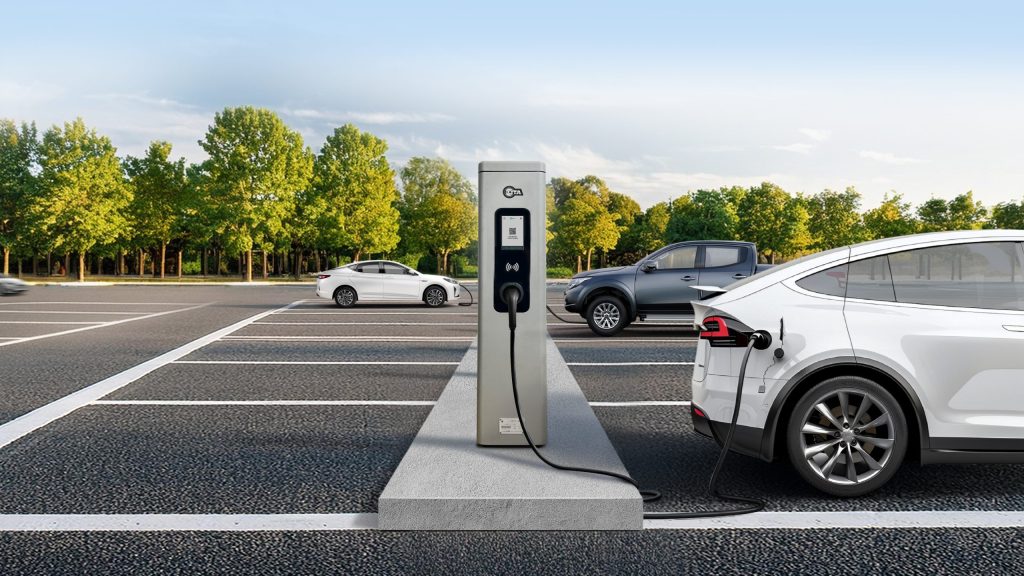
Electricity prices and charging demand continue evolving across the UK market. While EVs still offer lower running costs than petrol or diesel vehicles, EV Charging Costs in the UK vary significantly depending on where and how drivers charge.
Several factors now influence EV charging expenses:
- Energy tariffs
- Time-of-use electricity pricing
- Charging speed
- AC vs DC EV Charging rates
- Subscription-based charging networks
- Public infrastructure pricing
- Vehicle battery efficiency
As the UK EV Charging Infrastructure expands further in 2026, drivers are becoming more strategic about how they balance convenience and affordability.
Home Charging vs Public Charging: Cost Comparison
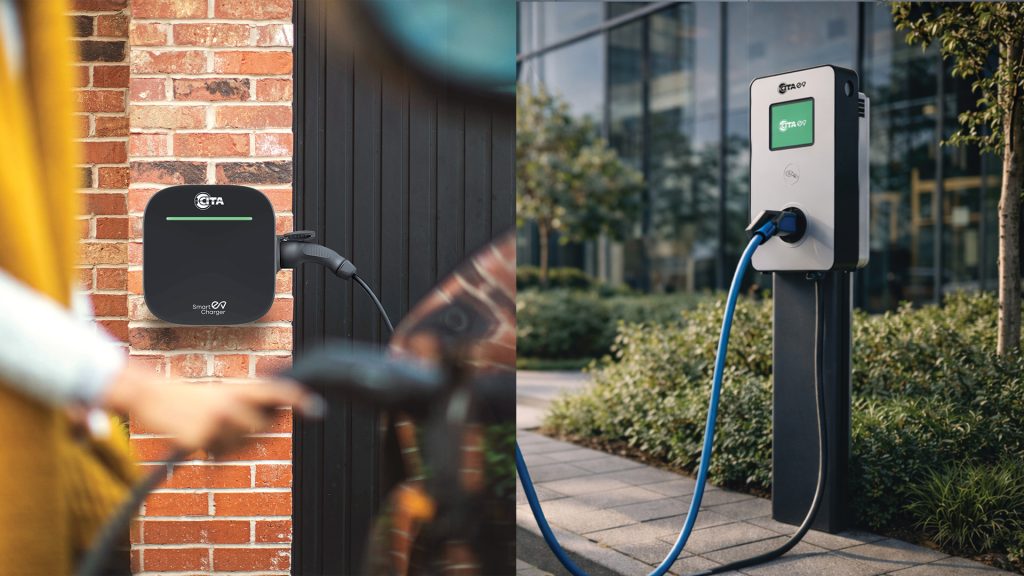
One of the biggest factors influencing the Home vs. Public Charging UK debate is affordability. Many EV drivers prefer Home EV Charging because it offers lower long-term charging costs and better control over electricity usage.
Charging at home during off-peak electricity hours can significantly reduce overall charging expenses compared to rapid public charging stations. Public chargers, particularly Fast EV Charging UK networks, often carry premium pricing because they provide faster charging speeds and require higher infrastructure investment.
Estimated Charging Cost Comparison in 2026
| Charging Type | Estimated Cost Per kWh | Charging Speed | Best Use Case |
|---|---|---|---|
| Home AC Charging | Lower | Moderate | Daily overnight charging |
| Workplace EV Charging | Moderate | Moderate | Employee charging |
| Public AC Charging | Moderate | Moderate | Shopping & destination charging |
| Public DC Fast Charging | Higher | Very Fast | Long-distance travel |
| Ultra-Rapid DC Charging | Highest | Ultra Fast | Motorway top-ups |
While public charging offers speed and accessibility, home charging often remains the most cost-effective option for regular daily use.
Why Home EV Charging Saves More for Daily Drivers
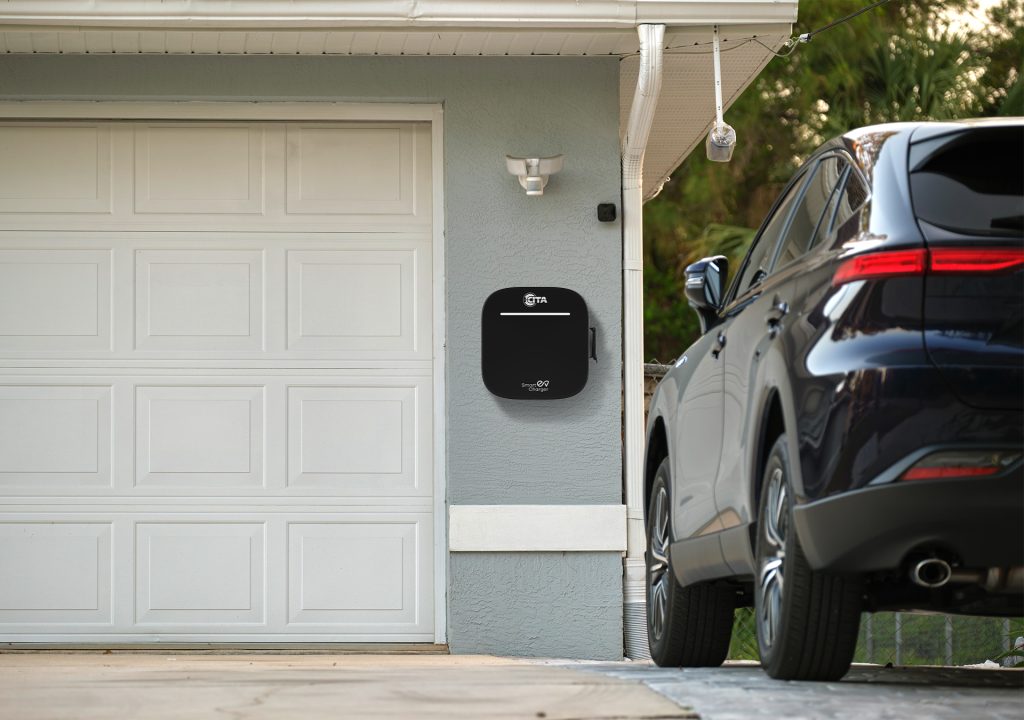
For drivers with private parking access, Home EV Charging usually delivers the best long-term savings.
1) Lower Electricity Tariffs
Many UK electricity providers now offer EV-specific tariffs that reduce charging costs during overnight hours. Charging during off-peak periods allows drivers to maximize savings while reducing grid demand during busy hours.
2) Consistent Charging Routine
Residential EV Chargers provide predictable charging behavior and eliminate the need to search for available chargers. Drivers can simply plug in overnight and start each day with a fully charged vehicle.
3) Reduced Dependence on Public Networks
Frequent Public EV Charging can become expensive over time, especially when relying on rapid DC chargers. Home charging reduces dependency on higher-priced public charging infrastructure.
When Public Charging Makes More Sense

Although home charging is often cheaper, Public EV Charging remains essential for many EV users.
1) Drivers Without Private Parking
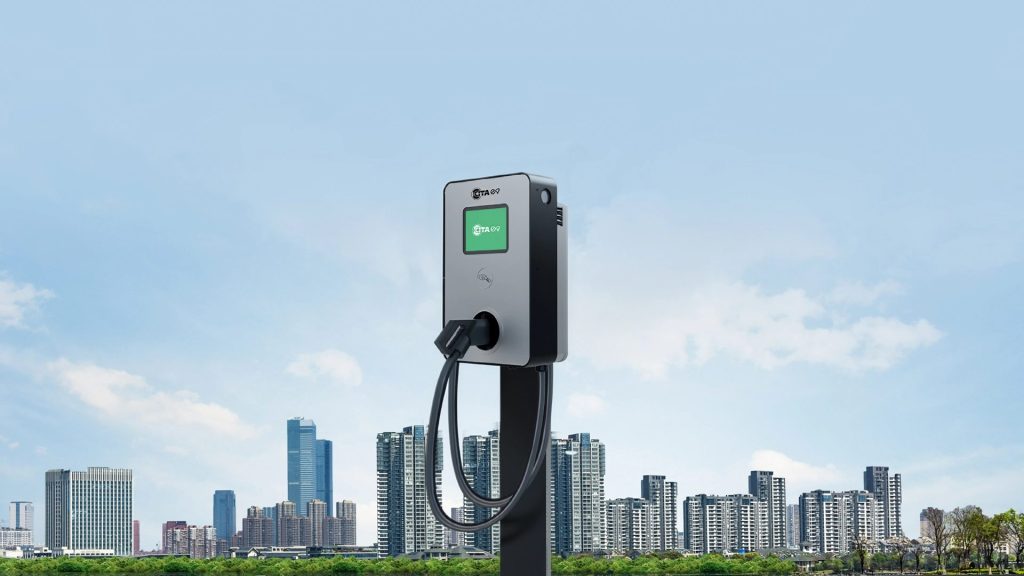
Not every UK EV owner has access to a driveway or garage. Urban apartment residents and city-based drivers often depend heavily on Public EV Charging Stations for daily charging needs.
2) Long-Distance Travel
Public charging networks play a critical role in enabling long-distance EV travel across the UK. Fast EV Charging UK networks allow drivers to recharge quickly during motorway journeys and intercity travel.
3) Business and Workplace Charging
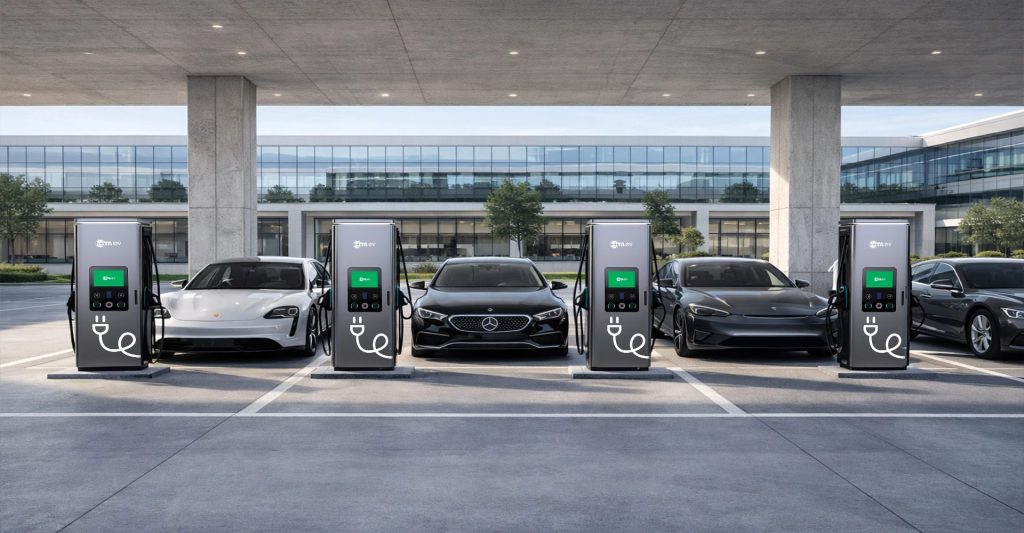
Many companies now provide Workplace EV Charging to support employee convenience and sustainability goals. Commercial EV Charging Stations help reduce pressure on public infrastructure while supporting EV adoption among employees and fleet operators.
AC vs DC EV Charging: Which is More Cost-Effective?
Understanding AC vs DC EV Charging is important when comparing charging expenses.
AC Charging
AC charging is commonly used for:
- Home EV charging
- Workplace EV charging
- Destination EV charging
Advantages:
- Lower installation costs
- More affordable charging sessions
- Better for overnight charging
- Reduced battery stress over time
DC Charging
DC charging is primarily used for:
- Motorway charging
- Fleet operations
- High-traffic commercial environments
- Fast top-up charging
Advantages:
- Extremely fast charging speeds
- Ideal for travel convenience
- Reduces waiting times
However, DC charging sessions are usually more expensive due to higher infrastructure and energy delivery costs.
Is EV Charger Installation Worth it in the UK?
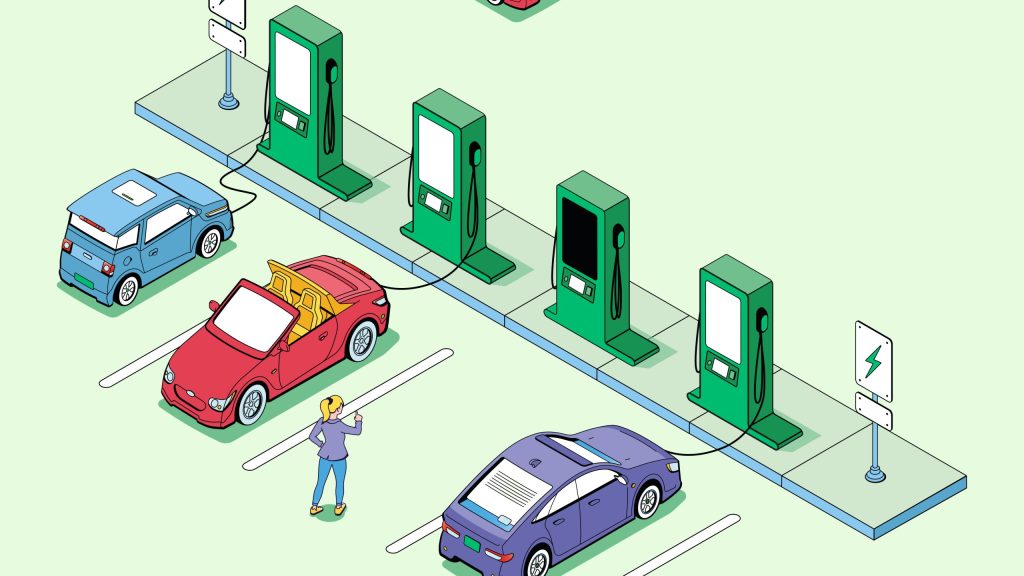
For many homeowners, EV Charger Installation in UK properties has become a long-term investment rather than simply an additional convenience.
Installing Residential EV Chargers provides:
- Greater charging flexibility
- Lower long-term running costs
- Faster home charging speeds
- Better energy management
- Increased property appeal
As EV adoption rises further, home charging infrastructure is expected to become increasingly common across UK residential properties.
Which Charging Option Actually Saves More?
When comparing Home vs. Public Charging UK, home charging generally remains the most affordable option for daily charging in 2026, particularly for drivers with off-peak electricity access and private parking.
However, public charging remains essential for:
- Long-distance travel
- Drivers without home charging access
- Emergency top-ups
- Commercial fleet operations
- Urban EV ownership
Ultimately, the most cost-effective EV charging strategy often combines:
- Home charging for routine use
- Public charging for flexibility and travel
- Workplace charging for convenience
Balancing these charging environments helps drivers optimize both cost savings and charging accessibility.
Power Every Charging Need with CITA EV Charger
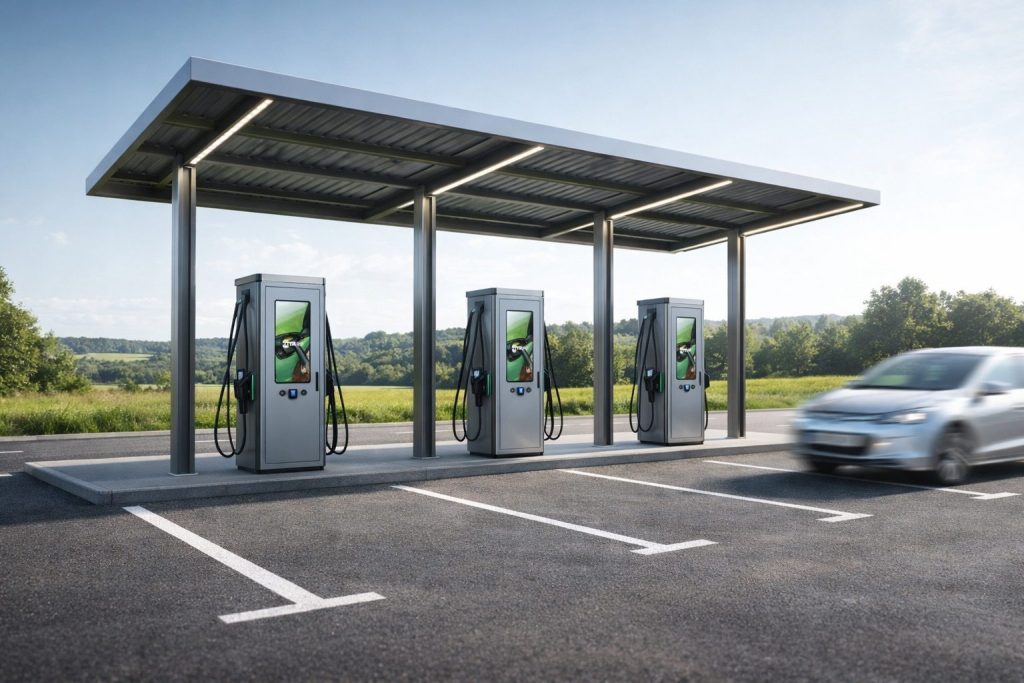
As the UK EV market continues evolving, understanding Home vs. Public Charging UK is becoming increasingly important for both residential and commercial EV users. Whether you are looking for Residential EV Chargers, Commercial EV Charging Stations, Workplace EV Charging solutions, or ultra-fast DC charging systems, having reliable and scalable charging technology is essential for long-term EV adoption.
At CITA EV Charger, we provide advanced AC and DC EV charging solutions ranging from 7kW to 480kW, designed for homes, businesses, fleets, workplaces, and public charging environments. Our future-ready charging systems are built for performance, safety, scalability, and intelligent energy management.
Whether you are planning a Home EV Charging setup or expanding commercial charging infrastructure, our team can help you choose the right solution tailored to your charging requirements.
Contact CITA EV Charger today for a free consultation and discover smarter EV charging solutions built for the future of electric mobility.